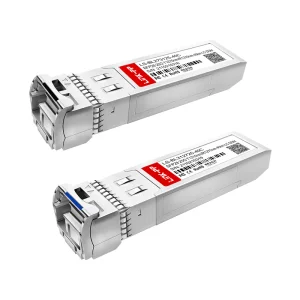
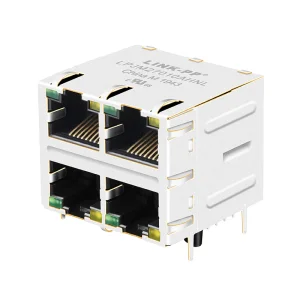
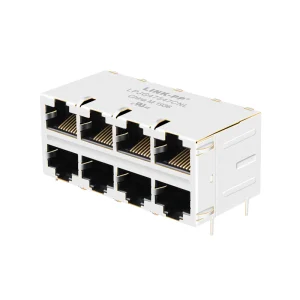
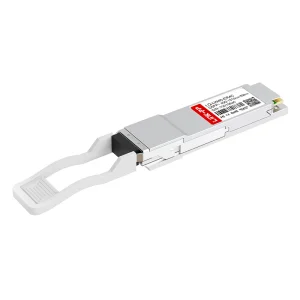
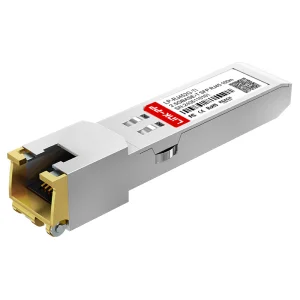
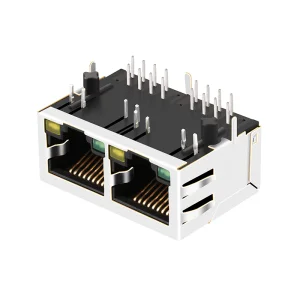
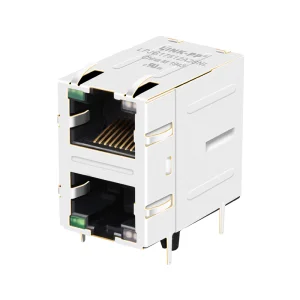
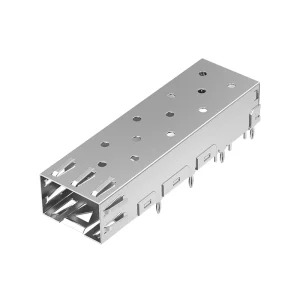
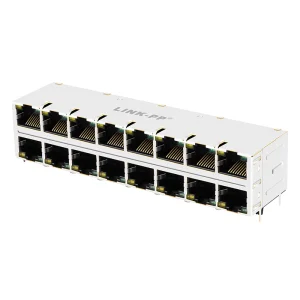
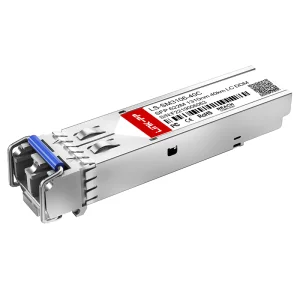
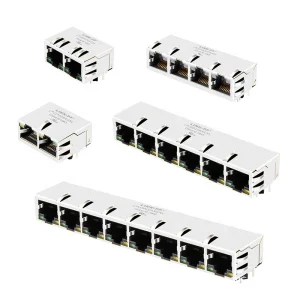
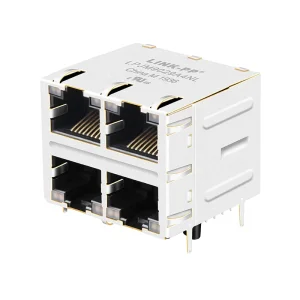
High-performance SFP transceivers, PCB-mount connectors, and rugged RJ45 modules designed for multi-gigabit data rate integrity.
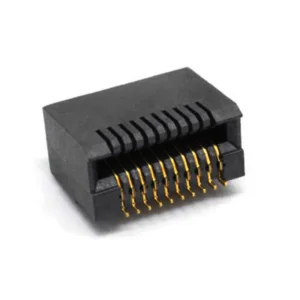
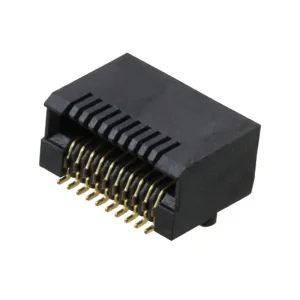
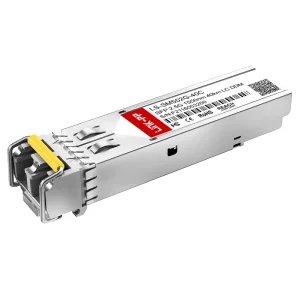
In high-speed telecommunications and networking architectures, the Small Form-factor Pluggable (SFP) system constitutes the baseline standard for hot-swappable I/O interfaces. This system is dual-part, consisting of a board-mounted SFP Connector and a surrounding SFP Cage. Together, they act as the physical, mechanical, and electrical gateway between the high-speed system motherboard and transceiver modules (such as optical transceivers, Direct Attach Copper [DAC] cables, and Active Optical Cables [AOC]).
As transmission frequencies reach 25 Gbps (SFP28), 56 Gbps (SFP56), and up to 112 Gbps (SFP112) per channel, system designers face critical challenges in signal integrity (SI), electromagnetic interference (EMI) containment, and thermal dissipation. The mechanical tolerance and material composition of both cages and connectors dictate the ultimate performance of the data link.
Our surface-mount technology (SMT) SFP connectors utilize high-grade phosphor bronze base contact pins coated with either 15u" or 30u" gold plating. Plating thickness determines contact reliability over hundreds of insertion cycles and mitigates fretting corrosion in high-vibration environment deployments.
High-speed transceivers are prominent sources of electromagnetic emissions. The SFP cage acts as a Faraday cage. It features spring-finger gaskets or elastomeric EMI gaskets that compress against the bezel cutout and transceiver chassis to prevent leakage at gigahertz frequencies.
Our cages are engineered with integrated heat sinks or optimized cutouts that accept standard clip-on thermal modules. This enables effective convection airflow over the transceiver body, keeping operations well within optimal temperature limits.
The global SFP connector and cage market is undergoing a significant expansion phase, primarily propelled by the deployment of artificial intelligence (AI), machine learning (ML) architectures, 5G standalone networks, and high-frequency trading (HFT) platforms. The explosion of raw data processing in hyperscale data centers requires interconnect densities that stretch the performance limits of standard copper interfaces.
As organizations upgrade from legacy gigabit infrastructure to multi-gigabit and terabit switches, the demand for stable, board-level connector interfaces has intensified. SFP cages, historically viewed as standard stamping components, are now highly engineered devices. They are designed to meet strict regulatory compliance standards, including FCC, CE, and RoHS directives, while ensuring zero-tolerance EMI interference in medical, military, and financial communications systems.
Networking hardware demands vary by region and industry. Modern systems require customized SFP integrations that address distinct localized conditions:
In massive cloud centers, hardware density is high. Designers utilize multi-port stacked configurations (such as 2xN SFP/QSFP structures) to maximize front-panel I/O density. High-durability connectors, like our 30u" gold-plated models, are essential here. They withstand frequent reconfiguration cycles without signal degradation.
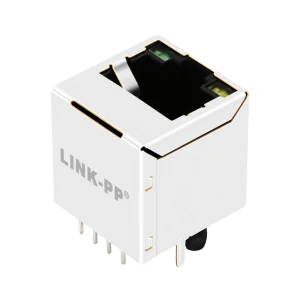
Industrial settings expose electronics to dust, high moisture, and major electromagnetic noise from heavy motors. Here, copper-based SFP transceivers (using rugged, shielded magnetic RJ45 connectors) interface with optical fibers. The SFP cage must possess high structural integrity and robust grounding fingers to prevent high-frequency noise from disrupting system operations.
Cellular base stations operate in unconditioned outdoor environments. Temperature swings require connectors and cages certified for industrial-grade thermal operational ranges (-40°C to +85°C). The inclusion of SMT connectors without LEDs allows system engineers to design fully sealed enclosures that protect internal circuits while dissipating heat through external heatsinks.
The roadmap for SFP technology tracks the industry's need for faster data rates. Key milestones ahead include:
| Era / Standard | Data Rate Per Channel | Dominant Connector Tech | EMI Shielding Methodology | Primary Application Areas | |
|---|---|---|---|---|---|
| SFP+ / SFP28 | 10 Gbps - 25 Gbps | SMT 20-Pin, 15u" / 30u" Gold | Metal Spring Fingers / Elastomeric Gasket | Enterprise Routing, 10G/25G Switch Links | Stable Production |
| SFP56 / SFP112 | 56 Gbps - 112 Gbps (PAM4) | Ultra-Low Profile SMT, Impedance Tuned | 360-Degree Contact EMI Shield / Grounding Clips | AI Cluster Fabrics, 100G/400G Aggregators | Active Deployment |
| SFP224 (Future) | 224 Gbps (PAM4 / PAM8) | Hybrid Direct-Attach Board Connectors | Absorptive EMI Gaskets & Liquid-Cooled Cages | 800G / 1.6T Hyperscale AI Compute Nodes | Under Development |
Novafiber Communications Co., Ltd. is a professional optical transceiver manufacturer specializing in high-performance fiber optic communication solutions for global data centers, telecom operators, and enterprise networking applications.
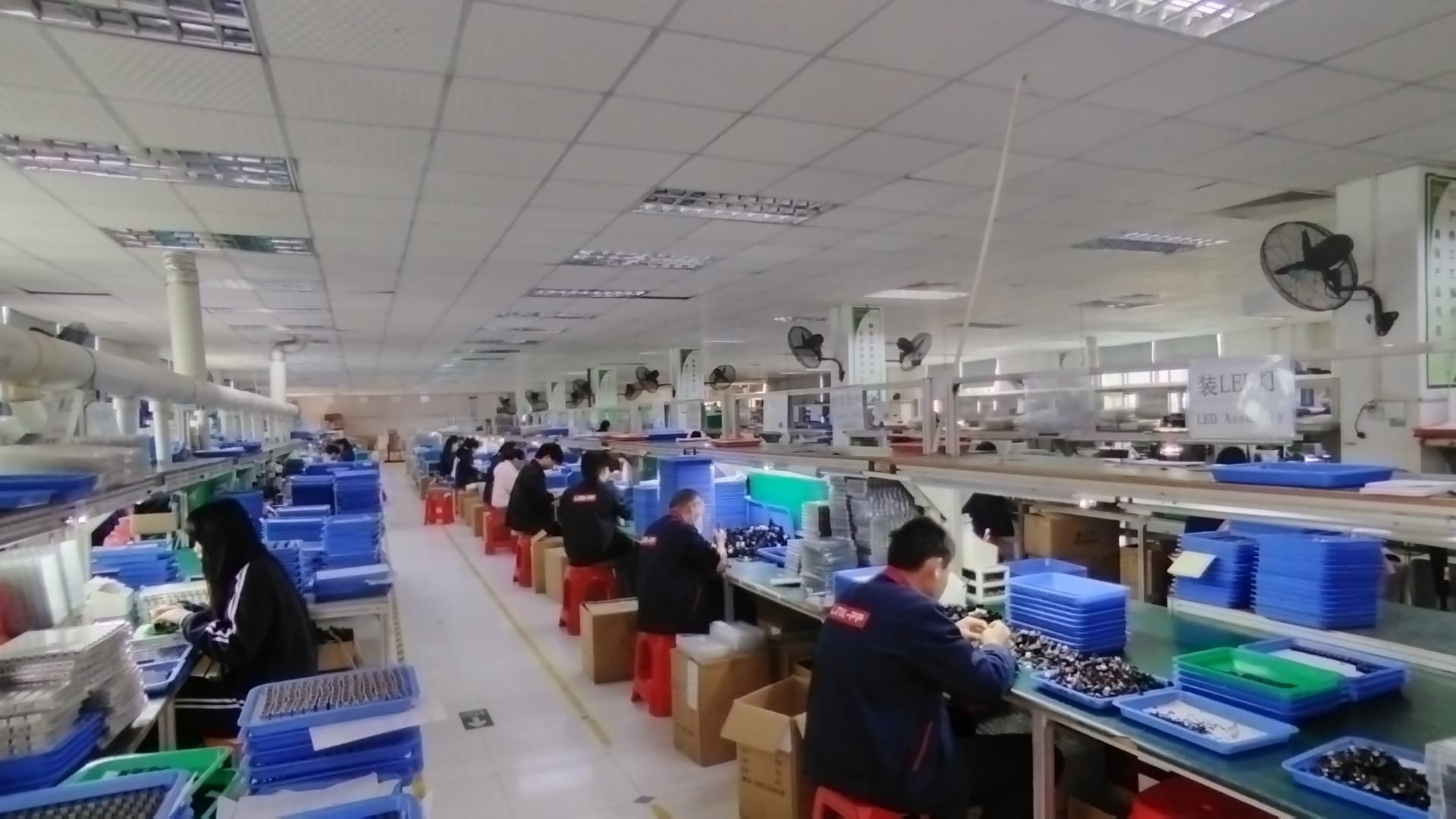
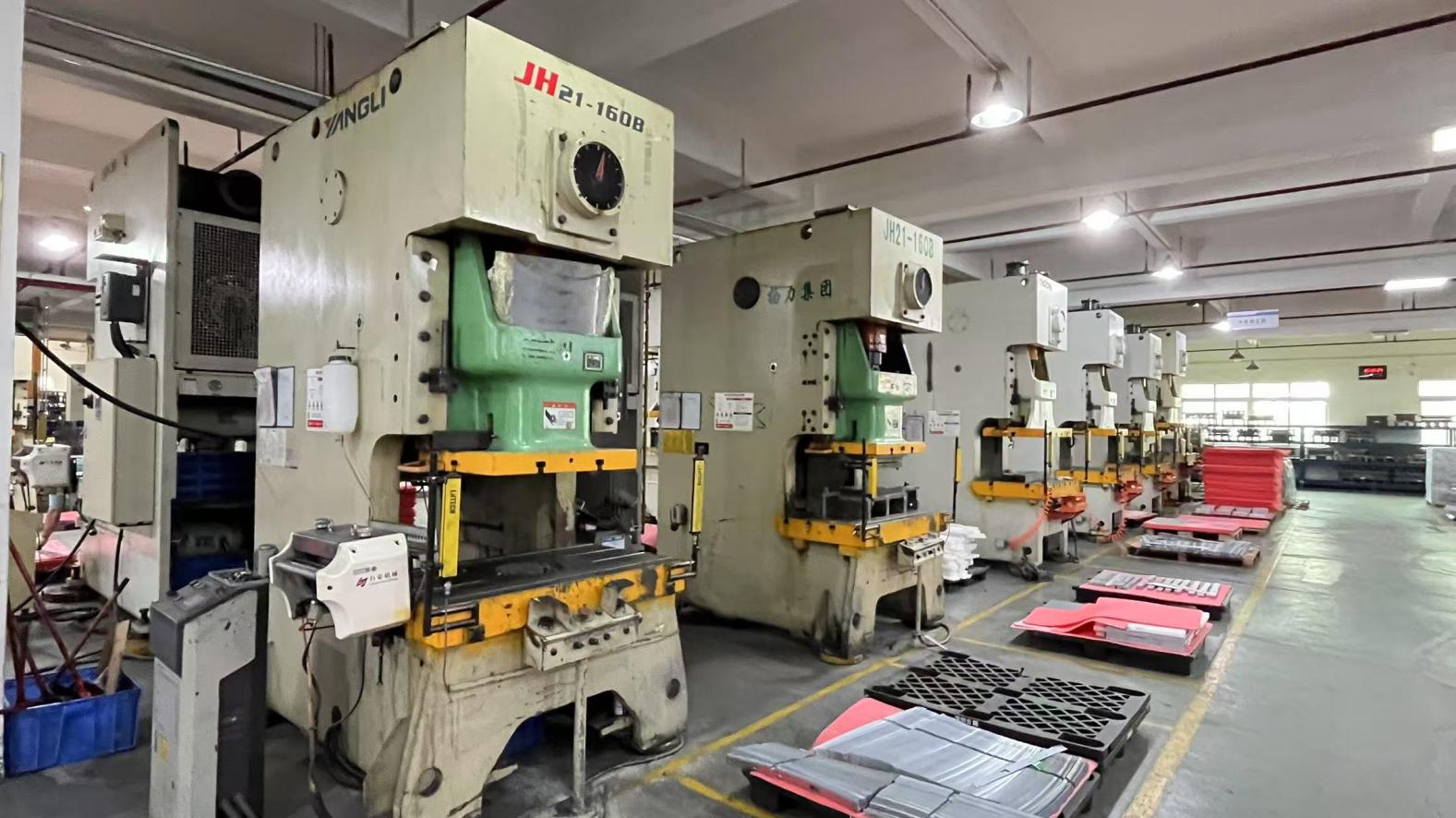
Founded in 2016, Novafiber has developed strong engineering and manufacturing capabilities with a modern production facility covering approximately 420㎡. With over 9 years of industry experience and 7 years of export experience, the company has built a solid reputation in the global optical communication market.
Novafiber generates an annual export revenue of approximately USD 8.5 million, serving customers across North America, Europe, Southeast Asia, and the Middle East. The company maintains a flexible and efficient supply chain network with more than 1,200 supply chain partners, enabling stable mass production and fast delivery.
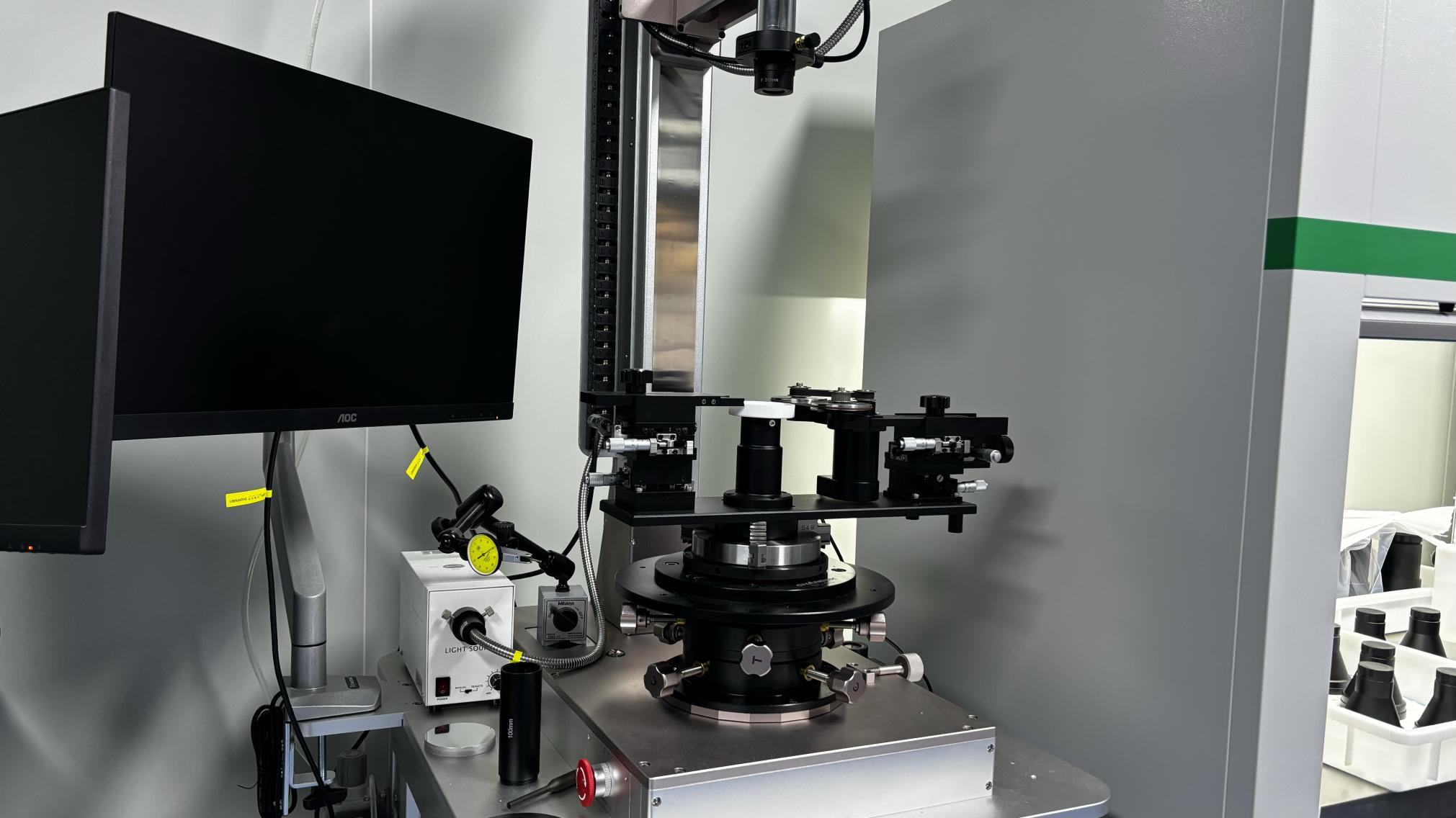
The company employs 65 quality inspection personnel and follows strict quality control systems, including IPC standards, automated optical testing, and environmental stress screening (ESS). Product inspection methods include 100% functional testing, burn-in testing, and high-temperature aging tests to ensure long-term reliability.
Novafiber operates with a strong trade background in international OEM/ODM manufacturing, primarily serving telecom operators, cloud service providers, data center integrators, and system equipment manufacturers.
Its R&D team consists of 180 experienced engineers, supporting advanced development of high-speed optical modules. The company demonstrates strong innovation capability with 320 new product releases in the past year, covering solutions from 1G to 800G optical transceivers, DAC/AOC cables, and customized optical communication products.
Customization is a key strength of Novafiber, offering flexible OEM/ODM services, including protocol adaptation, wavelength tuning, firmware customization, branding, and packaging solutions.
Reliable industrial-grade copper transceiver modules, multi-port RJ45 jacks, and press-fit EMI-shielded SFP cages.
Crucial engineering, electrical, and integration answers for network architects and design engineers.
Gold plating thickness directly determines contact resistance and mechanical durability. Plating of 15u" is suitable for standard enterprise gear with low mating cycles. For telecom infrastructure, military applications, or high-vibration systems, 30u" gold plating provides superior resistance to fretting corrosion and is rated for a higher number of insertion/extraction cycles.
Cages act as a shield to isolate internal signals. They utilize metal spring-finger gaskets or elastomeric conductive gaskets at the interface point where the transceiver enters the front panel bezel. This design forms a continuous ground path, blocking EMI radiation.
Surface Mount Technology (SMT) cages are soldered directly onto surface pads, which works well for compact, low-profile designs. Press-fit (through-hole) cages feature pins that press into plated through-holes on the PCB, providing stronger mechanical anchoring and better grounding paths.
Yes. With a R&D engineering team of 180 specialists, Novafiber offers comprehensive customization. This includes custom pin alignments, specialized shell dimensions, integrated heat sinks, and modifications for specific board thicknesses.
Novafiber operates in strict compliance with IPC standards. We utilize Automated Optical Inspection (AOI), Environmental Stress Screening (ESS), and perform 100% functional, burn-in, and high-temperature aging tests on our assemblies.
A glimpse into our manufacturing centers, design departments, and global quality control infrastructure.

 Novafiber