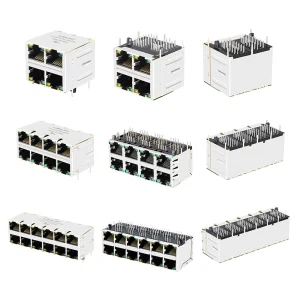
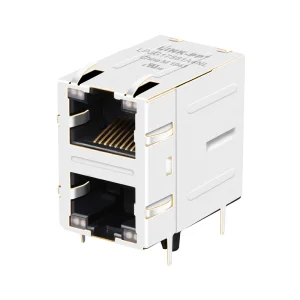
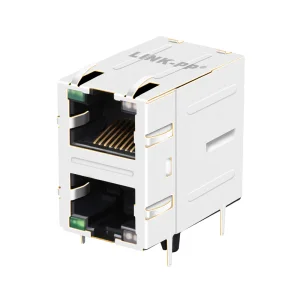
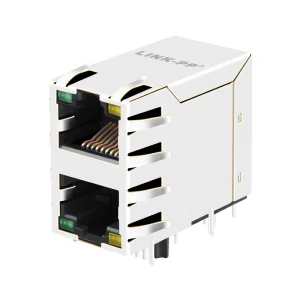
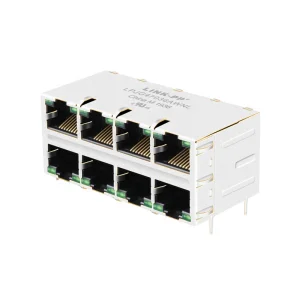
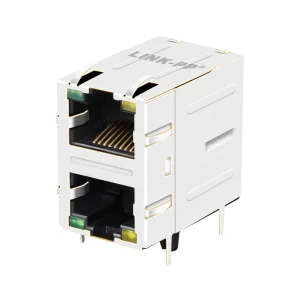
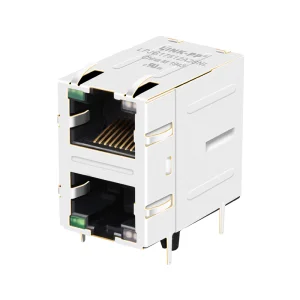
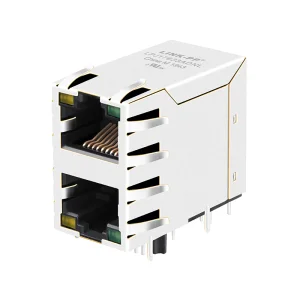
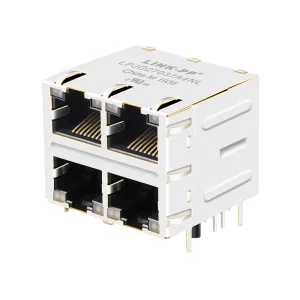
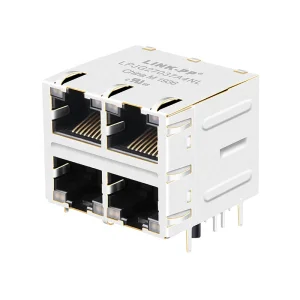
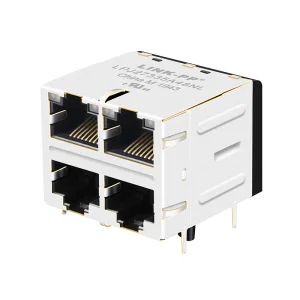
Premium physical connectivity interfaces built to strict telecom standards. Offering seamless PCB integration, robust EMI shielding, and optimized signal integrity.
Novafiber Communications Co., Ltd. delivers institutional-grade component manufacturing and signal integrity capabilities to world markets.
Founded in 2016, Novafiber has developed deep-rooted structural engineering and precision electronics manufacturing capabilities. With a modern production footprint and 7 years of export history, we operate with a strict quality first mandate. Our QA infrastructure employs 65 dedicated quality inspection professionals who verify that every stacked port component conforms strictly to IPC certification benchmarks.
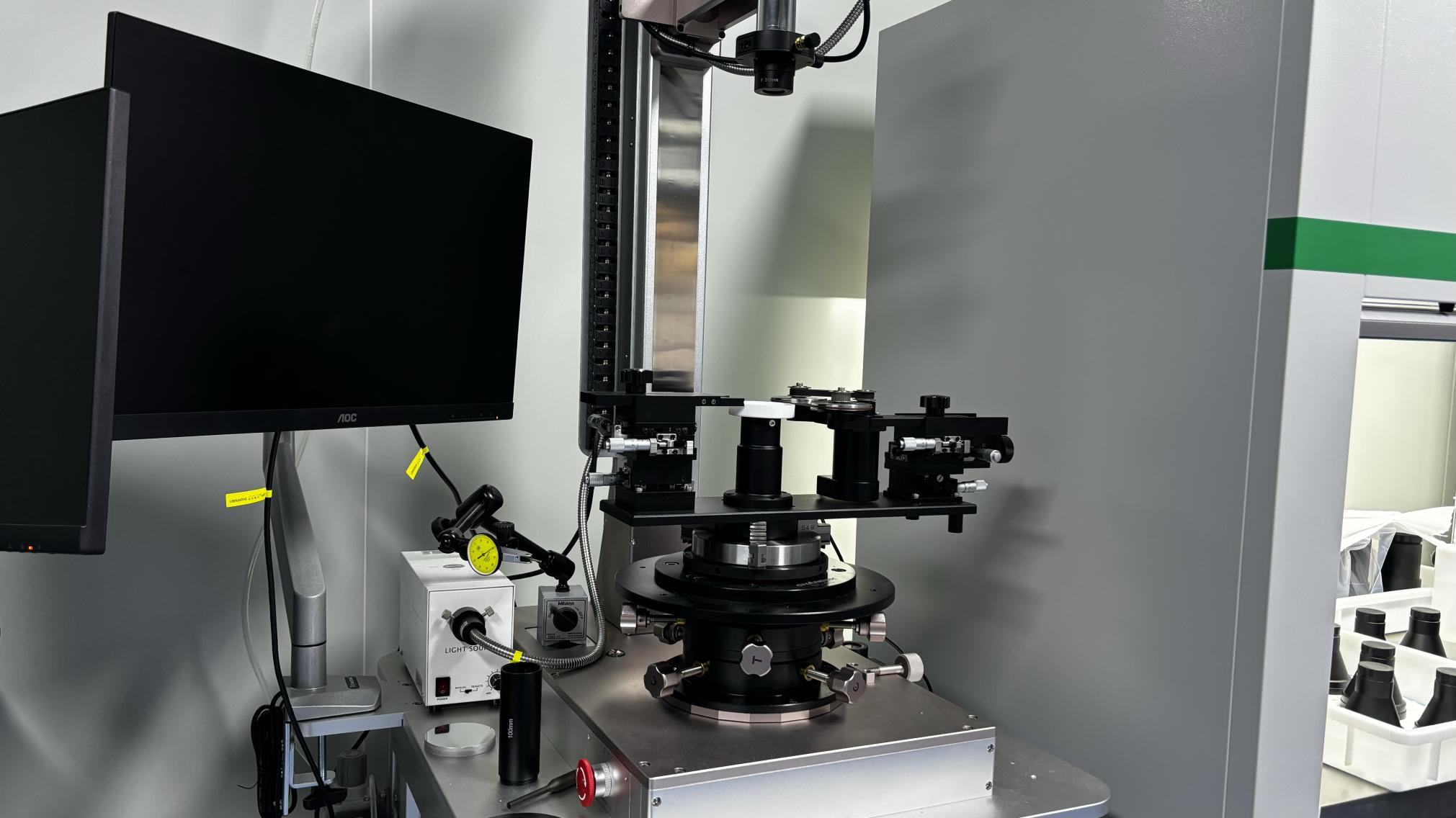
Utilizing high-end automated optical testing (AOI), environmental stress screening (ESS), 100% functional signal verification, and long-term high-temperature aging chambers, Novafiber guarantees zero-defect performance. This rigorous process is critical for physical layers like Stacked Port RJ45 Connectors where localized failure halts global data center pathways.
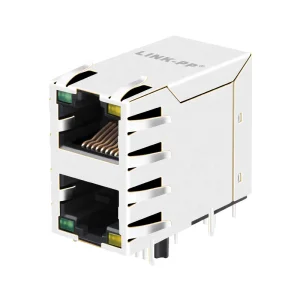
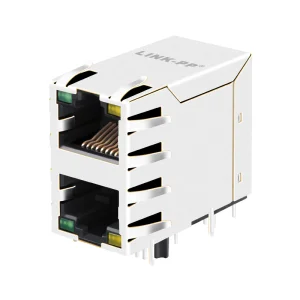
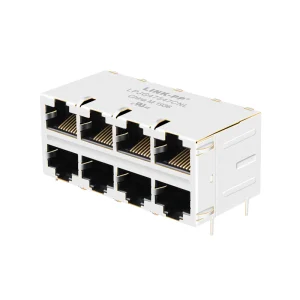
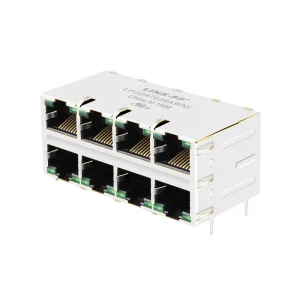
As standard enterprise network nodes shift from legacy 1GbE speeds to 2.5GbE, 5GbE, and 10GbE copper physical layers, structural density on the printed circuit board (PCB) faceplate has become a critical bottleneck. The Stacked Port RJ45 Connector offers a dual-layer configuration (typically 2x1, 2x2, 2x4, 2x6, or 2x8 port arrays) that effectively doubles port count without expanding the linear edge profile of the motherboard.
This layout efficiency is vital for 1U space-constrained rack systems and high-capacity network switches. Stacked architectures present significant engineering challenges, primarily related to electromagnetic interference (EMI) and cross-port signal coupling (crosstalk). When two high-frequency data streams run parallel in stacked compartments, proper spatial separation, advanced internal shielding, and ground pin optimizations are required to prevent signal attenuation.
In high-performance networking, using discrete magnetic components on the PCB is no longer practical due to layout complexity and signal degradation. Integrated Connector Modules (ICMs) merge the RJ45 female connector shell with standard ethernet magnetics (transformers, common-mode chokes, and Bob Smith termination networks). This integration ensures:
In stacked PoE applications, heat dissipation is a key engineering focus. Placing power lines near magnetic components requires thermal-resistant liquid crystal polymer (LCP) housings and high-temperature wire windings on the internal toroids to prevent thermal runaway under full loads.
China continues to be the global benchmark for high-speed connectivity manufacturing. Choosing a Chinese factory offers key supply chain benefits:
Advanced Raw Material Access: Sourcing high-grade copper alloys, phosphor bronze contacts, gold-plating options (ranging from gold flash to 50 micro-inches), and UL 94V-0 rated engineering plastics is highly efficient in China's industrial zones. This reduces material costs and speeds up early-stage manufacturing cycles.
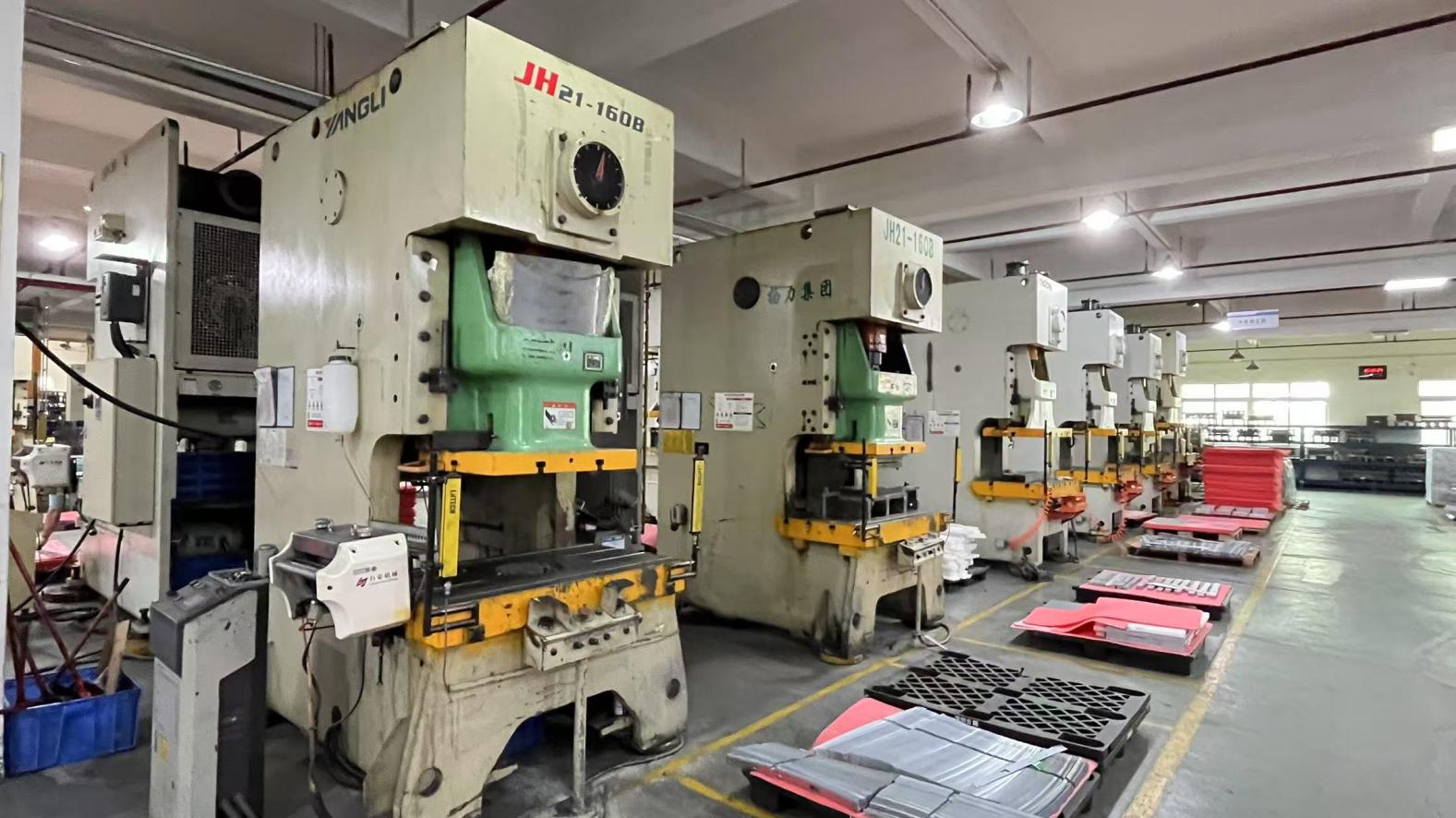
Scalable Automation: Stacked RJ45 connectors feature complex structures with numerous pins and internal magnetic components. China's manufacturing sites utilize automated pin insertion, robotic coil winding, and automated optical inspection (AOI) to achieve high yields and consistent quality.
Global procurement teams must look beyond unit costs when evaluating stacked RJ45 connector suppliers. Long-term reliability is verified through specific compliance steps:
| Test Description | Standard Reference | Verification Method |
|---|---|---|
| Mating & Durability | IEC 60603-7 | Minimum 750 mating cycles with zero gold-wear failure. |
| Salt Spray Testing | ASTM B117 | 48-hour exposure to evaluate nickel under-plating resistance. |
| Solderability | MIL-STD-202 Method 208 | Ensures solid solder joints in wave or reflow ovens. |
Working with partners like Novafiber gives access to 65 quality control specialists who inspect raw incoming components, check production steps, and run final high-voltage insulation tests, ensuring all delivered parts match strict engineering specifications.
Stacked RJ45 jacks with integrated magnetics are used across multiple industries:
Data Centers & Server Farms: In 1U/2U servers, 2x4 and 2x8 stacked RJ45 connectors support 10G Base-T pathways, allowing top-of-rack switches to handle high-density up-links while managing space and airflow.
Industrial IoT (IIoT) & Factory floor Systems: Heavy machinery relies on modular jacks with robust EMI gaskets, steel-plated shields, and secure grounding tabs to protect delicate Ethernet signals in electrically noisy environments.
Telecom & Broadband Terminals: Central office equipment and outdoor base stations use stacked connectors equipped with integrated surge protection to handle voltage spikes from lightning strikes and grid issues.
Industry research highlights several trends driving the development of stacked RJ45 components:
Our products are engineered to support high-performance data communication applications.
Features outer metal shielding with specialized EMI tabs (EMI fingers) to establish clean ground paths and prevent port-to-port crosstalk in dense layouts.
Fully compatible with PoE, PoE+, and PoE++ standards. Internal magnetic wire profiles are configured to prevent core saturation under continuous currents.
Optimized internal electrical pathways match standard transceivers from major brands, reducing insertion loss and simplifying system layout.
Expert answers to common engineering, layout, and manufacturing questions about stacked RJ45 connectors.
Our complete range of stacked and magnetic modular connectors designed for reliable, high-performance data systems.
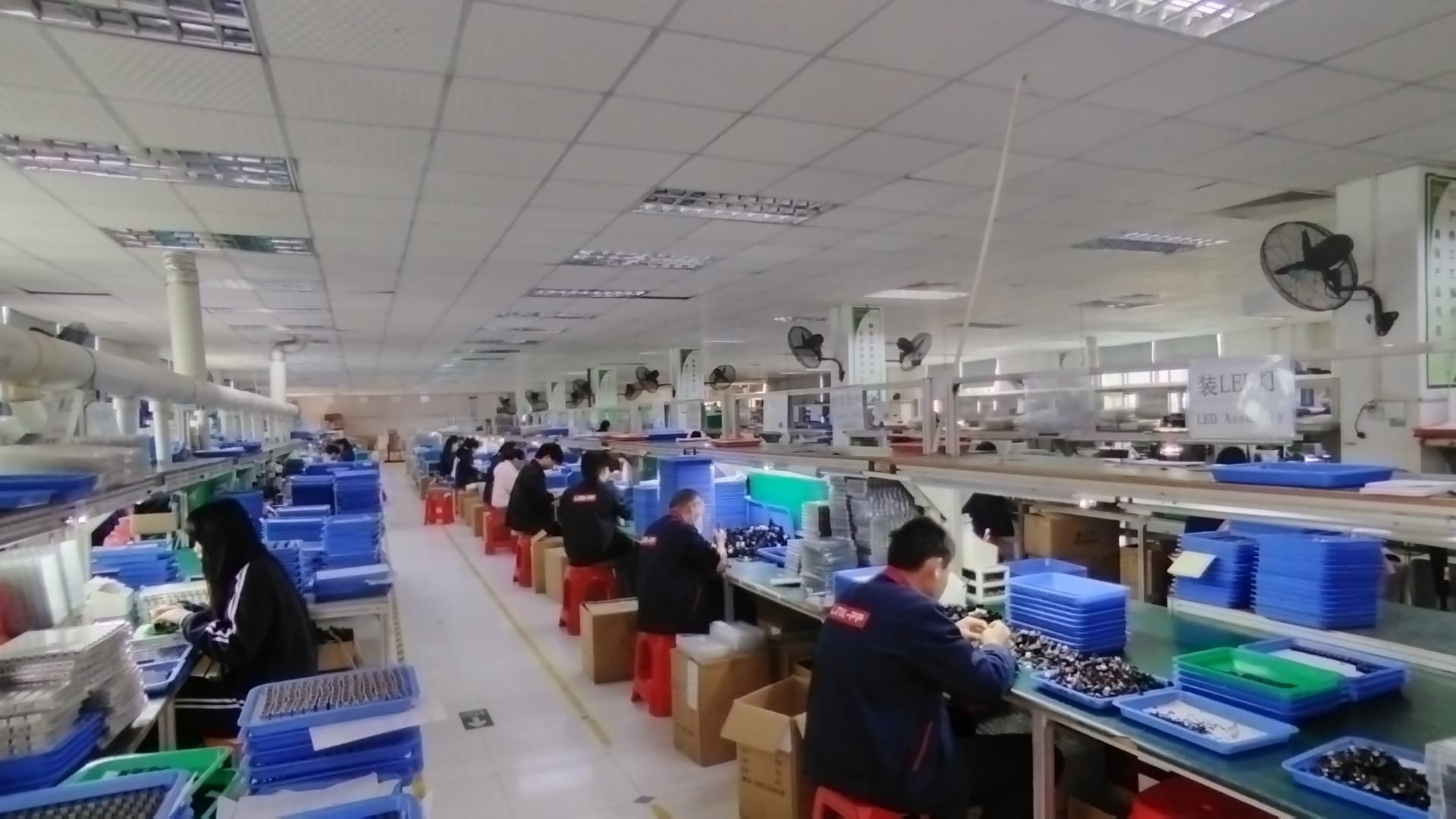
A look inside our manufacturing processes, including precision assembly lines, advanced cleanrooms, and testing facilities.

 Novafiber