Operating at the intersection of copper and fiber optics infrastructure, Novafiber Communications Co., Ltd. is a high-performance optical transceiver and specialized electronic connector manufacturer. Established in 2016, we integrate precision micro-connector testing and hybrid copper-to-fiber conversions to support global data networks.
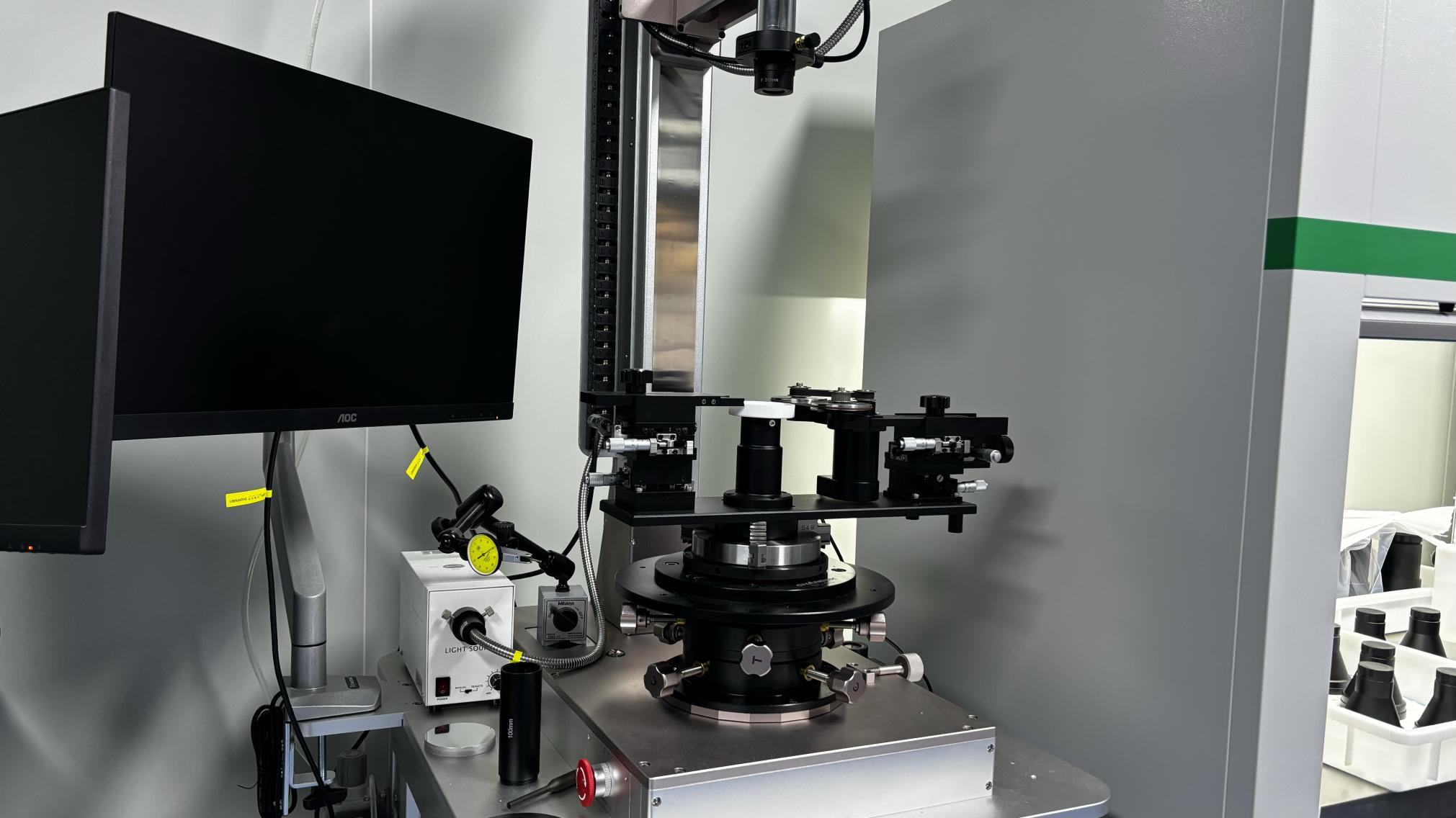
With a state-of-the-art facility featuring dedicated physical layer evaluation chambers, our operations boast 9 years of industry experience and 7 years of export expertise. Serving leading system equipment manufacturers and telecom operators across North America, Europe, Southeast Asia, and the Middle East, we manage an agile distribution framework backed by over 1,200 supply chain partners.
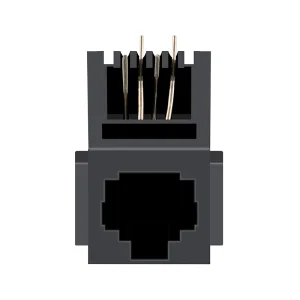
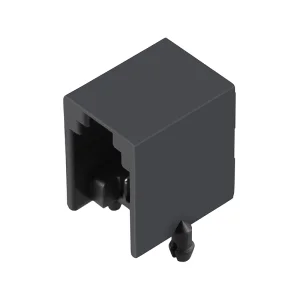
Our core mission focuses on signal integrity across both optical transceivers and modular physical interconnections (including RJ11, RJ12, RJ45 and high-speed cages). This ensures that critical infrastructure networks maintain continuity from long-haul optical fiber lines down to local terminal copper wiring interfaces.
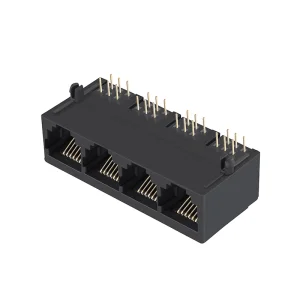
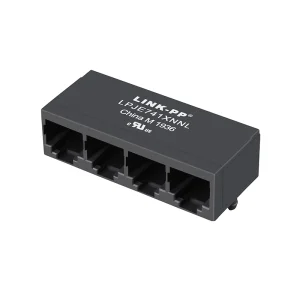
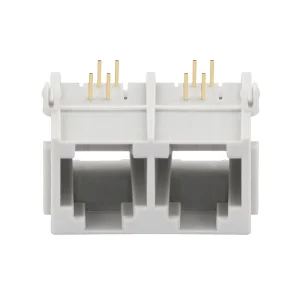
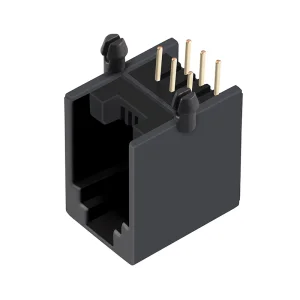
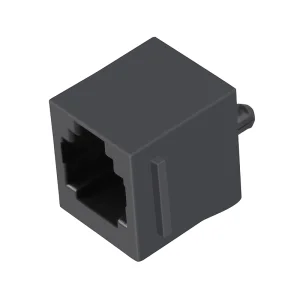
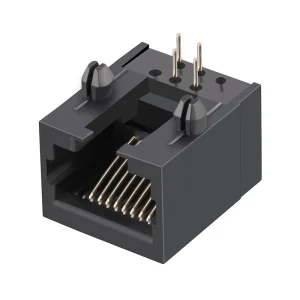
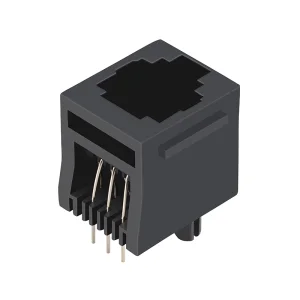
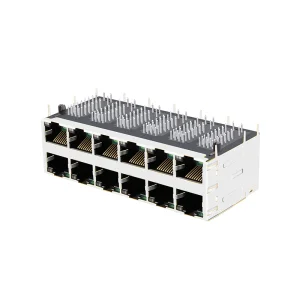
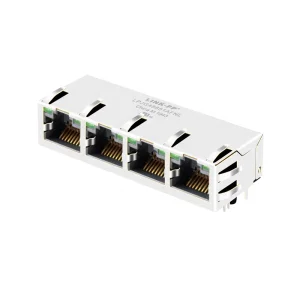
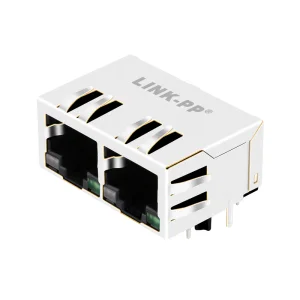
Modern telecommunication networks and smart grid controllers demand miniaturized PCB layouts. Multi-port RJ11 jacks (such as 1x4 and 1x2 configurations) reduce motherboard footprints by up to 35% without compromising mechanical stability or signal routing.
With high-frequency components operating alongside modular connectors, electromagnetic interference (EMI) is a major failure point. Sourcing trends favor shielded modular jacks and integrated transformers designed to withstand harsh industrial electrical environments.
Through-Hole Reflow (THR) process optimization is crucial. High-temperature engineering plastics (LCP or PA9T) are replacing older PBT housings, allowing RJ11 and RJ45 jacks to undergo lead-free reflow profile soldering up to 260°C.
When telecommunications and industrial equipment buyers select RJ11 connectors, their choices depend directly on plating depth and contact wear cycles. Thin gold wash (flash) configurations are prone to premature contact oxidation in humid locations.
As a dependable manufacturer, we provide customizable phosphor bronze contact plates ranging from 3u" to 50u" gold plating. This guarantees low contact resistance (under 20mΩ) and guarantees reliable connectivity throughout the product's lifespan, even in locations exposed to extreme industrial chemicals.
Our quality control teams execute 100% visual inspection, contact retention tests (minimum 7.7kg pull strength), and high-frequency vector testing to prevent circuit failures.
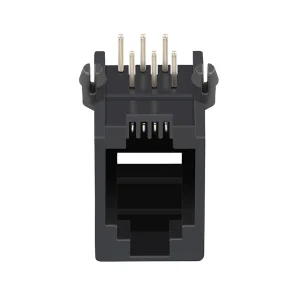
Our OEM/ODM engineering pipeline supports structural configurations suited to varied mounting needs:
Supporting remote alarm systems and home automation hubs that rely on RJ11 interfaces. Our connectors offer UL94V-0 certified thermoplastic housings to minimize fire risks in high-uptime control systems.
Providing robust connection points for RS-232 and RS-485 serial communication using RJ11 pinout configurations. These connections withstand severe mechanical vibration, preventing disconnects in active manufacturing areas.
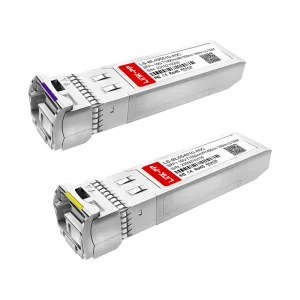
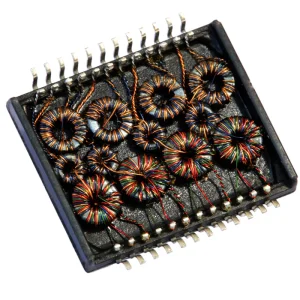
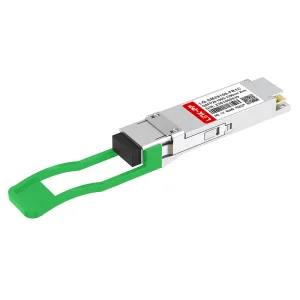
We supply modular network interfaces, such as SFP optical transceivers and LAN transformers, enabling smooth data conversion. This facilitates seamless transitions from fiber-to-the-premises (FTTP) backbones to localized RJ11 terminal layouts.

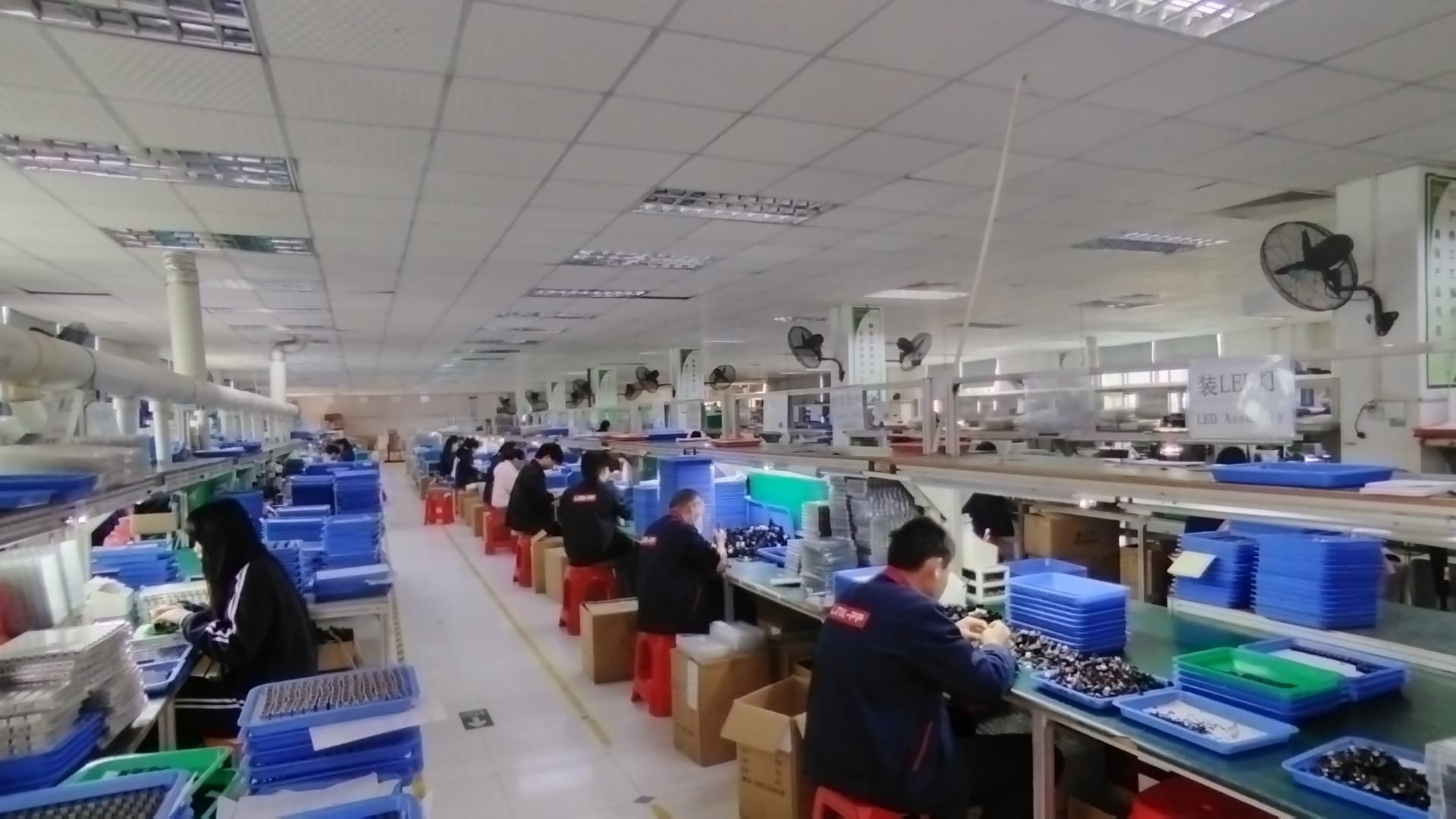
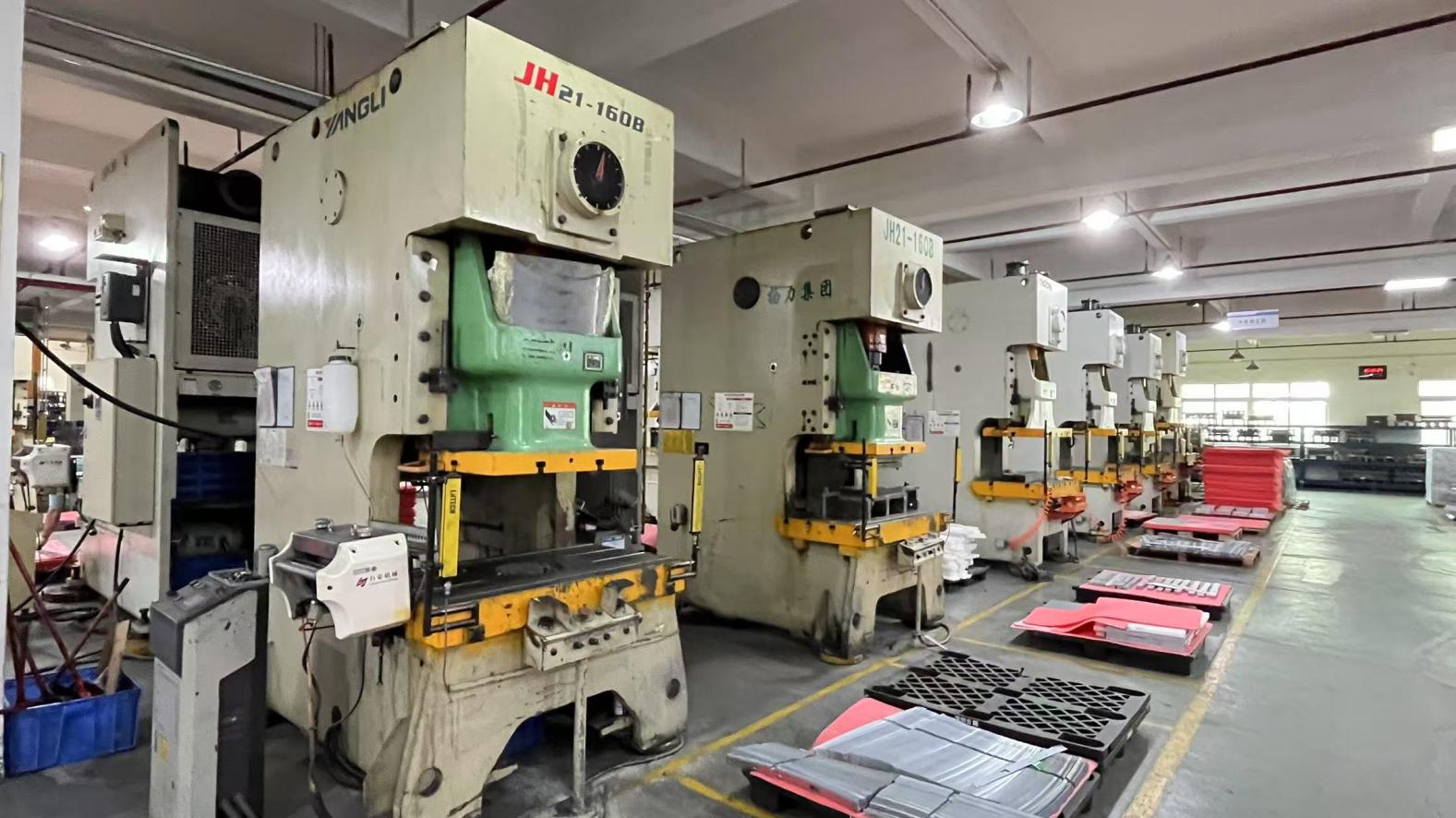
Operating as a trusted international partner requires adherence to global environmental and safety standards. Our manufacturing lines run in compliance with RoHS (Restriction of Hazardous Substances) and REACH protocols.
During production, our quality inspectors monitor trace alignments and contact spacing, ensuring that all components align with IPC-A-610 Class 2 and Class 3 standards.
To assure long-term connection stability, our test procedures expose modular connector configurations to strict Environmental Stress Screening (ESS). This testing validates component performance under thermal fluctuations ranging from -40°C to +85°C.
Designing unified, multi-port connectors that house optical transceivers alongside copper components, saving valuable space on dense telecommunication boards.
Upgrading mechanical layouts to support standard vacuum nozzles, allowing automated pick-and-place assembly systems to populate PCBs faster.
Transitioning production molds to bio-based and highly recyclable polymers, helping global OEMs hit their target sustainability goals.
 Novafiber