As the demand for high-speed data transmission grows, the QSFP56 transceiver has emerged as a pivotal component in modern networking. Industry reports indicate a staggering annual growth rate of over 15% for optical transceivers, with QSFP56 devices leading the charge in 200G applications. Experts like Dr. Liu Wei, a pioneer in optical communications, emphasize that “QSFP56 transceivers are critical for achieving the bandwidth needed in today’s data centers.”
The performance of QSFP56 transceivers is noteworthy. With a capacity of up to 200 Gbps, they support high-density interconnect solutions. Many organizations now rely on these transceivers for their mission-critical applications. However, not all QSFP56 products are created equal. Buyers must navigate an array of options, considering factors like reliability, heat management, and compatibility.
While the choice may seem overwhelming, one must reflect on the importance of selecting a trusted supplier. Anecdotal evidence suggests that companies opting for lesser-known brands can encounter significant operational challenges down the line. In a sector where reliability is paramount, due diligence is essential. The right QSFP56 transceiver can make or break a network’s performance, underscoring the need for informed buying decisions.
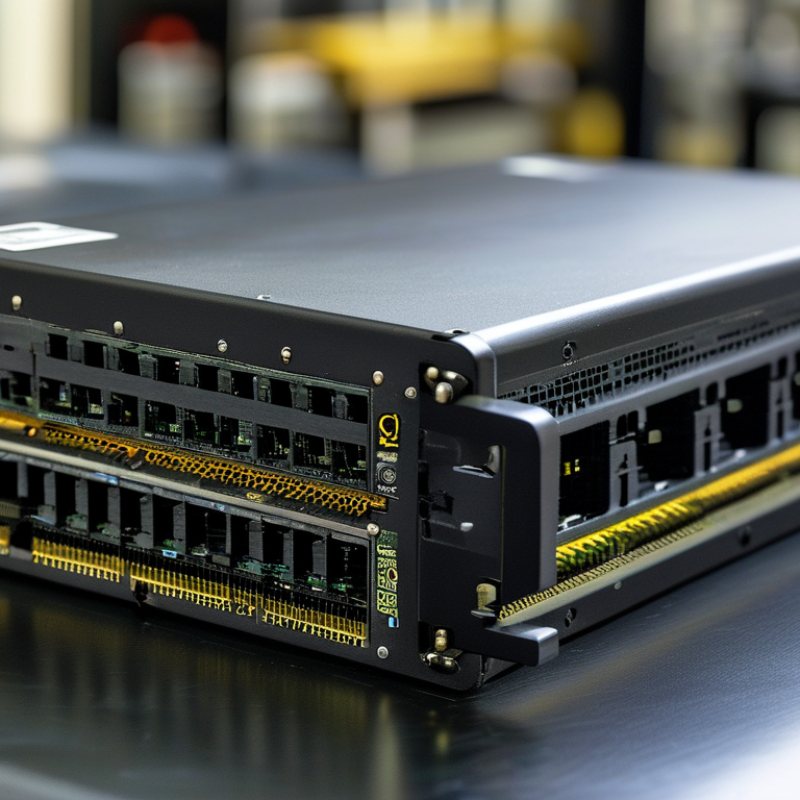
When evaluating QSFP56 transceivers, several key features should be prioritized. First,
data rate is crucial. QSFP56 transceivers
support up to 400 Gbps, enhancing network performance. The Optical Interconnect Society's report states that high-speed connections can lead to efficiency increases of 30%.
Another important feature is distance range.
QSFP56 transceivers typically cover distances from a few meters to several kilometers. Choosing
the right range affects overall network design significantly. For data centers, knowing whether
to opt for short-range or long-range transceivers can save costs and enhance performance.
Tips: Always check for compatibility with existing networks. Evaluate the specifications of
your current equipment to ensure seamless integration.
Power consumption is another vital factor.
Lower power usage not only promotes sustainability but also reduces operational costs. According to
industry analysis, energy-efficient transceivers can cut costs by up to 15%.
Tips: When selecting a transceiver, calculate total power usage over time. This assessment can unveil long-term savings.
Lastly, consider the form factor, which impacts
installation and space. QSFP56 modules can fit into different chassis and systems, improving flexibility.
Understanding your infrastructure's layout aids in making informed decisions.
When selecting QSFP56 transceivers, buyers often seek reliable brands. These devices enable high-speed data transmission. They support various applications, including data centers and high-performance computing. Many models are available, but certain features stand out.
For instance, some transceivers offer impressive reach and data rates. A 400G capability is common, which meets modern bandwidth needs. Compatibility with different networking hardware is crucial. Additionally, thermal management is vital to maintain performance. Poor heat dissipation can lead to failures. Evaluating heat management in the selection process is essential.
Buyers should also consider ease of installation. Some models include user-friendly designs that streamline integration. However, not all come with clear instructions. This can lead to confusion during setup. Identifying products with strong support resources can mitigate these issues. Always read user reviews for insights into real-world performance. Transceivers are a significant investment, so thorough research is vital.
When considering QSFP56 transceivers, performance metrics are crucial. These transceivers aim for high-speed data transfer. Their design supports 200G and focuses on efficiency. The bandwidth capabilities define their performance. Generally, QSFP56 offers a staggering 200 Gbps. Users should understand how bandwidth impacts system performance.
Tips for selection: Look for compatibility with existing hardware. Check the power consumption of each option. Some transceivers are more energy-efficient than others. Reliability is another important factor. Look for transceivers with solid track records.
Different QSFP56 modules may exhibit varying latencies. Testing in real-world scenarios is essential. Users should evaluate heat generation as well. High temperatures can lead to failures. Transceivers with advanced cooling solutions often perform better. Seek user reviews and industry insights for informed decisions.
| Model | Speed (Gbps) | Bandwidth (GHz) | Distance (m) | Connector Type | Optical Mode |
|---|---|---|---|---|---|
| Transceiver A | 200 | 53 | 500 | LC | Multi-mode |
| Transceiver B | 400 | 100 | 100 | QSFP+ | Single-mode |
| Transceiver C | 250 | 70 | 300 | MTP | Multi-mode |
| Transceiver D | 200 | 50 | 400 | LC | Single-mode |
| Transceiver E | 400 | 100 | 150 | MTP | Multi-mode |
| Transceiver F | 200 | 60 | 600 | QSFP+ | Single-mode |
| Transceiver G | 250 | 80 | 350 | LC | Multi-mode |
| Transceiver H | 400 | 120 | 80 | MTP | Single-mode |
| Transceiver I | 200 | 50 | 450 | LC | Multi-mode |
| Transceiver J | 400 | 110 | 120 | MTP | Single-mode |
When choosing QSFP56 transceivers, compatibility is crucial. These devices need to align with existing hardware and networking standards. Key metrics include data rates and reach. The IEEE 802.3 standards recommend varying configurations based on end-user applications. Many buyers overlook these specifications, leading to inefficiencies.
Installation considerations are equally important. QSFP56 transceivers must fit into the designated ports without issues. An improper fit can damage the components or lead to performance drops. According to a report by the Optical Internetworking Forum, up to 30% of system failures stem from poor installation practices. Understanding proper alignment and pressure during the installation process can mitigate these risks.
Documentation can often be a challenge. Clear user manuals enhance the overall experience for buyers and installers alike. Companies in this sector report that 25% of errors arise from misinterpretations of installation guides. This highlights the need for robust training resources. Engaging support teams to facilitate smoother onboarding can be beneficial. There’s room for improvement in the availability of detailed, easy-to-understand documentation.
The demand for QSFP56 transceivers continues to grow, driven by the increasing need for higher data rates in data centers. According to a recent report by the International Data Corporation (IDC), the global market for optical transceivers is expected to reach $10 billion by 2025, with QSFP56 technology playing a significant role. As organizations migrate towards 400G Ethernet, QSFP56 offers reliable solutions for high-bandwidth applications.
Market trends indicate a surge in the adoption of QSFP56, particularly in cloud services and telecommunications. An analysis by MarketsandMarkets estimates that the market share for QSFP56 will increase by 35% annually over the next five years. However, challenges remain. Compatibility issues and standardization continue to pose obstacles to widespread implementation. Users must navigate these complexities to maximize the benefits of QSFP56.
Future developments may include advancements in packaging technology and energy efficiency. Reports suggest that next-generation QSFP56 transceivers could achieve over 500G data rates. This evolution would position them to meet the demands of emerging technologies such as 5G and AI. Industry experts note that while progress is promising, ongoing research and development are essential to tackle existing limitations and ensure reliable performance.
: Data rate is crucial. QSFP56 supports up to 400 Gbps, enhancing overall network performance significantly.
Distance range impacts network design. Options can range from meters to kilometers, influencing costs and performance.
Lower power usage promotes sustainability and reduces operational costs. Energy-efficient choices can save up to 15% in expenses.
Bandwidth capabilities define performance. QSFP56 typically offers 200 Gbps, essential for meeting data transfer demands.
Compatibility with existing hardware and networking standards is vital. Overlooking specifications may lead to inefficiencies.
Proper fit into designated ports is essential. An improper installation can cause damage or performance issues.
Understanding alignment and pressure during installation can reduce mistakes. Training resources are often lacking, needing improvement.
Clear manuals are crucial. Misinterpretation can lead to errors, with 25% of mistakes arising from poor documentation.
Users should seek transceivers with solid reliability records. Testing in real-world scenarios is necessary to assess performance.
High temperatures can cause failures. Transceivers with better cooling solutions tend to perform more reliably in demanding situations.
The article "Top 10 QSFP56 Transceivers for Global Buyers to Consider" provides an insightful overview of essential factors to guide buyers in selecting QSFP56 transceivers. Key features such as data rate, thermal performance, and power consumption are critical for evaluating potential options. The article also explores popular brands and models available in the market, highlighting various performance metrics like speed and bandwidth, which are pivotal for ensuring optimal network efficiency.
Further, compatibility and installation considerations are discussed to help users understand the integration of QSFP56 transceivers into existing systems. Lastly, the article examines market trends and future developments in QSFP56 technology, suggesting that ongoing innovations will enhance connectivity solutions. Overall, it serves as a comprehensive guide for global buyers looking to invest in QSFP56 transceiver technology for their networking needs.

Novafiber