Top 10 100G Optical Transceivers in China for Global Buyers?

Time:2026-07-29 Author:Charlotte
0%

The demand for high-speed data transmission is growing globally. A critical component in this field is the 100G optical transceiver. These devices are essential for modern networks, enabling faster and more reliable communications. As technology evolves, various manufacturers in China are emerging to meet international demands.

In this landscape, identifying the best 100G optical transceivers can be challenging. With numerous options available, buyers must consider factors like performance, compatibility, and pricing. Each transceiver has unique features that make it suitable for different applications. Understanding these attributes helps buyers make informed choices.

Despite advancements, not all products meet expectations. Variability in quality and reliability exists in the market. Buyers should remain alert to these potential issues. Careful research and thorough comparisons will guide them to the top 10 100G optical transceivers in China. These selections reflect the current best offerings for global buyers seeking high-performance solutions.
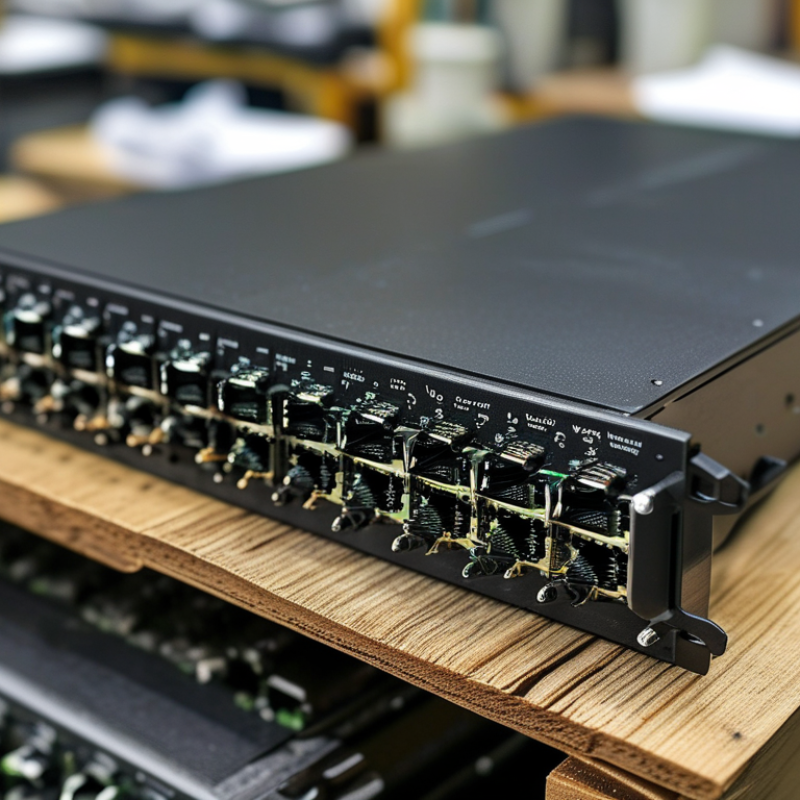
Top 10 100G Optical Transceivers in China for Global Buyers?

Overview of 100G Optical Transceivers in China

The landscape of 100G optical transceivers in China is evolving rapidly. These devices are essential for high-speed data transmission. They cater to various networks, including telecommunications and data centers. China's commitment to developing optical technology has led to the emergence of innovative solutions. Many companies are investing heavily in research and development.

However, challenges persist in achieving global standards and interoperability.

Some key aspects to consider are performance and reliability. Many transceivers offer impressive data rates but may lack stability in certain conditions. It's crucial to evaluate options based on specific network requirements. The market is competitive, with many players aiming for a share. However, not all solutions meet the high expectations for quality. Buyers must conduct thorough assessments. They should focus on technical specifications and user reviews. Understanding potential weaknesses is vital.

Interest in 100G transceivers continues to rise. Global buyers look for reliability and cost-effectiveness. While many products showcase advanced features, some may not deliver under pressure. This calls for an informed decision-making process. Ensuring that the chosen transceiver meets both current and future needs is paramount. Balancing innovation with proven performance is key to success in this dynamic market.

Key Features of 100G Optical Transceivers

In the fast-paced world of telecommunications, 100G optical transceivers stand out. They play a crucial role in enhancing data transmission speeds. These devices come with essential features that ensure efficient and reliable performance.

Key features of 100G optical transceivers include high data rates and low latency. Their ability to transmit large volumes of data quickly is vital for modern networks. Additionally, they often feature advanced error correction. This ensures that data integrity is maintained during transmission. Many devices are also designed for long-range communication. This flexibility makes them suitable for various applications.

Heat management is another critical aspect. Transceivers can generate significant heat, which may affect performance. Hence, efficient cooling solutions are necessary. Interoperability with existing equipment is also important. Some users might find it challenging to integrate new transceivers with older systems. This aspect often requires careful planning and testing. Selecting the right transceiver is not always straightforward. It requires a deep understanding of technical specifications and compatibility issues.

Top Manufacturers of 100G Optical Transceivers in China

China is emerging as a key player in the 100G optical transceivers market. This growth is largely due to advancements in technology and manufacturing capabilities. The country boasts several top manufacturers that are making waves globally. These firms leverage innovative processes to create high-performance transceivers. They cater to the increasing demand for data transmission, especially in telecommunications and data centers.

Tips: When selecting a supplier, consider their production capacity and quality assurance practices. This is vital for ensuring reliable products that meet international standards. Don't overlook customer reviews; they offer insights into the manufacturer's reliability and service quality.

The optical transceiver technology is complex. There are many variations and specifications to comprehend. Some manufacturers focus on specific applications, while others offer a broader range. It's essential to assess whether their products align with your needs. Balancing cost and quality can also be challenging. A thorough evaluation is necessary to make an informed choice.

Tips: Engage in discussions with industry experts to clarify any uncertainties. Their insights can lead to discovering hidden gems in the market. Furthermore, staying updated on the latest trends and technologies can significantly influence your purchasing strategy.

Market Trends for 100G Optical Transceivers Globally

The global market for 100G optical transceivers is experiencing significant growth. According to a report from Research and Markets, the market was valued at approximately $2.5 billion in 2022 and is projected to reach $6 billion by 2028. This growth is driven by increasing data traffic demands from cloud computing and 5G networks.

China plays a crucial role in this market. The country accounted for nearly 30% of the global output last year. A report from LightCounting indicates that the demand for high-speed optical technologies will rise as enterprises upgrade their infrastructure. This shift toward 100G solutions reflects the need for higher bandwidth and low latency in data transmission.

However, challenges remain. Many manufacturers are pressed to balance cost with performance. The rapid evolution of technology can lead to products quickly becoming outdated. There's also a dependency on the semiconductor supply chain, which adds uncertainty. Companies need to adapt strategies that mitigate these risks while meeting market needs effectively.

Guidelines for Selecting 100G Optical Transceivers for Purchase

Choosing the right 100G optical transceiver is crucial for effective networking. Start by considering the form factor that fits your existing network setup. Options like SFP28 and QSFP28 are prevalent, but compatibility is key. Ensure the transceiver matches your equipment's specifications. Also, assess the transmission distance required. Some models excel in short-range connections, while others cater to long distances.

Evaluate the performance specifications thoroughly. Focus on parameters like power consumption, signal integrity, and latency. These elements significantly affect the overall efficiency of your network. Don't overlook the cooling requirements as they can impact the reliability of transceivers in high-density environments.

Finally, consider the vendor's reputation and customer support. Reliable manufacturers offer solid warranties and after-sales services. Look for user reviews and case studies to gauge performance in real-world scenarios. Balancing cost with performance can be challenging, as cheaper options may compromise on quality. As you navigate through options, keep in mind the evolving technology landscape, as this may influence your choice in the near future.

Top 10 100G Optical Transceivers in China for Global Buyers

Rank Transceiver Type Wavelength (nm) Max Distance (km) Connector Type Price (USD)
1 SR 850 300 MTP/MPO 700
2 LR 1310 10 LC 850
3 ER 1550 40 LC 1100
4 ZR 1550 80 LC 1200
5 CWDM 1270-1330 70 LC 950
6 DWDM 1550 120 LC 1450
7 10G-CWDM 1470 40 LC 800
8 MPO 850 100 MTP/MPO 1300
9 Active Optical Cable 850 100 MTP/MPO 1200
10 BiDi 1310/1550 20 LC 650

FAQS

: What are 100G optical transceivers used for?

: They are crucial for high-speed data transmission in various networks like telecommunications and data centers.

Why is the Chinese market for 100G transceivers growing?

Advancements in technology and manufacturing capabilities are driving this growth, making China a key player.

What should buyers consider when selecting transceivers?

Evaluate performance, reliability, technical specifications, and user reviews to ensure suitable product choices.

Are all 100G transceivers reliable?

No, many products may not perform well under pressure. It's essential to assess their stability.

How can one ensure they choose the right supplier?

Consider production capacity and quality assurance practices. Customer reviews provide insights into reliability.

Are there different types of manufacturers for transceivers?

Yes, some focus on specific applications, while others provide a wider range of products.

What challenges exist in the 100G transceiver market?

Achieving global standards and interoperability remains a challenge, impacting product compatibility.

How can industry discussions help potential buyers?

Engaging with experts can clarify uncertainties and highlight lesser-known quality products in the market.

Why is balancing cost and quality important?

Many products exist, but not all meet high expectations. A thorough evaluation helps in making informed choices.

What is a key aspect buyers should keep in mind?

Understanding potential weaknesses of transceivers is vital for making cost-effective and reliable decisions.

Conclusion

The article "Top 10 100G Optical Transceivers in China for Global Buyers" provides a comprehensive overview of 100G optical transceivers, highlighting their significance in modern communication systems. It discusses the key features that set these transceivers apart, such as high data rates, reliability, and energy efficiency, which make them essential for meeting the increasing demands for bandwidth in various industries.

Additionally, the article identifies top manufacturers in China who are leading the production of 100G optical transceivers, alongside insights into current market trends that shape the global landscape. It also offers practical guidelines for selecting the right 100G optical transceiver, ensuring that buyers can make informed decisions that align with their specific needs and future-proof their network infrastructure. Overall, this resource serves as a vital tool for global buyers looking to navigate the competitive market of 100G optical transceivers.

Charlotte

Charlotte

Charlotte is a seasoned marketing professional with a deep understanding of the company's portfolio and a passion for elevating its presence in the market. With a keen eye for detail and a commitment to excellence, she ensures that our professional blog is regularly updated with insightful articles......