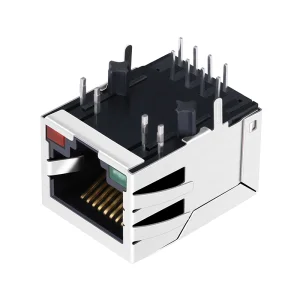
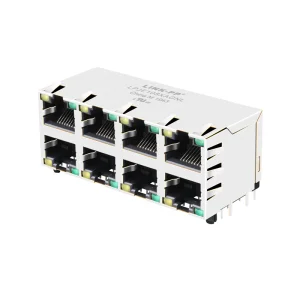
RJ45 Without Magnetics Exporter & Exporters in United Arab Emirates

High-Density, Rugged, and Cost-Effective Board-Level Physical Layer Solutions Optimized for GCC Smart Grid Infrastructure & Data Center Ecosystems

Request Technical Specifications

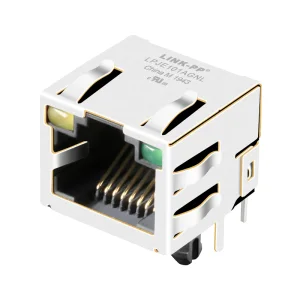
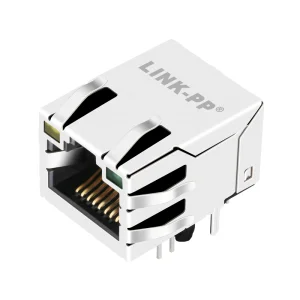
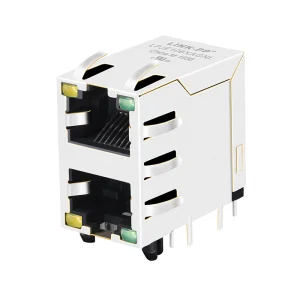
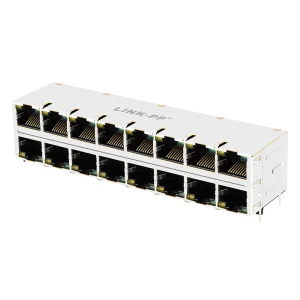
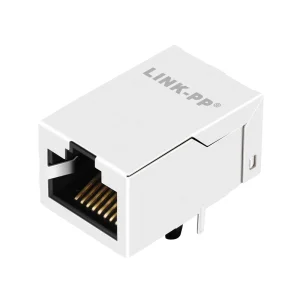
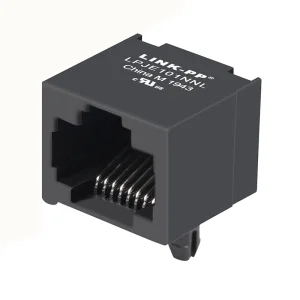
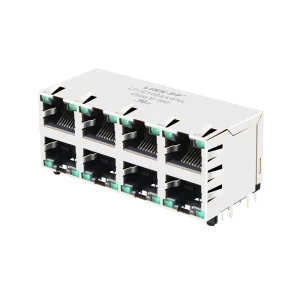
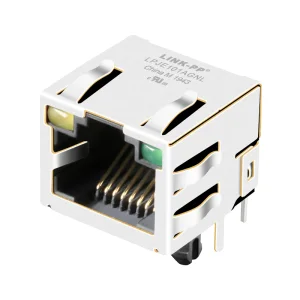
Featured UAE-Compliant Non-Magnetic RJ45 Connectors

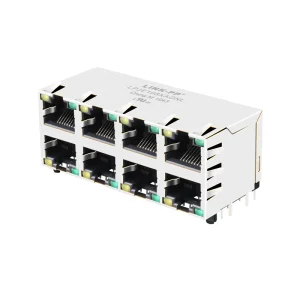
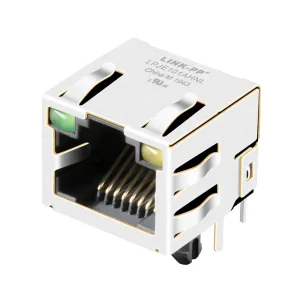
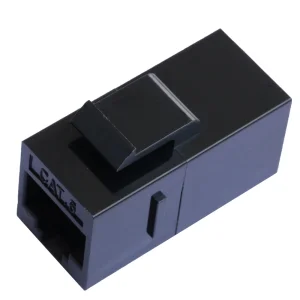
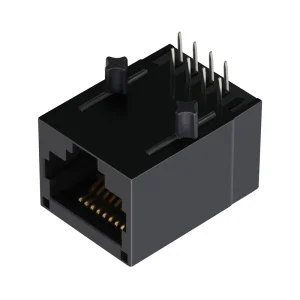
Engineered for high-frequency board designs where isolation magnetics reside directly on the PHY controller PCB. Minimizes cross-talk and optimizes height constraints in extreme Middle Eastern operating conditions.

Whitepaper: Industrial Connectivity & The Non-Magnetic Paradigm in the UAE

1. The UAE Technological Landscape & High-Temp Industrial Environments

The United Arab Emirates (UAE), spearheaded by Abu Dhabi’s Economic Vision 2030 and Dubai’s Industrial Strategy 2030, has established itself as the premier digital infrastructure hub of the Middle East. With massive investments in Edge AI data centers, industrial SCADA networks, and IoT-driven smart grids, the demand for highly reliable physical layer (PHY) components is at an all-time high.

However, the Arabian Peninsula presents extreme environmental challenges. Ambient temperatures exceeding 50°C during peak summer, combined with high relative humidity and fine particulate dust, require network hardware that can manage heat dissipation efficiently. Traditional RJ45 connectors with integrated magnetics (MagJacks) encapsulate ferrite cores inside a small plastic housing. In extreme ambient heat, this encapsulation limits airflow and hinders heat dissipation from the PHY transceiver, leading to insertion loss degradation and eventual network downtime.

By utilizing **RJ45 without magnetics** (non-magnetic connectors), hardware engineers in the UAE can design circuits where the magnetic isolation transformers are placed discretely on the main PCB board. This architecture allows designers to leverage dedicated thermal pads, copper pours, and heatsinks to dissipate heat from both the silicon PHY and the discrete transformer, assuring continuous high-speed performance across critical infrastructure projects.

-40/+85
Operating Temp (°C)
1500V
Dielectric Isolation
50μ"
Gold Plating Thickness
90W
PoE++ Comp. Limit

2. Technical Roadmap & Future Outlook of RJ45 Non-Magnetic Connectors

As communication architectures evolve toward Multi-Gigabit Ethernet (2.5G, 5G, and 10G Base-T), high-frequency signal integrity has become highly sensitive to parasitic capacitance and impedance mismatch. The technical roadmap of RJ45 connectors without magnetics focuses on three pillars:

  • Extended EMI/RFI Shielding: Next-generation non-magnetic jacks implement multi-point grounding tabs (shielding fingers) on the outer metal shell. This design guarantees low impedance paths to the system chassis, shielding high-frequency signals against electromagnetic interference common in dense industrial environments.
  • Support for High-Wattage PoE++ (IEEE 802.3bt): Delivering up to 90W of power over standard Ethernet cables generates thermal stress. Since non-magnetic RJ45 connectors do not contain internal transformer windings, they are immune to magnetic core saturation caused by DC balance currents. This allows for long-term reliable PoE delivery in remote CCTV and wireless access point networks across Abu Dhabi and Dubai.
  • Vertical Space Optimization: Modern network interfaces demand low-profile vertical and right-angle orientations. Removing magnetics from the RJ45 housing reduces its physical volume, enabling developers to build extremely thin blade servers and space-constrained smart-city edge hardware.

Engineering Insight: Discrete vs. Integrated Magnetics

Designing with discrete components provides complete control over isolation barrier placement. While integrated MagJacks offer a quick plug-and-play solution, discrete layouts utilizing non-magnetic RJ45 connectors permit specialized routing of high-speed differential pairs (TX/RX) directly into the PHY, minimizing cross-talk and allowing custom ESD protection diode placement directly at the port entry.

3. Macro-Industry Solutions: Telecom, Oil & Gas, and Urban Transit

The implementation of non-magnetic RJ45 jacks spans several macroeconomic segments in the Middle East region:

  • Oil & Gas Telemetry: In offshore platforms and refineries (such as ADNOC installations), explosion-proof and intrinsically safe enclosures demand extremely high electrical isolation. Non-magnetic connectors allow engineers to integrate custom galvanically isolated barriers that meet ATEX and IECEx specifications on the PCB board level.
  • Smart City CCTV and Public Safety: Dubai's extensive CCTV camera networks require consistent Gigabit connectivity under direct solar radiation. The physical simplicity of RJ45 jacks without transformers increases Mean Time Between Failures (MTBF) compared to integrated magnetics which are susceptible to internal wire bonding failure under thermal cycling.
  • Metro and Railway Systems: Rail transit systems (like the Dubai Metro) experience constant vibration. Through-hole (THT) RJ45 connectors without magnetics offer high mechanical anchoring strength, protecting solder joints from structural fatigue.

4. Localization Support, Import Standards, and Compliance in the GCC

Importing networking hardware and component-level electronics into the UAE and Saudi Arabia requires strict adherence to international and regional standardization bodies. Our manufacturing lines comply fully with:

  • Saber Platform & ESMA Standards: We provide full technical documentation and certificates of conformity (CoC) to facilitate smooth customs clearance through Jebel Ali Port and Dubai International Airport.
  • RoHS & REACH Compliance: All plastics, copper alloys, and plating materials utilized in our RJ45 connectors are free from hazardous substances, conforming to environmental preservation protocols.
  • UL 94V-0 Flammability Rating: The thermoplastic housing material is self-extinguishing, ensuring fire safety in commercial data centers and heavy industries.

China Factory 4.0: Supply Chain Resilience & Manufacturing Excellence

Under the management of Novafiber Communications Co., Ltd., we combine cutting-edge manufacturing with rigorous testing to supply global enterprise clients.

Founded in 2016, Novafiber has developed strong engineering and manufacturing capabilities with a modern production facility covering approximately 420㎡. With over 9 years of industry experience and 7 years of export experience, our brand represents reliability in the global networking market.

Novafiber generates an annual export revenue of approximately USD 8.5 million, serving customers across North America, Europe, Southeast Asia, and the Middle East. The company maintains a flexible and efficient supply chain network with more than 1,200 supply chain partners, enabling stable mass production and fast delivery.

The company employs 65 quality inspection personnel and follows strict quality control systems, including IPC standards, automated optical testing, and environmental stress screening (ESS). Product inspection methods include 100% functional testing, burn-in testing, and high-temperature aging tests to ensure long-term reliability.

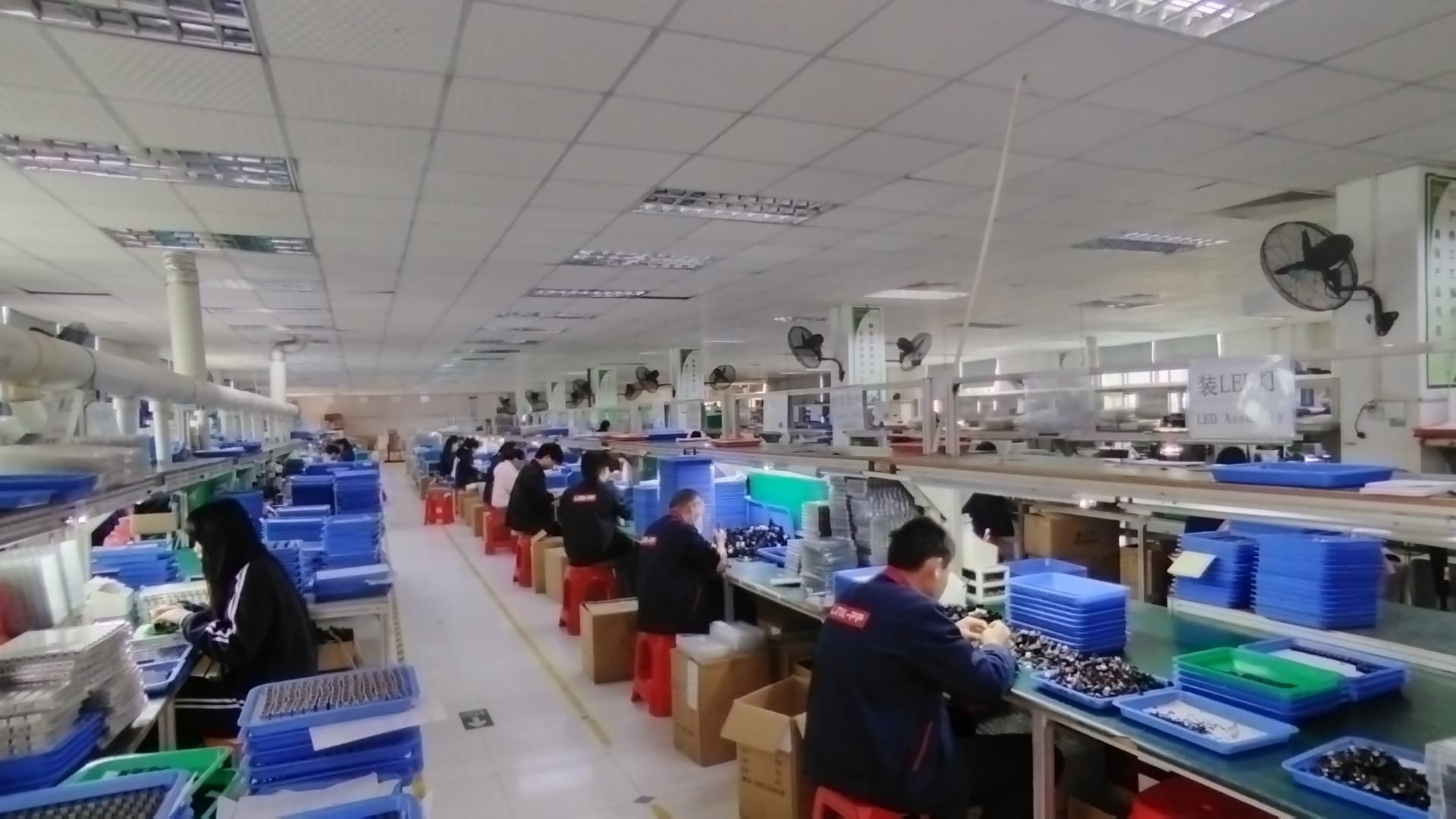
Novafiber Automated Assembly Line for Non-Magnetic Connectors
SMT Assembly Line

Precision insertion and solder-pasting systems.
Optoelectronic Testing and Validation Facility
Testing & Validation

Signal analyzer tests and high-frequency parameter checks.

Component Inspection Lab
Quality Control Lab

Strict structural integrity and durability assessment.
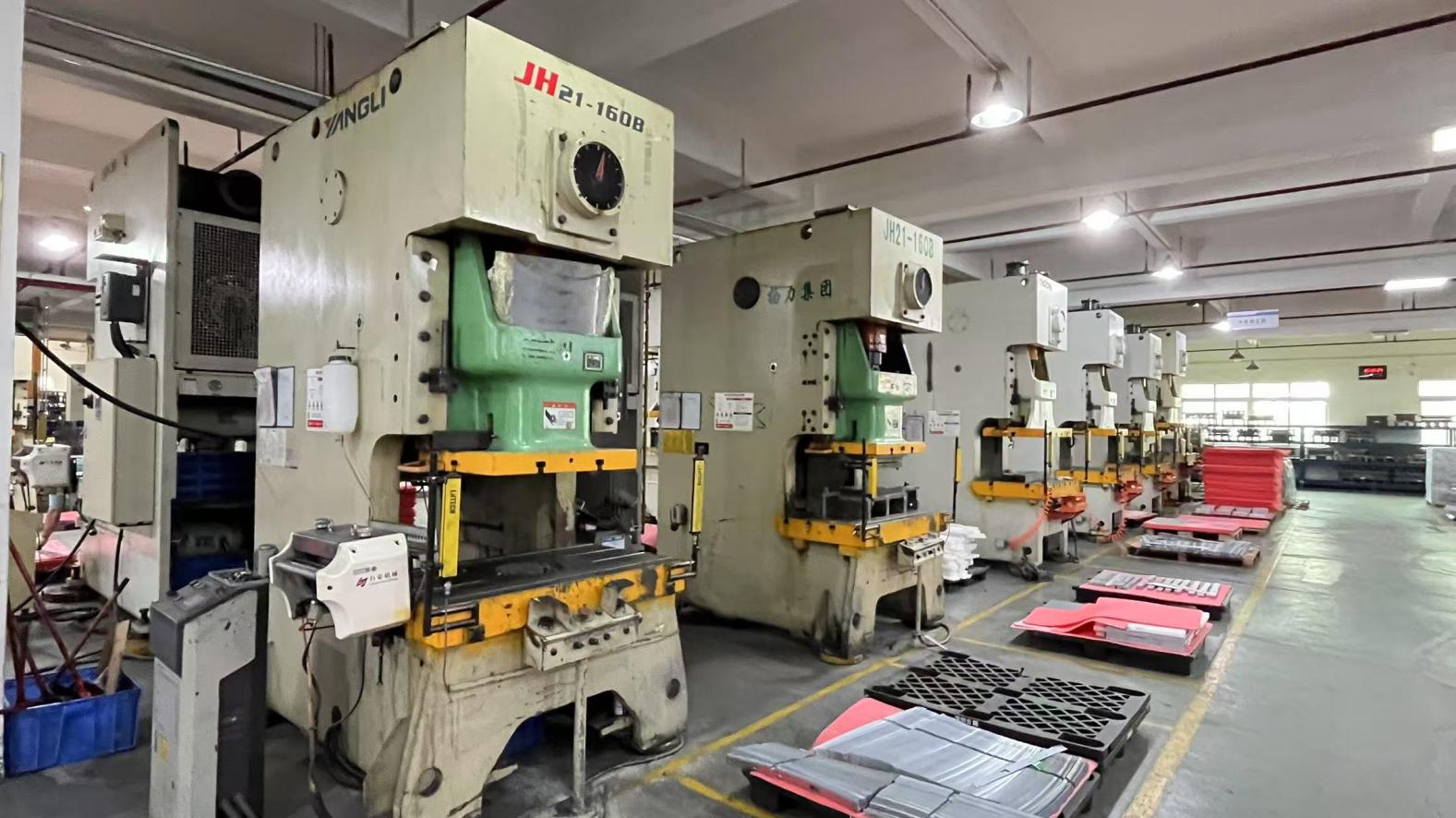
Warehouse and Logistics Center
Logistics Hub

Export packaging and global order fulfillment systems.

Technical FAQ & Procurement Guide

Answers to crucial engineering and import questions related to non-magnetic RJ45 connectors in the Middle East region.

What is the core difference between an RJ45 with magnetics and without magnetics? +
An RJ45 with magnetics (MagJack) contains internal isolation transformers and common mode chokes inside its metal shield. An RJ45 without magnetics is simply a physical connector containing contact pins and shielding. Using a non-magnetic connector requires placing discrete magnetics on the main PCB board. This provides physical design flexibility, easier thermal dissipation management, and optimized board thickness.
Why is discrete magnetics preferred in high-temperature environments like the UAE? +
In hot climates like Dubai or Abu Dhabi, heat trapped inside integrated MagJacks can degrade signal performance and cause premature failure of the fine copper wires inside the transformer. By separating the connector from the magnetics, engineers can place thermal vias, heat sinks, and wide copper planes around the discrete transformer on the PCB, increasing operational reliability and physical product lifespan.
Can non-magnetic RJ45 connectors support Power over Ethernet (PoE/PoE++)? +
Yes, non-magnetic RJ45 connectors are fully compatible with PoE, PoE+, and PoE++ up to 90W. Since they contain no internal transformers, there is no risk of magnetic saturation within the connector housing. The power injection and isolation magnetics are handled externally on the board, allowing for specialized copper tracing designed to support higher currents.
What certifications are provided for customs clearance in the UAE and GCC? +
We provide full documentation required for Middle East customs, including RoHS compliance reports, REACH declarations, UL flammability ratings, and certificates of origin. Where required, we assist local importers in registerting products on the Saber platform and complying with ESMA regulations.
What is the lead time for mass-production shipping to Jebel Ali Port, Dubai? +
Standard manufacturing lead times are 2 to 3 weeks from order confirmation. Thanks to our partnerships with global freight forwarders and our close proximity to shipping hubs in southern China, transit to Jebel Ali Port, Dubai generally takes 12 to 18 days via sea freight, and 3 to 5 days via air express.