Featured physical layer components, transceivers, and connectivity hardware supporting modern high-bandwidth enterprise networks.
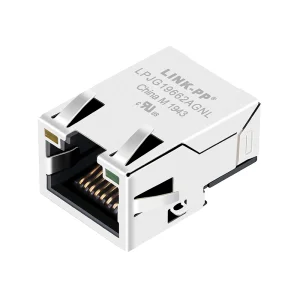
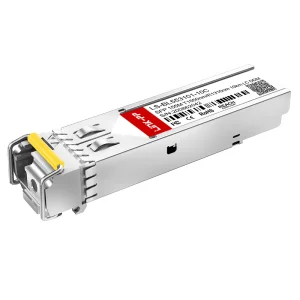
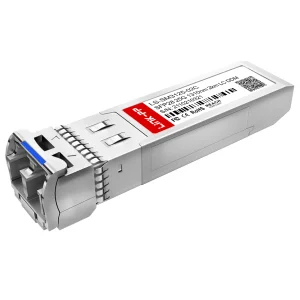
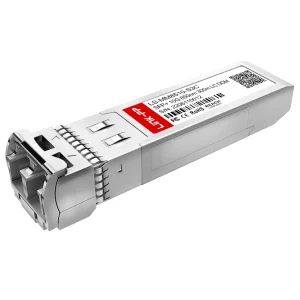
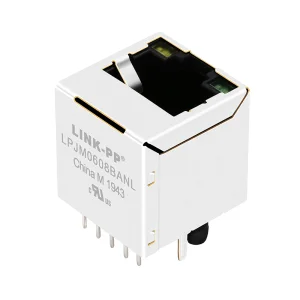
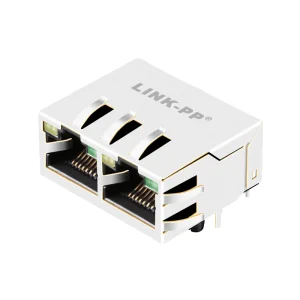
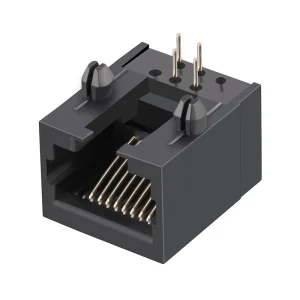
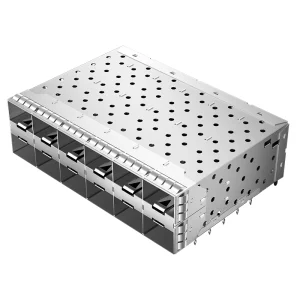
In high-speed physical layers (PHY), from Category 6A (Cat6A) to Category 8 (Cat8), connectivity components serve as the critical termination points for network media. The traditional manual punch-down process, utilizing standard impact tools on 110-style insulation displacement contacts (IDC), is prone to termination variance, mechanical stress on twisted pairs, and impedance mismatches. To eliminate these physical discrepancies and reduce deployment latency, enterprise networks are moving towards toolless RJ45 connectors.
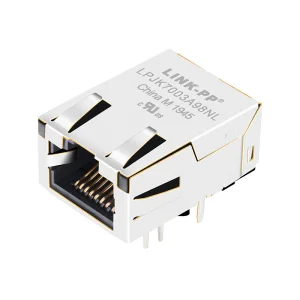
A toolless RJ45 connector utilizes an integrated mechanism (typically a hinged lever, sliding cap, or butterfly system) to drive the conductors into the IDC slot simultaneously. This configuration applies uniform pressure across all 8 pins, optimizing NEXT (Near-End Crosstalk), FEXT (Far-End Crosstalk), and Return Loss parameters. For network engineers and procurement managers, adopting toolless architectures reduces deployment labor and supports high-performance PoE++ (Power over Ethernet, IEEE 802.3bt Type 4) applications up to 90W without electrical arcing damage at contact points.
The reliability of toolless RJ45 connectors relies on their internal material design and structural layout. Leading suppliers focus on several technical specifications to ensure durability and maintain network up-time:
High-frequency data channels (specifically 500MHz to 2000MHz) require robust shielding. Zinc-alloy housings provide 360-degree EMI/RFI suppression, which is critical for mitigating Alien Crosstalk (ANEXT) in high-density patch environments.
To resist corrosion and prevent oxidation-induced attenuation, high-end connectors use 50-microinch gold plating over nickel on phosphor bronze pins. This ensures solid connections over hundreds of insertion cycles.
Toolless termination caps feature integrated wire guides that position conductor pairs with minimal untwisting. This design helps maintain structural integrity close to the contact point, satisfying strict TIA/EIA-568.2-D requirements.
By implementing a pre-aligned layout, toolless jacks control the length of untwisted copper lines. Standard RJ45 terminations often suffer from variable wire untwisting, which can degrade Return Loss and lead to packet re-transmission. Integrated toolless caps limit untwisting to under 1/8 inch, providing stable parameters across large installations.
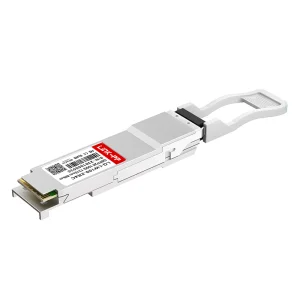
Enterprise sourcing strategies are shifting toward vendors that offer high-volume production, global compliance certifications, and reliable local support. In the modern datacenter sector, the rapid growth of AI computing, hyper-scale cloud nodes, and edge distribution nodes has increased the demand for reliable copper physical connections. These components are used alongside high-bandwidth transceivers (such as SFP28, QSFP28, and copper SFP modules) to connect various hardware, out-of-band management controllers, and storage elements.
B2B procurement teams must assess supplier capability based on production yield, quality-assurance frameworks (such as automated optical inspection and high-temperature burn-in testing), and raw material traceability. For international operators, establishing contracts with suppliers that have diversified logistics paths, local regional stock points, and comprehensive technical support teams helps mitigate supply chain risks and minimize project delays.
An in-depth review of leading manufacturers worldwide, evaluated on engineering capacity, product range, and quality assurance processes.
Founded in 2016, Novafiber has developed strong engineering and manufacturing capabilities with a modern production facility covering approximately 420㎡. With over 9 years of industry experience and 7 years of export experience, the company has built a solid reputation in the global optical and network communication market.
Novafiber generates an annual export revenue of approximately USD 8.5 million, serving customers across North America, Europe, Southeast Asia, and the Middle East. The company maintains a flexible and efficient supply chain network with more than 1,200 supply chain partners, enabling stable mass production and fast delivery. The company employs 65 quality inspection personnel and follows strict quality control systems, including IPC standards, automated optical testing, and environmental stress screening (ESS).
Novafiber's R&D team consists of 180 experienced engineers, supporting advanced development of high-speed modules and interface connections. The company demonstrates strong innovation capability with 320 new product releases in the past year, covering solutions from 1G to 800G optical transceivers, DAC/AOC cables, and custom structural copper components. Customization is a key strength of Novafiber, offering flexible OEM/ODM services, including protocol adaptation, wavelength tuning, firmware customization, branding, and packaging solutions.
CommScope is a prominent provider of infrastructure solutions for communications networks. Through its SYSTIMAX portfolio, the company manufactures high-performance toolless RJ45 outlets, including the GigaSPEED XL and GigaSPEED X10D series. These modules are engineered with internal crosstalk compensation technology to ensure performance over long cabling runs.
Their proprietary engineering focuses on minimizing return loss and crosstalk at high frequencies, making them suitable for large-scale enterprise rollouts and mission-critical data center infrastructures.
Panduit is recognized for its physical infrastructure and connectivity products. The Mini-Com TX6A-ESD Toolless RJ45 Jack Module is a key component in their copper networking product line. It features a forward-terminating closure system that minimizes wire untwisting and simplifies field installation.
Their products are popular in automated industrial settings and structured patch panels where density and EMI shielding are crucial requirements.
Leviton Network Solutions provides copper and fiber structured cabling systems. Their Atlas-X1 Cat 6A Toolless Keystone Jack features an internal shutter mechanism and an robust zinc housing. This design is engineered to support clean signals in environments with high EMI.
The Atlas-X1 design allows for tool-free terminations, reducing installation times while maintaining performance levels across different deployment scales.
Belden manufactures signal transmission solutions for mission-critical applications. Their REVConnect connectivity system utilizes an innovative termination method where the cable core is prepared and terminated once to a universal core cap. This cap then connects to various outer jacks, including RJ45 toolless options.
The REVConnect system simplifies field terminations, reducing rework rates and improving the reliability of signal transmission paths.
Schneider Electric provides energy management and automation solutions. Through the Actassi line, the company designs and manufactures toolless RJ45 connectors featuring one-piece designs. These connectors are easy to terminate and align with green building standards.
Their network hardware is designed to integrate into smart building building management systems (BMS), ensuring robust edge connections for IoT sensors, access control systems, and IP cameras.
Metz Connect specializes in communication and control systems. Their product range includes the E-DAT module and C6Amodul series, which are fully shielded, toolless zinc die-cast connectors. These modules are certified to Cat6A component standards by independent testing laboratories like GHMT.
Their robust construction makes them suitable for harsh industrial applications and public infrastructure projects where long mechanical service life is essential.
Siemon manufactures high-performance IT infrastructure solutions. The Z-MAX copper cabling system utilizes a toolless termination outlet that combines short termination times with consistent performance levels. The system features a linear termination module to guide conductor routing.
Siemon Z-MAX outlets are engineered to support high-density configurations, allowing up to 48 ports in a 1U patch panel space for data center installations.
Legrand is a global specialist in electrical and digital building infrastructures. Under their LCS3 cabling line, they offer Cat6A and Cat8 toolless RJ45 connectors with quick-connect features. The design utilizes a toolless termination lever that locks with an audible click, confirming proper termination contact.
This design helps install teams verify terminations quickly, resulting in consistent transmission margins across large commercial installations.
R&M is a developer and provider of cabling systems for high-quality network infrastructures. Their FM45 field-mountable RJ45 plug is a versatile toolless connector used in the industry for IP security deployments and direct-attach networks. It terminates both solid and stranded copper lines within seconds.
R&M components are designed with high margin tolerances, meeting ISO/IEC 11801 Class EA standards for critical backbone links.
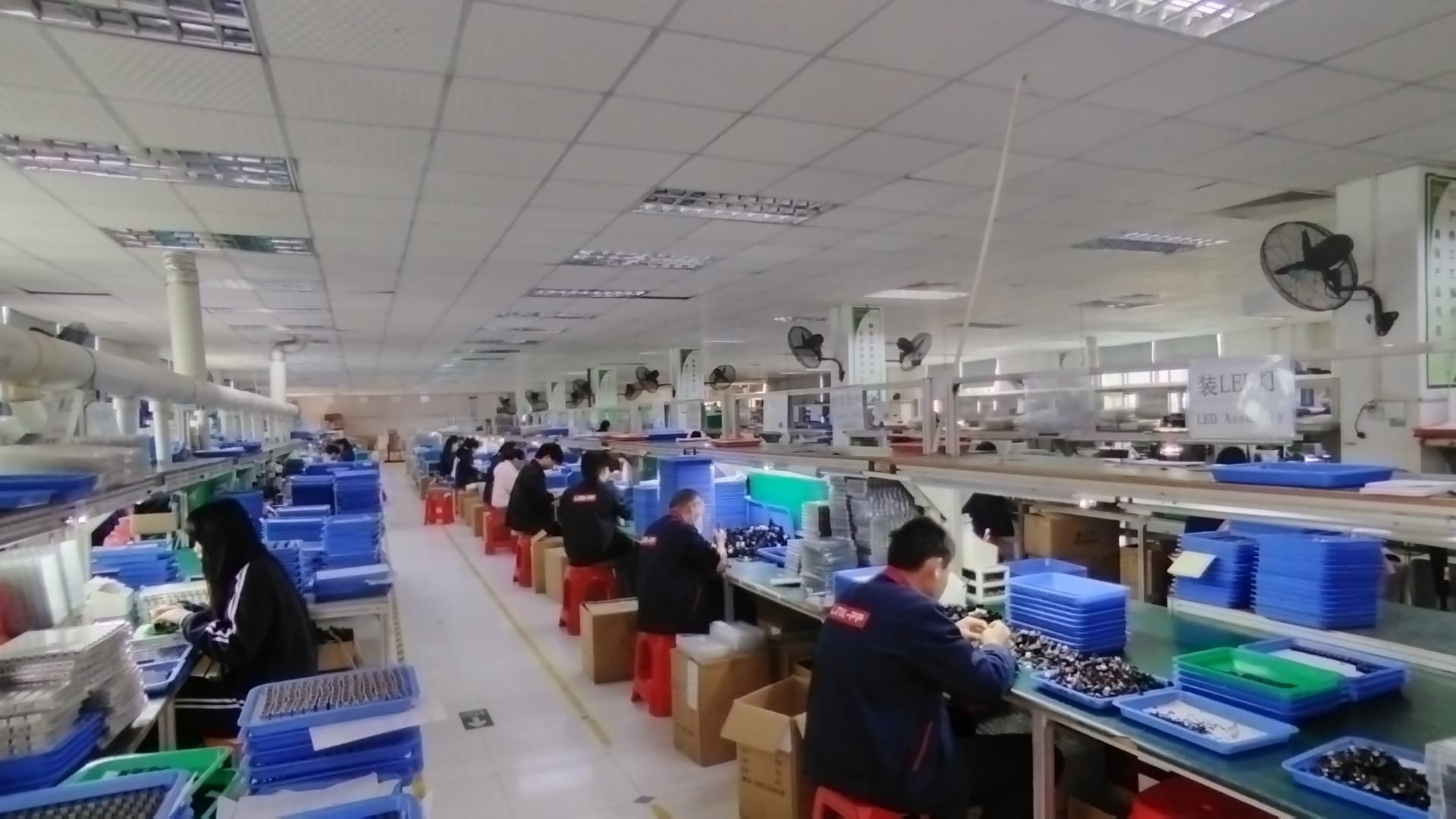
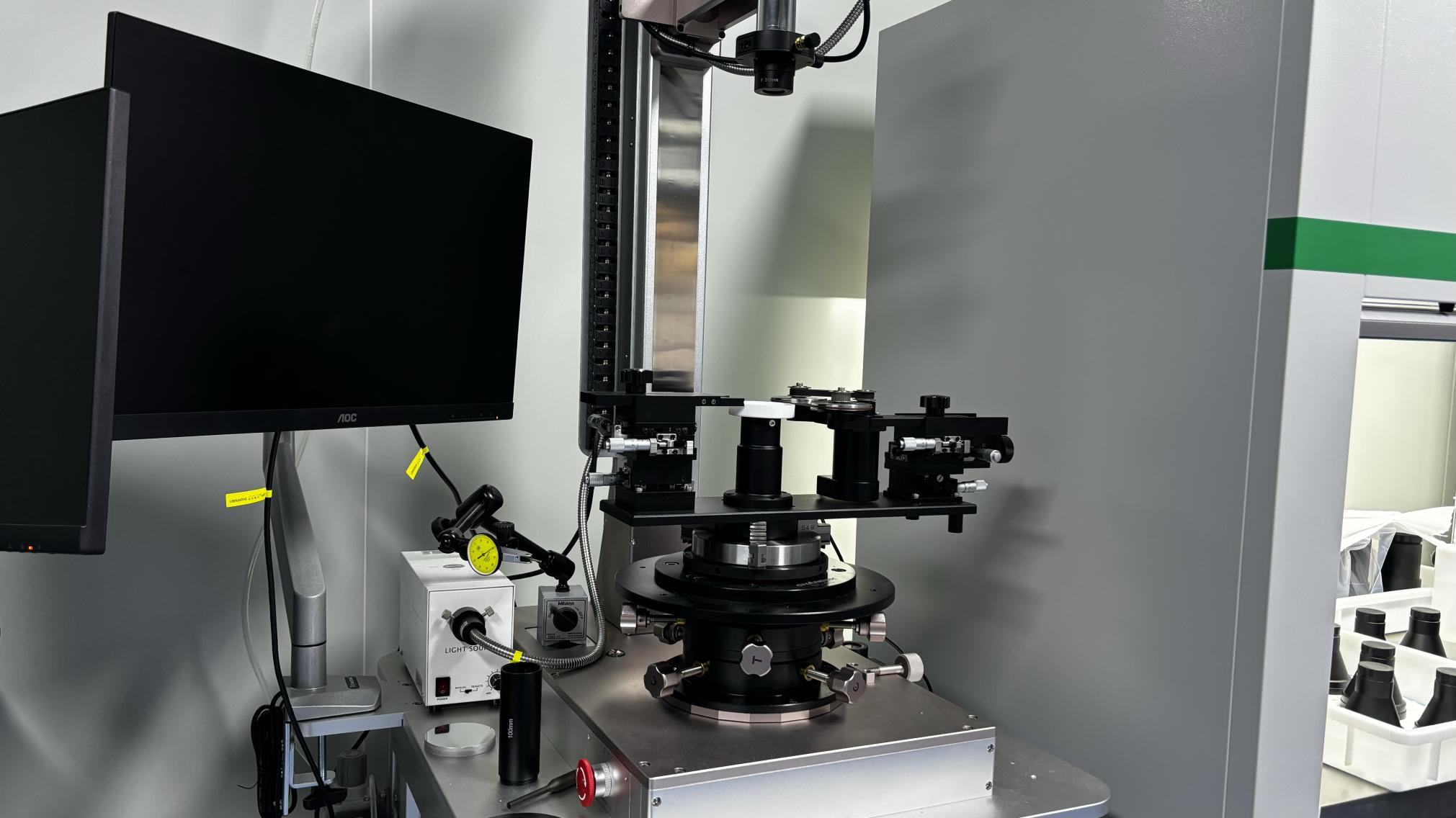
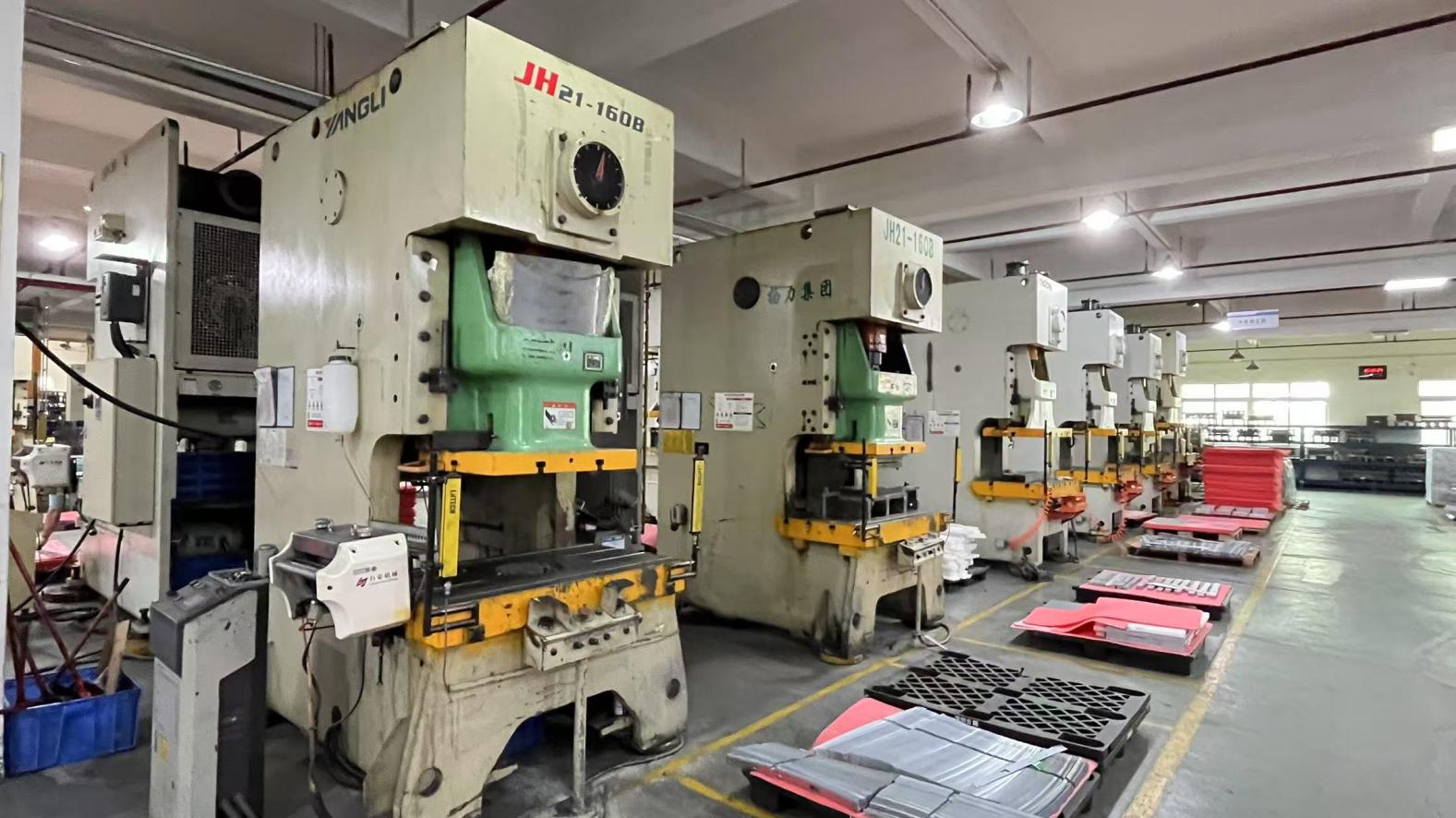
Our production facilities employ advanced optical inspection, ISO-compliant workflows, and cleanroom packaging to deliver reliable communication components.

In modern enterprise environments, networking networks are rarely uniform. High-density server platforms use multi-gigabit copper interconnects, while core switches and distribution networks rely on single-mode and multimode fiber links. To bridge these systems, designers use hybrid patch schemes where fiber transceivers (such as 10G SFP+ or 25G SFP28 units) are paired with copper connectivity components in the same server enclosures.
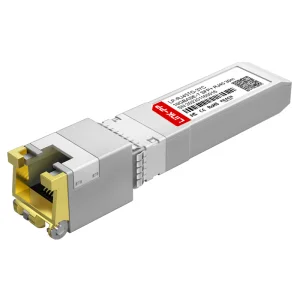
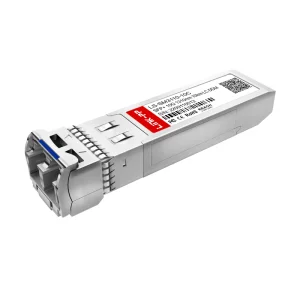
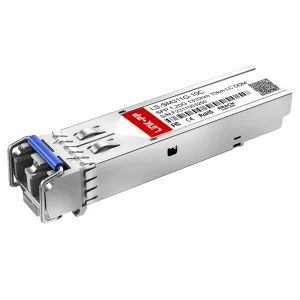
For example, a high-performance compute rack might use SFP-10G-T-X copper transceiver modules to interface with copper switches, and LC SMF optical modules for uplink paths. In this setup, toolless RJ45 connectors provide critical out-of-band management and control paths. By implementing field-terminated copper links, installers can customize cable lengths to fit specific cabinet layouts, improving airflow and routing design.
As networks evolve towards higher bandwidths, Cat8 copper architectures are increasingly used for Top-of-Rack (ToR) switch-to-server connections, supporting up to 25Gbps and 40Gbps speeds over 30-meter distances. The next generation of toolless connectors is engineered to meet these stricter requirements, featuring advanced shielding paths and improved IDC components to prevent high-frequency crosstalk.
At the same time, Single Pair Ethernet (SPE, 802.3cg) is gaining ground in building automation and IoT applications. SPE simplifies connections down to a single pair of copper wires, transmitting both data and power over long distances. Future toolless connectors will adapt to support both SPE and traditional multi-pair configurations, helping organizations build flexible physical layers ready for next-generation network hardware.
To ensure consistent performance across all ports, physical layer components must meet rigorous testing and validation standards. Large-scale enterprise and public works projects require products with third-party verification to confirm their quality. Component-level compliance certificates from independent testing firms like GHMT or ETL verify that a connector meets performance standards on its own, regardless of the brand of cable or patch panels used.
For industrial applications, the environmental and electrical characteristics of toolless RJ45 systems must be tested against specific parameters:
Answers to common questions from technical leads and purchasing departments evaluating toolless RJ45 connectors and high-speed network interfaces.
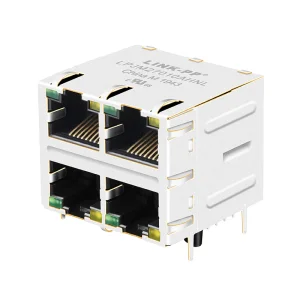
Complete your hybrid structured cabling deployments with our selection of shielded connectors, cages, and optical transceiver solutions.
 Novafiber