Why off-the-shelf networking cables fail in mission-critical deployments and how enterprise procurement must adapt to modern environmental stressors.
In the era of Industrial IoT (IIoT), automation, and edge-native AI processing, the physical layer remains the most vulnerable point of failure. Standard commercial patch cords are built for climate-controlled data centers, where mechanical stress is virtually absent. When deployed in manufacturing cells, petrochemical facilities, or mobile defense platforms, they quickly succumb to mechanical fatigue, chemical corrosion, electromagnetic noise, and thermal shock.
For global enterprise buyers and systems engineering divisions, procurement is not merely an acquisition of copper wire; it is a mitigation of operational risk. Field downtime is measured in thousands of dollars per minute. A robust, custom-engineered cabling infrastructure ensures signal integrity, preserves data throughput, and safeguards capital machinery. By partnering with a qualified OEM supplier, engineering teams can tailor shielding, conductor gauges, and outer jacket materials to match exact mechanical envelopes and mechanical configurations.
To address these structural issues, this whitepaper examines the key variables of rugged cable design, mapping material technology to real-world industrial environments. It outlines critical decisions in selecting conductor structure, shielding effectiveness, and mechanical jackets, enabling procurement professionals to secure supply chains while minimizing total cost of ownership (TCO).
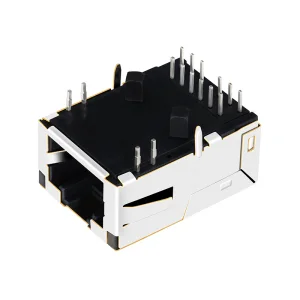
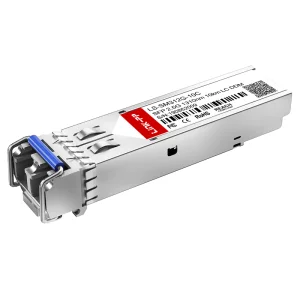
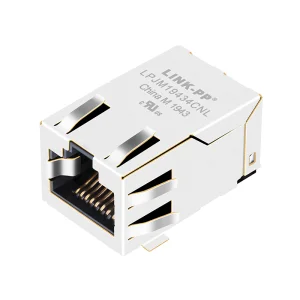
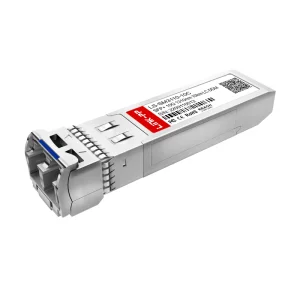
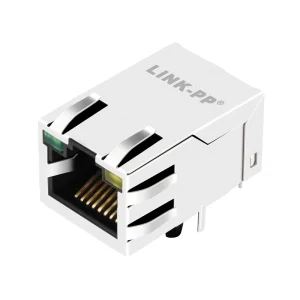
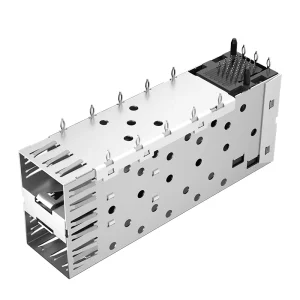
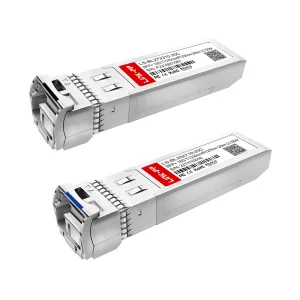
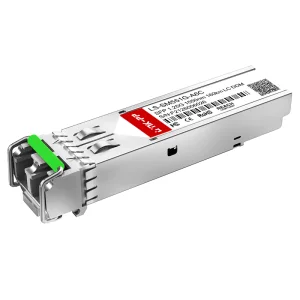
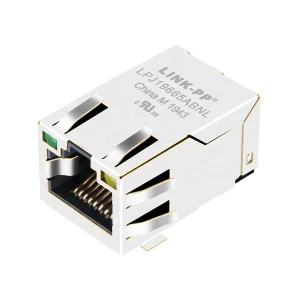
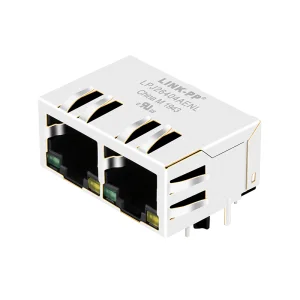
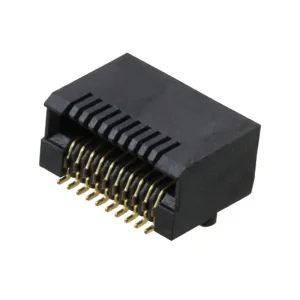
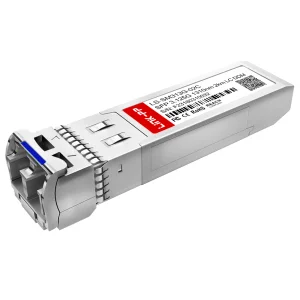
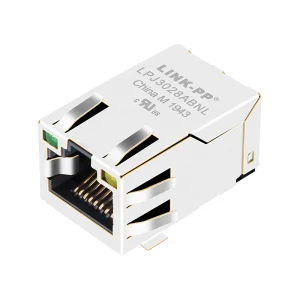
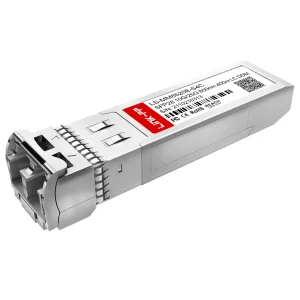
High-performance transceivers, rugged RJ45 connectors, and low-profile modular jacks built for continuous operation.
How customized physical layer infrastructure addresses extreme environments across multiple industrial sectors.
Continuous flex, torsion-resistant PUR cables are engineered to withstand millions of bending cycles in multi-axis robotic arms. Supported by integrated high-density SMT RJ45 modular jacks, these solutions eliminate signaling issues caused by mechanical vibration and EMI in motor control loops.
Corrosive salt spray and chemical hydrocarbons dissolve standard insulation materials. Custom-engineered double-shielded cables with specialized LSZH or fluoropolymer jackets ensure chemical inertness, water tightness (IP68), and reliable operation in onshore and offshore applications.
Tactical deployable systems require rapid reel-out/reel-in durability, ultra-wide temperature ranges (-55°C to +125°C), and resistance to physical pressure. Leveraging heavy shielding and rugged field-terminable shell housings, these networks maintain gigabit speeds under severe battlefields and extreme weather conditions.
A deep dive into materials science, shielding mechanics, and high-frequency performance standards.
Creating a true ruggedized ethernet assembly requires strict attention to material science and electrical parameters. At the core, high-purity oxygen-free copper (OFC) conductors (ranging from 22 AWG for long runs to 26 AWG for flexible patch cords) are selected to balance insertion loss with mechanical flexibility. The choice of insulation material—solid Polyolefin, fluorinated ethylene propylene (FEP), or cross-linked polyethylene (XLPE)—directly impacts the dielectric constant and high-frequency attenuation.
Industrial spaces are filled with electromagnetic interference (EMI) from variable frequency drives (VFDs), welding equipment, and power lines. To combat this, rugged Ethernet cables utilize a multi-layered shielding strategy:
The outer jacket serves as the primary barrier against physical damage. We customize jacket selections based on specific application profiles:
Excellent resistance to abrasion, tearing, and micro-organisms. Ideal for dynamic flex applications, oil exposure, and outdoor environments.
Required for public transit, aerospace, and confined structures. Emits low toxicity and zero halogens when exposed to extreme heat or open flames.
Provides reliable chemical resistance and maintains physical integrity across temperature ranges from -200°C up to +200°C.
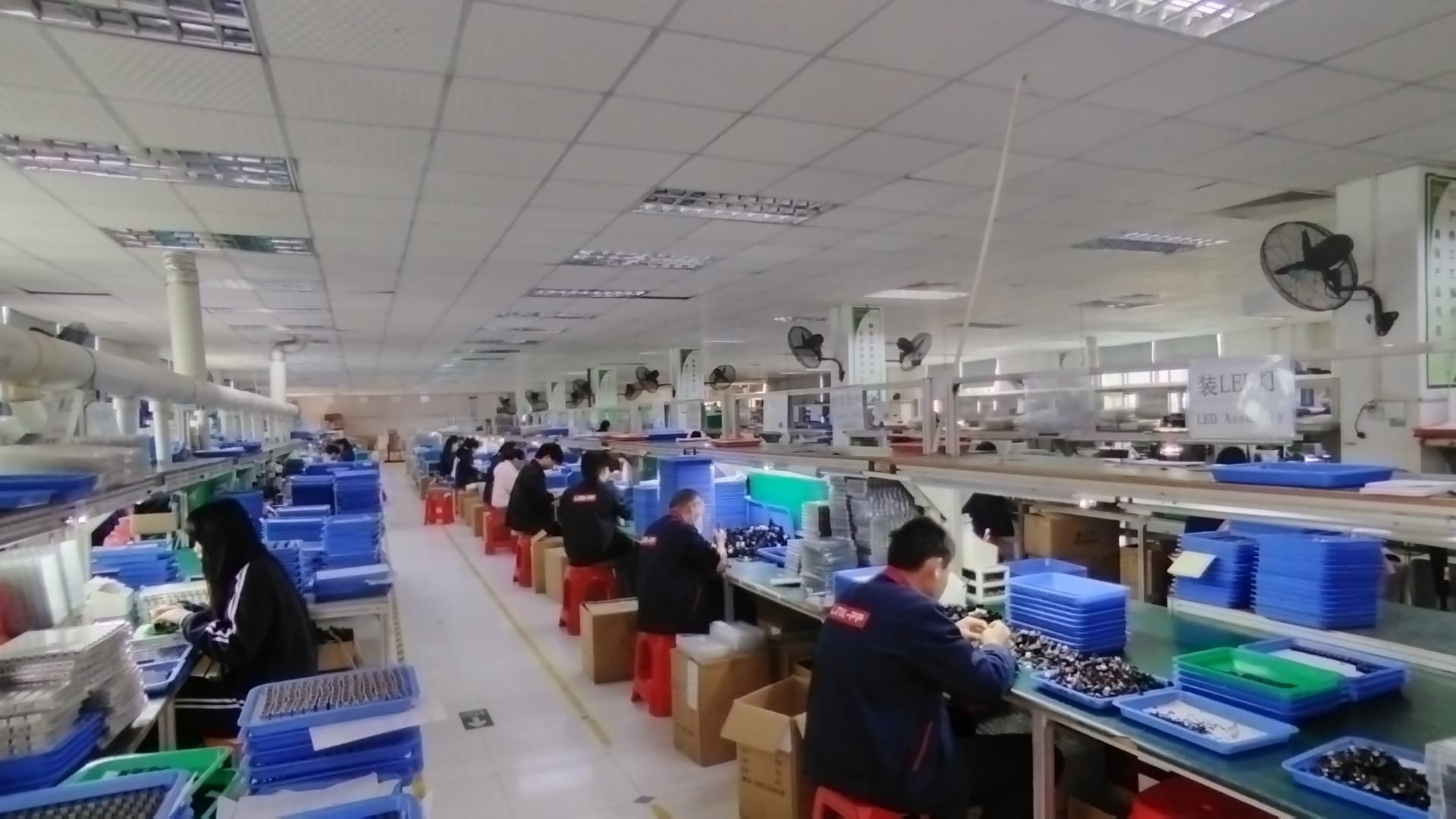
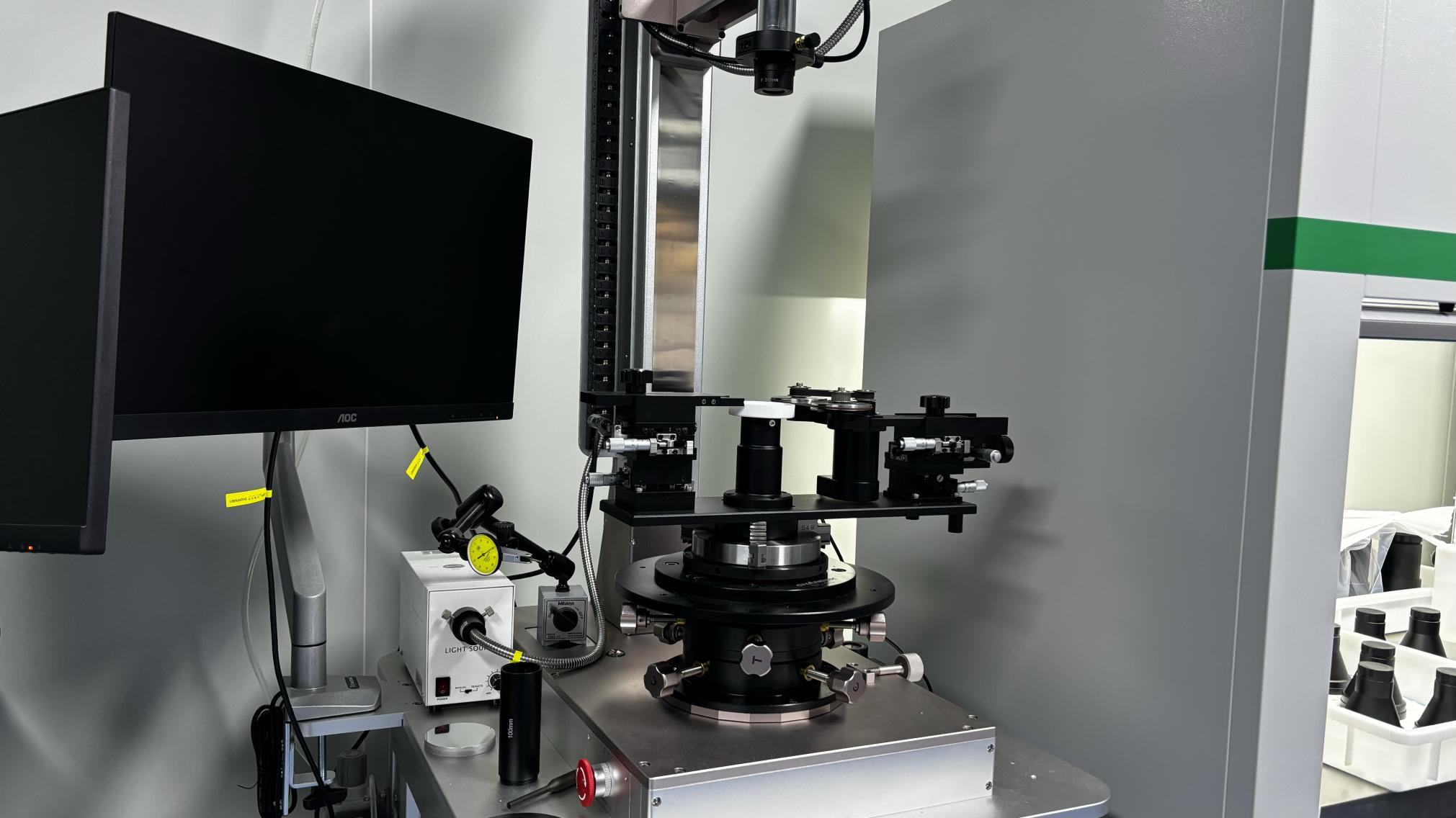
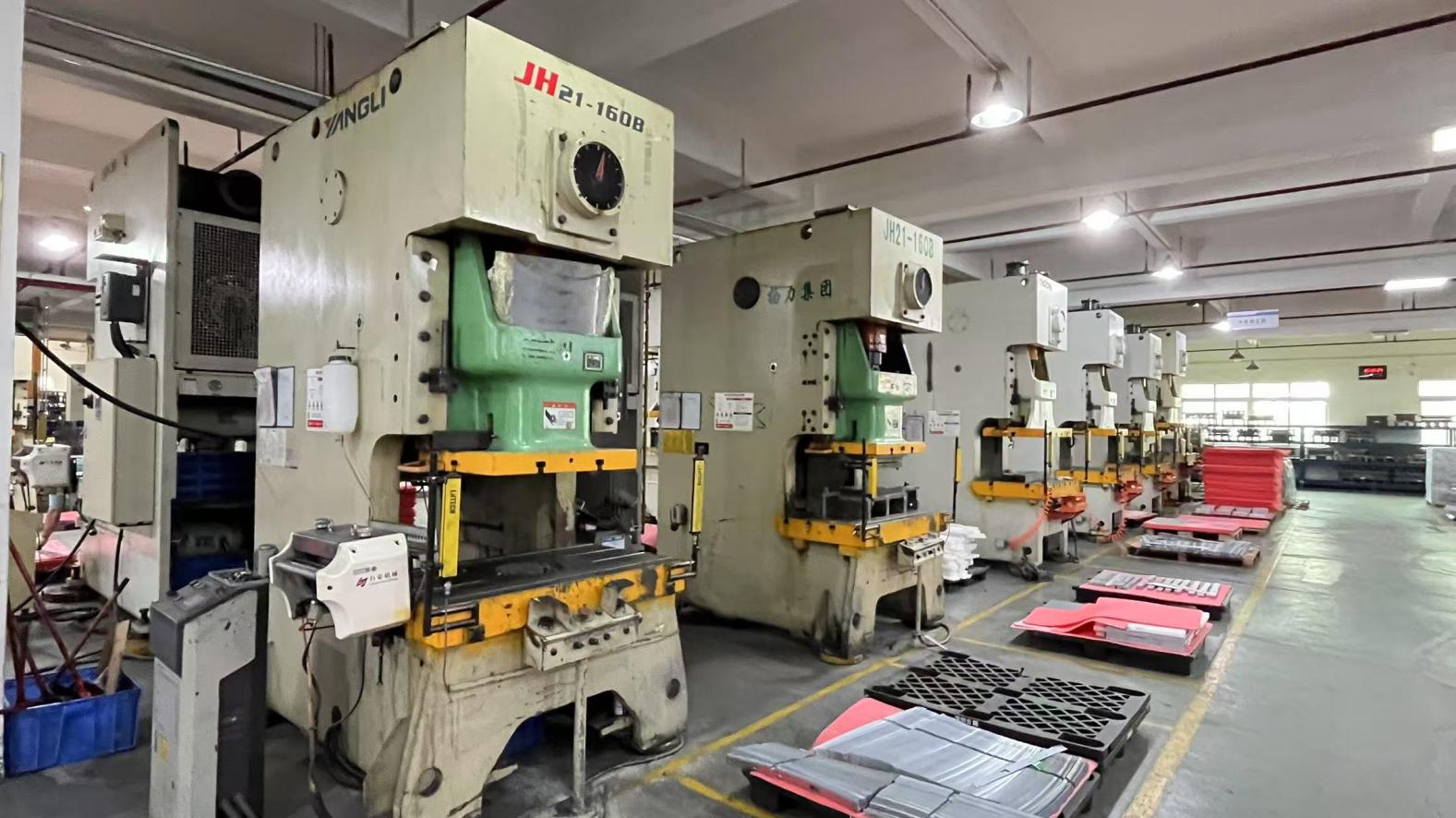
Behind Novafiber's production engine: Combining structural engineering, component integration, and quality assurance.
Operating as a key partner in global optical and copper networking structures, Novafiber Communications Co., Ltd. (founded in 2016) has built high-volume manufacturing lines capable of delivering high-speed optical transceivers, SFP interfaces, and rugged interconnect components. Our 420m² facility features advanced automated assembly processes, maintaining a reliable supply chain supported by over 1,200 partners.
Our manufacturing strategy integrates optical and copper connectivity, addressing the industry's shift toward hybrid networks. Supported by an experienced engineering department of 180 specialists, Novafiber is capable of engineering customized modules, adapting interface tolerances, and producing robust physical-layer assemblies. In the past year, we have introduced 320 new product variations to keep pace with changing market standards.
Our quality control processes employ 65 dedicated inspectors monitoring every step of assembly. All modules undergo Automated Optical Testing, environmental stress screening (ESS), and 100% functional validation to match demanding design specifications.
The next frontier of high-bandwidth, single-pair connectivity and next-gen rugged performance.
Standard Gigabit Ethernet requires 4 twisted pairs. The industry is moving toward Single Pair Ethernet (SPE - IEEE 802.3cg/ch), which enables data rates up to 1Gbps and power delivery (PoDL) over a single pair of copper conductors. This development reduces cable diameter by up to 60% and lowers weight, making it a key technology for light-weight aerospace applications and automated production floors.
As processing demands at the edge increase, traditional Cat6A connections face limitations in processing high-definition multi-camera streams and real-time sensor data. The development of shielded Cat8 assemblies and micro-diameter 40G solutions extends high-speed copper networking deeper into harsh environments.
Navigating international regulatory frameworks, mechanical certifications, and field deployment standards.
Deploying interconnect components globally requires strict adherence to international standards. Our manufacturing lines align with IPC-A-620 requirements, which govern the production and testing of cables, wire harnesses, and connector assemblies. For deployments in hazardous locations, such as chemical plants and processing facilities, our materials comply with RoHS (Restriction of Hazardous Substances) and REACH directives.
We assist engineering and purchasing teams with localized regulatory filings, delivering complete documentation including materials testing reports, flame-test certifications (UL 1666, FT4), and impedance analyses. By providing comprehensive documentation at delivery, we help reduce engineering review times and prevent delays during system integration.
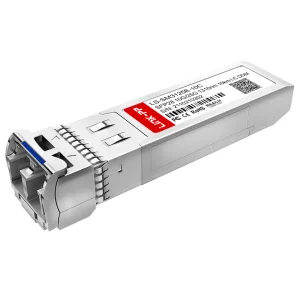
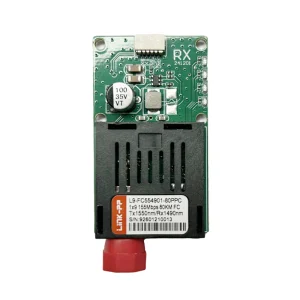
Completing the network topology with high-performance copper adapters and transceivers.
Technical answers to key procurement and engineering inquiries regarding rugged cabling systems.
Ruggedized cables feature design enhancements beyond standard options, including robust outer jacket materials (such as Polyurethane or FEP), multi-layer shielding configurations (SF/UTP or S/FTP), high flex-cycle capabilities for dynamic machinery, and secure connector systems (like M12 X-coded or IP67/IP68 RJ45 shells). These features protect against physical stress, chemical exposure, temperature fluctuations, and electromagnetic interference.
The choice depends on your specific environment:
• Choose PUR for mechanical applications like robotic arms or wind turbines due to its flexibility, abrasion resistance, and oil resistance.
• Choose FEP/PTFE for extreme operating temperatures (-50°C to +200°C) or locations exposed to harsh industrial chemicals or solvents.
Larger conductor cross-sections (like 22 AWG or 23 AWG) feature lower internal resistance compared to thin conductors (like 26 AWG). In high-power PoE setups (PoE++ / 802.3bt), this reduced resistance minimizes heat generation and limits voltage drop across longer cable runs, supporting efficient power transmission and signal integrity.
Standard commercial RJ45 connectors often lack the space required for the thick insulated conductors and heavy shielding of ruggedized cables. For these applications, we recommend specialized connectors featuring deep cable entry paths, metallic shielding housings, and external strain reliefs to ensure proper physical grounding and signal protection.
Every cable assembly undergoes automated testing to measure parameters like insertion loss, return loss, and NEXT (Near-End Crosstalk). Additionally, we conduct environmental stress screening (ESS), thermal cycling tests, and mechanical pull tests to verify performance under demanding field conditions.

 Novafiber