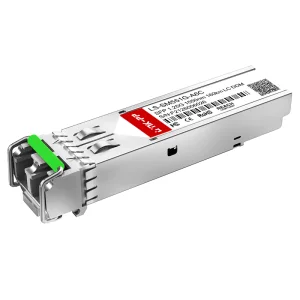
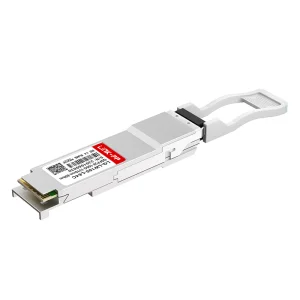
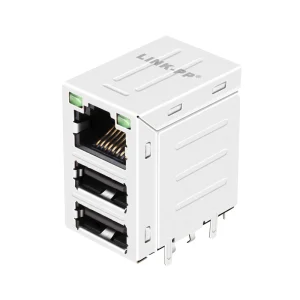
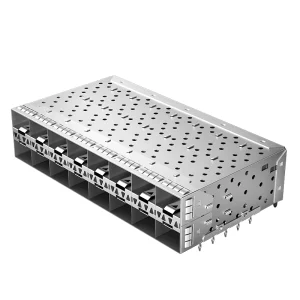
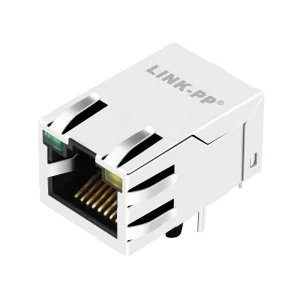
Our top-tier transceivers, adapters, and high-density connectors engineered for minimal insertion loss and optimal network integrity.
As networks expand to accommodate massive data streams fueled by artificial intelligence, cloud migrations, and IoT ecosystems, the physical layer components must evolve proportionally. At the heart of this connection technology is the optical fiber adapter—an often overlooked but critical passive component ensuring zero-loss alignment of hair-thin optical fibers.
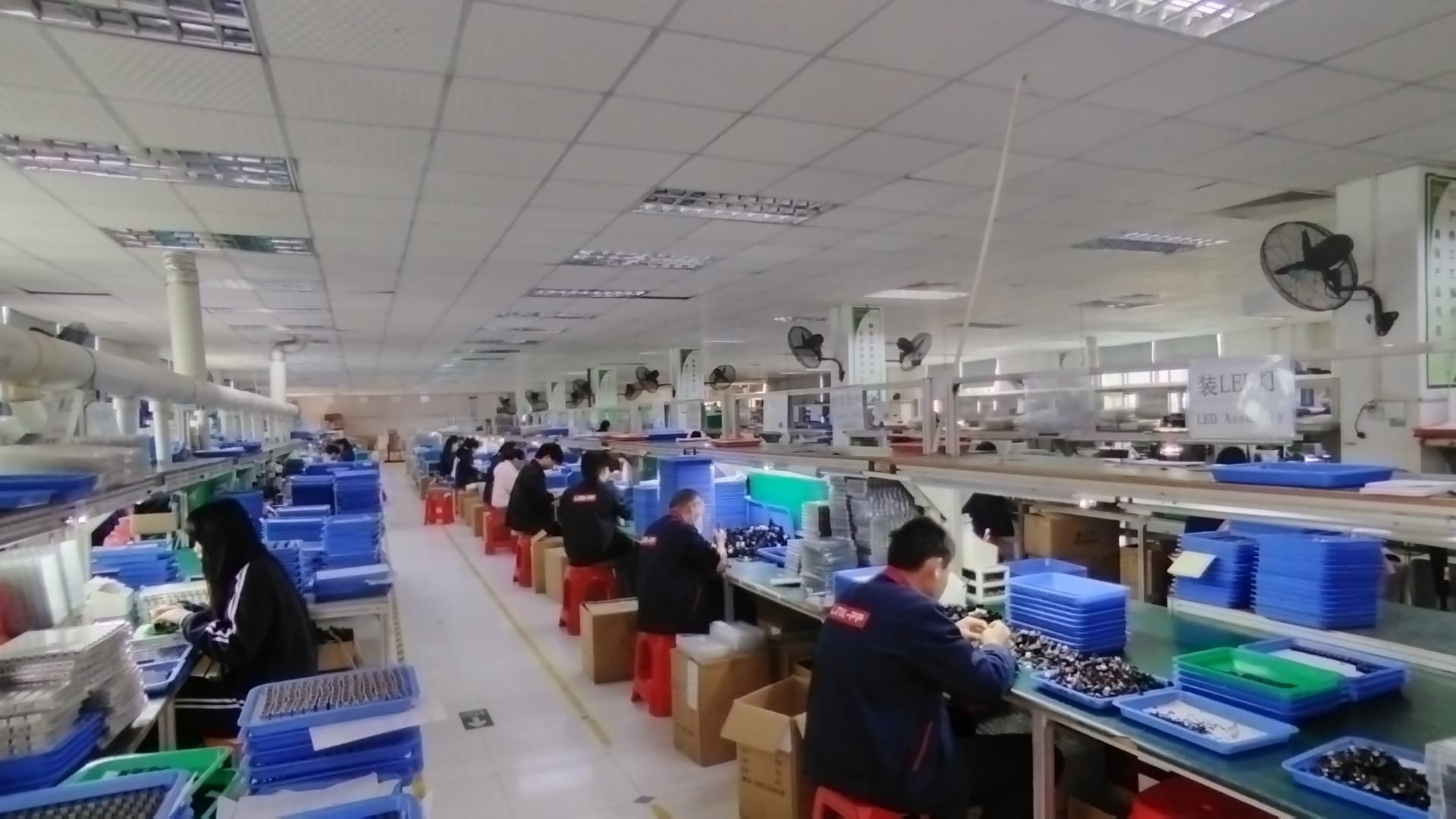
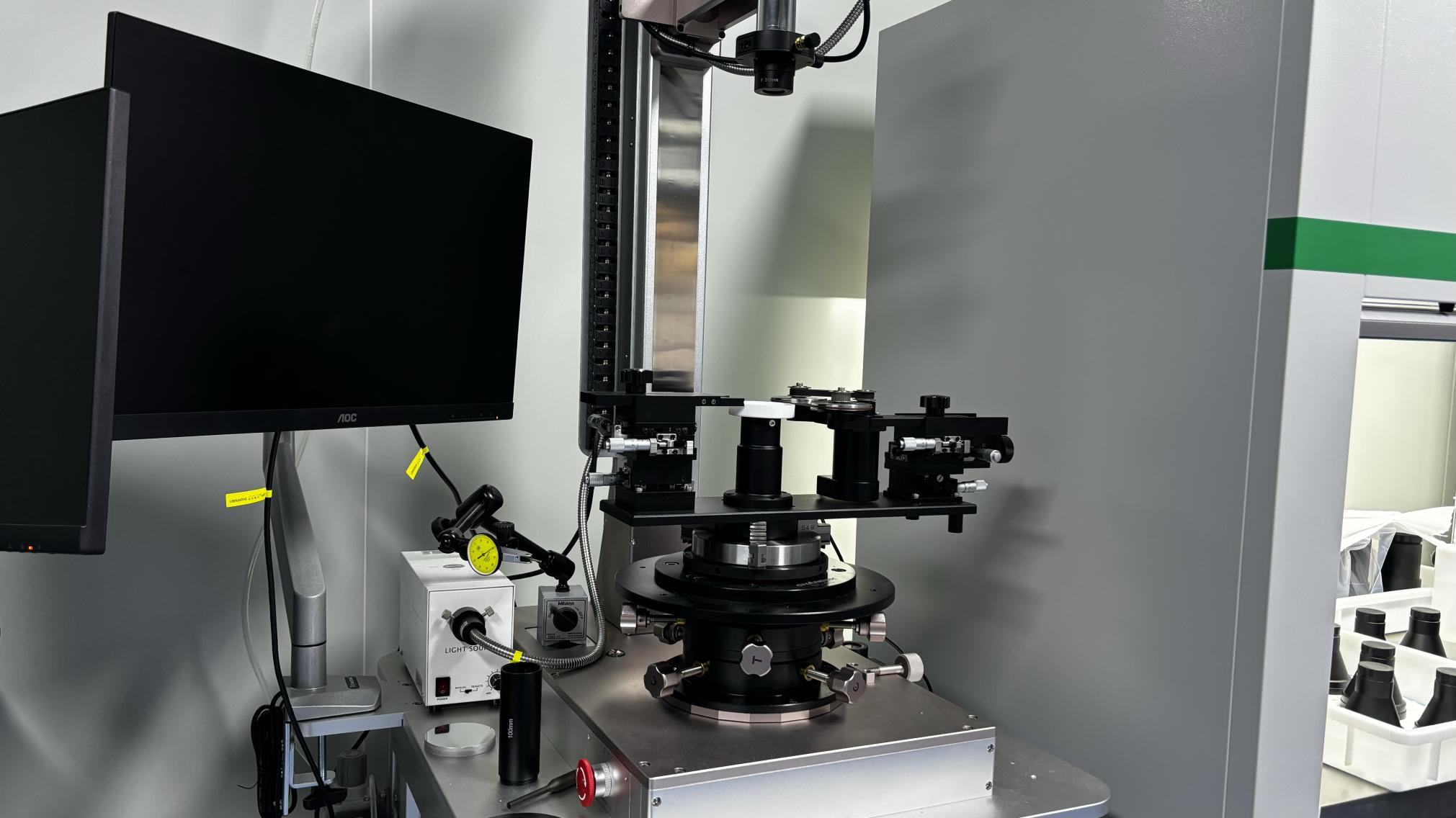
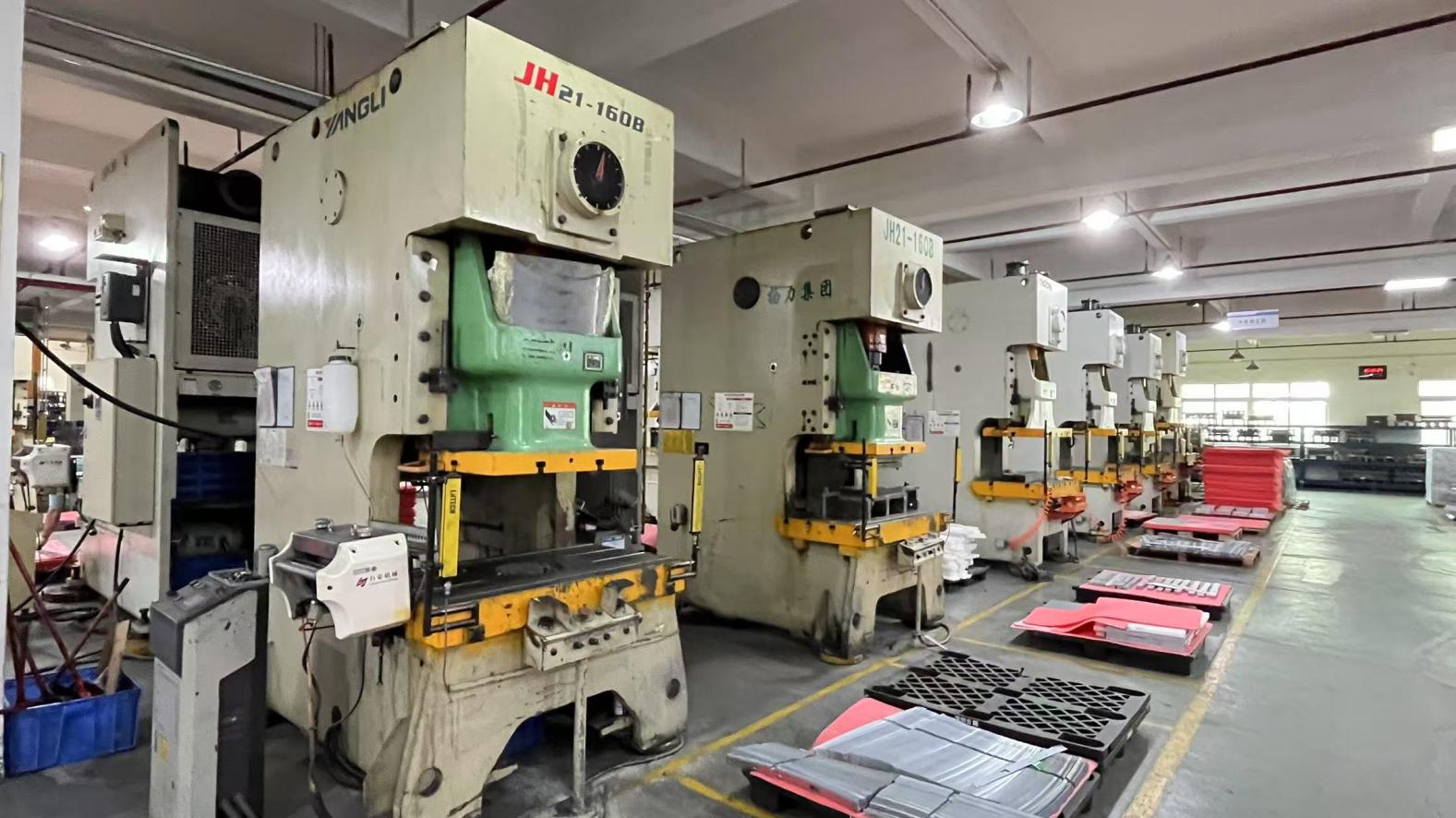
Novafiber Communications Co., Ltd. is a leading-edge optical transceiver and connectivity manufacturer specializing in delivering robust, high-performance fiber optic communication solutions. Founded in 2016, our production footprints feature a state-of-the-art facility covering approximately 420m² optimized for high-yield manufacturing and strict environmental management.
With over 9 years of core industry experience and 7 years of direct export history, we generate an annual export revenue of approximately USD 8.5 million. Our extensive logistics network supports a diverse clientele across North America, Europe, Southeast Asia, and the Middle East, backstopped by a strong ecosystem of over 1,200 supply chain partners.

How physical-layer passive infrastructure dictates the throughput and stability of modern enterprise networks.
The global optic fiber adapter market is undergoing a structural paradigm shift. Historically classified as simple passive coupling hardware, adapters have transitioned into precision-engineered modules designed to handle extreme density and near-zero tolerance for signal degradation. As telecommunication networks move rapidly from 100G to 400G and 800G transmission rates, the optical link budget decreases dramatically. In a typical modern fiber optic link, a budget variation of just 0.5dB can lead to link failure, making insertion loss (IL) and back reflection (return loss) of critical importance.
Industrial applications in oil & gas, defense, smart grid distribution, and metropolitan FTTH networks demand distinct physical tolerances. Adapters operating in these spaces must withstand mechanical vibration, temperature cycling from -40°C to +85°C, and exposure to corrosive air. Standard plastic adapters are quickly being replaced by specialized metal alloy and flame-retardant polymer casings containing zirconia ceramic alignment sleeves. Ceramic sleeves offer far superior wear resistance and thermal stability compared to phosphor bronze alternatives, maintaining sub-micron tolerances over thousands of mating cycles.
Understanding the engineering metrics that prevent link loss in high-speed optical communications.
In high-speed, multi-wavelength networks, signal loss occurs at every connection point. The role of the optical adapter is to hold two optical connectors in perfect axial alignment. Misalignments of even 1 micrometer (µm) between the cores of single-mode fibers can increase insertion loss by more than 0.5dB. Novafiber addresses this challenge by utilizing high-purity zirconia (ZrO₂) ceramic alignment sleeves, manufactured under strict dimensional controls to keep concentricity deviation under 0.5µm.
| Performance Parameter | Zirconia Ceramic Sleeve (Single-Mode) | Phosphor Bronze Sleeve (Multi-Mode) | Target Application Scope |
|---|---|---|---|
| Typical Insertion Loss (IL) | ≤ 0.10 dB (Max: 0.20 dB) | ≤ 0.20 dB (Max: 0.30 dB) | Long-haul SMF, 400G Data Centers |
| Concentricity Tolerance | ± 0.5 μm | ± 2.0 μm | Single-mode Core-to-Core Alignment |
| Mating Durability (1000 Matings) | < 0.1 dB typical change | < 0.2 dB typical change | High-frequency patching networks |
| Operating Temp Range | -40°C to +85°C | -25°C to +75°C | Outside Plant (OSP) & Central Office |
Furthermore, standard configurations such as SC, LC, FC, ST, and MPO require distinct internal geometries. For example, the LC adapter features a smaller 1.25mm sleeve compared to the 2.5mm sleeve found in SC adapters. This reduction in size requires higher mechanical precision to maintain structural integrity. Our factory produces custom hybrid adapters (e.g., LC to SC, FC to LC) that bridge disparate connection topologies while preserving optimal link budgets.
Consistent performance requires robust quality control throughout the manufacturing lifecycle. Novafiber employs 65 quality inspection personnel who oversee the production process from incoming raw materials to final optical testing.
Our quality assurance program is built on internationally recognized standards:
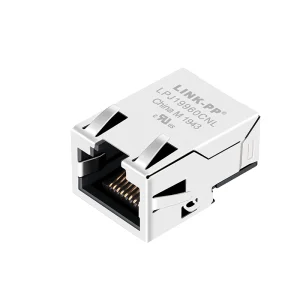
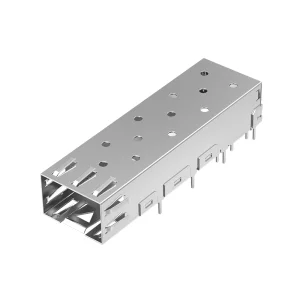
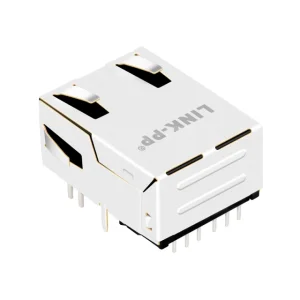
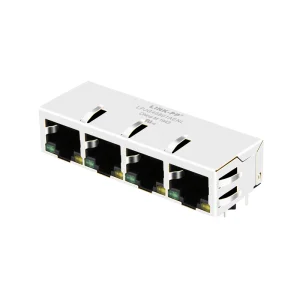
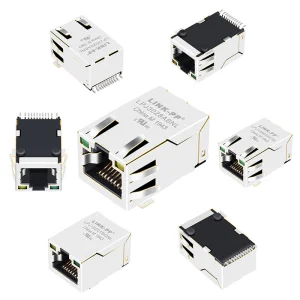
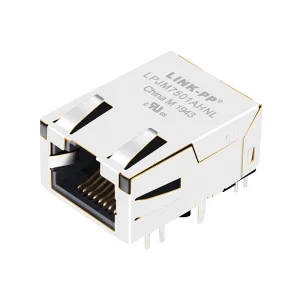
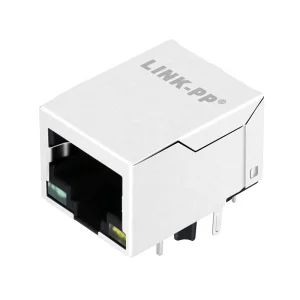
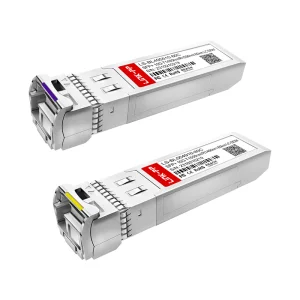
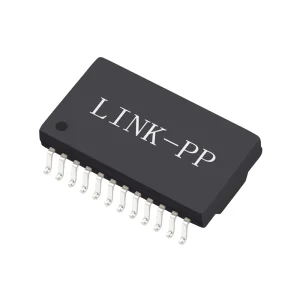
Our dedication to engineering excellence is highlighted by the release of 320 new products over the past year, expanding our product catalog from 1G SFP transceivers to 800G QSFP-DD/OSFP modules, alongside complementary magnetic connectors and EMI shielded cages.
Every telecom deployment has its own physical and optical constraints. We provide comprehensive customization services backed by our 180-engineer R&D team:
| Form Factors | Duplex, Simplex, Quad, High-Density Gang Adapters |
| Flange Configurations | Flanged (for panel mounting) and Flangeless (space-saving) options |
| Color Coding | TIA-568 compliant colors (Aqua for OM3, Erika Violet for OM4, Lime Green for OM5, Blue for SM/UPC, Green for SM/APC) |
| Custom Materials | Polyetherimide (PEI), Polybutylene Terephthalate (PBT), Zinc Alloy, Nickel-Plated Copper |
How Novafiber is engineering the future of high-speed data transmission and high-density connectivity.
Refinement of zirconia sleeve internal alignment metrics to reduce maximum single-mode adapter insertion loss below 0.1dB, optimizing link budgets for 800G and 1.6T systems.
Developing miniature, blind-mate optical connectors and adapters designed to route fiber directly to silicon photonics engines located on the switch board.
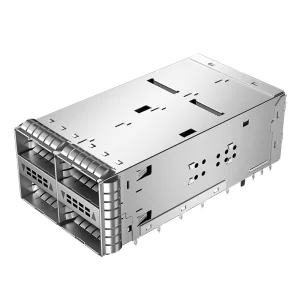
Introduction of hybrid plastic-metal EMI shielded adapters and high-density press-fit cages to prevent electromagnetic interference in hyperscale compute clusters.
Comprehensive physical-layer packages designed for complex operating topologies.
We supply long-haul carrier networks with high-density optical patch panels featuring low-loss SC/APC and LC/APC adapters. Incorporating internal shutters, our adapters protect operators from laser exposure while preventing dust buildup in open ports.
Designed to minimize latency in leaf-spine structures, our QSFP28, SFP+, and SFP28 cages, paired with high-performance transceivers, enable rapid scaling of cloud systems. High-density MTP/MPO systems route multiple fibers through single bulkheads.
We support rural and urban broadband rollouts with rugged field-installable adapters, POE-equipped RJ45 connectors, and distribution enclosures designed to withstand outdoor environmental conditions.
Deep answers to essential questions regarding optical adapter selection, customization, and deployment.
Browse our high-durability cages, RJ45 modules, transformers, and long-range transceivers.
 Novafiber