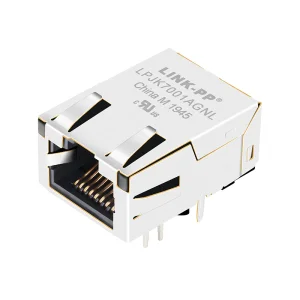
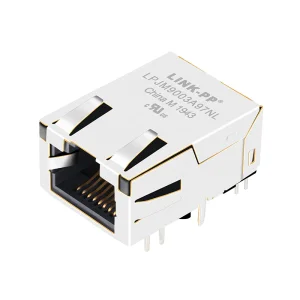
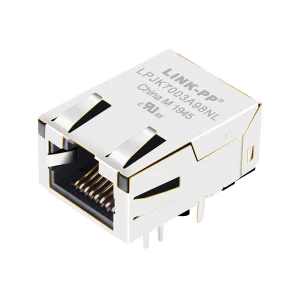
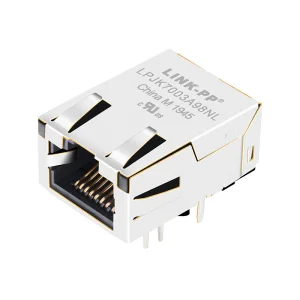
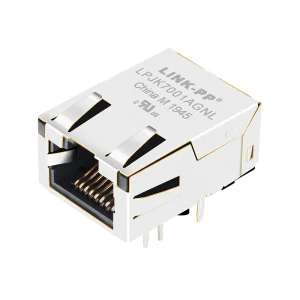
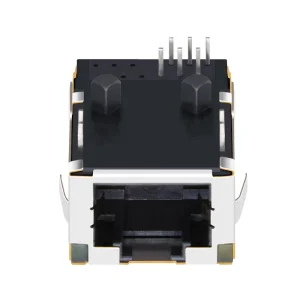
Ultra-compact Ethernet interfaces specifically engineered for high-density DIN-Rail controllers, embedded single-board computers (SBC), and space-constrained automation modules.
Switzerland stands as an undisputed global hub for precision engineering, high-value industrial automation, advanced medical technology, and mission-critical railway infrastructures. The Swiss electronics manufacturing services (EMS) and original equipment manufacturers (OEMs) operate under the strictest tolerance margins, demanding high-level component integrity, prolonged operational life, and flawless electromagnetic compatibility (EMC).
In this high-precision industrial ecosystem, physical space is a premium asset. Whether it is a DIN-rail control cabinet developed in Zürich, an embedded sensory processor engineered in Lausanne, or an MRI controller assembled in Basel, engineers are pushed to downsize mechanical housings while enhancing computing power. This is where Low Profile RJ45 Connectors become critical. By shrinking the height of standard Ethernet ports, these connectors allow multi-layer PCB stack-ups and ultra-thin chassis configurations without compromising signal fidelity.
"Precision is not an option in Swiss engineering; it is the core foundation. Compact Ethernet connectors must maintain 50 micro-inches of gold plating and advanced shielding to survive high-vibration and electrically noisy industrial environments."
Furthermore, Switzerland's commitment to industrial ecological design (EnergySchweiz initiatives) means that components must support energy-efficient architectures, such as Power over Ethernet (PoE) and high-speed data transmission (up to 10G Base-T), ensuring minimal insertion loss and heat dissipation.
Understanding the physics of signal attenuation, shielding mechanisms, and mechanical engineering behind low-profile ethernet interfaces.
Standard RJ45 jacks typically stand between 13.5mm and 16.5mm off the PCB surface. A low-profile variant reduces this footprint down to 11.5mm or even 9.5mm. This height reduction is achieved through inverted modular configurations (Tab-Up) and offset pin layouts that seat the connector body partially below the PCB plane (mid-mount designs). Selecting between Tab-Up and Tab-Down affects routing options for differential pairs, especially when integrating status LEDs into the housing.
For Swiss automation devices, integrating the magnetics directly inside the connector housing (known as MagJacks or Integrated Connector Modules - ICMs) is the industry standard. ICMs consolidate the isolation transformers, common-mode chokes, and termination resistors into a shielded metal cage. This design saves up to 50% PCB real estate, simplifies layout design, and minimizes parasitic capacitance, which is vital for maintaining 100M/1G/10G Base-T signal profiles.
Electromagnetic interference (EMI) is highly prevalent in industrial environments with large electrical drives, variable frequency controllers, and high-frequency welding machines. High-performance low-profile connectors feature comprehensive multi-point grounding tabs (spring fingers) and a full nickel-plated brass shell to shunt high-frequency noise directly to chassis ground, adhering to strict Swiss EMC guidelines.
Modern PCB assembly lines require automated SMD/reflow soldering. Connectors must use advanced thermoplastic housings (such as LCP or PA9T) capable of enduring peak reflow temperatures of up to 260°C for 10 seconds. Lower-grade plastics will warp or blister, ruining the coplanarity of the contact pins and leading to field failures.
To resist corrosion and mating-cycle fatigue under harsh operating conditions, contacts are manufactured from high-tensile phosphor bronze plated with thick gold (up to 50 micro-inches) over a nickel underplate. This guarantees minimal contact resistance and a rated lifespan of over 750 mating cycles, meeting the rigorous standards of Swiss quality assessment laboratories.
The rise of Industry 4.0 and the Industrial Internet of Things (IIoT) has transformed basic machines into interconnected intelligent agents. This transition relies on robust physical-layer hardware to bridge operational technology (OT) with information technology (IT). As ethernet expands its reach down to the sensor-actuator level via Single Pair Ethernet (SPE) and Multi-Gigabit Ethernet, the demand for versatile, space-optimized connectors has surged globally.
In addition to automation, the global green energy transition has catalyzed massive developments in photovoltaic (PV) string inverters, battery energy storage systems (BESS), and electric vehicle (EV) charging stations. Each of these systems utilizes sophisticated communication boards where low-profile design is essential for compact heat dissipation and space management.
Manufacturers are also responding to the global micro-data center and edge-computing shift. Rather than routing all data back to centralized cloud arrays, real-time data processing is performed directly on-site in localized control cabinets. This decentralization drives the demand for low-profile connectors capable of supporting high data throughput speeds (from 2.5G to 10G Base-T) with integrated status indicator LEDs in ruggedized packages.
High-performance network sockets designed to withstand extreme thermal fluctuations and strict vibration parameters in high-density electronic assemblies.
Novafiber Communications Co., Ltd., founded in 2016, has developed into a premier manufacturing ecosystem combining optical communication modules and high-precision ethernet interfaces. With over 9 years of industry experience and 7 years of export expertise, we bridge the gap between high-volume production capabilities and Swiss-grade precision requirements.
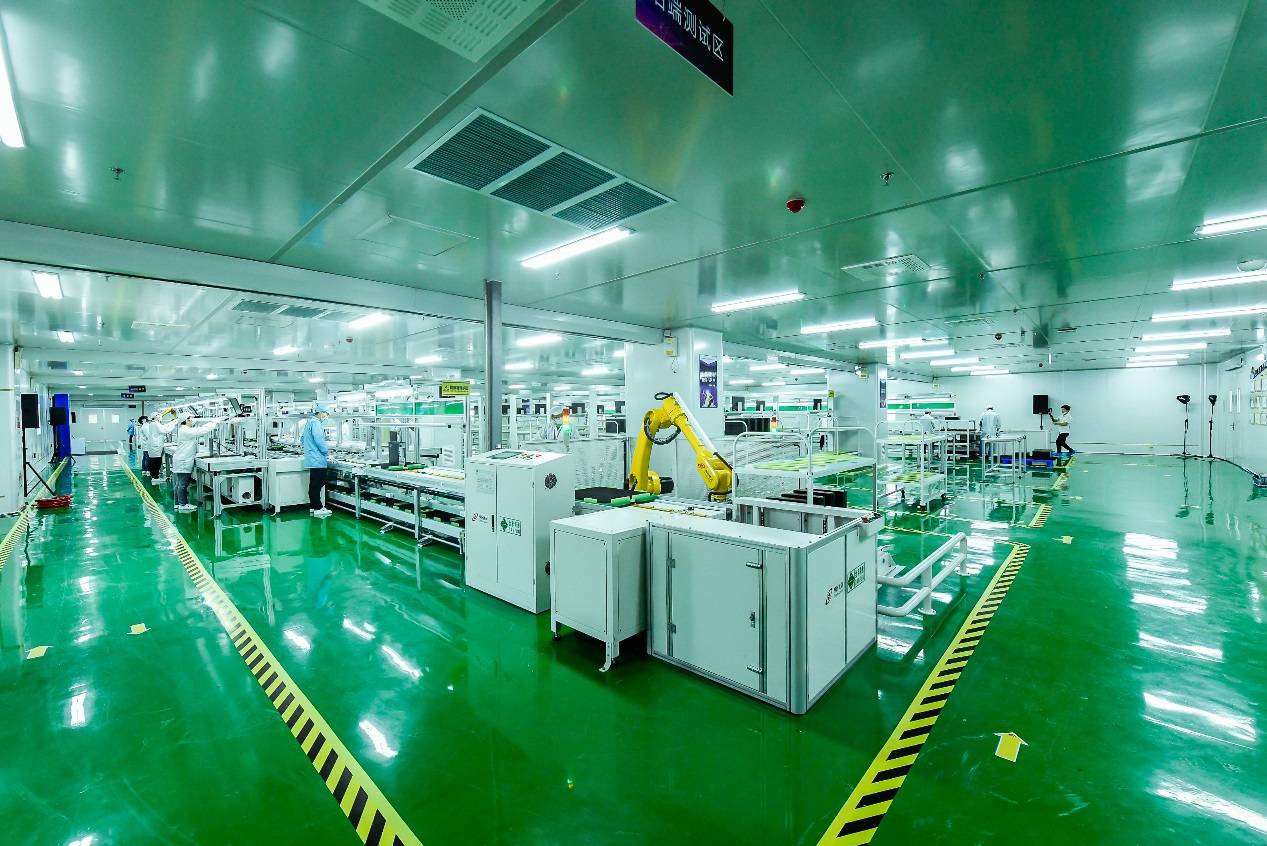
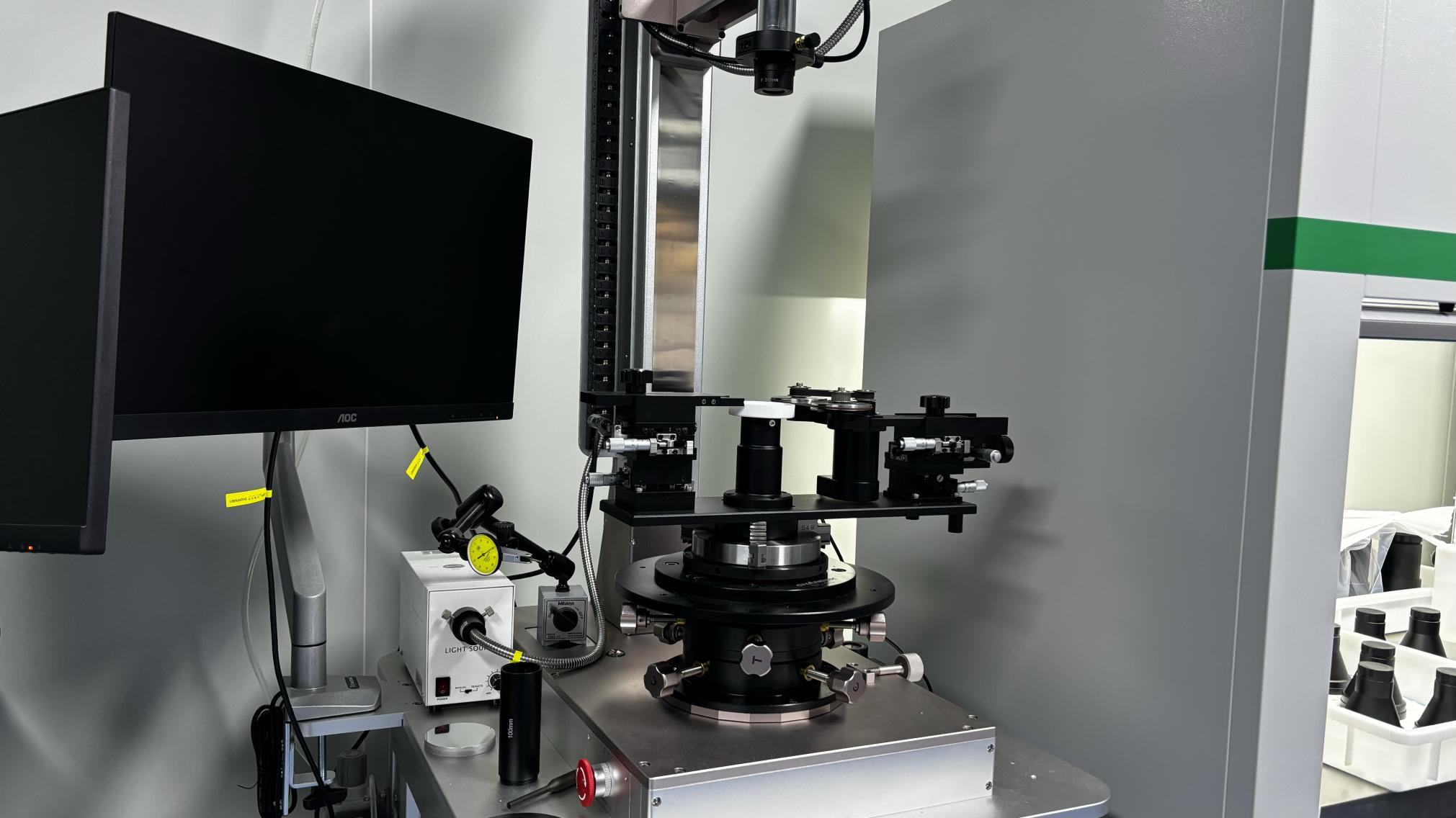
Our state-of-the-art facilities span specialized cleanrooms and automated testing chambers. We utilize advanced automated optical inspection (AOI), high-magnification x-ray analysis, and real-time network analyzer setups to verify the compliance of every low-profile RJ45 connector against international and Swiss domestic performance standards.
Through our vast network of over 1,200 supply chain partners, we maintain unparalleled material access and component availability, insulating our European partners from standard market lead-time disruptions. Underpinned by our annual export volume of USD 8.5 million, our production models are designed for massive scalability, supporting seamless scale-up from rapid prototyping phases to large-scale mass deployments.
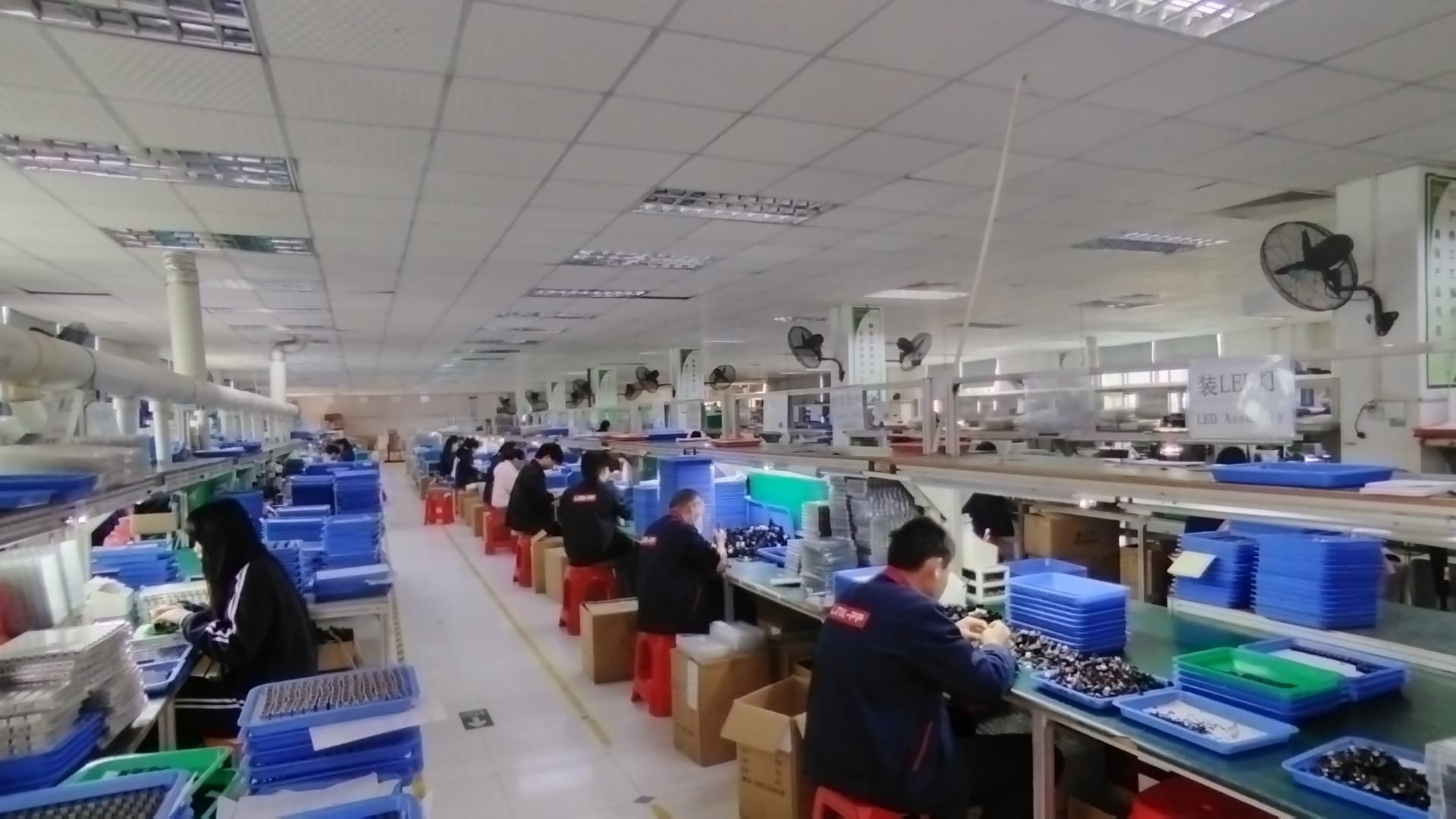
Our dedicated team of 180 experienced R&D engineers and 65 quality control personnel ensures that every production lot complies with international IPC standards, RoHS directives, and environmental stress screening (ESS) guidelines.
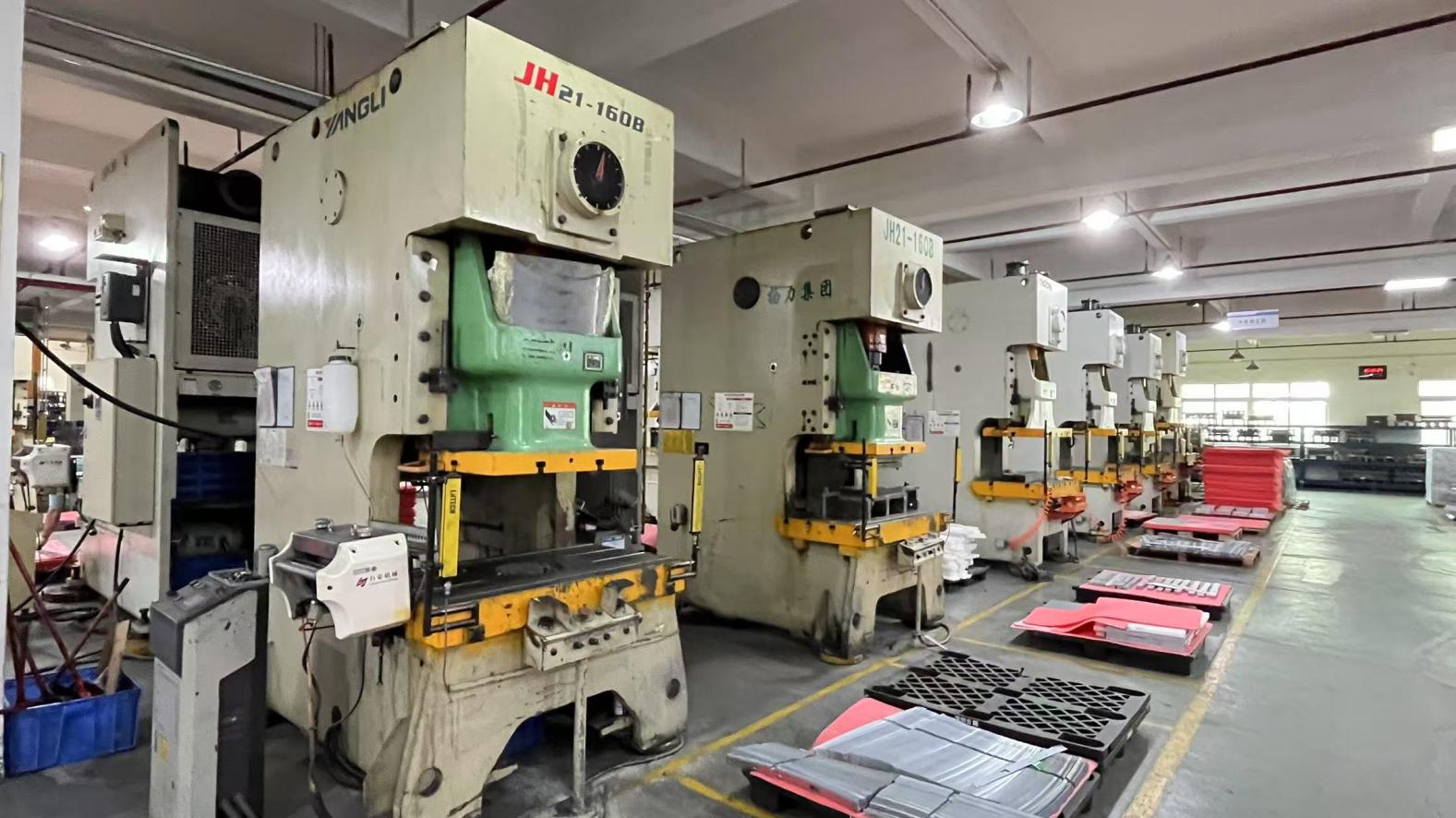
By leveraging advanced automated insert molding and automated contact winding equipment, we guarantee consistent contact coplanarity within a margin of 0.1mm. This degree of dimensional precision ensures flawless integration with automated pick-and-place systems used in Swiss surface-mount technology (SMT) production lines.
Low-profile RJ45 connectors are utilized across a wide variety of advanced industrial, medical, and commercial infrastructure applications throughout the Swiss market:
Detailed structural and mechanical clarifications to assist system designers, electronics engineers, and procurement directors in Switzerland.
Explore our comprehensive range of high-performance RJ45 modular jacks, featuring integrated magnetics, customized status LEDs, and multi-speed Ethernet support.
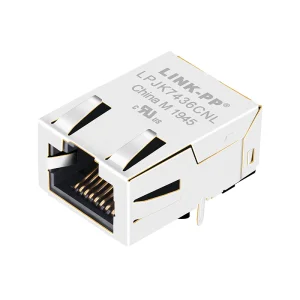
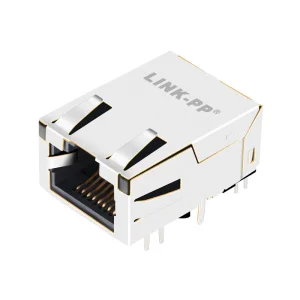
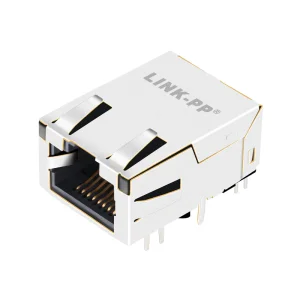
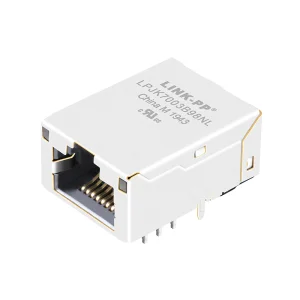
L8AL-1X1T-32A 10/100/1000 Base-t Magnetic Ethernet Low Profile Female RJ45 Connector Without Leds
View Tech Specs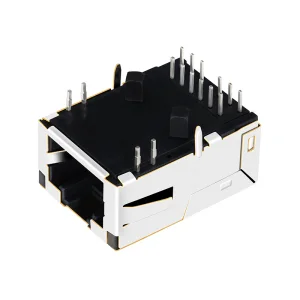
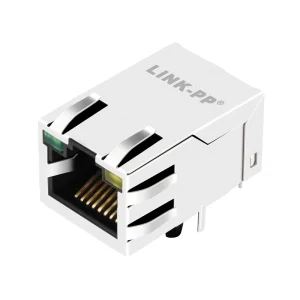
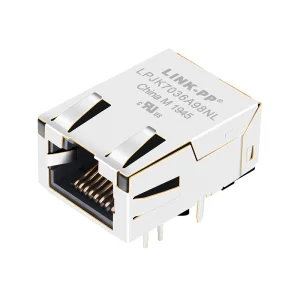
L829-1G1T-43 Tab up 10/100/1000 Base-t Magnetic Ethernet Low Profile RJ45 Jack Connector With Leds
View Tech Specs Novafiber