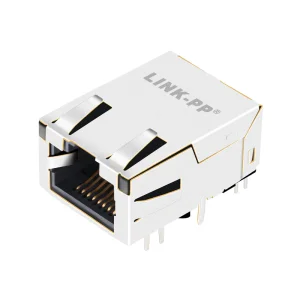
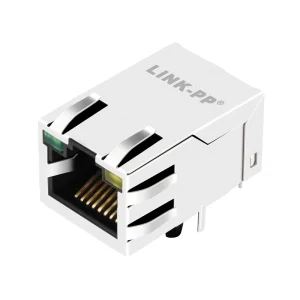
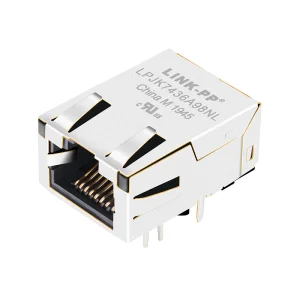
Premium selection designed for micro-switches, routers, and high-density computing platforms in the Brazilian telecommunication hub.
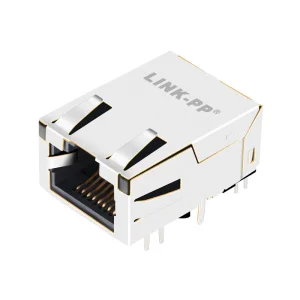
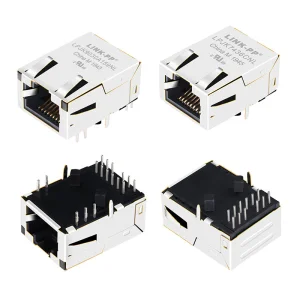
Brazil represents the largest industrial and telecommunications market in Latin America. Driven by the federal government's initiatives like the Plano Nacional de Internet das Coisas (National IoT Plan) and the rapid roll-out of 5G infrastructure in major metropolitan hubs such as São Paulo, Rio de Janeiro, and Curitiba, the demand for miniaturized, high-performance networking components has skyrocketed. Standard RJ45 modular jacks, while robust, present a distinct physical bottleneck for contemporary system designs. Embedded boards, micro-servers, and edge-computing network hardware require low-profile connectors that minimize physical footprint while maintaining strict signal integrity standards.
A primary driver for selecting low-profile RJ45 configurations is the reduction in height. Standard modular jacks generally stand between 13.5mm and 16.5mm off the PCB surface. In contrast, low-profile designs reduce this physical profile to under 11.5mm, and in some specialized right-angle configurations, down to less than 9.5mm. This enables hardware developers in the Manaus Free Trade Zone (Polo Industrial de Manaus) to design 0.5U rackmount equipment, ultra-thin industrial gateways, and compact telematics control units (TCUs) tailored for Brazil’s agricultural machinery and automotive fleets.
Furthermore, Brazil's distinct electromagnetic landscape requires connectors with superior shielding. The proximity of high-power telecommunications towers, industrial motor drives in factories, and the variable electrical grid stability in rural areas demand components designed to resist electromagnetic interference (EMI). Integrating Bob Smith terminations and internal magnetics directly into the connector housing—known as Integrated Connector Modules (ICM)—addresses these issues by isolating noise and providing robust electrostatic discharge (ESD) protection at the port interface.
Developing low-profile connectors capable of supporting data rates from 100 Mbps up to 10 Gbps (10G Base-T) requires advanced mechanical engineering and electromagnetic design. The challenge lies in placing magnetics (transformers, common-mode chokes) inside a housing with 30% to 50% less volume than standard jacks. The physical layout of the magnetic cores must be optimized using advanced 3D electromagnetic simulation software to prevent cross-talk (NEXT and FEXT) and insertion/return loss degradation.
| Feature Parameter | Standard RJ45 Jack | Low-Profile RJ45 Jack | Engineering Benefit |
|---|---|---|---|
| Profile Height | 14.0mm to 16.5mm | 8.5mm to 11.5mm | Allows 0.5U chassis and compact PCB stacking |
| Data Rate Capability | Up to 1G Base-T | 100M to 10G Base-T | Supports high-throughput edge routers and GPON ONUs |
| EMI Isolation | Variable External Shields | 360-degree Integrated Metal Can | Superior noise protection in noisy industrial sites |
| LED Configuration | Traditional tall LEDs | Light pipe or SMD low-height LEDs | Saves board edge space and optimizes visual path |
For high-frequency operation, particularly under 2.5G, 5G, and 10G Base-T standards, the internal lead frame design must maintain balanced transmission lines. Any mechanical asymmetry within the contacts will introduce mode conversion, converting differential signals to common-mode noise. Our low-profile RJ45 connectors utilize high-precision copper alloy contacts with 50-microinch gold plating to prevent contact resistance variations over time. Gold plating prevents oxidation, which is particularly useful in coastal regions like Rio de Janeiro and Salvador where high humidity and salt spray accelerate corrosion.
Backed by Novafiber Communications Co., Ltd.'s rigorous engineering, manufacturing, and global trade frameworks.
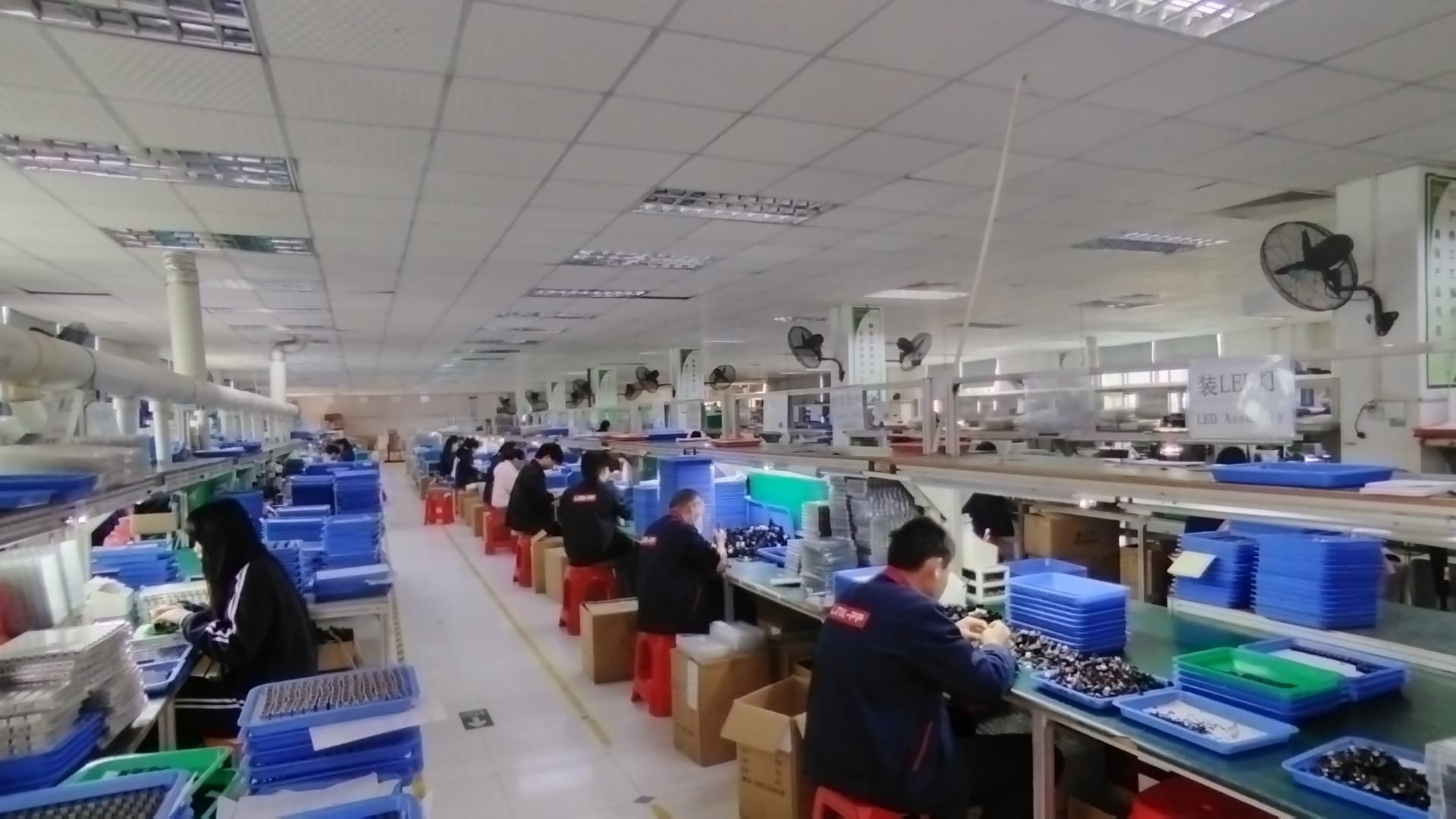
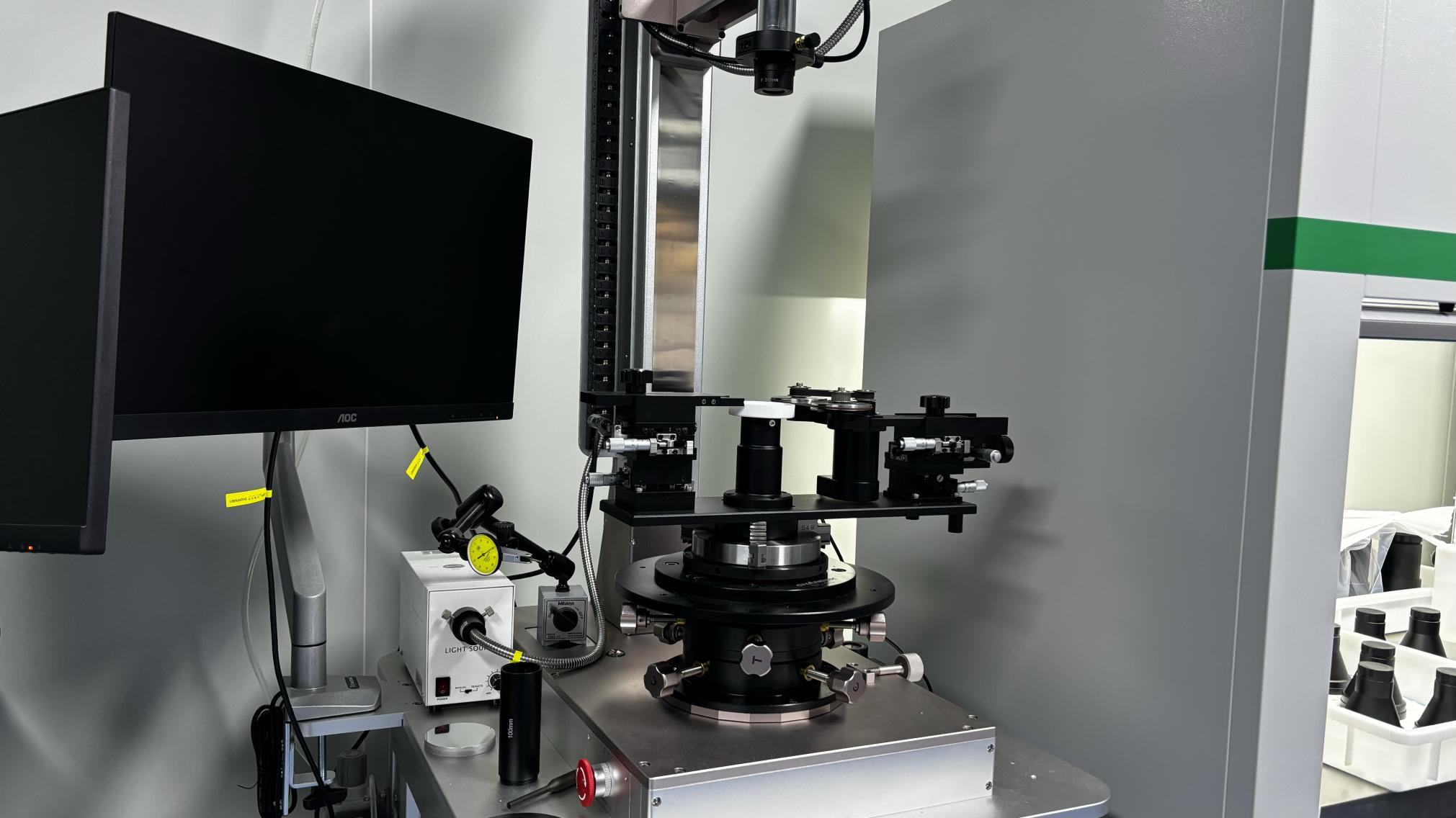
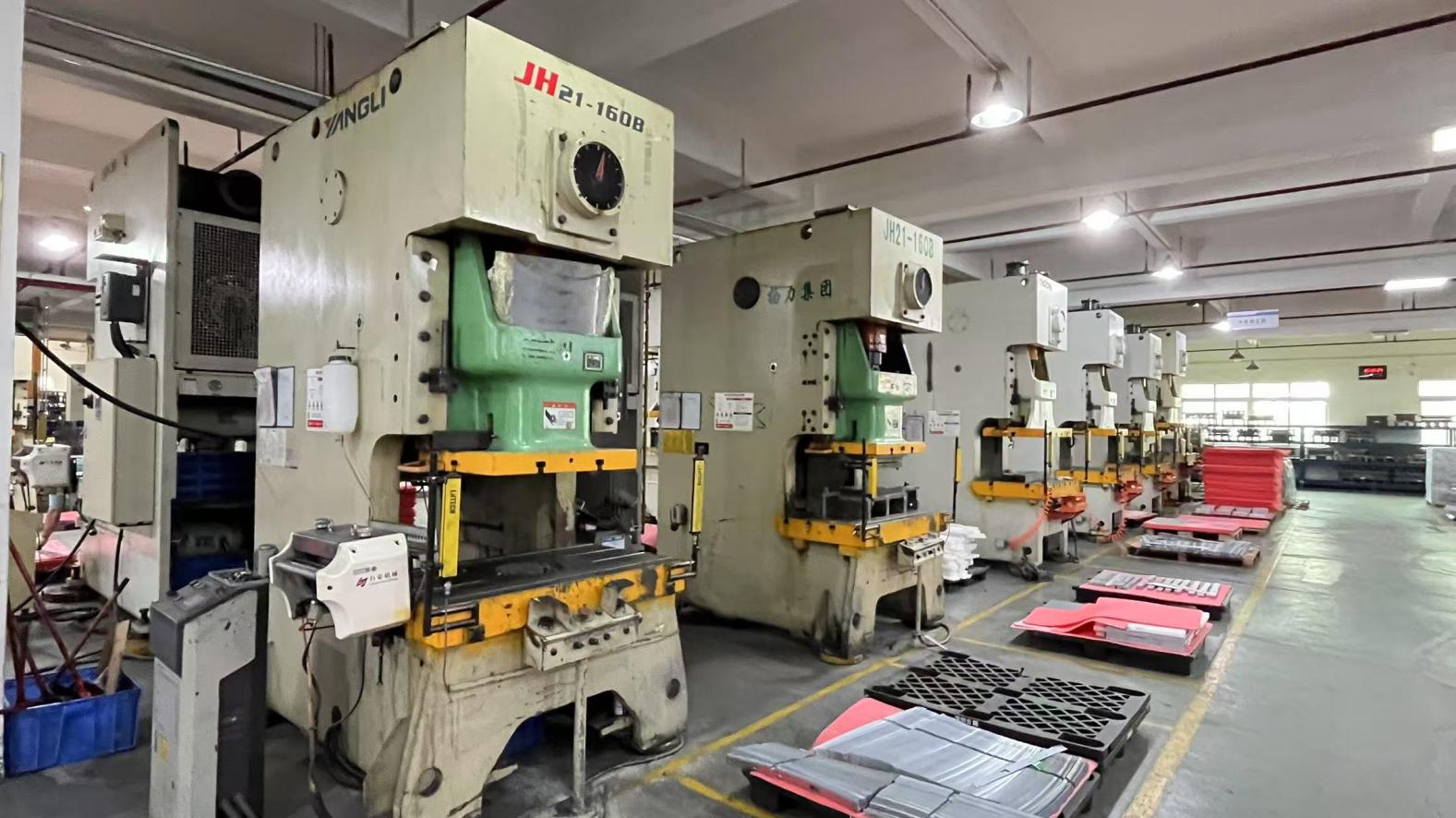
Established in 2016, Novafiber operates a state-of-the-art production facility, with 9 years of industry experience and 7 years of export experience, establishing itself as a key supplier in global networking infrastructure. The factory processes large production orders using automatic winding machines, automated visual inspection, and high-speed stamping presses. Our QA program employs over 65 dedicated inspection staff to check each production run against IPC, RoHS, and UL standards.
Our quality verification process includes Automated Optical Inspection (AOI), 100% electrical parameter testing, and Environmental Stress Screening (ESS). ESS subjecting the connectors to extreme temperature cycling and physical shock tests. This guarantees that connectors destined for remote Brazilian telemetry sites—such as monitoring equipment in Mato Grosso's agricultural lands or mining controls in Minas Gerais—can handle continuous thermal stresses without physical failure.

Brazil is a global agricultural power. Precision farming utilizes IoT networks, drone monitoring, and automated harvesting machinery. The electronic control systems installed on these machines are subject to intense vibrations, dust, and wash-downs. Standard RJ45 jacks fail under these conditions. Our low-profile RJ45 connectors, designed with reinforced solder anchors (shield tabs) and a robust housing, resist mechanical stresses and maintain connection stability on field-deployed telemetry boards.
With major telecom operators expanding FTTH (Fiber-to-the-Home) networks across states like São Paulo and Paraná, demand is rising for compact ONUs (Optical Network Units) and home routers. Consumers prefer low-profile, aesthetic devices, requiring manufacturers to design slim housings. Incorporating our low-profile, right-angle modular jacks allows telecom OEMs to reduce router heights to under 20mm, meeting consumer design preferences without sacrificing signal speed.
Brazil’s national utility companies are upgrading substation hardware to meet IEC 61850 grid automation standards. Smart meters and grid switch controllers must operate reliably for years. The integrated magnetics in our low-profile connectors provide critical 1500V AC isolation, protecting valuable processor boards from lightning surges and high-voltage grid transients common in rural areas.
Importing electronic components into Brazil requires careful navigation of regulatory structures and quality standards. Any networking equipment intended for commercial telecom installation must satisfy Anatel (Agência Nacional de Telecomunicações) guidelines. While individual connectors do not typically require separate Anatel certification, the system board they are mounted on does. Using our pre-certified, IEC-compliant connectors with standardized dielectric strength (1500V RMS contact-to-shield) simplifies system-level certification for your end product.
Our low-profile connectors are manufactured to meet global environmental compliance, including RoHS (Restriction of Hazardous Substances) and REACH. This compliance prevents import delays at Brazilian ports, such as the Port of Santos or Port of Paranaguá, where customs (Receita Federal) enforce strict verification procedures. We provide complete technical data packets, including detailed 2D/3D CAD models, RoHS certification, material composition declarations, and test logs to support your import registration.
For custom engineering requirements, our R&D department—comprising 180 engineers—can adapt pinouts, shield tabs, and LED configurations. We support both high-volume OEM production and fast prototyping, shipping directly to ports in Brazil or via air freight to Guarulhos Airport (GRU) for urgent manufacturing programs.
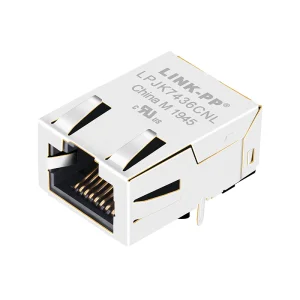
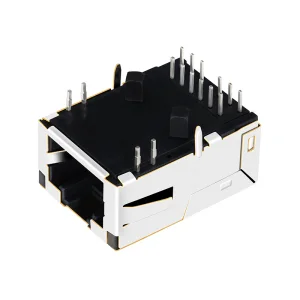
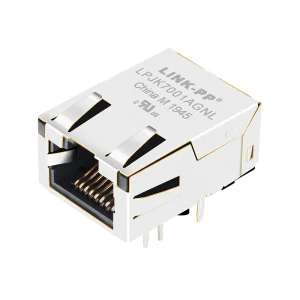
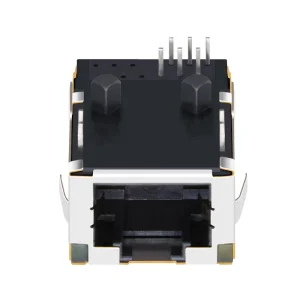
Review our catalog of low-profile Ethernet jacks with integrated magnetics, custom LEDs, and robust shielding for Brazil's industrial markets.
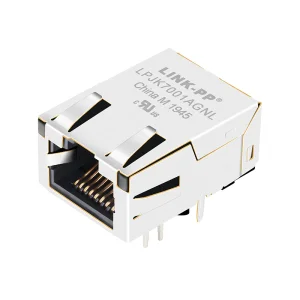
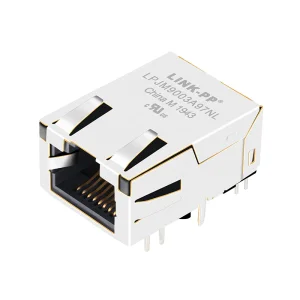
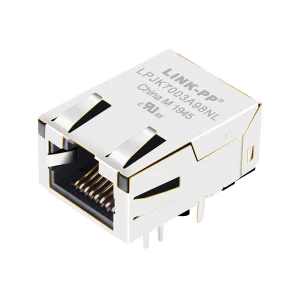
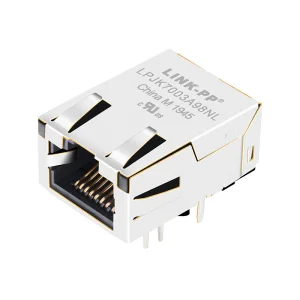
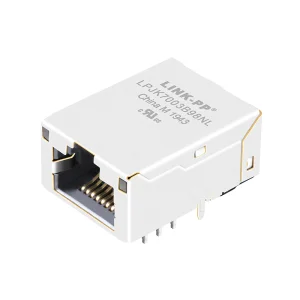
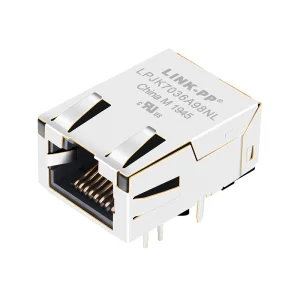
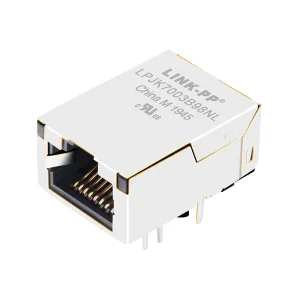
Answers to key questions regarding technical specs, customs clearance, and manufacturing capacity for Brazil.
Connect with our technical sales division to request detailed engineering drawings, free samples for prototype testing, or specific pricing options for Brazilian delivery.
 Novafiber