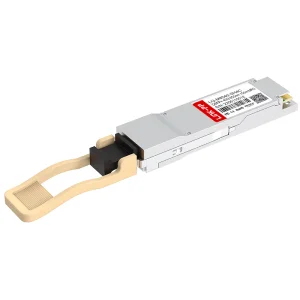
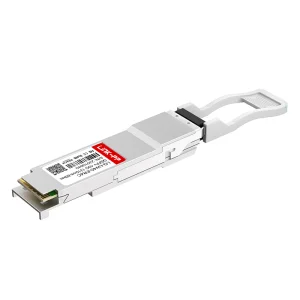
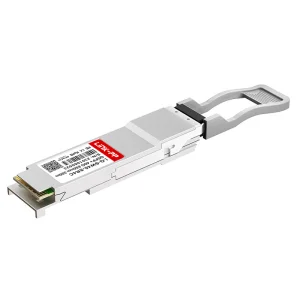
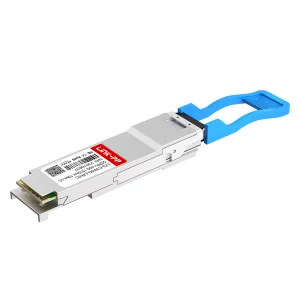
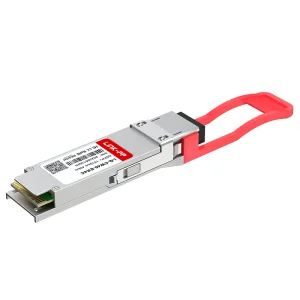
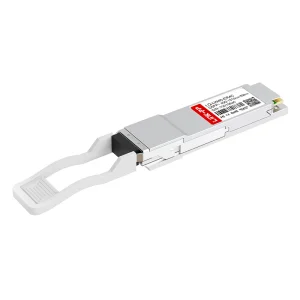
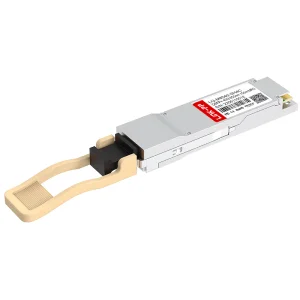
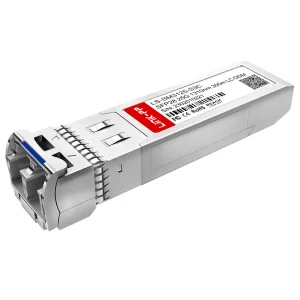
Kuwait's upstream and downstream petroleum segments require reliable data transmission across expansive fields like Greater Burgan. Our rugged transceivers support high-temperature operation profiles essential for local industrial edge routers.
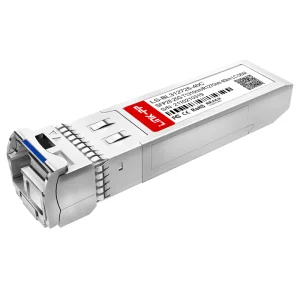
As operators roll out dense 5G architectures, local backhauls require efficient 40G QSFP+ aggregation nodes. The transition from legacy 10G SFP+ links to 40G/100G interfaces is critical to maintaining low-latency mobile connections.
Leading Kuwaiti financial institutions demand maximum hardware compliance and data integrity. Our QSFP+ modules incorporate Digital Diagnostics Monitoring (DDM/DOM), providing network admins real-time health telemetry.
Novafiber Communications Co., Ltd. stands as a premier manufacturer specializing in high-density, carrier-grade fiber optic communication components. Established in 2016, we operate a state-of-the-art production facility encompassing 420㎡, fully optimized for advanced optoelectronic component processing, firmware coding, and compatibility assurance testing.
Leveraging 9 years of industry expertise and 7 years of direct export operations, we serve telecom carriers, enterprise integrators, and government clients worldwide, generating an annual export turnover of USD 8.5 million across North America, Europe, Southeast Asia, and the Middle East, including active deployments in Kuwait.
Our operational model is built upon robust quality control and rigorous testing protocols to ensure maximum link uptime in high-stress, high-ambient-temperature environments:
We address local import and deployment criteria through:
Industry Experience
R&D Engineers
QA Inspection Experts
Annual Export Value
Optical communication systems deployed in the Middle East face severe environmental challenges, primarily extreme heat and particulate penetration. Novafiber designs custom-tolerance transceivers tailored to withstand these factors.
Standard transceivers fail when ambient cabinet temperatures rise. Our QSFP+ modules use optimized metallic housings and low-power optoelectronic chips (typically consuming less than 1.5W per module) to ensure minimal internal heat buildup.
In desert environments, micro-dust can settle inside fiber junctions. We use high-precision receptacle coatings and provide premium sealing caps on all LC and MPO ports, preventing signal attenuation caused by foreign contaminants.
With aging fiber infrastructure, signal attenuation increases. Our transmitters emit stable optical power with excellent extinction ratios, while our high-sensitivity PIN/APD receivers guarantee reliable detection over maximum distances.

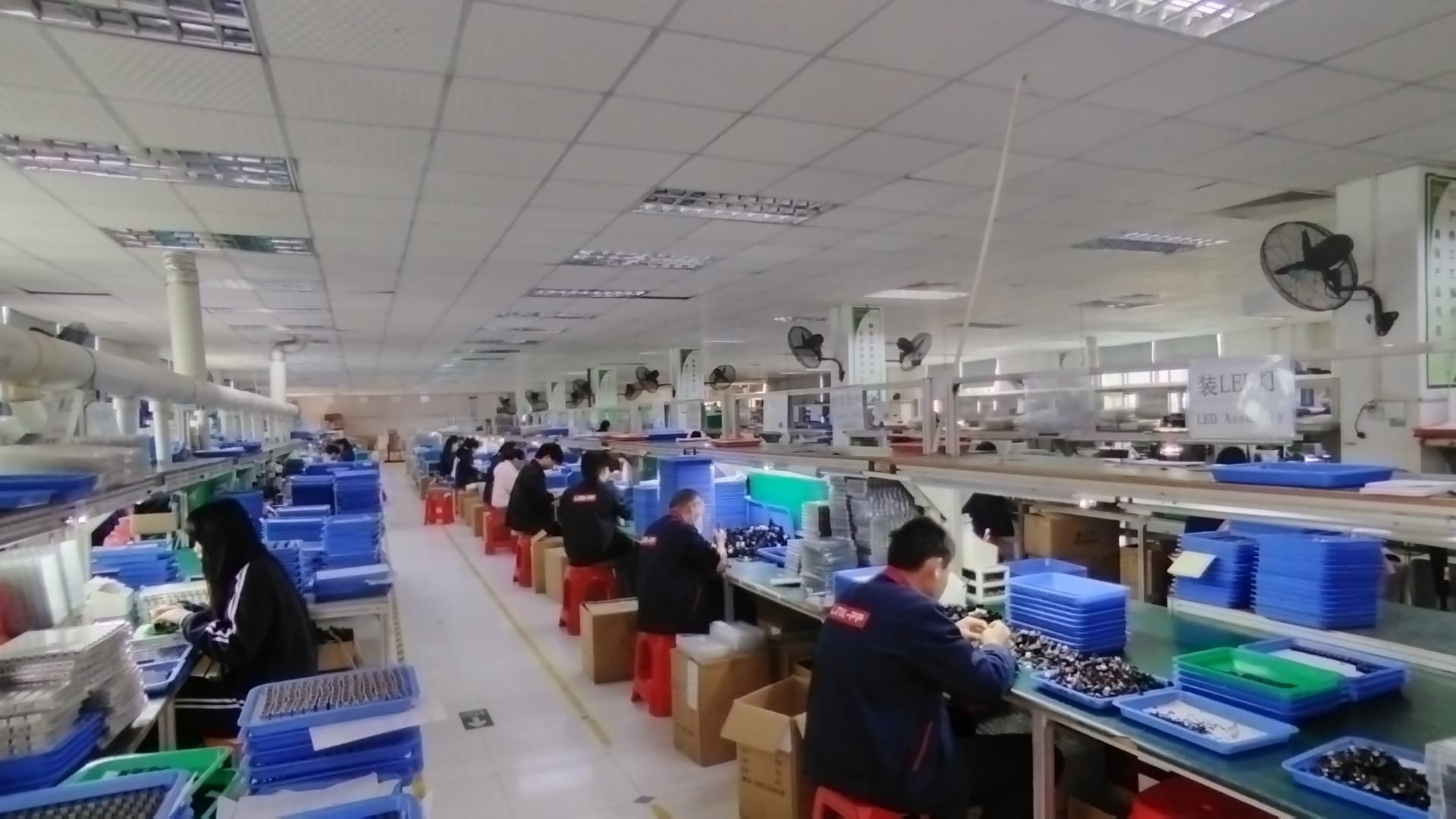
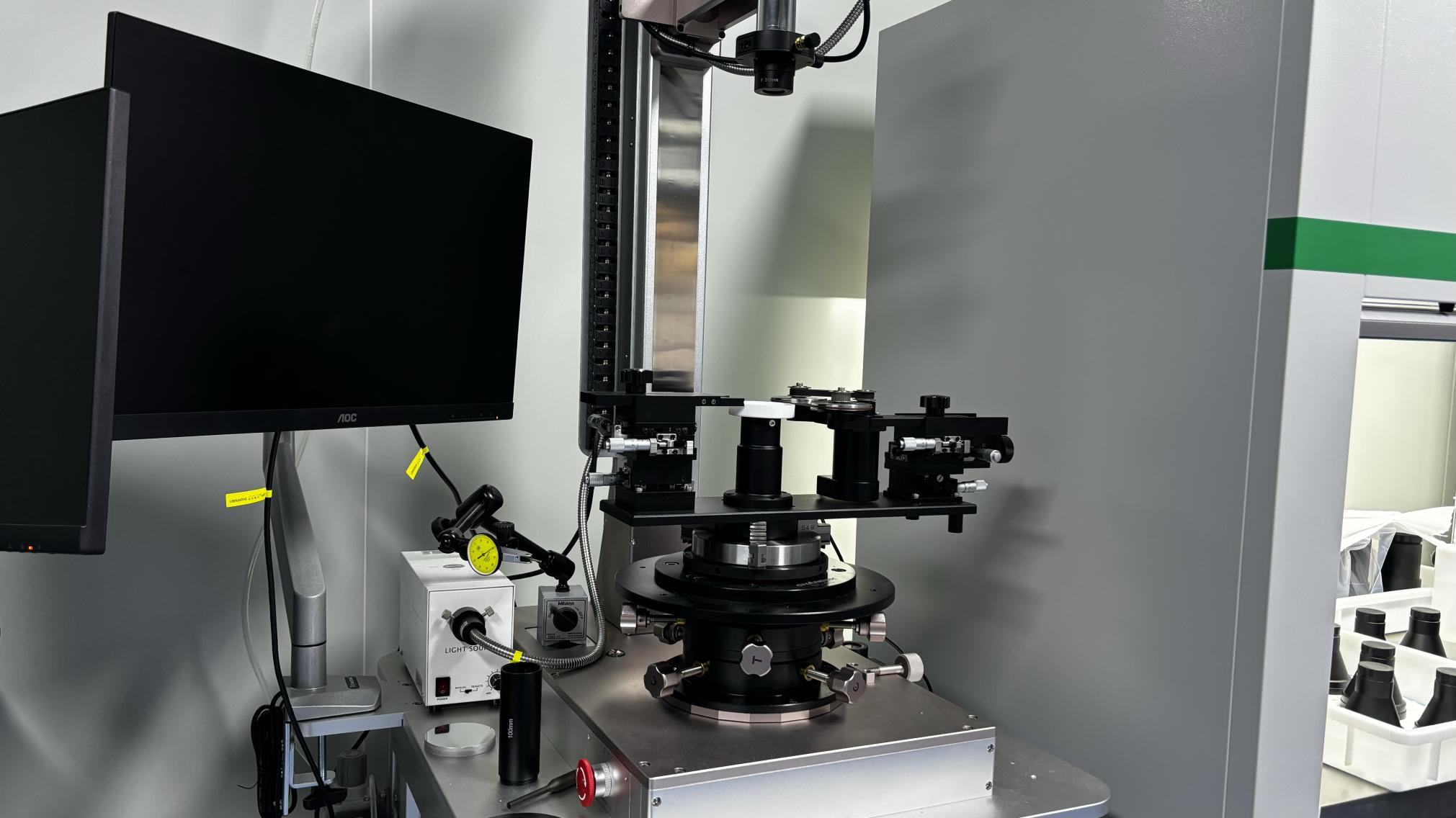
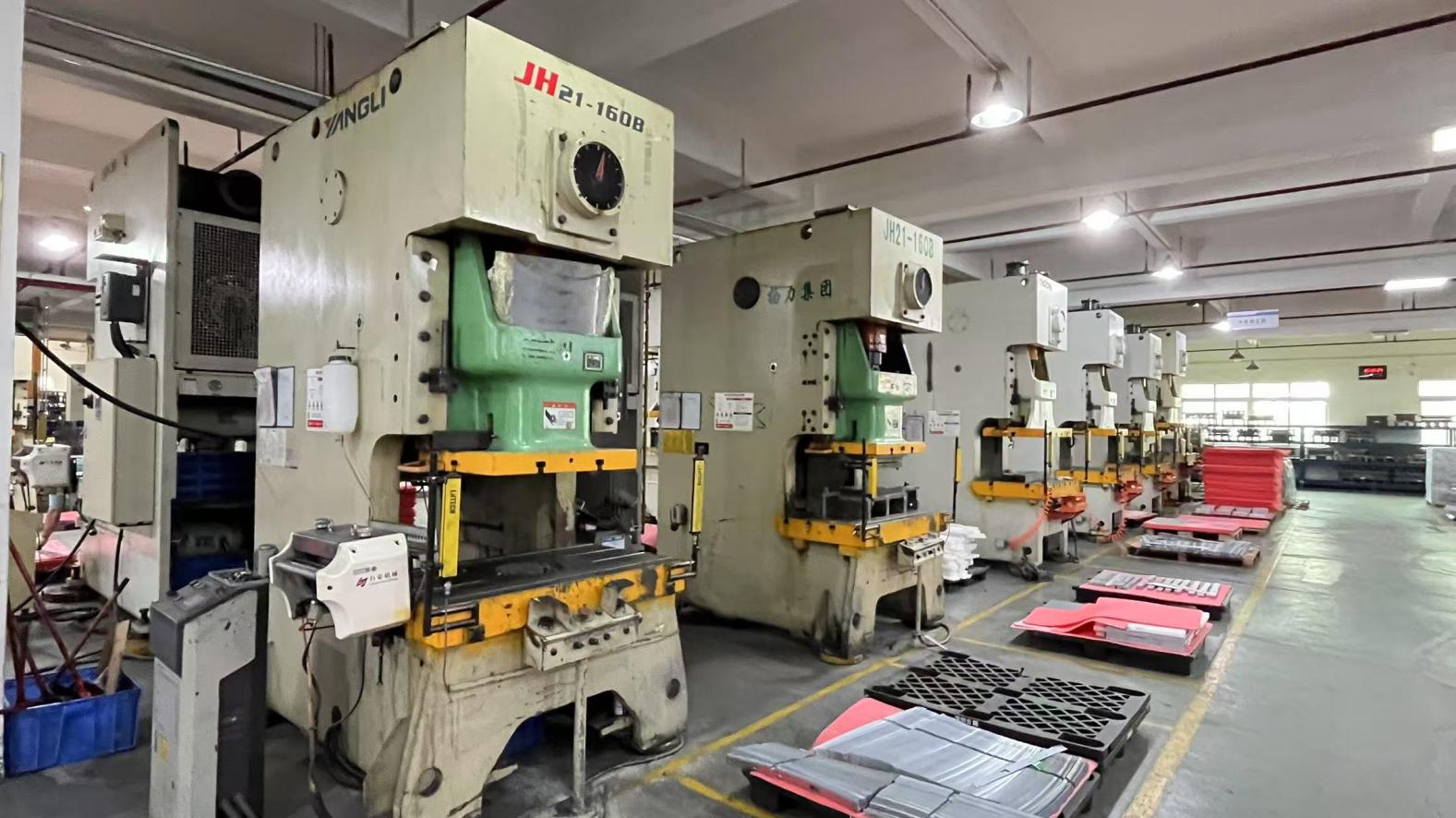
At Novafiber, we host an extensive library of hardware configurations and vendor codes. Every batch is loaded with custom firmware and tested using original network equipment in our compatibility test laboratory. This ensures 100% plug-and-play functionality, without triggering system errors or voiding equipment warranties.
Standard OEM/ODM orders require 3–7 business days for manufacturing and packaging. Air freight shipping from our export hubs to Kuwait International Airport (KWI) generally takes 3–5 business days. Customers in industrial zones like Ahmadi or Shuwaikh can count on streamlined shipping cycles through our global logistics partners.
Yes. While standard modules operate safely between 0°C and 70°C (Commercial Temperature Range), we supply industrial-grade modules specifically engineered to support operating ranges from -40°C up to 85°C. These variants utilize specialized lasers and heat-dissipating shells, making them ideal for desert cabinets and uncooled environments.
Our quality control department consists of 65 dedicated inspection specialists. Every module undergoes active high-temperature aging tests, automated optical testing (AOT) to measure BER (Bit Error Rate), and environmental stress screening (ESS). All production lines strictly follow IPC workmanship standards.
Our transceivers carry CE, FCC, RoHS, and UL marks, facilitating fast customs clearance in accordance with the regulations set by the Communication and Information Technology Regulatory Authority (CITRA) of Kuwait and the Kuwait Conformity Assurance Scheme (KUCAS).
 Novafiber