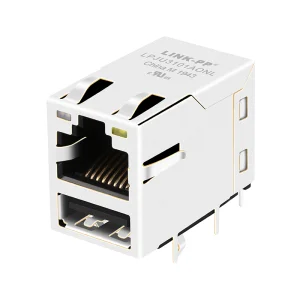
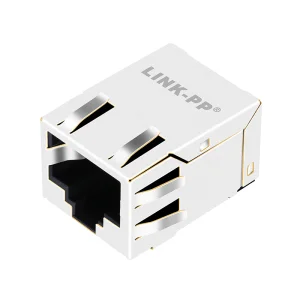
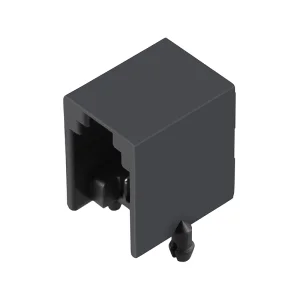
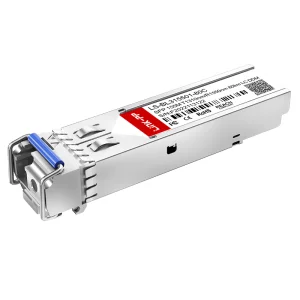
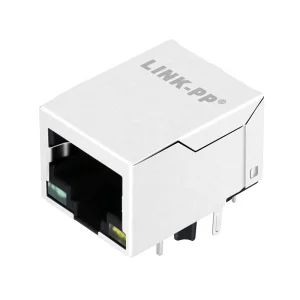
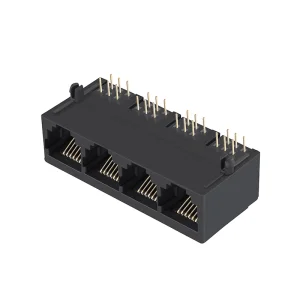
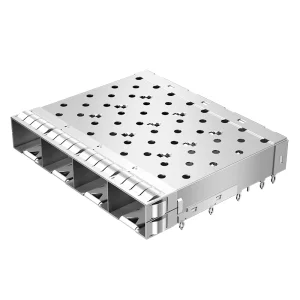
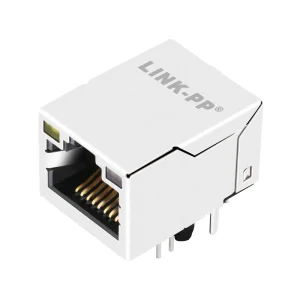
Explore our core selection of precision-engineered connectivity hardware, high-frequency RJ45 interfaces, and high-performance transceivers optimized for high-density environments.
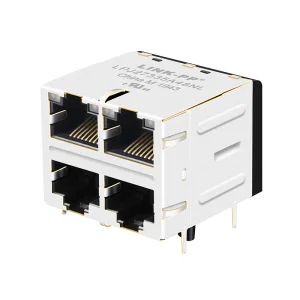
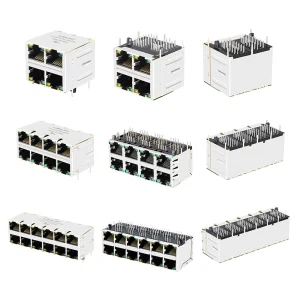
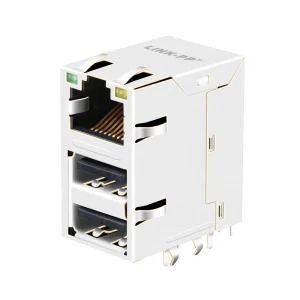
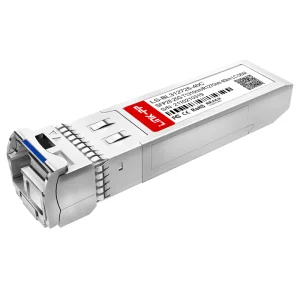
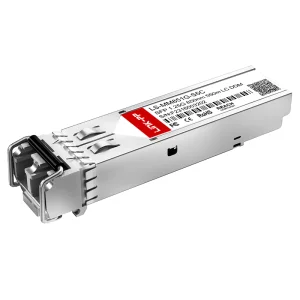
In modern hyper-scale networks, telecommunication closets, and data centers, the patch panel serves as the central neural hub for structured cabling architectures. By consolidating copper and fiber connections into an organized, easily testable interface, patch panels eliminate the risk of cable damage from continuous direct hardware routing. Whether executing Category 6A (Cat6A) 10-Gigabit Ethernet runs over copper or establishing multi-fiber MTP/MPO backbones, the selection of the patch panel dictates system signal integrity, attenuation parameters, and overall network downtime risks.
From an engineering perspective, patch panels function as the demarcation line between the horizontal cabling infrastructure (which remains permanent) and the active equipment switches (connected via flexible patch cords). High-performance factories prioritize two core product classifications:
Mainly used for Category 5e, Category 6, and Category 6A Ethernet distribution. Modern factories manufacture these in both Shielded (STP/FTP) and Unshielded (UTP) options. Shielded panels are integrated with heavy-duty grounding bars and nickel-plated steel enclosures to block Electromagnetic Interference (EMI) in industrial settings.
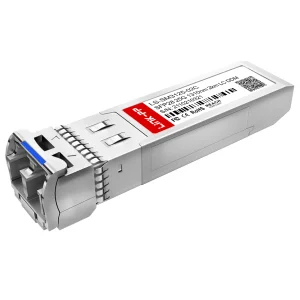
Supporting Single Mode (OS2) and Multimode (OM3/OM4/OM5) fiber configurations. These units employ LC, SC, or MTP/MPO adapters to facilitate ultra-high bandwidth transport across telecom backbones, operating in close synergy with SFP28 and SFP+ optical transceivers.
As a premier global physical layer infrastructure and active transceiver manufacturer, Novafiber Communications Co., Ltd. stands as a key partner for telecom operators, hyper-scale cloud service providers, and global system integrators. Founded in 2016, Novafiber has spent nearly a decade perfecting high-frequency signal paths, electromagnetic shielding, and integrated modular interfaces.
While famous for its advanced R&D in optical transceiver modules (ranging from 1G to 800G speeds, including 25G SFP28 and 10G BiDi modules), Novafiber offers deep industrial synergy for passive structural cabling. Their state-of-the-art manufacturing capabilities directly translate to the high-tolerance requirements of patch panels, SFP+ cages, and PCB-stacked RJ45 magnetic jacks.
Novafiber's production framework is engineered around strict reliability. Operating a specialized 420㎡ facility backed by a massive network of over 1,200 supply chain partners, they deliver rapid turnaround, consistent bulk quality, and optimized material pricing.
| Novafiber Core Capabilities | Specification / Value |
|---|---|
| Year Established | 2016 |
| Total Export Experience | 7+ Years (North America, Europe, SE Asia, Middle East) |
| R&D Engineering Staff | 180 Experienced Engineers |
| Dedicated QC Inspectors | 65 Quality Personnel |
| Annual Export Revenue | ~ USD 8.5 Million |
| Quality Control Systems | IPC Standards, Automated Optical Testing, ESS, 100% Aging |
When purchasing managers select a network patch panel factory, geographic production ecosystems play a critical role. China remains the world's leading manufacturing hub for structured cabling hardware due to several structural benefits:
Unlike fragmented manufacturing regions, Chinese industrial hubs aggregate raw sheet metal fabrication, precision plastic injection molding (for fire-retardant UL94V-0 ratings), and automated PCB assembly within close geographical proximity. This lowers internal logistics costs and speeds up prototyping cycles.
Leading factories deploy high-speed multi-pin punch downs, automated optical inspection (AOI), and precise gold-plating deposition systems. This scale guarantees consistent electrical performance (such as contact resistance < 20mΩ and insulation resistance > 500MΩ) across orders of 10,000+ units.
Top-tier Chinese manufacturers operate under ISO 9001:2015 quality management systems. Their products comply with ANSI/TIA-568.2-D, ISO/IEC 11801 edition 3, and RoHS guidelines, ensuring trouble-free integration into international network projects.
The structured cabling landscape is adapting to support high-density virtualization, Multi-gigabit PoE (Power over Ethernet), and hybrid fiber-copper layouts. Sourcing managers should align with manufacturers who are actively developing solutions in these key areas:
As real estate costs in data centers rise, saving rack space (RU) is critical. Traditional 24-port panels occupy 1U of rack space. Modern factories now manufacture 48-port 1U and 24-port 0.5U systems. Additionally, angled patch panels guide patch cords directly into vertical cable managers on each side, eliminating the need for horizontal cable management panels and saving up to 50% of rack space.
Many low-cost factories sell panels that only pass "channel tests" (meaning the panel works when combined with high-performance cables). However, premium factories engineering for high-density environments build to Component-Level Standards. A component-compliant patch panel meets strict crosstalk standards on its own, providing headroom to handle real-world deployment challenges.
With modern networks delivering up to 90W-100W of power (PoE++ / IEEE 802.3bt) over Category cabling, disconnecting patch cords under load can cause electrical arcing, which damages the RJ45 pins. Top-tier factories design their contacts with special geometry to ensure that the arcing occurs away from the critical signal-transmission area, guaranteeing long-term durability.
Driven by automated infrastructure management (AIM), intelligent patch panels utilize LED indicators and sensor pins on each port to detect connections in real time. This allows network administrators to map connections, track changes, and diagnose patching errors instantly from remote management software.
Patch panels are deployed across various operating environments, each requiring distinct physical and electrical characteristics.
| Deployment Environment | Cabling Specifications | Recommended Patch Panel Architecture | Key Performance Priority |
|---|---|---|---|
| Enterprise Data Centers | Cat6A U/FTP & MTP/MPO Fiber | 1U 48-Port Shielded Keystone Panels & Ultra-density Fiber Cassettes | Alien Crosstalk Mitigation, Near-zero Insertion Loss, Minimal Space Footprint |
| Industrial Automation Plants | Cat6 Industrial STP / Double Shielded | IP67 Enclosures, Fully Grounded Metal Shielded Panels | Heavy EMI/RFI Shielding, Vibration Resistance, Dust and Moisture Seals |
| Healthcare & Smart Campuses | Cat6A UTP / Cat8 Cooper Backbone | Angled 24-Port Panels with Antibacterial Plastic Facings | Support for High PoE++ (90W) Delivery, Simple MAC (Moves, Adds, Changes) Operations |
| Corporate Smart Offices | Cat6 UTP / Singlemode FTTH | Standard Flat 24-Port Keystone Panels, Slide-Out Drawer Fiber Panels | Cost-effective deployment, clean labeling fields, ease of punch-down termination |
To ensure sourced products match the strict needs of your project, procurement teams should evaluate patch panel manufacturers using these core engineering guidelines:
Ensure contacts are made of Phosphor Bronze plated with at least 50 micro-inches of gold over nickel. Thin gold plating wears off after a few insertions, causing corrosion and increased signal loss.
Insulation Displacement Contact (IDC) blocks should support both 110 and Krone punch-down tools. They must be rated for at least 250 re-terminations and fit wire sizes from 22 to 26 AWG.
For shielded setups, check that the panel includes a pre-installed, high-conductivity grounding busbar and a secure drain wire clamp. This ensures proper grounding path continuity across the installation.
A Keystone Patch Panel features empty ports designed to snap in modular keystone jacks (RJ45, fiber optic, HDMI, or coax). This offers high deployment flexibility and simplifies repairs. A Loaded Punch-down Panel has built-in RJ45 ports wired directly to fixed IDC blocks on the back. While loaded panels are typically more cost-effective upfront, replacing a single damaged port requires changing the entire panel.
The main difference lies in internal crosstalk management at higher frequencies. Cat6 panels operate up to 250 MHz, while Cat6A panels handle up to 500 MHz to support 10GBASE-T speeds. Cat6A panels use tighter physical spacing tolerances, enhanced internal isolation, and shielding around individual ports to prevent Alien Crosstalk (crosstalk between adjacent cables).
Fluke DSX-8000 analyzers measure key performance metrics like insertion loss, NEXT (Near-End Crosstalk), return loss, and shield integrity against TIA/ISO standards. Sourcing manufacturers that supply Fluke Test Reports for each batch guarantees that the hardware meets rated performance benchmarks, preventing installation and signal issues on-site.
Yes. High-wattage PoE applications (PoE+ and PoE++) run current through Ethernet wires, generating heat. Patch panels must feature low DC contact resistance to prevent overheating inside cable bundles. Additionally, high-quality connector designs are needed to withstand arc-flash damage when patch cords are unplugged under electrical load.
Discover our range of optical transceivers, standard modular jacks, and shielding solutions, designed to work seamlessly in high-speed, high-density networks.
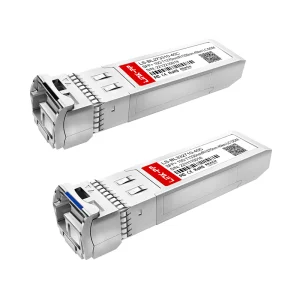
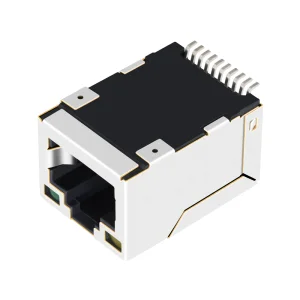
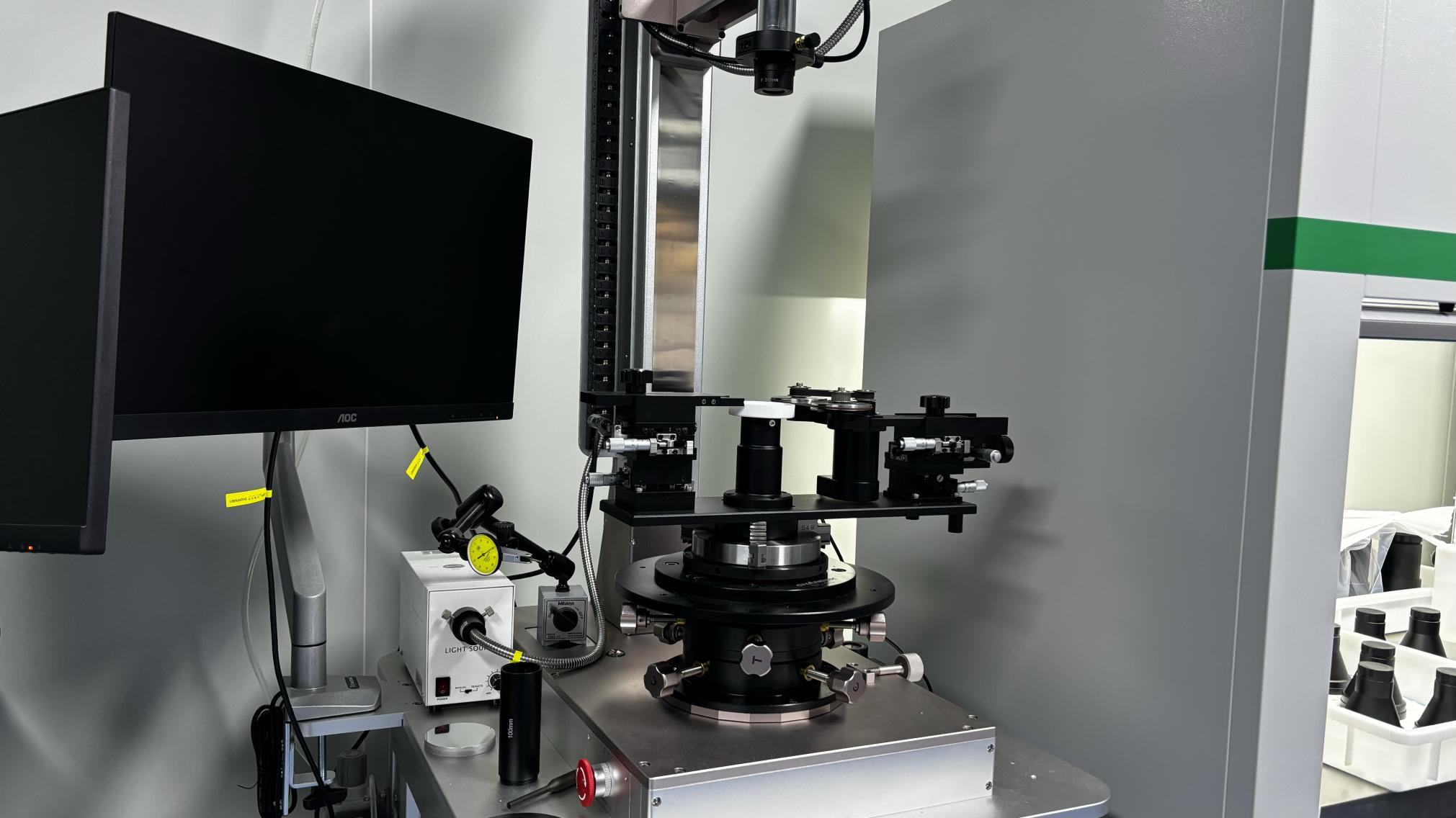
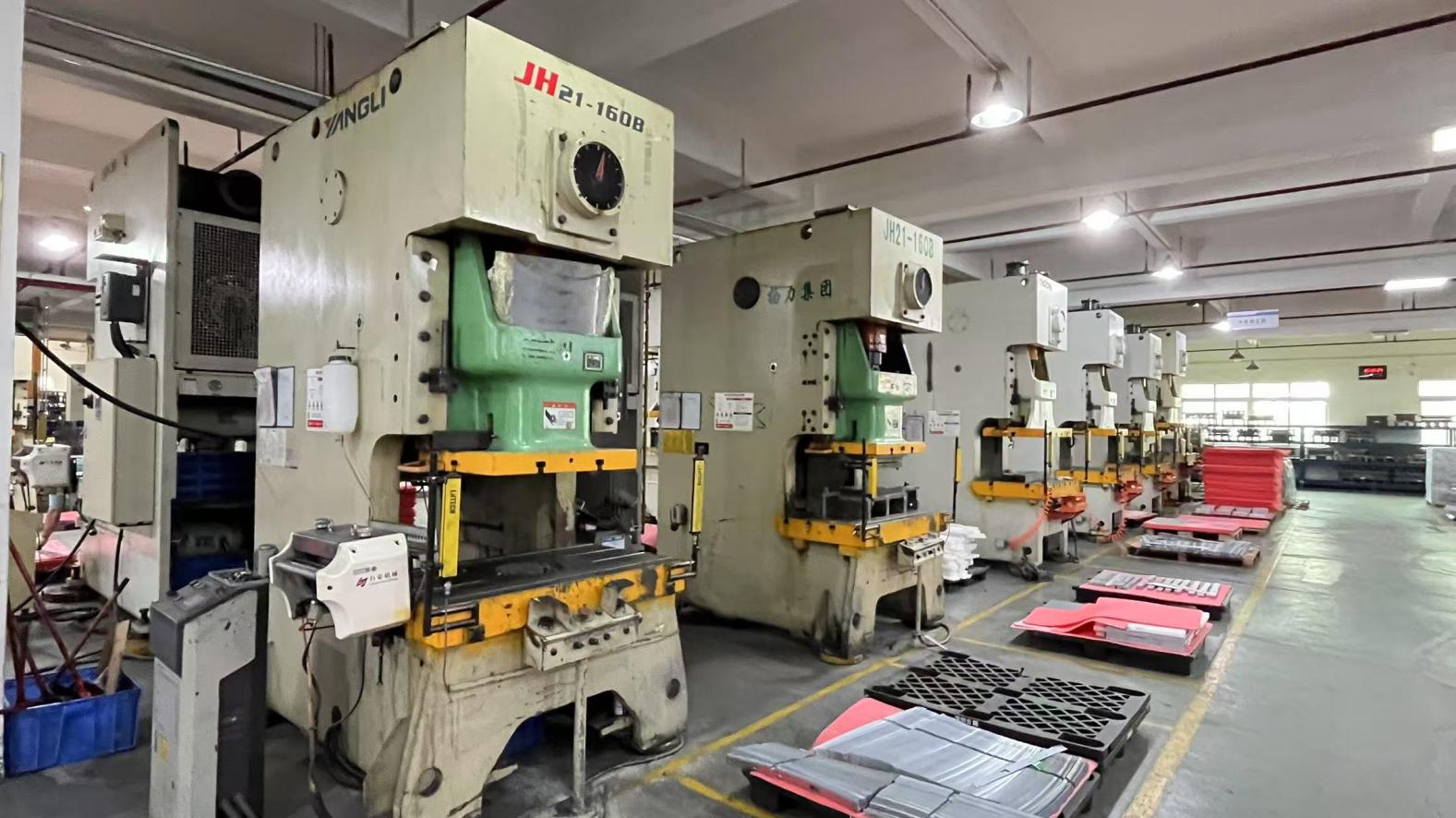
Below is an overview of our advanced facilities, testing laboratories, and manufacturing floors. Each facility follows strict cleanroom protocols, electrostatic discharge (ESD) safety measures, and continuous quality audits to guarantee high-performance networking hardware.


 Novafiber