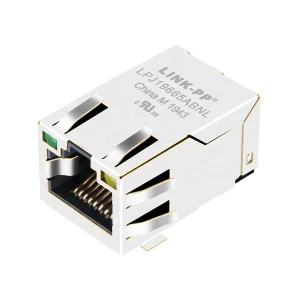
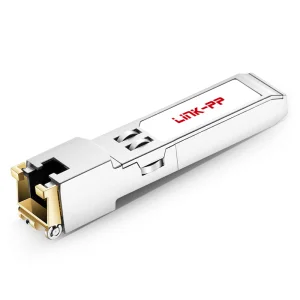
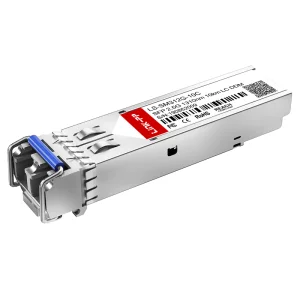
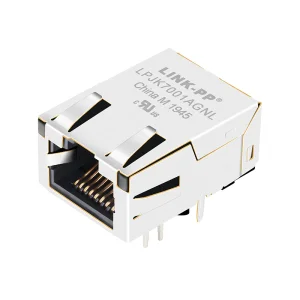
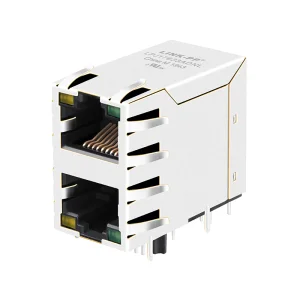
Explore our industrial-grade transceivers, RJ45 magnetics, and patch connectivity components designed to meet rigorous enterprise performance specifications.
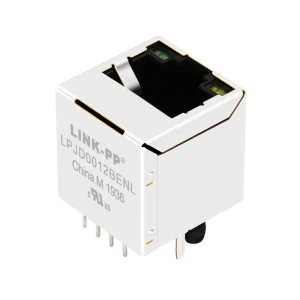
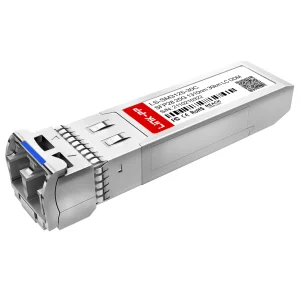
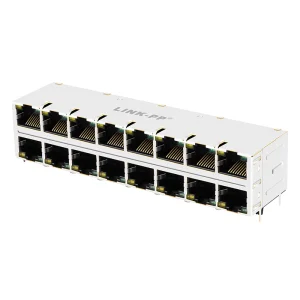
Analyzing the paradigm shift in high-density optical fiber patch cord deployment across modern data networks.
The global telecommunication sector is experiencing an unprecedented expansion, driven by the emergence of Artificial Intelligence (AI) compute clusters, High-Performance Computing (HPC), and 5G/6G communication systems. At the foundation of this digital transformation lies the passive optical network (PON) and Structured Cabling Systems. Fiber optic patch cords are no longer viewed as simple utility cables; they are critical system components that determine the ultimate transmission quality, channel latency, and system integrity of long-haul and localized enterprise systems.
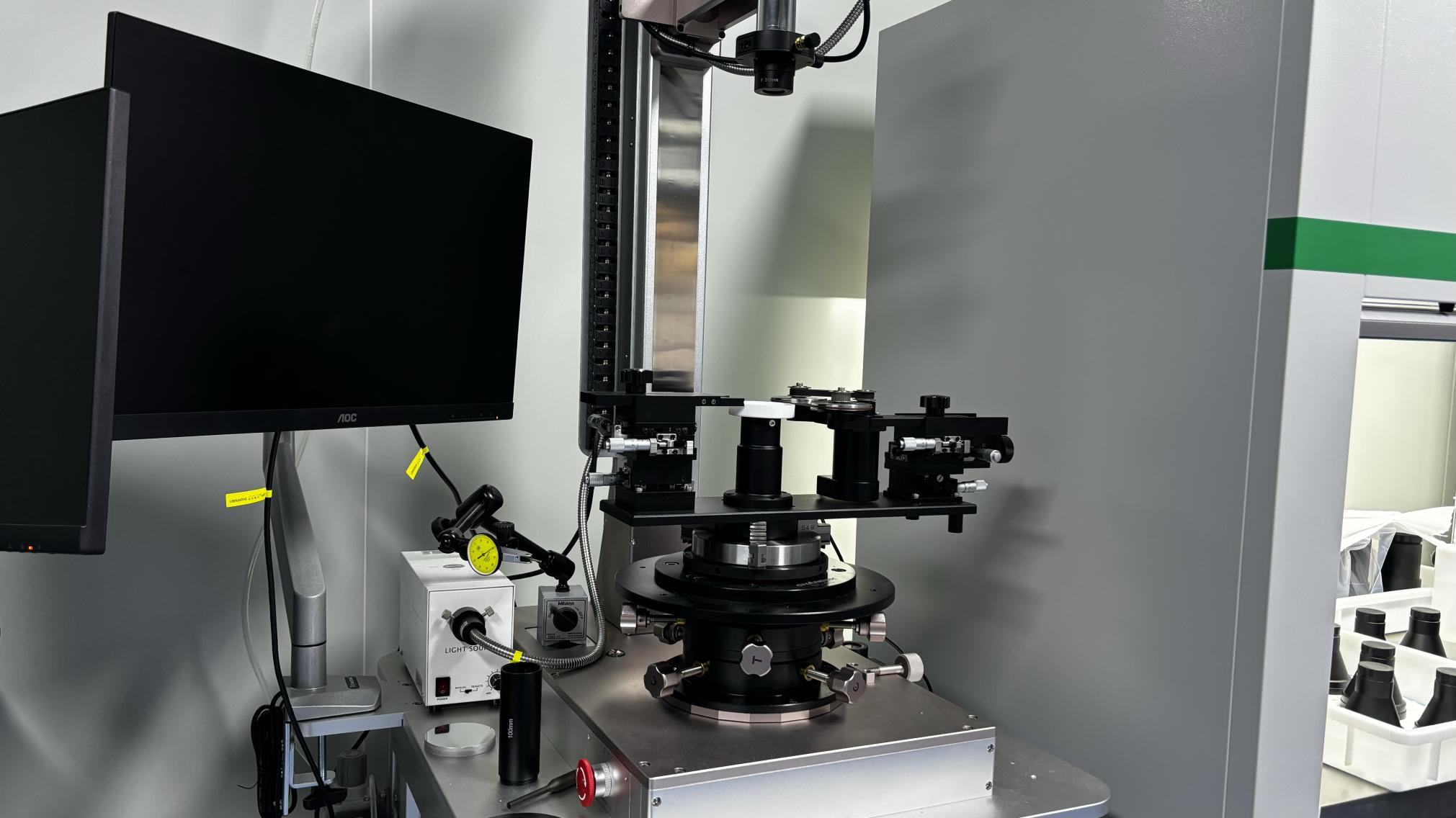
As transmission data rates accelerate from 100G to 400G, 800G, and ultimately 1.6T, signal loss thresholds become extremely tight. Factors like Insertion Loss (IL), Return Loss (RL), and polarization-mode dispersion (PMD) become critical variables. Modern fiber patch cables must maintain micro-precision alignment, often down to sub-micron levels, to minimize back-reflection and ensure smooth optical path transitions. Novafiber Communications stands at the forefront of this manufacturing evolution, combining advanced structural engineering with state-of-the-art metrology to deliver fiber patch cords and optical transceiver solutions that withstand harsh operational environments while maintaining optimal optical efficiency.
A look at the capabilities, infrastructure, and supply network of Novafiber Communications.
Novafiber is supported by an engineering team of 180 experienced R&D specialists. Our focus on continuous innovation allowed us to release 320 new custom products and architectural variations in the past year alone, supporting advanced protocol integration and bespoke hardware development.
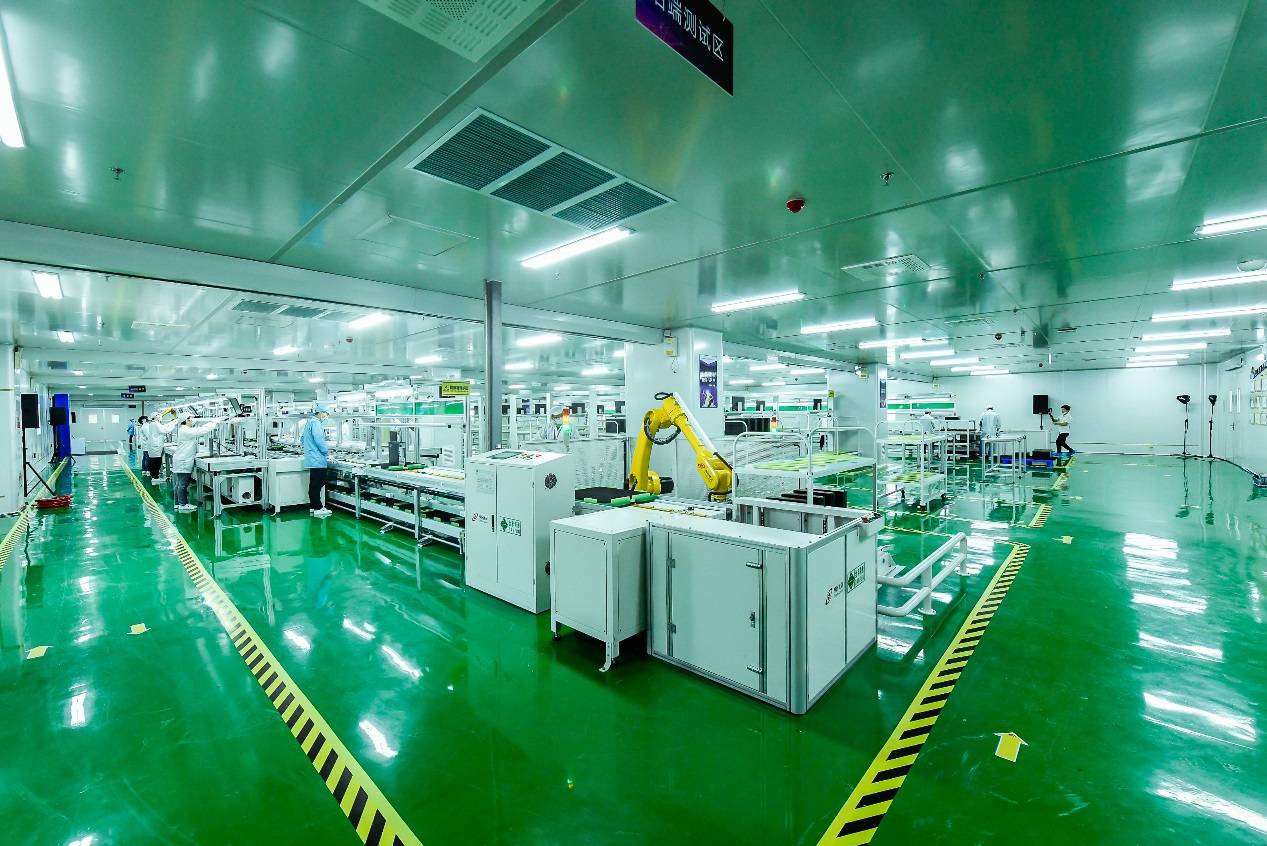
Our dedicated R&D lab and micro-precision assembly facility spans a cleanroom environment of 420㎡. This space is highly optimized for complex electro-optical component design, high-frequency signal testing, and precision fiber alignment termination.
Our operations leverage a network of over 1,200 supply chain partners. This ecosystem guarantees supply continuity for high-grade quartz cores, outer jackets (LSZH, plenum, riser), and connector components, supporting consistent lead times.
Reliable operations require strict testing. Here is how Novafiber ensures performance in enterprise applications.
High-speed networking equipment demands stable optical fiber connections. To meet these needs, Novafiber utilizes a quality control team of 65 dedicated QA inspectors who monitor every step of production. Our facility conforms to strict global manufacturing guidelines, including IPC standards, ensuring each component meets international workmanship requirements.
Our optical characterization protocols are built on two foundational testing methods: Automated Optical Testing (AOI) and Environmental Stress Screening (ESS). Through these systems, we run our products through rigorous validation stages:
Keeping pace with next-generation fiber interfaces and transceiver designs.
To support high port densities in modern switching equipment, systems are shifting from LC/SC connectors to multi-fiber push-on (MPO/MTP) and micro-interfaces like CS, SN, and MDC, increasing optical port density per rack unit.
Our single-mode fiber (SMF) configurations feature zero-water-peak profiles, while OM5 wideband multimode fiber (WBMMF) supports short-wavelength division multiplexing (SWDM), optimizing performance in data centers.
We are advancing our active transceiver research to align with Linear-drive Pluggable Optics (LPO) and Co-Packaged Optics (CPO) architectures. This design helps minimize link latency and electrical requirements at high bandwidths.
Targeted solutions developed for specific global market applications.
Designed for spine-and-leaf network topologies. Our customized MTP/MPO patch cords and high-speed transceivers (25G, 100G, 400G) facilitate high bandwidth distribution with minimal cable volume, simplifying rack routing and airflow management.
Providing robust connectivity for FTTH and 5G Fronthaul applications. Engineered with low attenuation and bend-insensitive single-mode fiber (G.657.A2), these patch cables handle tight installation bends without optical performance loss.
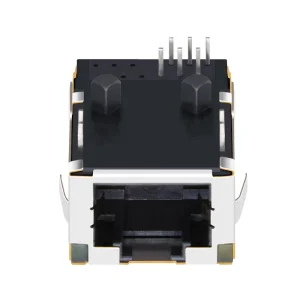
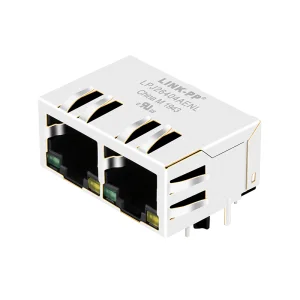
Reliable components designed for high EMI and physical strain. Featuring shielded housings, integrated LEDs, and chemical-resistant outer jackets, these connectors ensure stable link uptime in harsh factory environments.
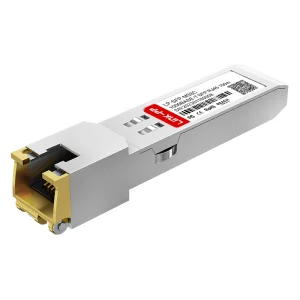
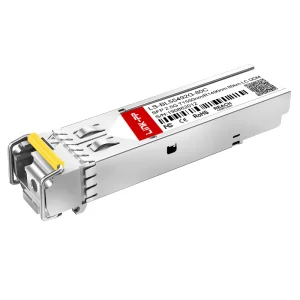
Verify our high-reliability components, designed for broad compatibility with international networking equipment.
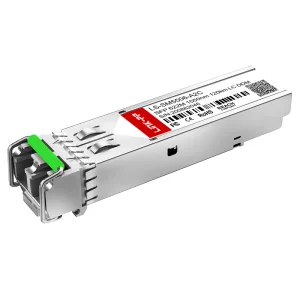
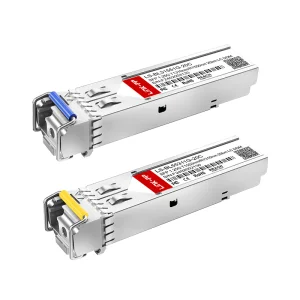
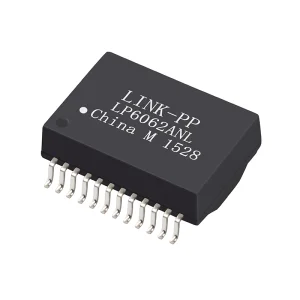
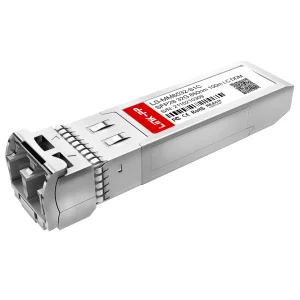
Get answers to common technical and logistical questions from network engineers and procurement teams.
Our standard Single Mode fiber patch cables are engineered to maintain an Insertion Loss (IL) ≤ 0.20 dB (with typical values around 0.12 dB). The Return Loss (RL) is kept above 50 dB for Ultra Physical Contact (UPC) connectors and above 60 dB for Angled Physical Contact (APC) connectors. This low attenuation profile ensures clean signal transitions, reducing packet drop rates in high-frequency optical links.
We provide full customization, including choices for fiber core types (OS2 Single-Mode, OM3/OM4/OM5 Multi-Mode), cable diameter sizes (0.9mm, 2.0mm, 3.0mm), jacket flame ratings (LSZH, Plenum OFNP, Riser OFNR), and connector types (LC, SC, ST, FC, MTP/MPO-12/24/48). We can also customize custom lengths, boot profiles, print legends, and color configurations to match specific database rack layouts.
Our optical transceivers and active patch assemblies undergo testing on host switches in our laboratory. By writing specific EEPROM firmware profiles, we ensure our modules are compatible with Cisco, Juniper, Arista, Ubiquiti, and other major platforms, avoiding system warning messages upon installation.
Environmental Stress Screening places the optical components through rapid, controlled temperature cycling (from -40°C to +85°C). This process helps detect latent manufacturing issues, such as micro-voids in epoxy or internal mechanical stress in ceramic ferrules, before shipping. This step ensures long-term reliability in outdoor telecom enclosures and industrial installations.
Supported by a network of over 1,200 supply chain partners, we can source raw materials reliably to keep manufacturing lines active. This network helps us maintain stable lead times for high-volume orders, even during periods of high market demand.
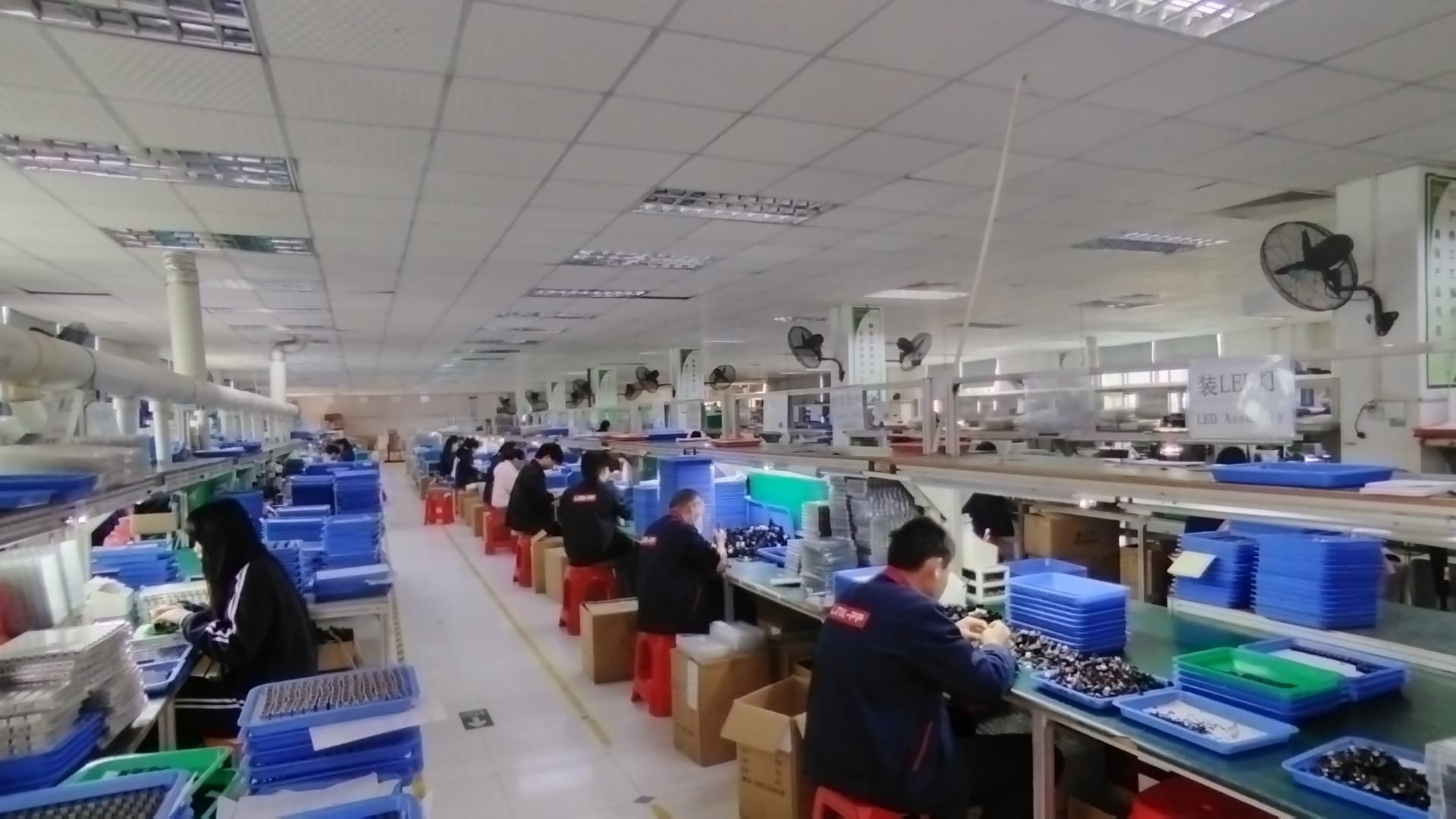
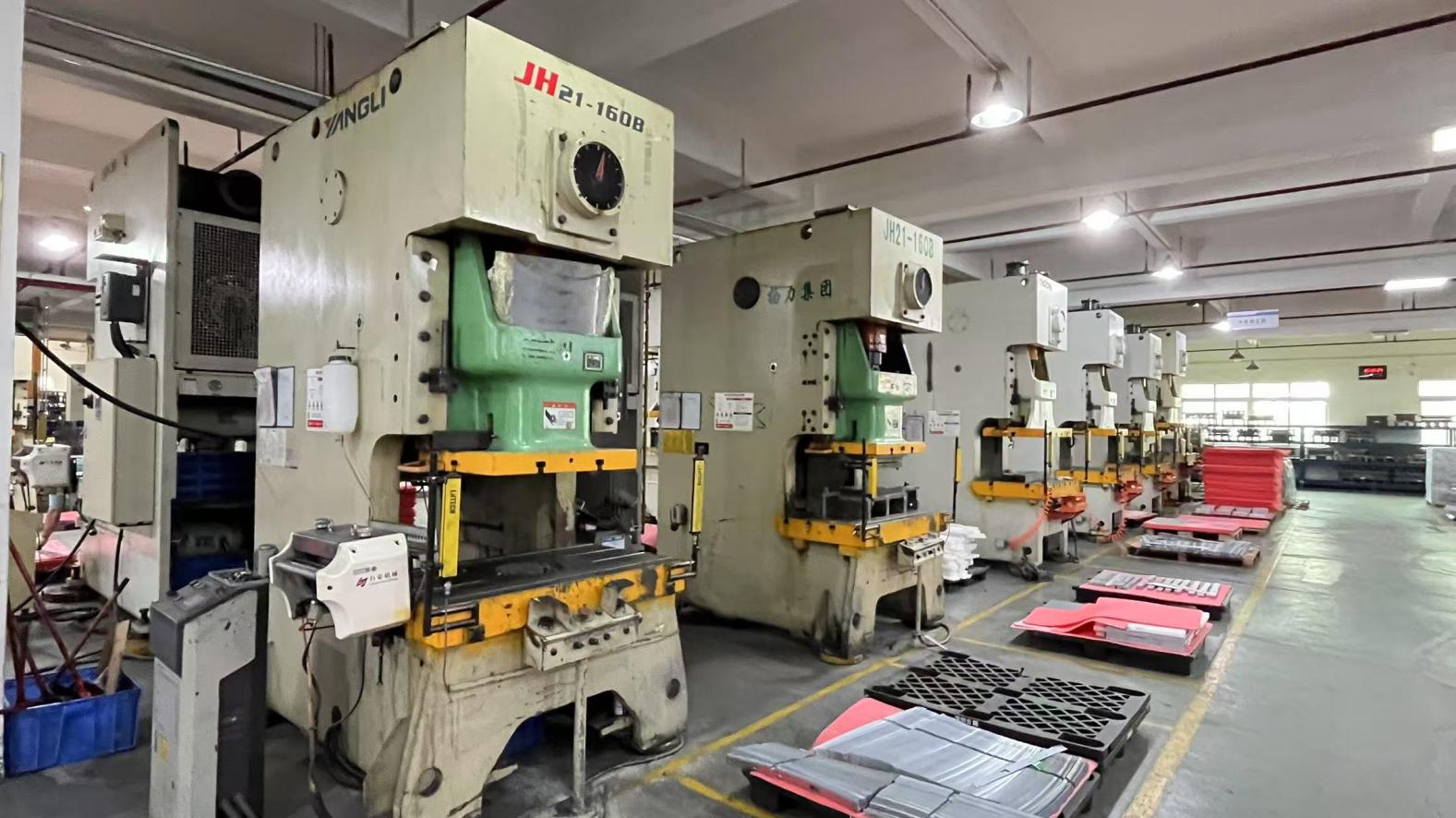
Operational facilities, high-precision assembly laboratories, and certified logistics operations.
 Novafiber