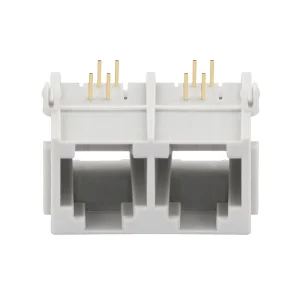
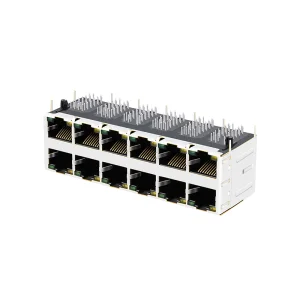
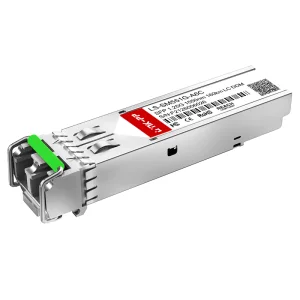
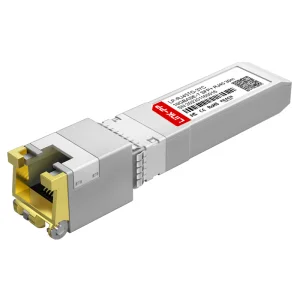
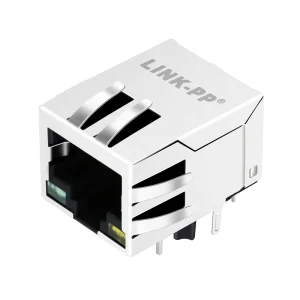
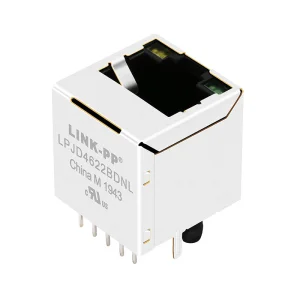
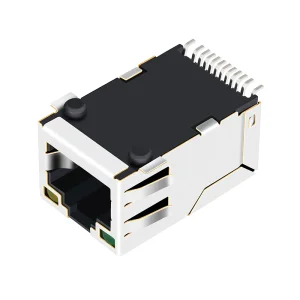
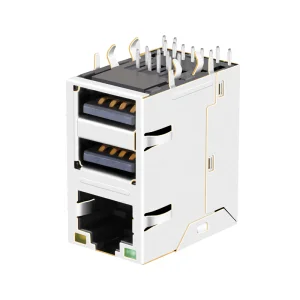
Explore the initial tier of engineered industrial RJ45 modules, SFP interfaces, and transceiver units configured for low signal degradation and high mechanical resistance.
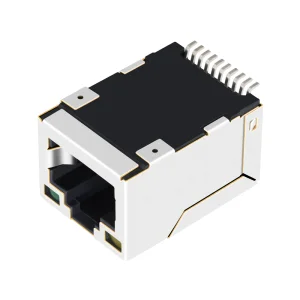
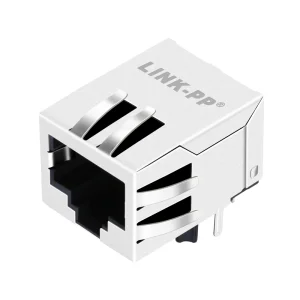
In the contemporary landscape of industrial automation, smart infrastructure, and internet-of-things (IoT) ecosystems, standard commercial RJ45 connectors represent a distinct vulnerability. In hostile environments subject to humidity, extreme heat, chemical contact, continuous mechanical stress, and strong electromagnetic fields, unprotected copper nodes quickly deteriorate, causing packet dropouts and overall network failure.
Overmolding encapsulates the connection point in specialized polymers (such as PUR, TPE, or PVC), achieving complete sealing up to IP67 and IP68 standards. This eliminates liquid ingress, dust accumulation, and chemical degradation at the contact level.
Industrial machinery generates continuous mechanical vibration that can induce contact wear in basic connectors. Overmolded structures distribute tensile force along the cable jacket, acting as a robust strain relief.
By protecting internal shielding (STP/FTP) configurations up to the interface point, overmolding minimizes NEXT (Near-End Crosstalk), FEXT (Far-End Crosstalk), and electromagnetic interference (EMI) in high-voltage industrial zones.
As structural bandwidth demands escalate to support high-definition machine vision and real-time motion control, overmolded RJ45 connectors have transitioned from premium components to core operational necessities. Companies that design, build, and export these interconnect units must maintain strict adherence to advanced materials science and manufacturing metrics to survive global market audits.
The operational lifespan of an overmolded RJ45 assembly depends on matching the potting and overmold compounds to the destination environment. Selecting an inappropriate compound risks polymer cracking, outgassing, or chemical breakdown.
| Material Type | Ingress / Chemical Resistance | Operating Temp Range | Best Application Environments |
|---|---|---|---|
| Polyurethane (PUR) | Excellent resistance to abrasion, oils, cutting fluids, and microbial degradation. | -40°C to +85°C | Robotic arms, automotive assembly lines, machine tooling units. |
| Thermoplastic Elastomer (TPE) | Superior flexibility, UV exposure tolerance, and ozone resistance. | -50°C to +125°C | Outdoor telecommunication infrastructure, marine cabling, cold storage logistics. |
| Polyvinyl Chloride (PVC) | Cost-effective, good acid/alkali resistance, but lower mechanical durability. | -20°C to +75°C | Controlled control cabinets, static industrial racks, and standard test equipment. |
The industrial interconnect landscape is evolving rapidly. While Cat5e and Cat6 remain the operational baselines, the market is shifting toward Cat6A (10GBASE-T) and the integration of Single Pair Ethernet (SPE / 10BASE-T1L). Overmolding manufacturers must maintain rigorous R&D profiles to handle high-frequency shielding demands while decreasing the physical connector footprint.
Chinese manufacturers have transcended basic assembly paradigms. They now serve as direct R&D partners for complex global supply chains. By establishing deep ecosystems containing raw material suppliers, injection molding specialists, precision tooling shops, and verification laboratories, exporters provide high adaptability and speed-to-market.
Top-tier exporters operate under IPC standards, utilizing automated optical inspection (AOI), time-domain reflectometry (TDR) for high-speed signal analysis, and environmental stress screening (ESS). Testing involves thermal shock, salt spray erosion, cyclical flex fatigue, and complete waterproofing validation to guarantee field performance.
Founded in 2016, Novafiber runs a 420㎡ state-of-the-art facility focused on high-performance optical and copper interconnects. Backed by 180 engineers and exporting USD 8.5 million annually, Novafiber exemplifies Chinese engineering capability, offering extensive OEM/ODM customization from protocol adaptation to custom overmolded strain reliefs.
The requirements for an overmolded interconnect assembly depend heavily on its end application. Below are four key industrial scenarios where overmolded RJ45 connectors prevent system failures:
Automated assembly floors generate high mechanical vibration, chemical exposure, and electromagnetic fields. Heavy overmolded RJ45 cables provide continuous strain relief and EMI/RFI shielding to maintain uninterrupted sensor and actuator feeds.
Edge computing terminals and outdoor radio base stations require IP68 ingress protection. Overmolded cables, sealed with UV-stable TPE compounds, endure thermal cycles, UV radiation, and moisture ingress without structural degradation.
Saline atmospheres quickly corrode copper pins in standard connectors. Sealed overmolded RJ45 structures, paired with corrosion-resistant nickel/gold-plated components, maintain data connections in offshore installations and onboard vessels.
Visualizing the high precision manufacturing, test environments, and quality management facilities behind world-class interconnect and optical technologies.

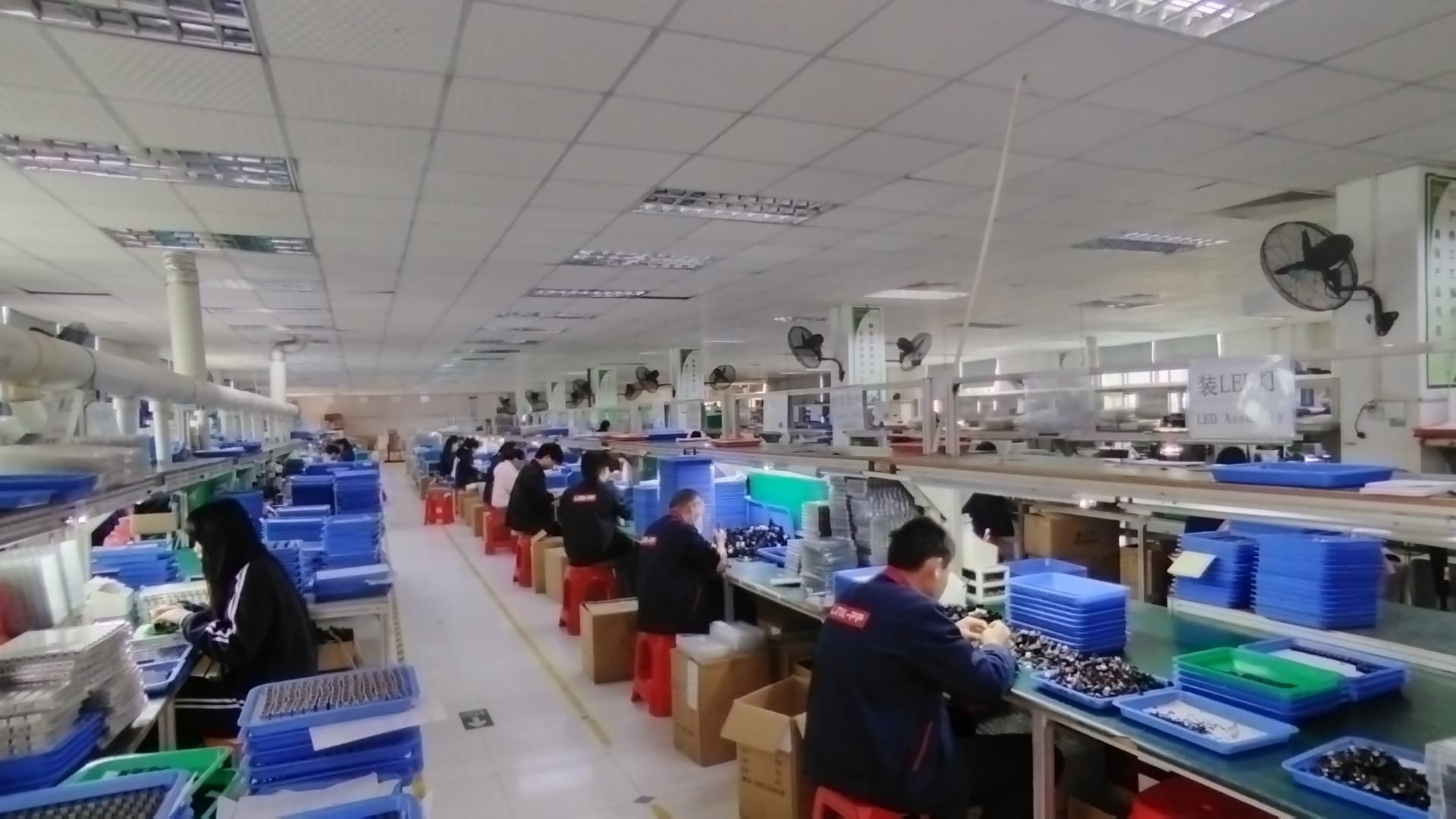
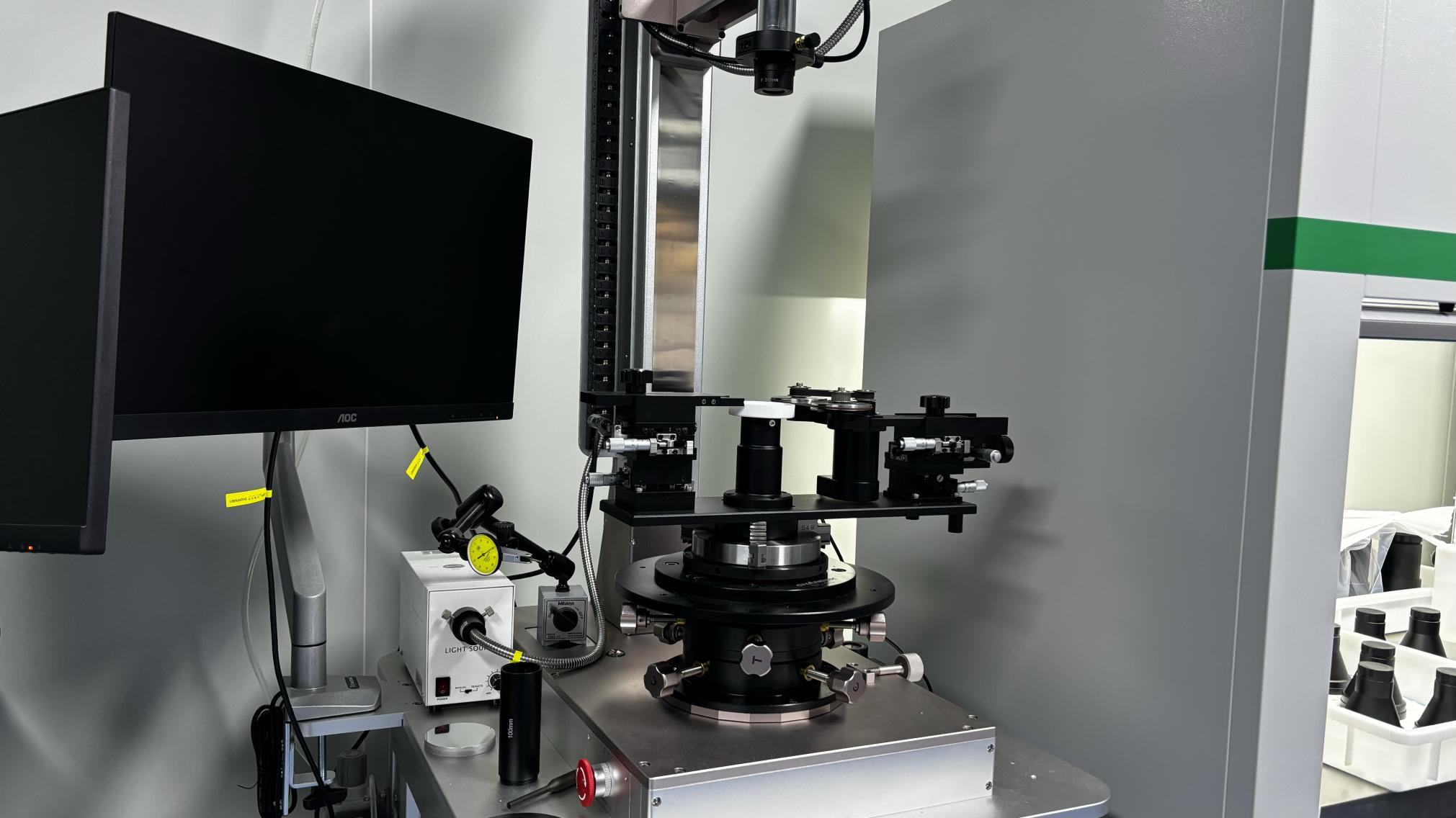
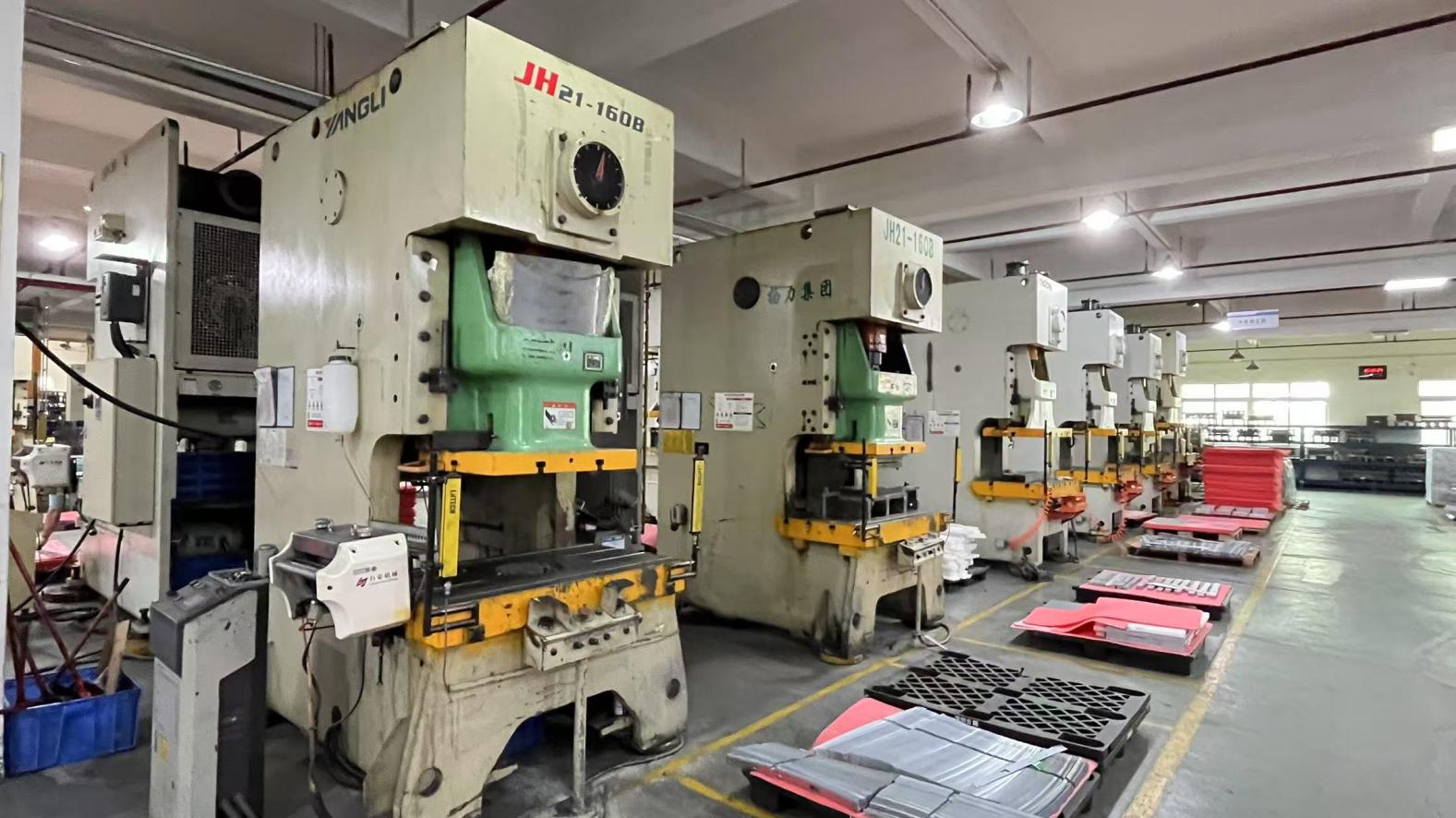
Entering international markets requires adherence to rigorous testing and environmental compliance structures. Importers and procurement groups must verify that their manufacturing partners meet these standards to avoid supply chain disruptions or regulatory penalties.
Ensuring compliance with electromagnetic compatibility and safety regulations. High-grade industrial overmolded connections often carry UL94 V-0 flame ratings to guarantee high thermal protection.
Exporters must guarantee that their plastics, potting compounds, and solder alloys contain no hazardous substances. This is critical for European Union integration and global environmental standards.
Standardized quality management systems verify that every production run—from initial raw wire inspection to final high-voltage insulation tests—follows documented, traceable procedures.
Get technical insights directly from our engineering team regarding overmolded interconnect assemblies.
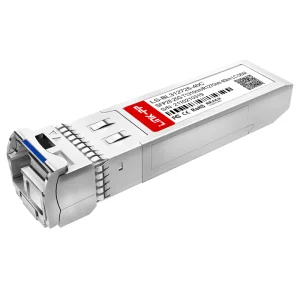
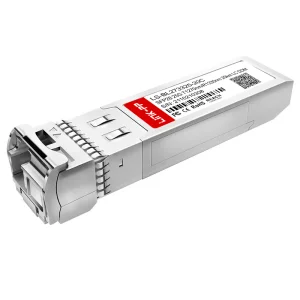
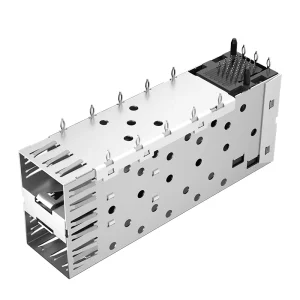
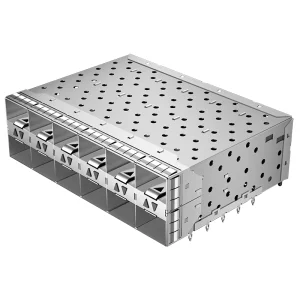
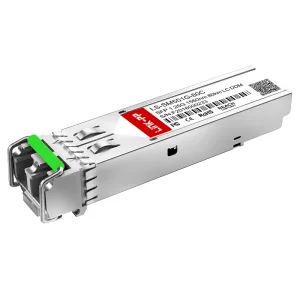
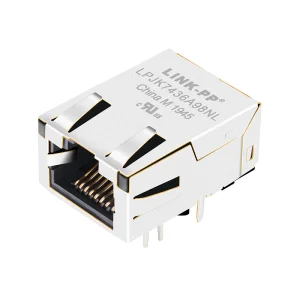
Explore our second tier of optical components, high-speed transceiver modules, and multi-port modular connectors designed for reliable network interfaces.
 Novafiber