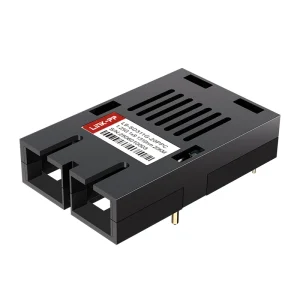
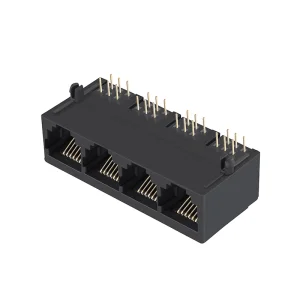
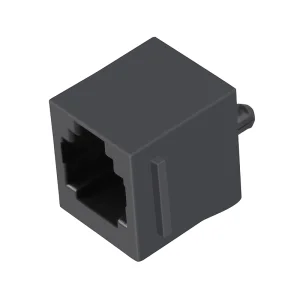
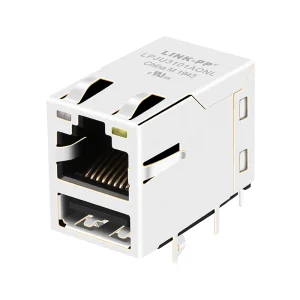
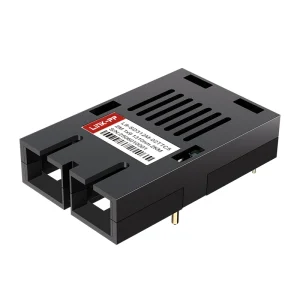
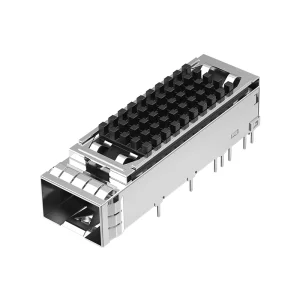
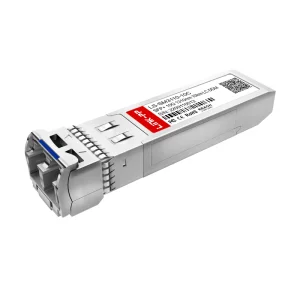
Explore our top-performing modular jacks, optical transceivers, and SFP cage hardware optimized for telecom systems and high-density industrial deployments.
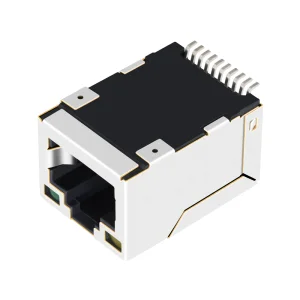
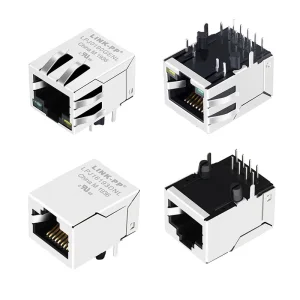
In today's highly digitized industrial ecosystem, signal integrity at the physical layer is paramount. The Flex RJ45 Connector has transitioned from a niche component to a critical element in high-density networking, automated industrial machinery, and robotic systems. Standard rigid RJ45 connectors are prone to pin misalignment, micro-fretting corrosion, and mechanical fatigue when subjected to continuous movement, shock, or vibration. A Flex RJ45 design solves this through flexible printed circuitry (FPC) integration or modular flexible boot systems, enabling dynamic routing without degrading high-frequency signal integrity.
From a global market perspective, the integration of 10G, 5G, and 2.5G Base-T speeds in ruggedized environments has driven substantial changes. Engineering procurement managers are looking beyond simple plastic components. They require robust modular jacks that feature 50 micro-inches of gold plating, integrated magnetics (MagJacks) for electromagnetic interference (EMI) suppression, and specialized shielding to prevent crosstalk in electromagnetically noisy factory floors. These connectors form the backbone of Industrial Internet of Things (IIoT) frameworks, medical imaging devices, and high-performance server architectures.
Standard RJ45 connectors experience impedance mismatches and return loss spikes when the cable is bent at tight angles. Flex RJ45 connectors maintain a fixed terminal configuration while allowing physical displacement of the structural housing or the cable entry point. This minimizes signal attenuation and near-end crosstalk (NEXT), supporting Cat6a and Cat7 specifications even under dynamic flex cycles exceeding 10 million repetitions in robotic drag chains.
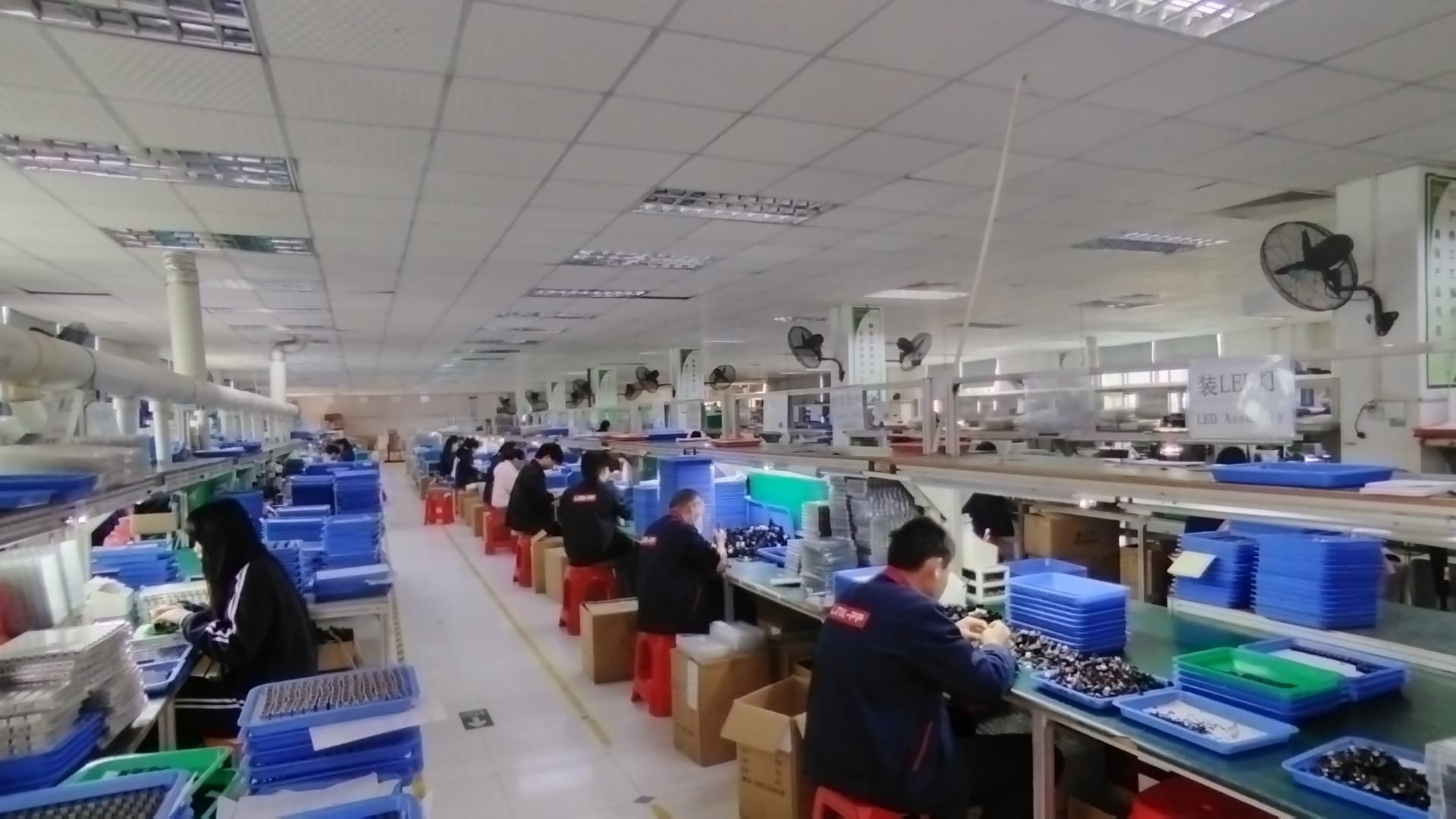
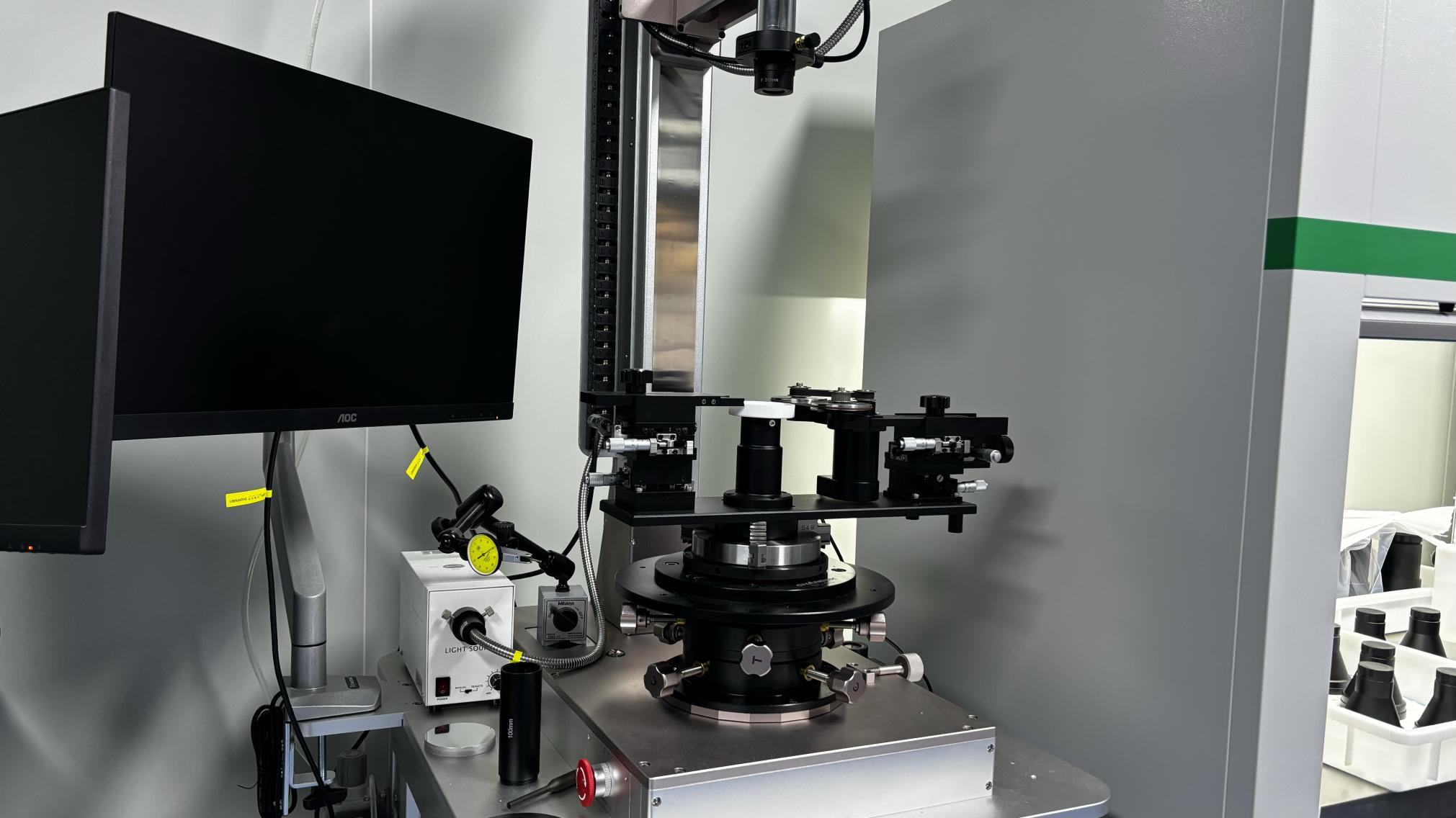
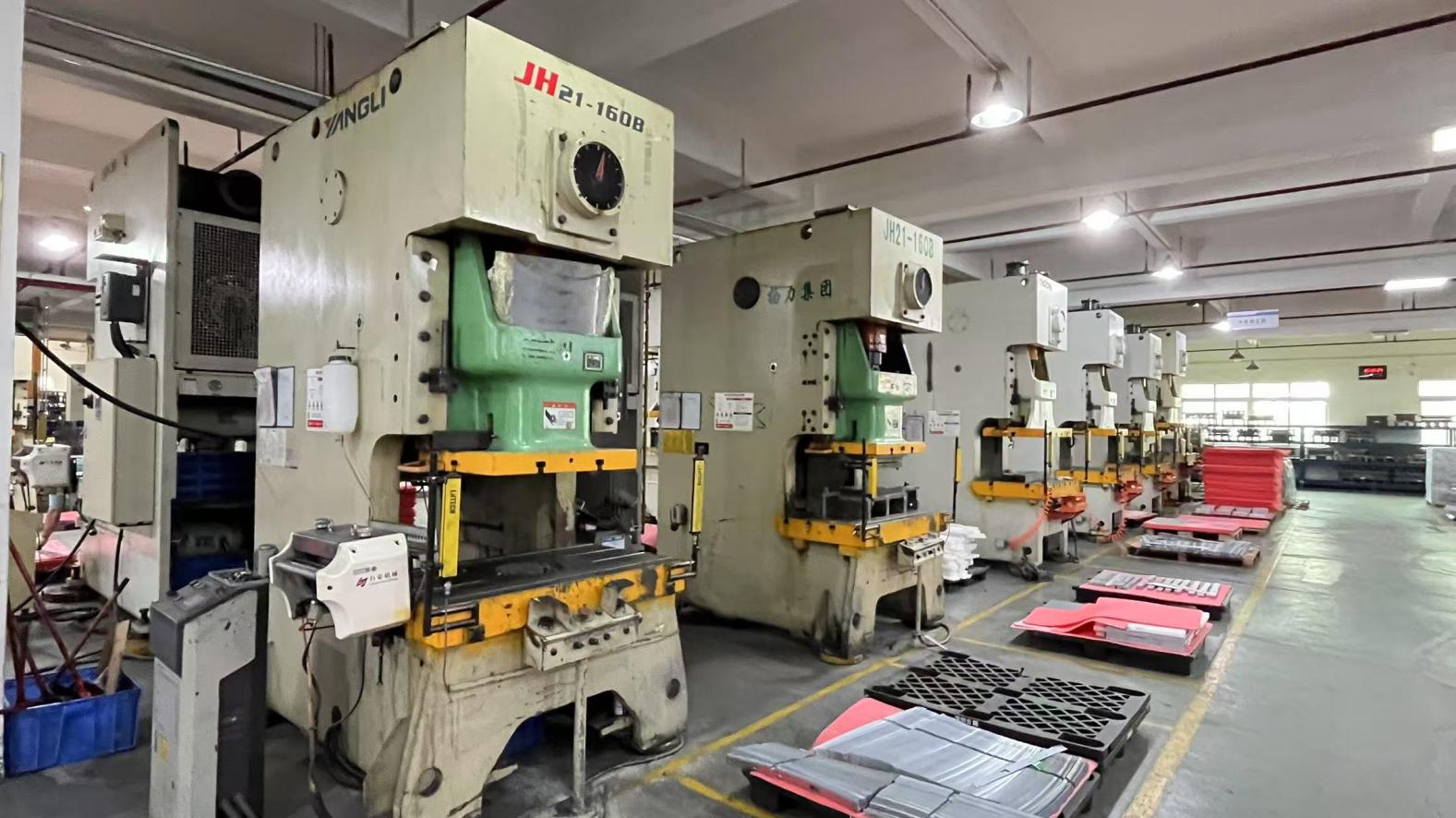
The manufacturing ecosystem for high-precision components like RJ45 modular jacks, SFP cages, and optical transceivers requires a balance of high volume, rapid R&D cycles, and strict quality control. Chinese manufacturing centers have shifted from low-cost assembly to highly automated, precision engineering facilities. Utilizing automated optical inspection (AOI), automated pin-insertion, and computerized reliability testing, Chinese exporters deliver exceptional quality consistent with international standards at competitive costs.
Novafiber Communications Co., Ltd. exemplifies this manufacturing paradigm. Established in 2016, Novafiber has developed deep expertise in optical transceivers and connection interfaces. Operating a modern facility designed for precision component assembly, Novafiber integrates a robust R&D team of 180 engineers. Our partnership network consists of over 1,200 supply chain partners, allowing us to maintain stable mass production and guarantee rapid shipment of complex configurations, from standard RJ45 female connectors with integrated USBs to Pulse-compatible SFP cages and multi-gigabit modular jacks.
How industry leaders deploy flexible RJ45 and modular optical solutions across varied industrial landscapes.
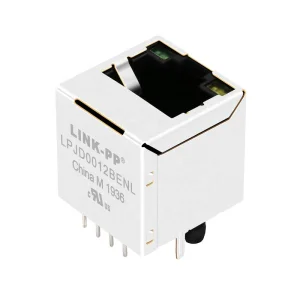
Modern factories utilize multi-axis articulated robots that operate 24/7. Flex RJ45 connectors are installed in mechanical arms and drag chains, where conventional Ethernet connectors would fail due to continuous torsional stresses. Our SMT surface mount connectors and unshielded vertical modular jacks provide reliable performance in these conditions.
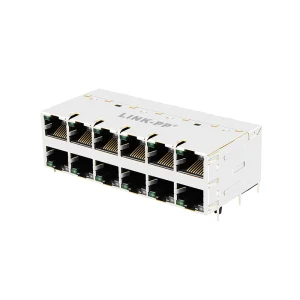
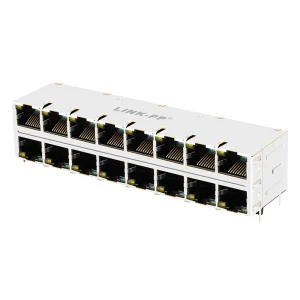
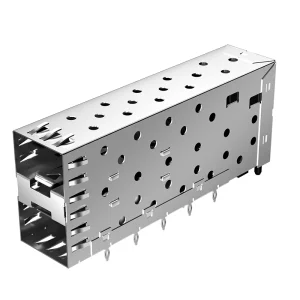
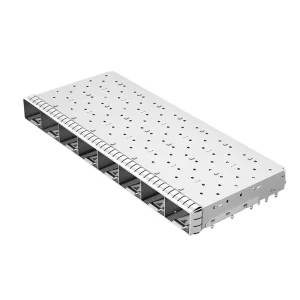
With data requirements surging, server cabinets require high-density networking products. The integration of SFP+ cages with integrated connectors (such as our stacked 2x1 press-fit designs) allows maximum data throughput per rack unit. High-temperature aging and burn-in tests ensure these modules run without interruption.
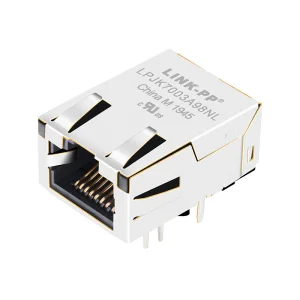
Medical imaging equipment, including MRI and CT scanners, produces massive volumes of data that must be transmitted with zero latency and high signal clarity. Shielded RJ45 jacks with integrated LEDs help verify connection status at a glance while isolating external EM noise, ensuring clear diagnostics and stable telemetry.
The networking hardware industry is currently experiencing several major transitions:
Enterprise procurement teams must balance unit costs, technical performance, and long-term supply stability. To assist in vendor evaluation, procurement professionals can utilize this structured assessment framework:
| Selection Criteria | Technical Requirement | Why it Matters |
|---|---|---|
| Gold Plating Thickness | 3u" to 50u" (Micro-inches) | Prevents corrosion; 50u" is recommended for high-mating-cycle industrial applications. |
| EMI Shielding | Full Brass/Nickel Alloy Casing | Minimizes signal interference from high-voltage cables and neighboring machinery. |
| Co-planarity (for SMT) | < 0.1mm Tolerance | Ensures robust reflow soldering and prevents open circuits on the PCB. |
| Compliance & QC | RoHS, REACH, UL94-V0, IPC-A-610 | Guarantees safety, environmental standard alignment, and fire-retardant performance. |
High-speed media conversion adapters, cages, and optical transceivers for enterprise, storage, and telecom access networks.
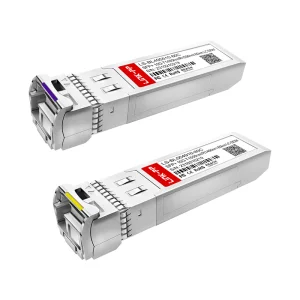
Technical answers to key procurement and integration inquiries regarding high-reliability RJ45 and optical network interfaces.
A glimpse inside our specialized facilities and testing lines, engineered to maintain high manufacturing standards.

 Novafiber