As network bandwidth demands escalate across global enterprise and telecom infrastructures, the implementation of robust development, testing, and production boards becomes critical. Novafiber Communications Co., Ltd. stands as a premier developer and global supplier of high-speed transceiver modules and high-performance physical layer (PHY) components. Our technology forms the backbone of standard and custom Ethernet Prototyping Boards, networking testbeds, and carrier systems worldwide.
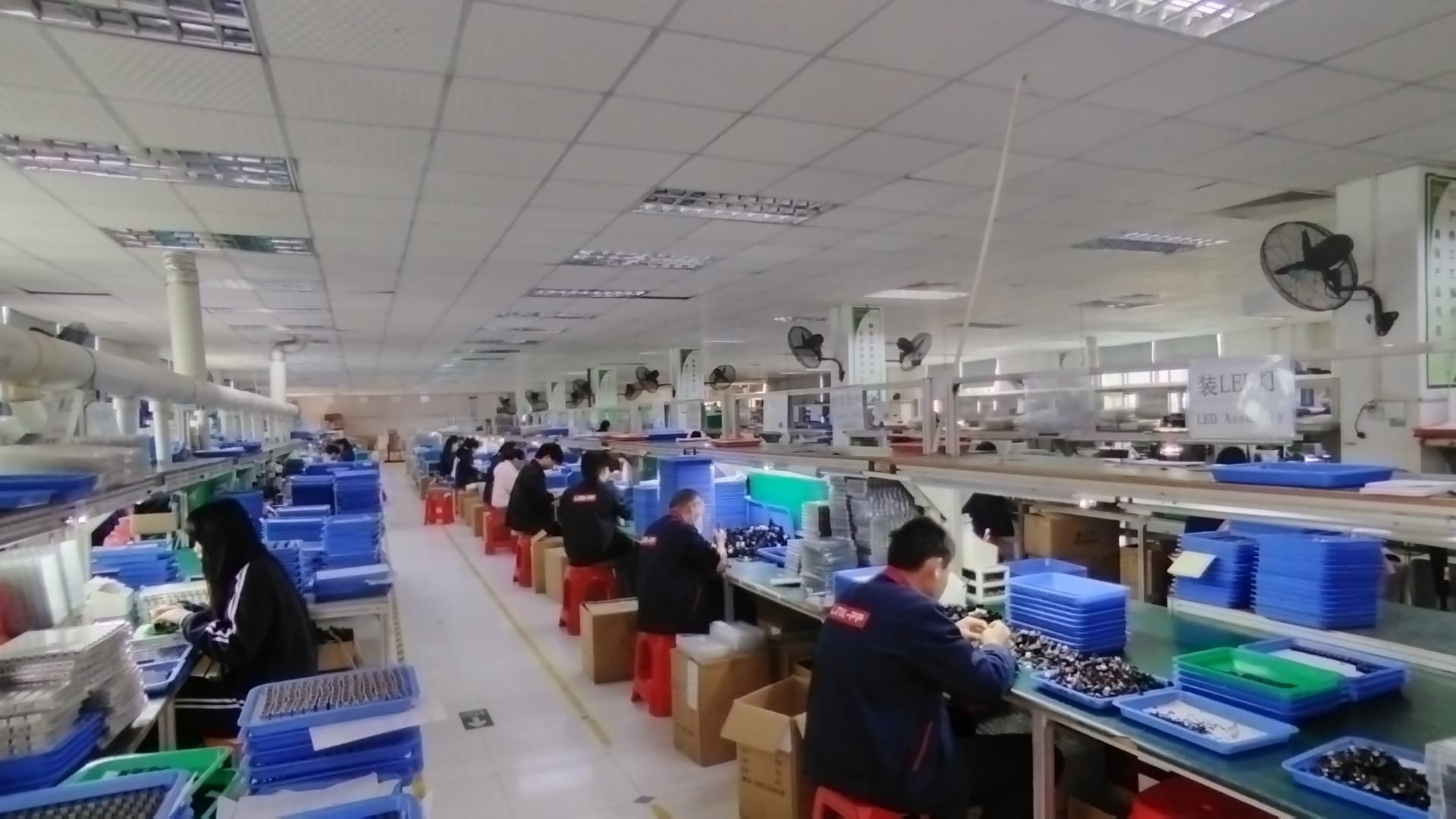
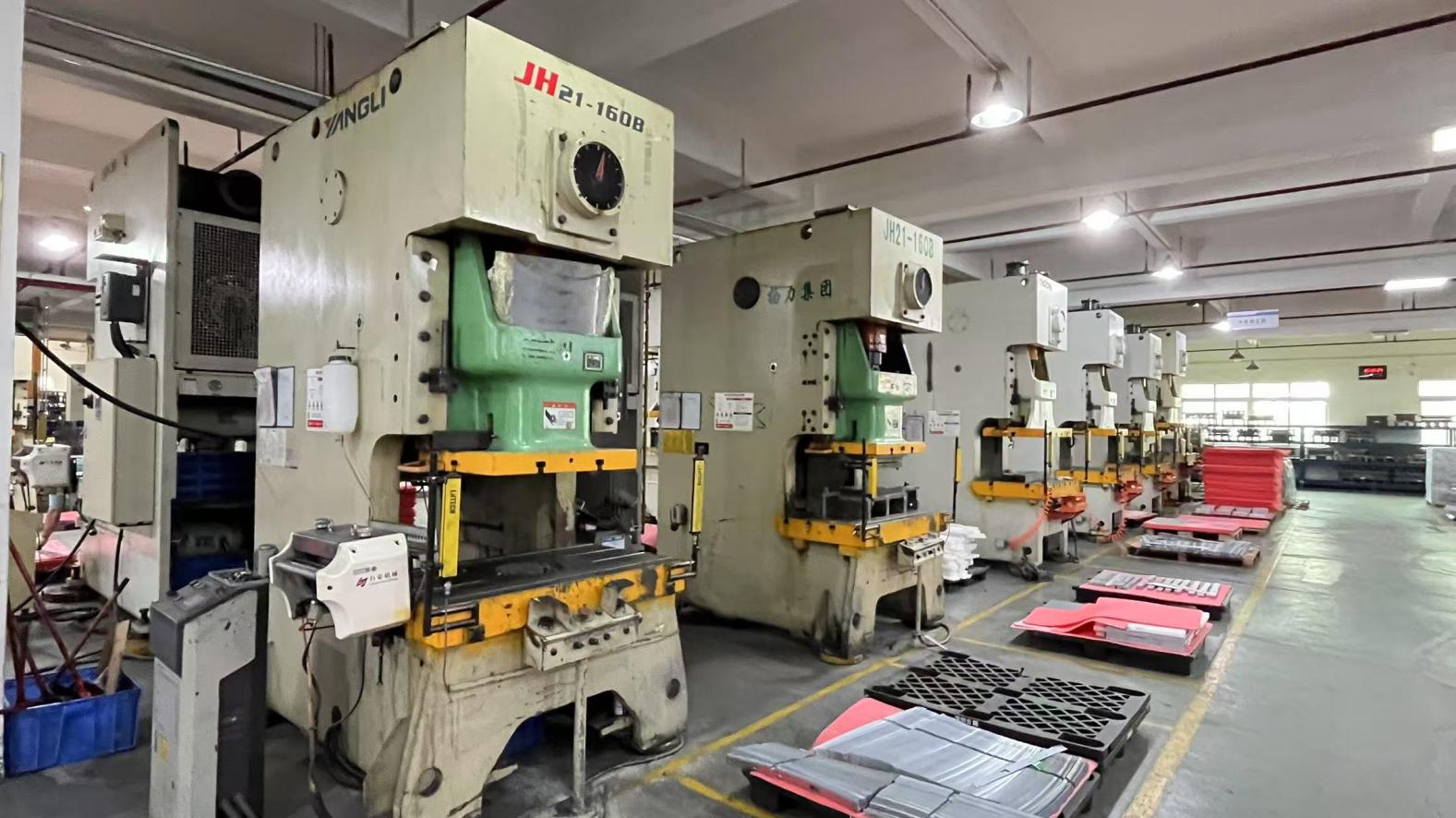
Founded in 2016, Novafiber has achieved exponential growth by combining precision manufacturing with robust research and development capabilities. Our state-of-the-art production facility, spanning 420㎡, is optimized for high-density surface mount technology (SMT), clean-room optical alignment, and high-frequency wave soldering processes. With over 9 years of industry experience and 7 years of direct export operations, we serve system integrators, design houses, telecom operators, and enterprise network engineers globally.
Ethernet prototyping boards are the foundational testing environments for software-defined networking (SDN), network function virtualization (NFV), and high-frequency trading (HFT) switch designs. Our physical connectivity components play an essential role in various structural systems:
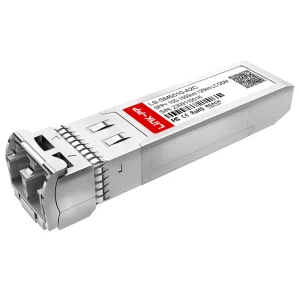
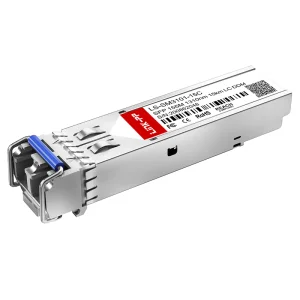
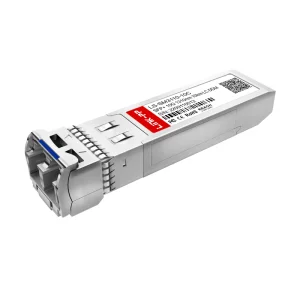
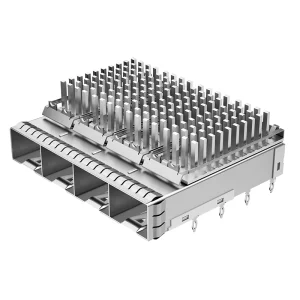
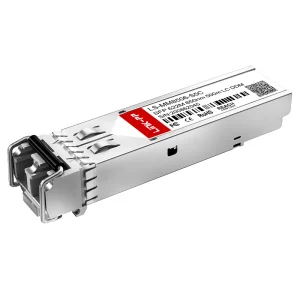
Prototyping boards designed to simulate aggregate top-of-rack (ToR) switch links. Using Novafiber's 10G/25G SFP+ modules and custom cage designs, engineers test signal attenuation, thermal dissipation, and optical-to-electrical converters under heavy network traffic loads.
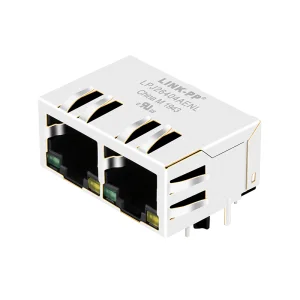
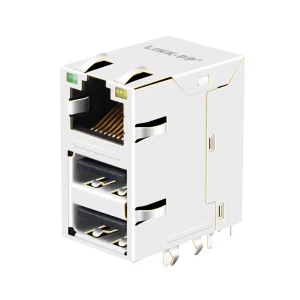
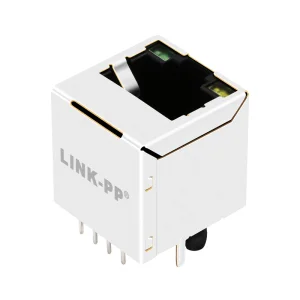
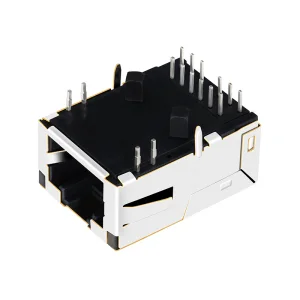
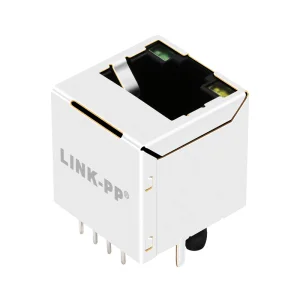
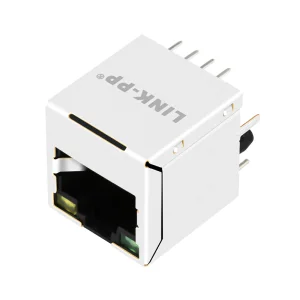
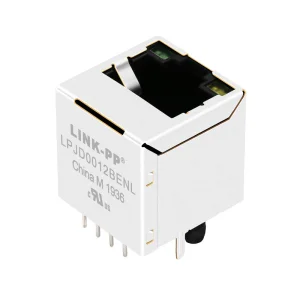
Integrating Power-over-Ethernet (PoE) connectors with magnetic isolation allows prototyping boards to support high-power edge AI processing. Standardizing vertical and right-angle RJ45 connectors with integrated magnets guarantees low electromagnetic interference (EMI) on high-density PCBs.
Our custom magnetic connectors and SFP cages undergo rigorous environmental stress screening (ESS) to ensure performance under extreme operating temperatures (-40°C to +85°C) commonly found in smart factory floors and automation applications.
The global electronics design landscape is moving away from off-the-shelf development boards toward custom-engineered systems tailored to specific physical constraints. Our OEM/ODM model provides modular versatility that allows design engineers to implement customized pin assignments, variable PCB footprints, and varying integration packages.
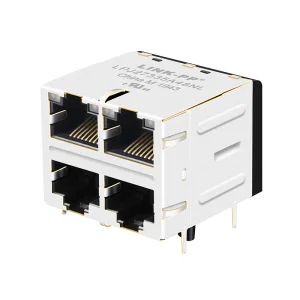
Key geographic zones demand localized technical specifications. For instance, European industrial markets require compliance with strict RoHS and REACH directives, alongside high requirements for electromagnetic compatibility. Meanwhile, North American datacenters require high-density multi-port configurations (such as 1x4 and 2x2 modular configurations) to optimize cabinet utilization.
| Prototyping Standard | Common Form Factors | Bandwidth Range | Ideal Applications |
|---|---|---|---|
| Base-T Ethernet | RJ45 Modular Jacks (Vertical/Right-Angle) | 10 Mbps - 10 Gbps | Industrial automation, localized networks, edge device prototyping |
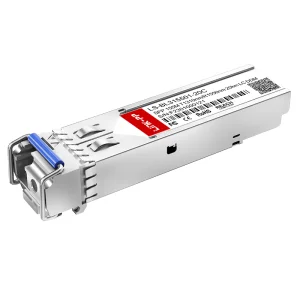
| Fiber Optic Transceivers | SFP, SFP+, BiDi SFP, SFP Cage Systems | 155 Mbps - 25 Gbps (Up to 100G) | Long-range telecom testbeds, datacenter simulation, carrier networks |
| PoE/PoE+ Integration | Vertical PoE RJ45 Female Connectors | 10/100/1000 Base-T (Up to 90W) | IP camera installations, smart IoT nodes, terminal device power testing |
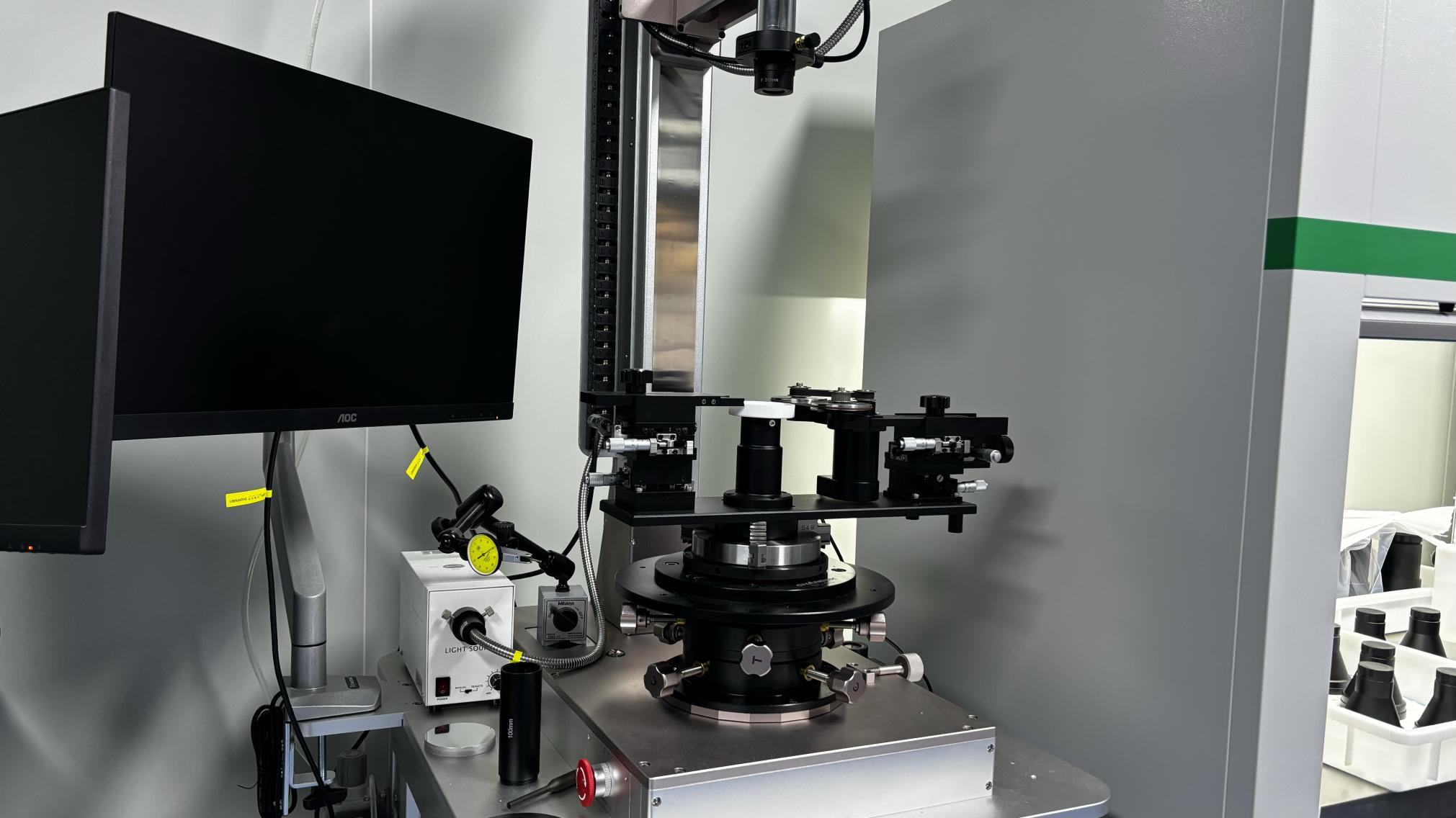
At Novafiber, we recognize that prototyping boards are only as reliable as their weakest electrical interface. Standard SFP modules or poorly insulated RJ45 jacks can cause signal degradation, return loss, and impedance mismatch. To mitigate these failures, our manufacturing division utilizes strict validation protocols:
Automated Optical Inspection (AOI) scans all component soldering joints to check alignment accuracy and solder volume, avoiding structural failures under dynamic vibrations.
100% of our optical transceivers are subjected to high-temperature aging tests. Our components are validated in environmental chambers simulating high thermal environments.
Time-Domain Reflectometry (TDR) testing ensures that trace impedances in our connectors match standard Ethernet system requirements, minimizing packet drop rates.

As processing units scale up to support complex neural networks and high-throughput databases, localized communication architectures must evolve accordingly. Our technical department targets key design metrics for next-generation platforms:
Transition to Co-Packaged Optics (CPO): Standard SFP architectures are moving toward integrated, board-level optical engines. We are actively engineering board-level optical transceivers that connect directly to localized processors, reducing signal loss over copper paths.
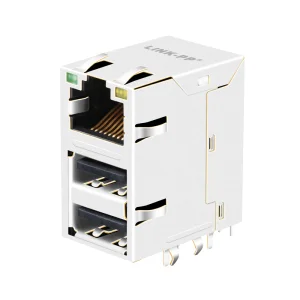
Enhanced Shielding for High-Speed Transmissions: SFP+ cages and high-performance RJ45 connectors feature advanced EMI metal shields with grounding tabs. This design prevents high-frequency crosstalk on multi-layer prototyping boards, even in dense layouts.
 Novafiber