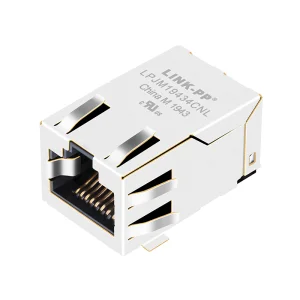
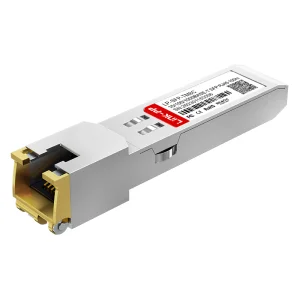
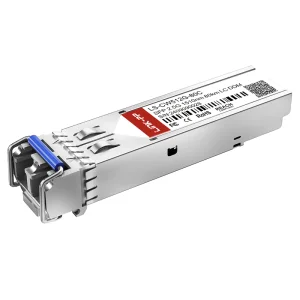
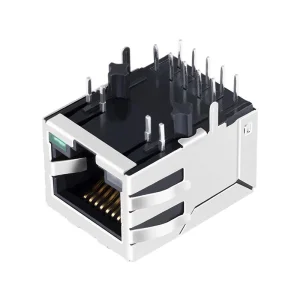
Explore our high-performance line of optical modules, magnetic connectors, and network transformers engineered for zero-latency environments.
A trusted, high-precision optical transceiver manufacturer and strategic engineering partner operating on the global stage since 2016.
Founded in 2016, Novafiber Communications Co., Ltd. has established itself as an industry-leading optical transceiver manufacturer, specializing in high-performance fiber optic communication solutions. We provide mission-critical interconnect components for global data centers, telecom operators, cloud providers, and complex enterprise networking environments. With over 9 years of industry experience and 7 years of specialized export operations, Novafiber operates at the intersection of robust material science and advanced digital logic.
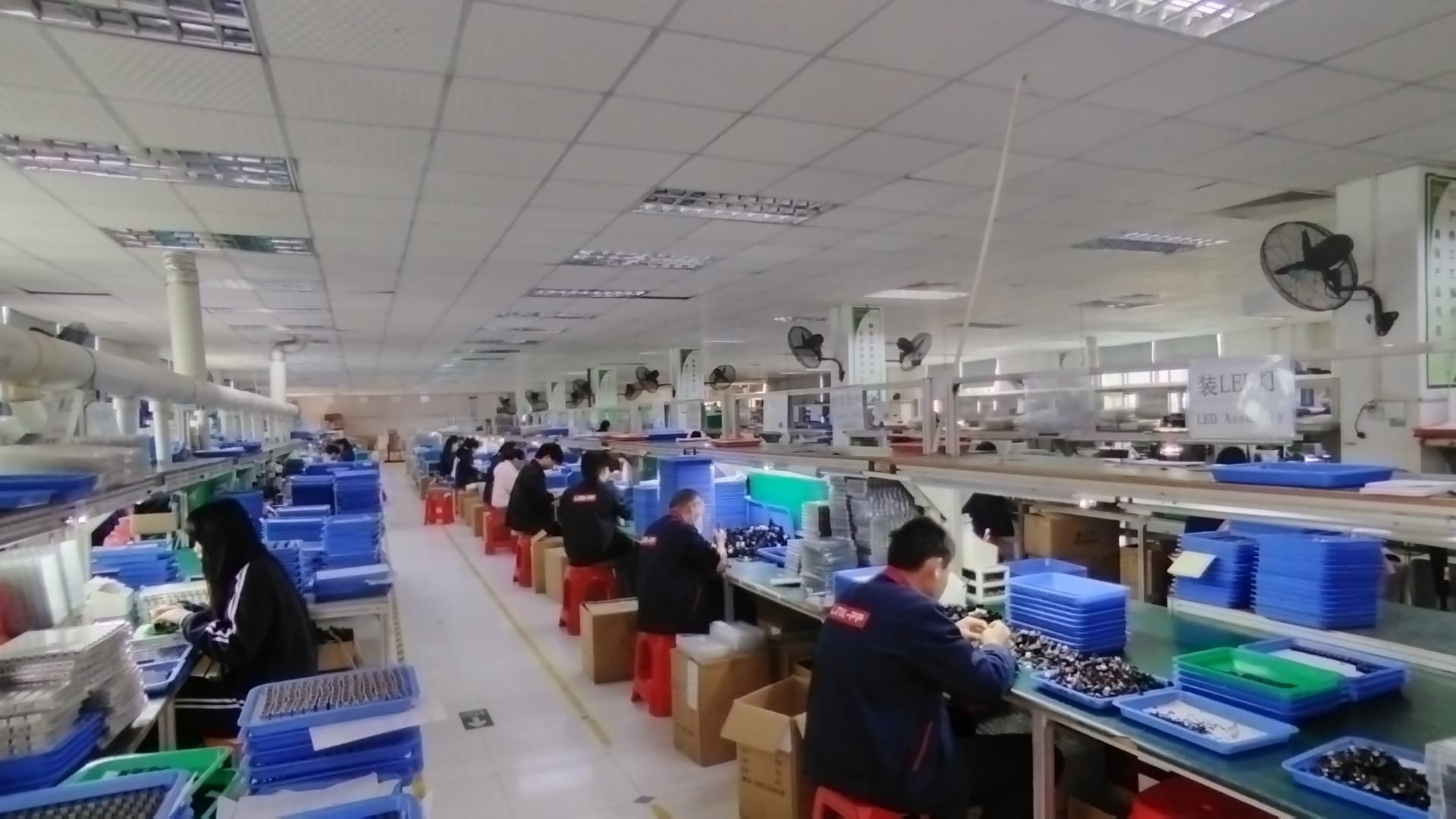
Our modern manufacturing and sub-assembly testing facility spans approximately 420m², designed specifically as a high-density, Class 10,000 cleanroom setup. By focusing cleanroom footprints on precise optical-alignment workstations and automated die-attach systems, we maintain a highly efficient, space-optimized facility capable of processing advanced transceiver architectures. Supported by an expansive supply network of over 1,200 supply chain partners, Novafiber ensures continuous, resilient mass production capabilities and fast, predictable shipping timelines globally, generating an annual export revenue exceeding USD 8.5 million.
How we are engineering the future of high-speed interconnects, navigating the migration from 1G SFP to 800G OSFP coherent systems.
Modern networking demands an exponential curve in data transmission speed, energy efficiency, and latency reduction. The optical transceiver industry has transitioned rapidly from legacy 1G SFP interfaces to higher speeds. At Novafiber, our R&D roadmap is focused on developing next-generation optical engines to satisfy the throughput needs of tomorrow's compute infrastructure.
By integrating lasers, modulators, and photodetectors directly onto a silicon microchip, we bypass the physical limitations and cost structures of traditional gold-box packaging. This reduces energy consumption per bit and ensures thermal stability in dense network switches.
Moving optical engines closer to the central network ASIC is a key shift in high-speed hardware design. CPO drastically cuts down electrical interface trace lengths, reducing signal degradation and saving up to 30% of system power budget.
Moving from NRZ (Non-Return-to-Zero) to PAM4 modulation has doubled the capacity of physical fiber paths. For long-haul links, our coherent optical technology manipulates the phase and polarization of light to achieve ultra-long reach without signal degradation.
Our commitment to innovation is reflected in our development output: with 180 dedicated R&D engineers, we released over 320 new products last year. This rapid design capability ensures our customers can source compatible components for legacy 1.25G systems, 10G/25G SFP/SFP+ interfaces, and newer high-speed layouts in modern IT infrastructure.
Custom designs for telecom backbones, hyperscale data centers, and industrial automation networks.
Optical networks are not one-size-fits-all. Different industries require distinct configurations of transceiver technologies, wavelengths, and interface standards to achieve optimal results:
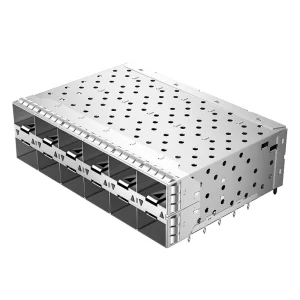
Data centers depend on flat, high-density non-blocking fabrics like Spine-and-Leaf topologies. To support high east-west traffic patterns, operators rely on SFP28, QSFP28, and newer QSFP-DD modules. In these setups, maintaining low power draw and keeping heat generation to a minimum is essential. Novafiber designs custom, low-power optical transceivers with high-density SFP cages and integrated light pipes to maximize airflow and optimize thermal cooling efficiency.
As networks expand, telecom carriers require outdoor-hardened, temperature-tolerant transceivers for remote radio heads (RRH) and baseband units (BBU). Working under extreme temperatures requires industrial temperature-grade components (-40°C to +85°C). Novafiber meets this need by utilizing high-stability CWDM and DWDM modules, which allow carriers to maximize capacity over existing single-mode fiber (SMF) links, helping defer new fiber installation costs.
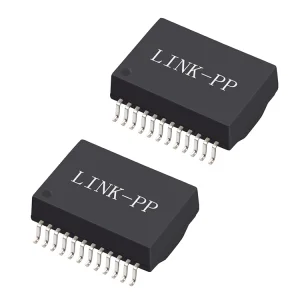
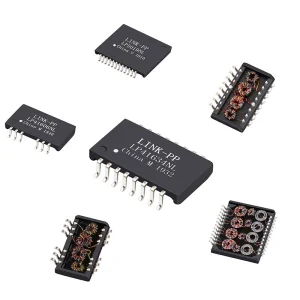
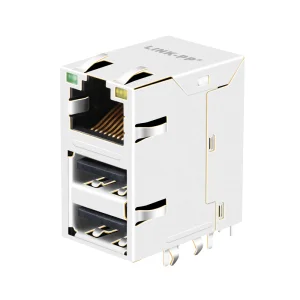
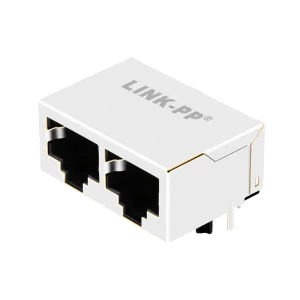
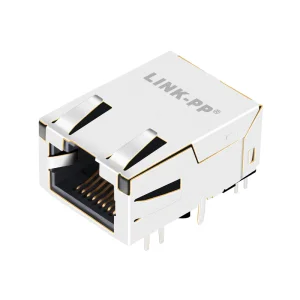
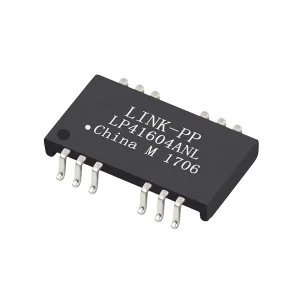
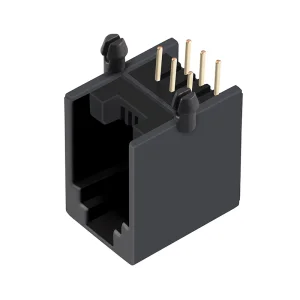
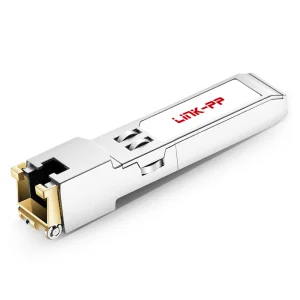
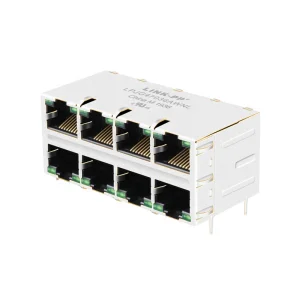
Industrial networking is subject to high electromagnetic interference (EMI), mechanical stress, and fluctuating power conditions. Standard transceivers can suffer from high packet drop rates in these environments. We address this with copper-to-fiber media conversion components, shielded modular jacks, and integrated magnetic transformers that isolate sensitive network chips from damaging voltage surges.
A closer look at how we utilize advanced automation and strict testing protocols to guarantee consistent product quality.
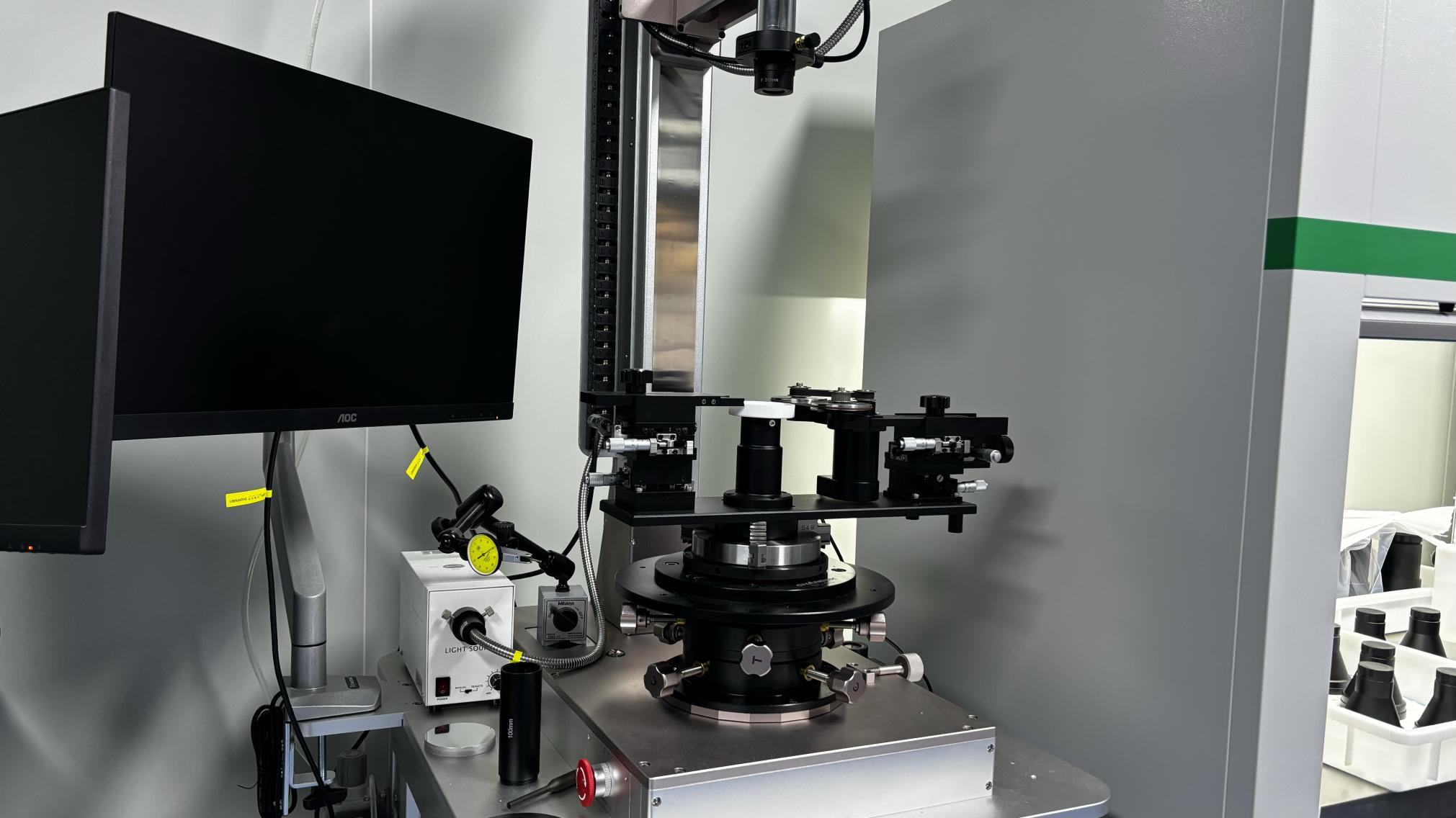
Optical transceiver production requires precision down to the sub-micron scale. A single speck of dust or minor physical misalignment can lead to high insertion loss, elevated bit-error rates, and premature component failure. To prevent this, Novafiber relies on automated processes and strict quality standards:
Key technical considerations to verify compatibility, maximize system uptime, and reduce total cost of ownership.
For system integrators and IT buyers, purchasing optical components involves careful consideration of long-term compatibility, system stability, and cost. Here is a guide to selecting high-quality transceivers:
Switch manufacturers often implement software locks that prevent third-party transceivers from functioning. To address this, Novafiber performs physical and digital EEPROM emulation in our lab. We code and test transceivers to ensure they are compatible with over 100 networking equipment brands, including Cisco, Arista, Juniper, HPE, and Huawei, allowing them to integrate into multi-vendor environments.
DDM provides real-time information on critical operating parameters, including laser transmitter power, receiver power, operating temperature, laser bias current, and transceiver supply voltage. This data helps network administrators identify potential fiber degradation or link issues before they cause unexpected network downtime.
While original equipment manufacturer (OEM) modules are priced high, choosing third-party transceivers that adhere to MSA standards provides a cost-effective alternative. Working with an OEM/ODM supplier like Novafiber helps enterprises reduce capital expenditure by up to 70% while maintaining the same performance and reliability standards.
Meeting global trade requirements and providing hands-on technical support for your projects.
Novafiber is committed to meeting international environmental and safety standards. Our manufacturing processes and products are certified compliant with key global regulatory frameworks:
Beyond meeting standard certifications, we assist partners with custom hardware and firmware design. From tailoring wavelength channels to modifying physical form factors and providing technical FAE support, our team works to resolve installation and operating challenges quickly, ensuring smooth integration into your network infrastructure.
Answers to common technical questions about optical transceivers, compatibility, and custom manufacturing.
We use an internal testing lab equipped with mainstream switches and routers from major vendors. By programming the EEPROM firmware with vendor-specific codes and verifying compatibility on the actual hardware, we ensure our transceivers are recognized by host switches, avoiding software errors or warnings.
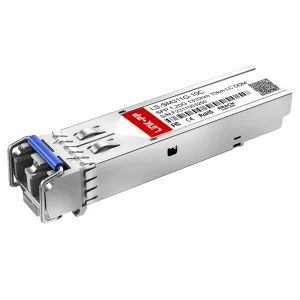
These form factors share the same physical dimensions but support different data rates: SFP supports speeds up to 1.25 Gbps; SFP+ supports 10 Gbps; and SFP28 is designed for 25 Gbps transmission. They utilize different internal optical and electrical components to manage higher frequencies and minimize signal loss.
DOM (or DDM) allows real-time tracking of parameters like optical output power, receiver sensitivity, laser bias current, temperature, and supply voltage. Monitoring these metrics helps network teams identify cable degradation, dirty connectors, or power issues before they lead to a system outage.
Our facility is designed as a high-density, Class 10,000 cleanroom dedicated to precise optical assembly and final quality testing. By sourcing sub-assembly parts from a network of over 1,200 partners, we focus our internal space on calibration, testing, and quality control, allowing us to maintain a large output from a compact footprint.
Every module undergoes automated optical testing, eye diagram analysis to verify signal quality, bit error rate (BERT) testing to ensure error-free transmission, and environmental stress screening (ESS) to verify stable performance under varying thermal conditions.
Yes, we offer customized solutions including custom branding and packaging, custom firmware protocols, and tailored wavelength tuning for CWDM/DWDM systems.
Our transceivers are designed for a Mean Time Between Failures (MTBF) of over 100,000 operating hours. We offer a comprehensive product warranty and support on our transceivers to guarantee reliable operation in your network.
We partner with major express carriers (DHL, FedEx, UPS) and freight forwarders to provide air and sea shipping options. For in-stock components, shipments typically depart within 24-48 hours, ensuring prompt delivery to destinations across Europe, North America, Southeast Asia, and the Middle East.
Our complete collection of SFP cages, optical transceivers, and specialized network connectors.
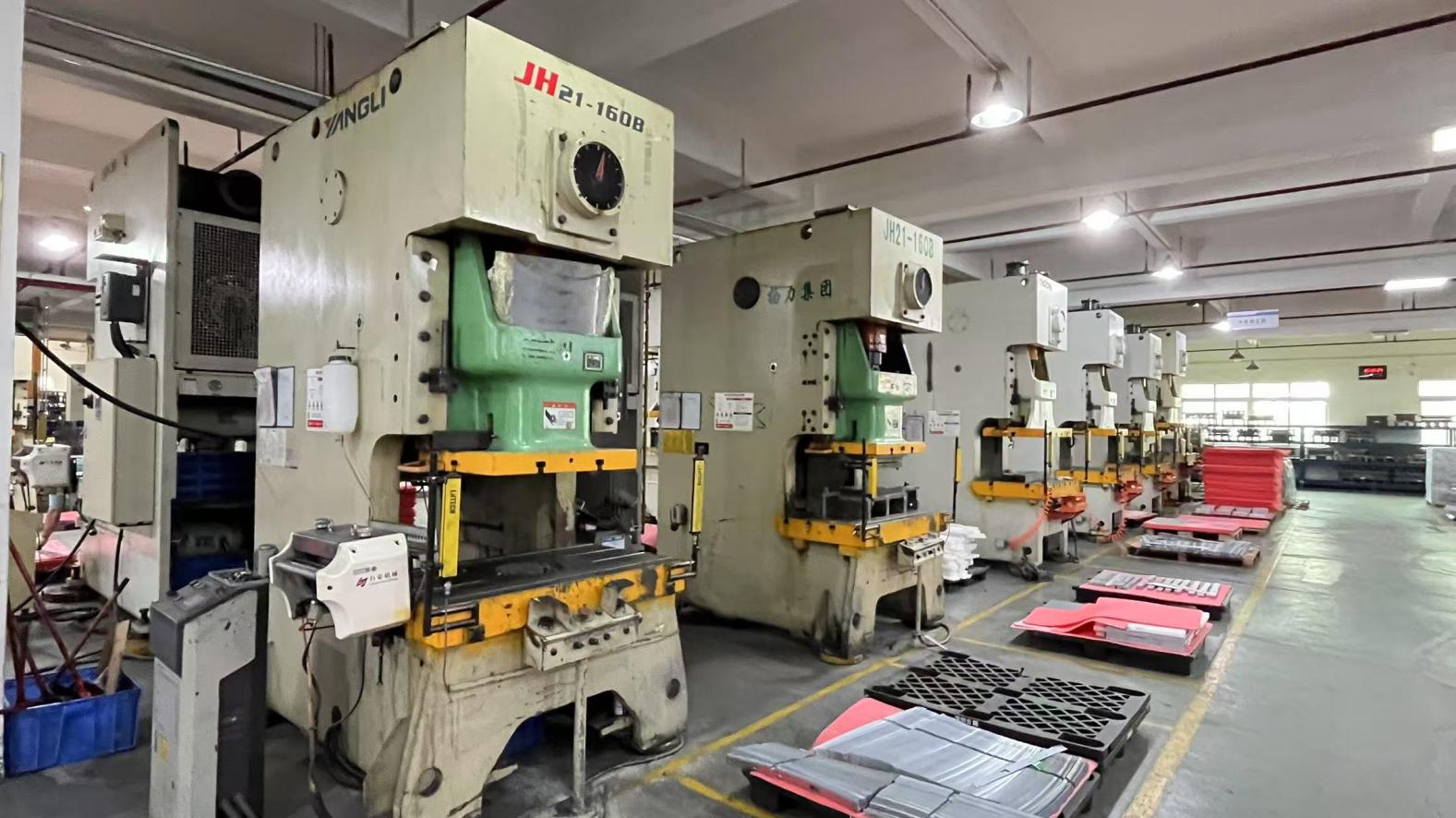
A view into our high-precision assembly facilities, automated testing equipment, and production floor.

 Novafiber