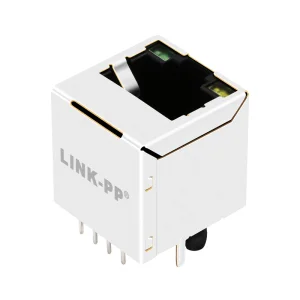
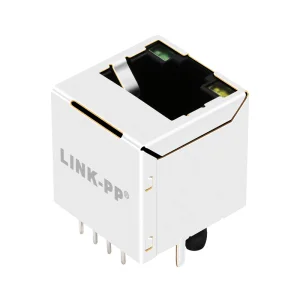
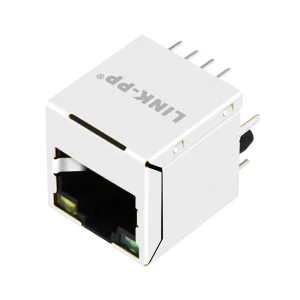
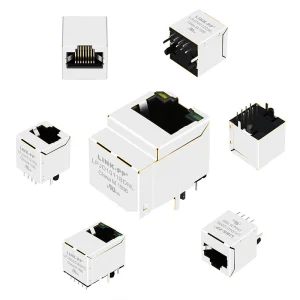
Our initial select modules feature compact designs tailored for tight PCB profiles and demanding vertical panel layouts, serving major industrial projects in Montevideo, Salto, and Paysandú.
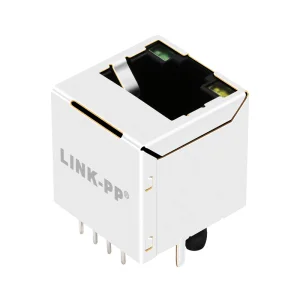
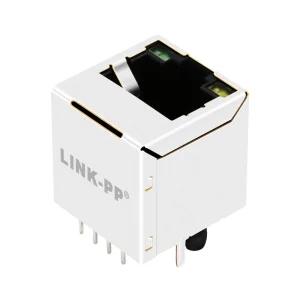
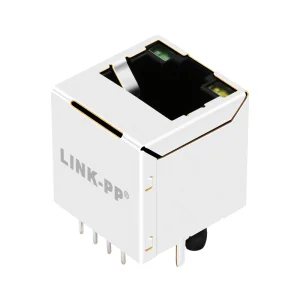
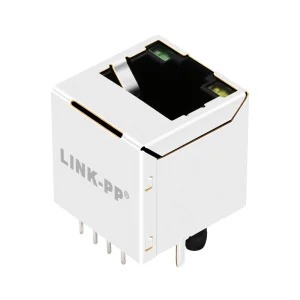
Uruguay has established itself as one of Latin America's most sophisticated digital economies, driven by initiatives like the Antel Pando Data Center, massive 5G infrastructure rollouts, and the technology hubs within the Zonamerica Free Trade Zone. As Uruguayan system integrators, embedded hardware designers, and telecom engineers upgrade local networks, standard board layouts are transitioning to high-density layouts where vertical RJ45 jacks play a vital structural role.
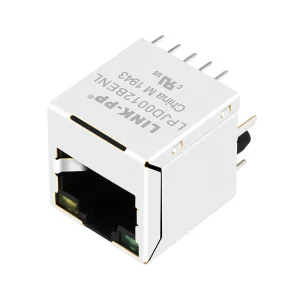
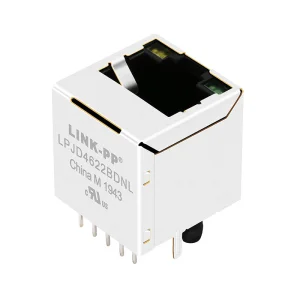
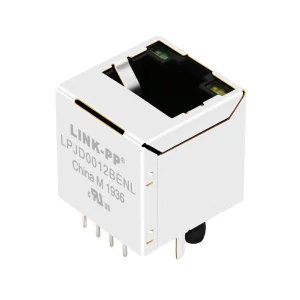
By routing Ethernet cables from the top rather than the side, our vertical connectors save up to 40% of precious PCB edge space. This physical characteristic is extremely beneficial for local applications including:
Unlike traditional right-angle connectors, a vertical (top entry) RJ45 socket allows structural engineers to arrange high-speed communication lines directly above the physical layer chips (PHYs). This reduces stray capacitance, simplifies impedance matching on multi-layer PCBs, and minimizes the overall device footprint.
As the industry moves toward Multi-Gigabit speeds and higher power delivery via Ethernet cables, Novafiber’s hardware engineering tracks several pivotal design innovations.
Upgraded Cat6A configurations offering complete headroom compliance for 10G-BASE-T deployments.
Thermally optimized contacts to support high wattages without localized thermal runaway on dense PCBs.
Rigorous isolation barriers protecting critical hardware logic from power grid surges.
Guarantees over 750 mating cycles and blocks salt-spray corrosion near coastal Montevideo.
In industrial telemetry applications—especially those operating near massive agricultural silos or high-voltage sub-stations in Tacuarembó—electromagnetic interference (EMI) can severely degrade packet transmission. Our magnetic integrated vertical RJ45 jacks (often referred to as MagJacks) embed the discrete magnetics (transformers and common-mode chokes) inside the metal shield of the connector. This ensures superb electrostatic discharge (ESD) suppression and minimizes electromagnetic interference (EMI) from neighboring components like switching regulators.

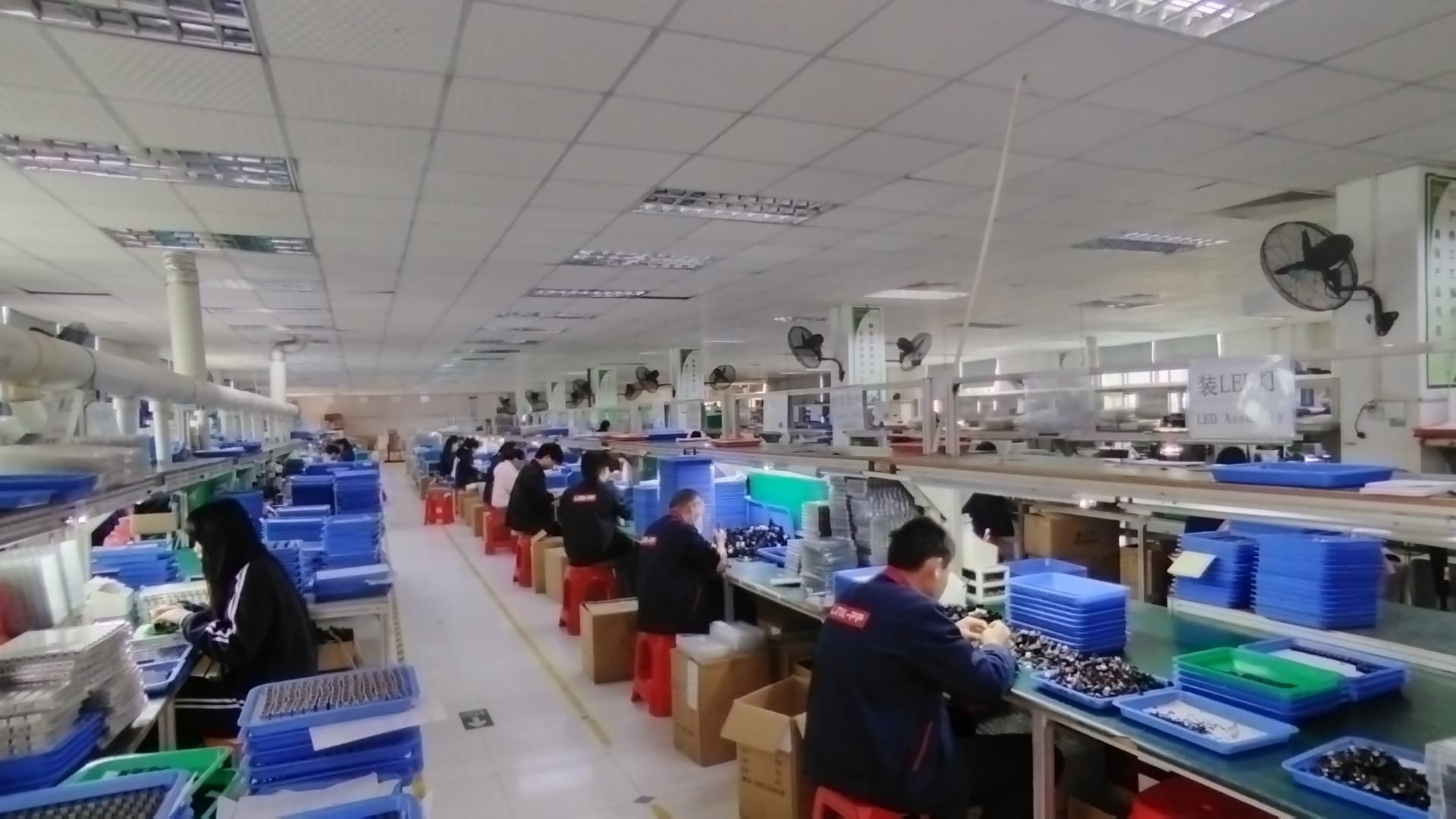
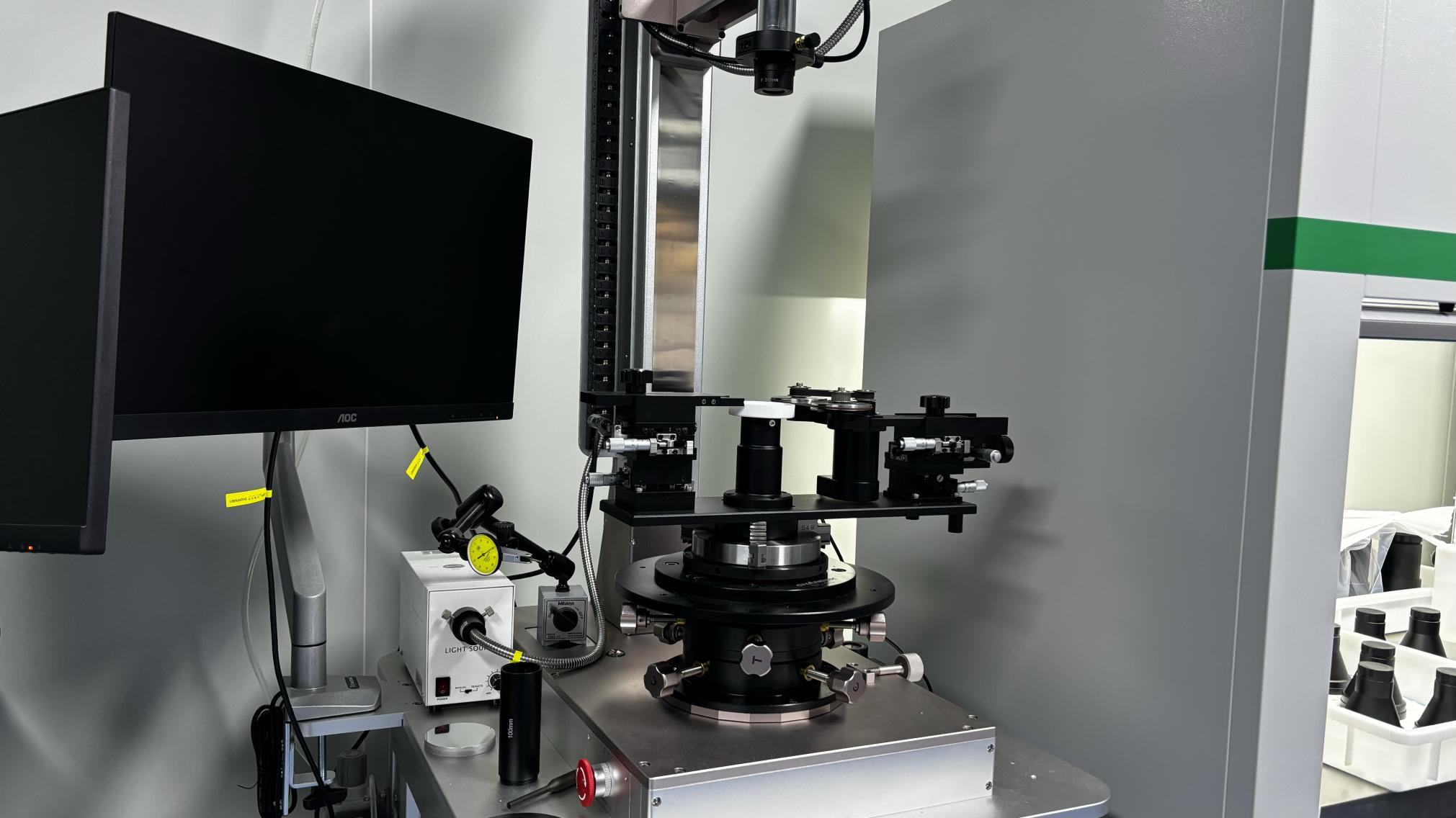
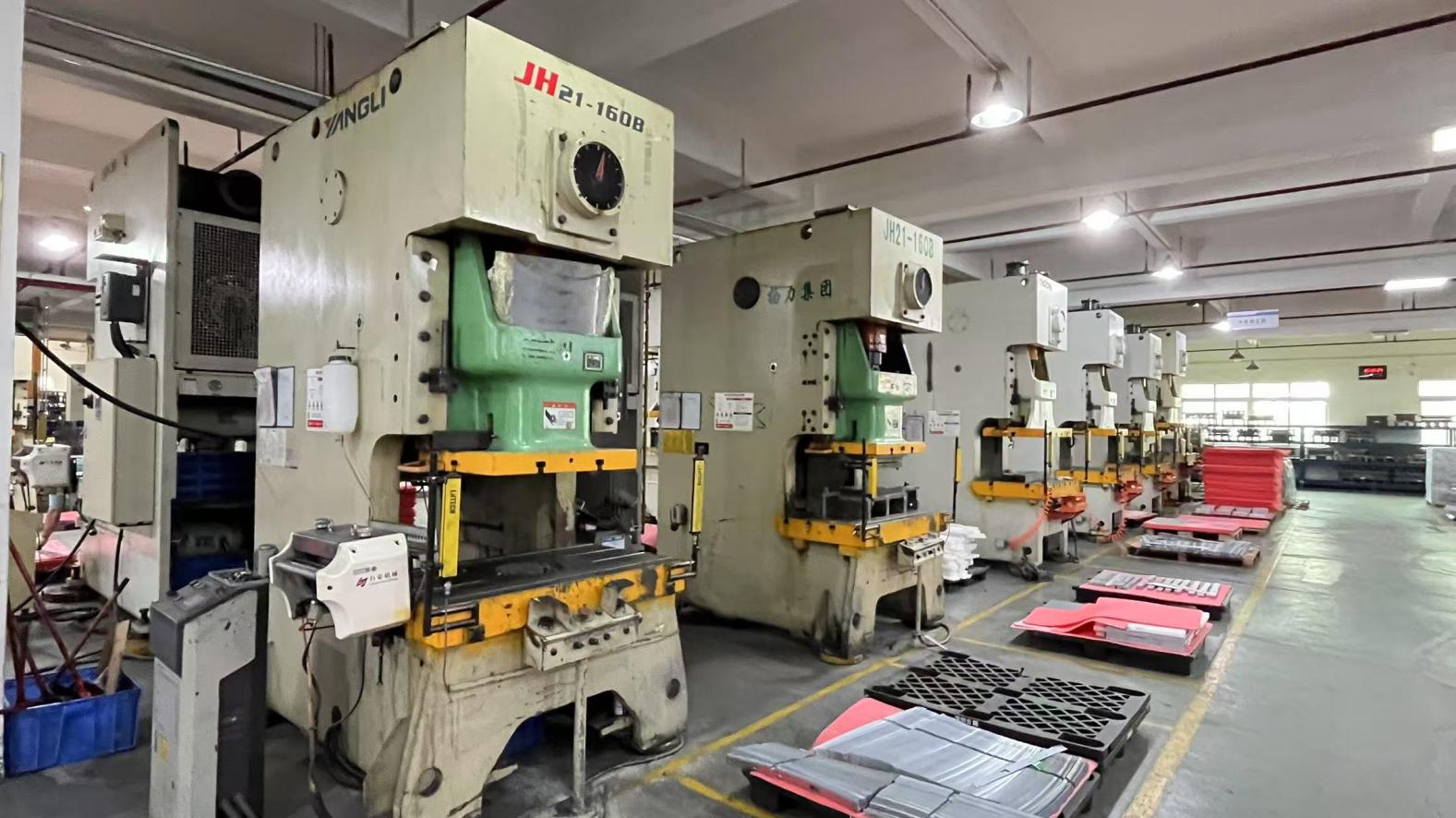
Inside Novafiber: ISO9001-certified testing labs, high-frequency S-parameter analyzers, fully automated SMD lines, and extreme climate-simulation aging systems.
Founded in 2016, Novafiber has developed advanced physical-layer design capabilities with production environments covering approximately 420m² of cleanroom assembly. With over 9 years of industry experience and 7 years of direct export operations, we serve top-tier telecom integrators and hardware developers globally.
Our annual export capacity generates USD 8.5 million, backed by an extensive raw material network consisting of more than 1,200 verified supply chain partners. This ensures stable raw metal, plastic injection, and magnetic core supply lines, insulated from macro-market fluctuations.
Quality assurance is spearheaded by 65 dedicated quality inspectors enforcing strict IPC-A-610 Class 2 & 3 standards. Testing protocols run 100% functional checks, automated optical inspection (AOI), and Environmental Stress Screening (ESS) to ensure that every RJ45 connector heading to Uruguay withstands Latin American industrial workloads.
Our export division handles shipping document preparation, customs clearances, and regulatory alignments to streamline delivery into Montevideo Port and Zonaamerica.
All Novafiber vertical RJ45 modules are produced in strict compliance with international benchmarks including RoHS 2.0, REACH, and carry UL94V-0 flammability certifications. Our integrated magnetic designs fully align with IEEE 802.3 Ethernet standards (supporting 10BASE-T, 100BASE-TX, 1000BASE-T, and 10GBASE-T configurations) and URSEC telecommunication directives in Uruguay.
We offer flexible incoterms (FOB, CIF, FCA, DDP) via major air freight carriers or ocean transport directly to the Port of Montevideo. Under LATU (Laboratorio Tecnológico del Uruguay) rules, we supply complete test reports, material declaration certificates, and impedance profiling data to avoid local custom holds.
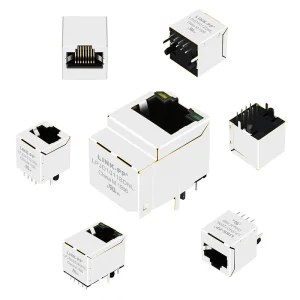
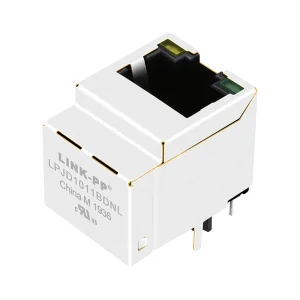
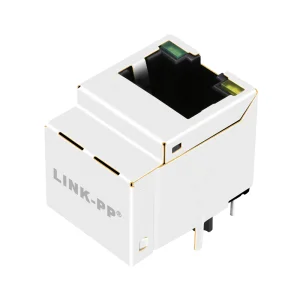
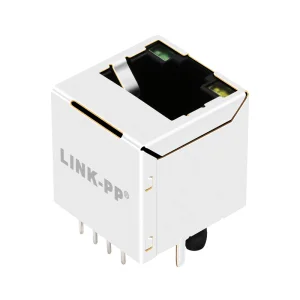
Explore our complete catalog of board-level vertical networking sockets, built to meet exact industrial tolerances and performance benchmarks.
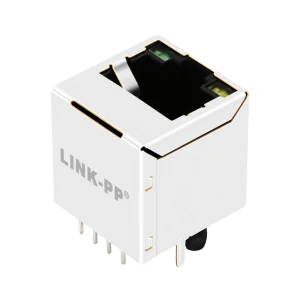
Find answers to core structural, electromechanical, and logistics questions commonly raised by system designers and procurement agents.
A: Vertical RJ45 connectors (top entry) allow Ethernet cables to plug in perpendicular to the PCB plane. This layout frees up edge real estate on the circuit board, allowing designers to position components closer to the boundaries. Additionally, it simplifies high-speed differential signal trace lengths directly to the underlying PHY silicon chip. This configuration minimizes impedance mismatches and limits signal attenuation at gigabit transmission rates.
A: Our PoE-compatible vertical RJ45 jacks feature internal center-tapped transformer coils designed to extract DC offset power from data pairs without saturating the magnetic cores. They are rated to handle up to 600mA or 1000mA of DC current per pair, complying with IEEE 802.3af (PoE), 802.3at (PoE+), and 802.3bt (PoE++ / Type 4 up to 90W) standards. This design ensures that agricultural sensors, smart cameras, and local IoT hubs in Uruguay receive reliable power and fast data over a single cable.
A: Our connectors utilize three layers of defense: 1) Fully wrapped metal shielding tabs (brass alloy with nickel underplating) that connect directly to the PCB chassis ground to sink stray ESD; 2) Internal ferrite cores that function as low-pass filters to suppress high-frequency common-mode noise; 3) Optimized internal lead frame spacing to reduce capacitive and inductive crosstalk (NEXT and FEXT) between adjacent wire pairs.
A: Yes, we offer both Through-Hole (THT) and Surface Mount Technology (SMT) options. For SMT processes, our connector housings are molded using high-temperature engineering plastics (LCP or Nylon 46) rated to withstand reflow profile peaks up to 260°C for 10-15 seconds, preventing terminal warping or misalignments.
A: Standard catalog products generally ship within 5-10 business days. For customized pinouts, custom LED combinations, or specific magnetic configurations (matching specific PHY ICs), our R&D team can complete samples in 2-3 weeks. The typical minimum order quantity (MOQ) ranges from 500 to 1,000 pieces depending on tooling adjustments. Shipping times via premium air freight to Montevideo Carrasco International Airport (MVD) take roughly 7 to 9 days.
Get in touch with our engineering team today for technical data sheets, 3D CAD files, and competitive pricing proposals optimized for the Uruguayan market.
 Novafiber