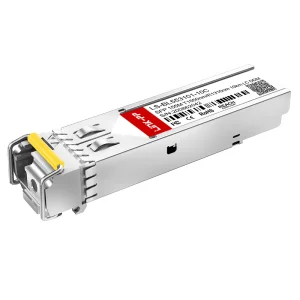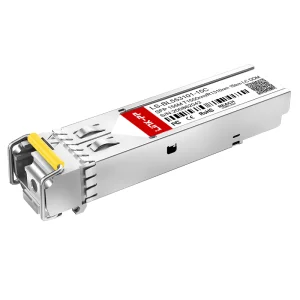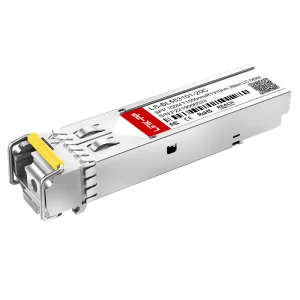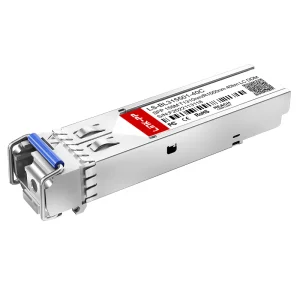
155M/622M SFP Module Factories & Factory for Seattle

High-Reliability Optical Transceivers for Legacy Telecommunications, Municipal Infrastructure, and Edge Grid Systems in the Pacific Northwest

Connect with Seattle Technical Support

155M & 622M SFP Modules: The Optical Backbone for Seattle’s Legacy and Industrial Infrastructure

In an era dominated by Terabit ethernet and hyperscale data center operations, the structural requirement for robust, deterministically reliable low-speed optical transceivers remains absolute. Across the Seattle metropolitan region—spanning maritime logistics at the Port of Seattle, commercial aviation testbed telemetry, municipal utility substations (such as Seattle City Light), and King County light rail controls—155M (STM-1/OC-3) and 622M (STM-4/OC-12) SFP modules represent the foundational layer of physical network reliability.

As a global optical manufacturing pioneer, Novafiber Communications Co., Ltd. provides MSA-compliant, protocol-independent optical transceivers that integrate seamlessly into legacy networks. This technical whitepaper analyzes the physical architecture, regional applications, and rigorous quality testing parameters that make our SFP modules the first choice for engineering teams in Seattle and globally.

State-of-the-Art Production & Supply Chain Infrastructure

Reliable optical transceivers require precise manufacturing control, automated optical alignments, and rigorous cleanroom operations. Novafiber manages a comprehensive supply ecosystem designed to assure constant availability and defect-free modules.

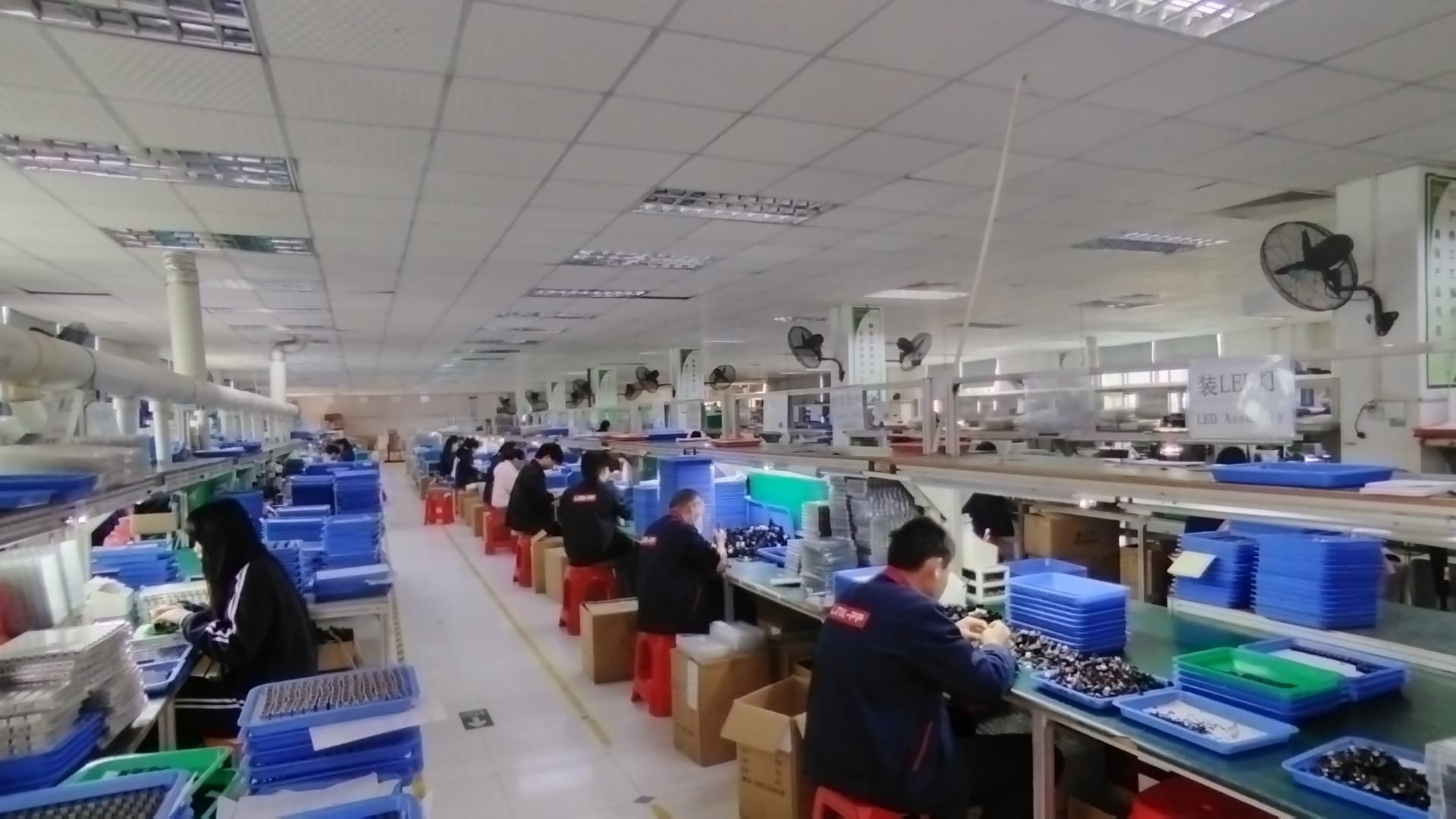
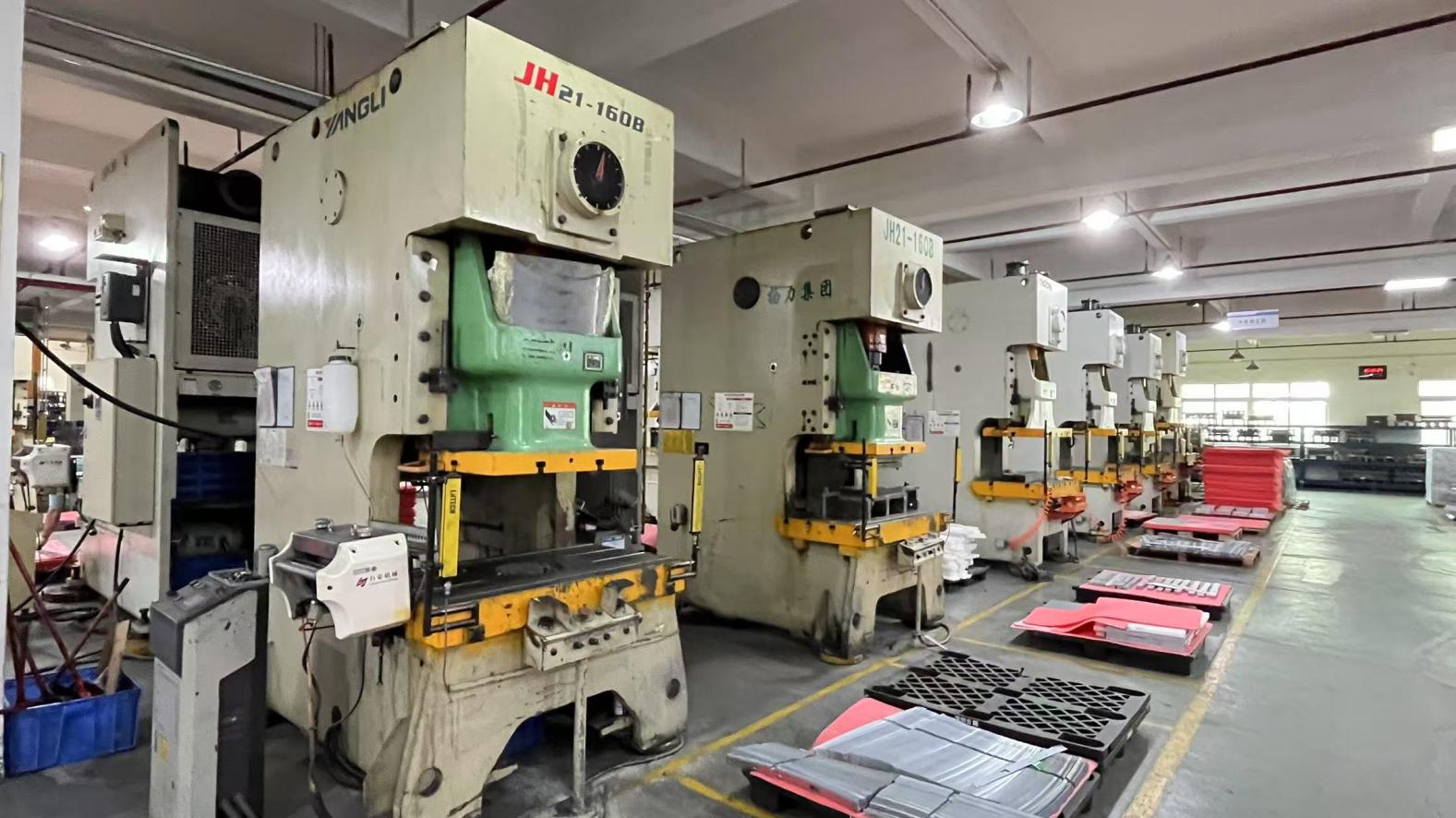
Novafiber Automated SFP Assembly Cleanroom
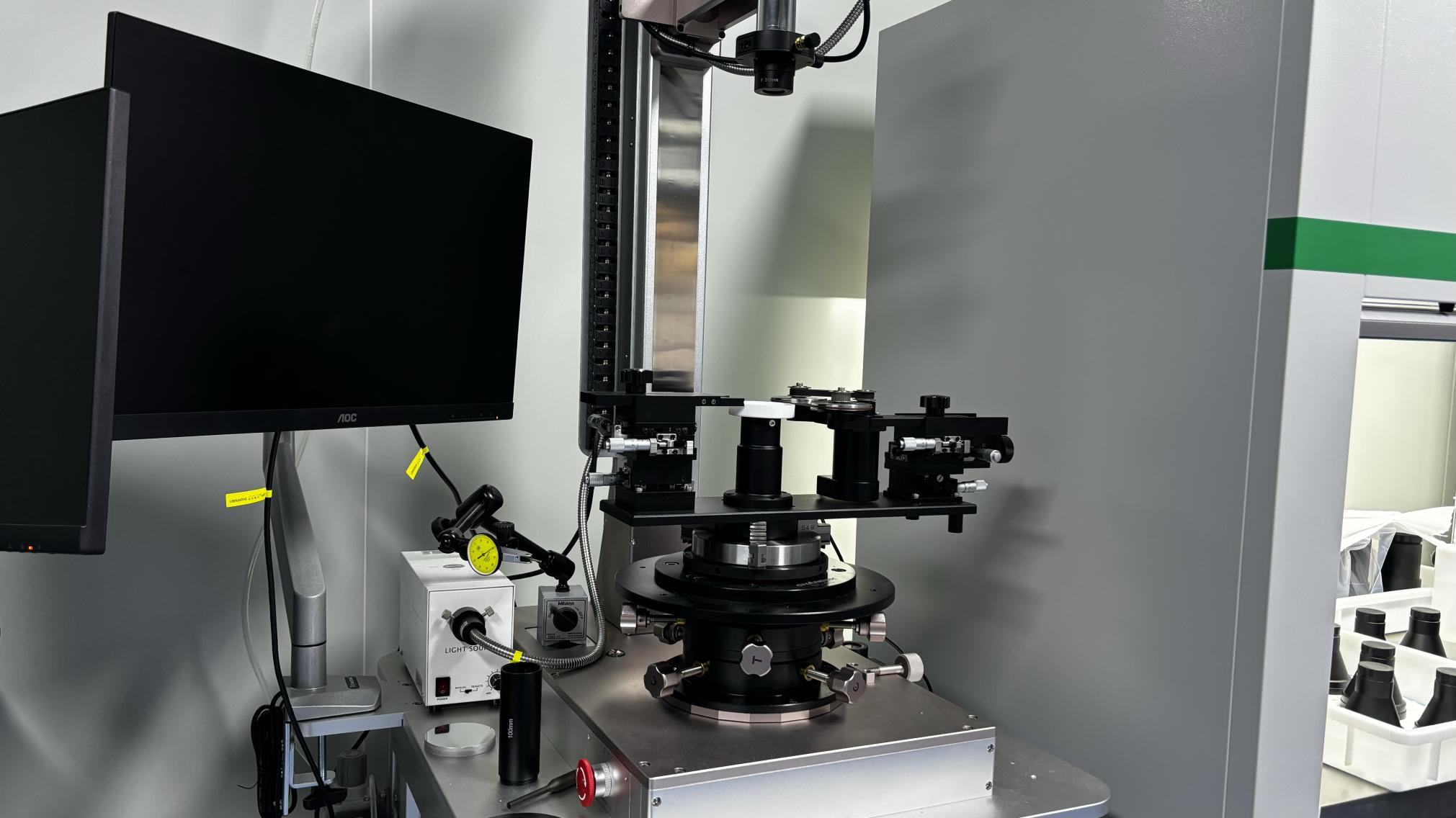
High-Precision Optical Testing Station
Environmental Stress Screening Oven
Final Quality Control & Coding Bay

Novafiber Corporate Profile at a Glance

Founded in 2016, Novafiber operates a high-precision 420㎡ optical manufacturing facility. Benefiting from over 9 years of industry experience and 7 years of direct export expertise, we generate an annual export volume of USD 8.5 million. Backed by 180 dedicated R&D engineers, 65 quality inspection specialists, and a robust network of 1,200 supply chain partners, we released 320 new product variants in the past year alone, facilitating fast custom runs for regional telecom system integrators.

Seattle’s Local Industrial and Utility Landscape

In Western Washington, industrial networks operate in environments with significant physical challenges. Seattle's maritime climate, marine salinity at coastal port installations, and wide thermal variations in mountain-pass transit corridors require hardened optical hardware. Standard commercial-grade components often fail under these conditions due to moisture ingress or thermal drift in laser diodes.

Our 155M/622M SFP series is available in both commercial (0°C to 70°C) and industrial-grade (-40°C to 85°C) configurations. Industrial units feature premium Fabry-Perot (FP) or Distributed Feedback (DFB) lasers matched with high-sensitivity Pin-Photodiodes (PIN) or Avalanche Photodiodes (APD). This configuration guarantees long-term wavelength stability and low bit-error rates (BER) despite industrial EMI and physical vibration.

Standard Wavelength & Optical Distance Framework

Data Rate Fiber Type Wavelength (nm) Connector Link Distance Receiver Type
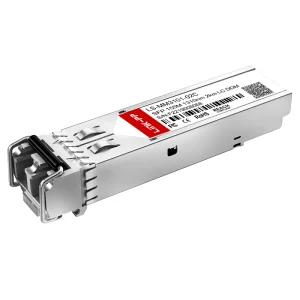
155 Mbps Multimode (MMF) 1310nm LC Duplex 2 km PIN-PD
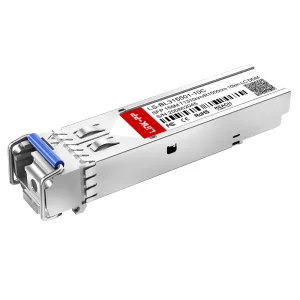
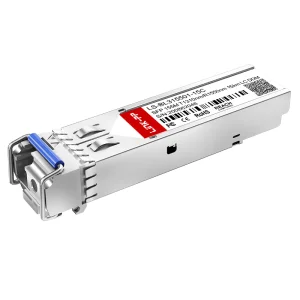
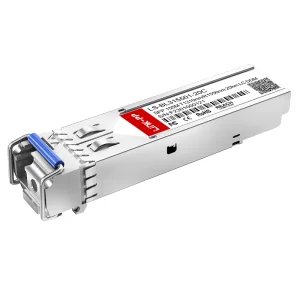
155 Mbps Single-mode (SMF) 1310nm / 1550nm LC Duplex / Simplex (BiDi) 10 km - 40 km PIN-PD
155 Mbps Single-mode (SMF) 1550nm LC Duplex / Simplex 80 km APD-PD
622 Mbps Single-mode (SMF) 1310nm / 1550nm LC Duplex / Simplex 15 km - 80 km PIN / APD

Macro Industry Solutions: Bridging Legacy and Next-Gen Networks

A primary challenge for network engineers in Seattle is the integration of legacy SDH/SONET systems with modern Ethernet backplanes. Legacy equipment, such as Fast Ethernet switches, SCADA systems, and industrial PLCs, must reliably transmit data to high-capacity packet networks. Our SFP modules provide this physical translation layer, offering compatibility with major industry vendors like Moxa, Hirschmann, Cisco, and Juniper. This compatibility allows operators to maintain legacy equipment, saving on replacement costs while securing dependable performance.

  • Digital Diagnostics Monitoring (DDM / DOM): Real-time parameters such as optical output power, receiver sensitivity, operating temperature, and transceiver supply voltage are continually tracked to support predictive maintenance.
  • MSA Compliance: Every transceiver conforms to the SFP Multi-Source Agreement, establishing mechanical, electrical, and register-map standard compatibility across all vendor slots.
  • Hot-Pluggable Functionality: Modules can be installed or replaced without interrupting existing chassis operations, simplifying field maintenance.
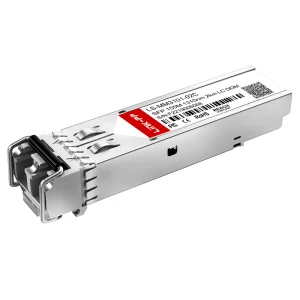
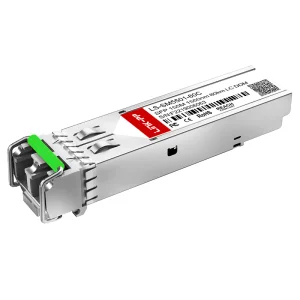
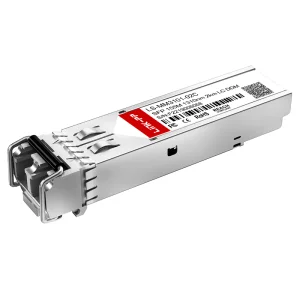
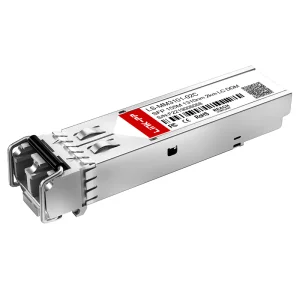
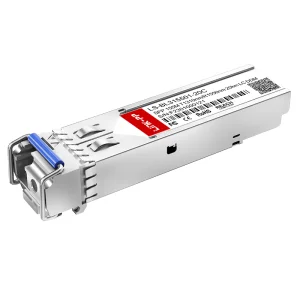
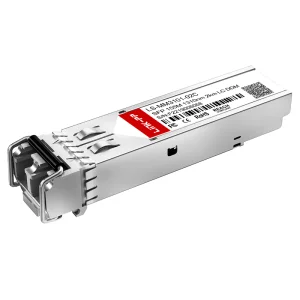
Seattle Metro High-Density Optical Transceivers

Tailored to meet the needs of municipal fiber networks, utility distribution substations, and industrial manufacturing plants in the Pacific Northwest.

Local Support, Compliance, and Quality Assurance for Seattle Integrators

In critical network infrastructure, downtime has significant consequences. Seattle municipal utilities, transportation authorities, and aerospace campuses require suppliers to provide reliable products and complete technical documentation. Novafiber maintains compliance with international standards, including CE, FCC, RoHS, and UL, ensuring alignment with local regulatory mandates.

Our quality assurance program is designed to deliver consistent product performance:

  • 100% Host-Compatibility Checks: Every SFP module is tested on original host equipment (such as Hirschmann rail-switches, Moxa industrial terminals, and Cisco routers) to verify EEPROM coding and interface compatibility.
  • Environmental Stress Screening (ESS): Active thermal cycling chambers test transceivers under extreme simulated industrial loads to identify potential infant mortality failures.
  • Precision Insertion & Return Loss Verification: All optical ports are checked using automated power meters to confirm compliance with target link-budget specifications.
100%
Functional Component Burn-In
65+
QA Inspectors On-site
1,200+
Active Supply Partners
99.98%
Field Reliability Rating

Technical Roadmap and Future-Proofing Coexistence

As networks evolve toward coherent optics and higher speeds (e.g., 400G and 800G), legacy 155M/622M hardware must continue to operate reliably. SFP modules are often deployed at the extreme edge of networks, where sensor data is gathered and sent back to core networks via DWDM/CWDM optical filters. Novafiber designs transceivers to support this long-term integration, protecting your capital investments.

By using standard LC duplex or simplex connectors, our modules work with existing passive wavelength multiplexers. This allows operators to run legacy Fast Ethernet alongside high-speed lines over the same physical fiber path, optimizing network efficiency.

Technical FAQ: 155M/622M SFP Deployments

Frequently asked technical questions regarding compatibility, optical link budgets, and industrial hardware applications in the field.

Are Novafiber 155M/622M SFP modules fully compatible with legacy industrial switches like Moxa and Hirschmann?
Yes. Every SFP transceiver is programmed with vendor-specific configuration files in the EEPROM before shipment. This ensures compatibility with legacy industrial hardware, including Hirschmann, Moxa, Cisco, and Juniper. We support customization to meet specific hardware requirements.
What is the difference between commercial-grade and industrial-grade SFPs?
Commercial-grade SFP modules operate over a standard temperature range of 0°C to 70°C, which is typical for climate-controlled data centers. Industrial-grade modules are built to withstand temperature extremes from -40°C to 85°C. These units use hardened optical sub-assemblies (TOSA/ROSA) to maintain performance in challenging outdoor environments.
How does a Simplex (BiDi) SFP differ from a standard Duplex LC SFP?
Standard Duplex LC modules require two separate fiber strands: one for transmitting (Tx) and one for receiving (Rx). Simplex (BiDi) modules utilize Wavelength Division Multiplexing (WDM) to transmit and receive signals over a single fiber strand using different wavelengths (such as 1310nm and 1550nm). This configuration doubles the capacity of existing fiber infrastructure.
Why are 155M/622M speeds still relevant in modern fiber networks?
While high-speed transceivers are critical for data hubs, lower speeds like 155M and 622M are commonly used in telemetry, utilities, and public transport systems. These systems prioritize signal reach and noise immunity over raw bandwidth. Lower-speed signals have a higher optical power margin and are less susceptible to attenuation and chromatic dispersion over long distances.
Does Novafiber support custom parameters like custom wavelengths or specific power budgets?
Yes. Our R&D engineering team can customize transceivers to meet specific project needs, including custom wavelength allocations (CWDM/DWDM grids), extended power budgets for distances up to 120km, and custom firmware coding.

Need Custom 155M/622M Optical Solutions?

Get in touch with our design engineers for expert technical support and custom product quotes.

Send Inquiry Now