Global Export Experience
R&D Engineers & Spec. Teams
Supply Chain Partners
Annual Export Value
As Japan's historic commercial hub and a key node in the Kansai industrial zone, Osaka continues to push the boundaries of industrial automation, smart infrastructure, and legacy network preservation. Within the Sakai-Senboku coastal industrial zone and across the vast urban metro systems (such as the Osaka Metro and JR West lines), fiber optic communication is the backbone of operation.
While multi-gigabit speeds dominate modern data centers, legacy networking protocols like SDH/SONET (specifically STM-1/OC-3 at 155 Mbps and STM-4/OC-12 at 622 Mbps) remain mission-critical. These transmission speeds provide unmatched determinism, ultra-low latency jitter, and massive noise immunity in electro-magnetically noisy environments like electrical substations, railway signaling, and petrochemical plants.
In partner systems such as Hirschmann and Moxa industrial Ethernet switches deployed in Osaka's smart manufacturing lines, our premium SFP transceivers offer flawless plug-and-play operation. They bridge the gap between reliable legacy hardware systems and high-speed modern backbones, maintaining network continuity without requiring costly overhauls of field infrastructure.
Osaka’s seaside locations and intensive subterranean metro layouts expose optical equipment to extreme humidity, temperature fluctuations, and vibration. Our transceivers are offered in Extended Temperature ranges (-40°C to 85°C) to withstand the environmental challenges of Osaka Port and underground rail tunnels.
The optical transceiver roadmap is not merely about increasing bandwidth; it is about absolute signal integrity, physical durability, and long-term supply stability. For 155M (Fast Ethernet and STM-1) and 622M (STM-4) modules, the technical focus has transitioned into reducing power consumption, refining laser precision, and ensuring cross-generational equipment interoperability.
Historically, 155M/622M systems relied on basic laser diodes. Today, our manufacturing line integrates advanced Fabry-Perot (FP) and Distributed Feedback (DFB) lasers combined with high-sensitivity PIN and APD (Avalanche Photodiode) receivers. This allows single-mode modules to reliably traverse up to 80km to 120km without optical amplification—ideal for connecting remote monitoring stations along Kansai's transmission grids or regional municipal systems.
For industrial engineers in Osaka looking to reduce deployment footprint, our BiDi (Bidirectional) SFP series utilizes Wavelength Division Multiplexing (WDM) to transmit and receive signals simultaneously over a single strand of fiber (using 1310nm-TX/1550nm-RX and vice-versa). This effectively cuts fiber leasing and infrastructure installation costs in half, presenting a massive economic benefit for metropolitan fiber routes.
We source components from tier-one semiconductor suppliers to achieve the tightest tolerances in optical transmission. Our production process maintains strict calibration standards for laser drive current, optical output power, and receiver sensitivity.
Founded in 2016, Novafiber has developed deep competence over 9 years of optical manufacturing. Driven by an advanced R&D squad of 180 engineers, our facility features 420m² of state-of-the-art cleanrooms. With more than 1,200 raw-material and component supply chain partners, we ensure consistent mass production capabilities even during global semiconductor component crunches.
This vertical and horizontal supply chain integration allows us to keep our pricing highly competitive while offering short lead times. Whether you require standard telecom optics or rare custom protocol adaptions for specialized Japanese legacy electronics, we can iterate, test, and ship at scale, boasting 320 new product releases in just the past year.
With 65 dedicated quality control inspectors, Novafiber ensures that every optical module leaving our plant meets high standards of reliability. Each 155M and 622M SFP module undergoes 100% functional testing, optical eye-pattern verification, automated bit-error-rate testing, and accelerated high-temperature burn-in tests to weed out early-life failures.
We manufacture strictly to IPC standards. In addition, our automated compatibility lab carries over 150 brands of switches, routers, and firewalls—guaranteeing that compatible Hirschmann, Moxa, Cisco, and Juniper modules behave exactly as the original OEM counterparts when connected to your networks in Osaka.
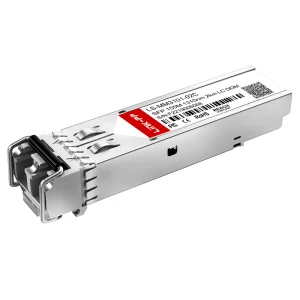
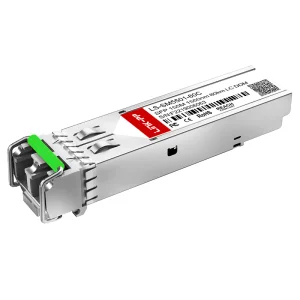
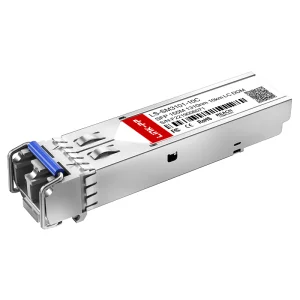
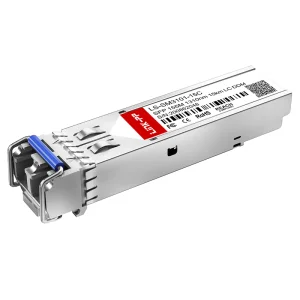
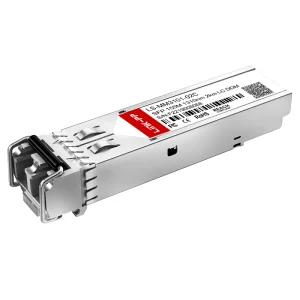
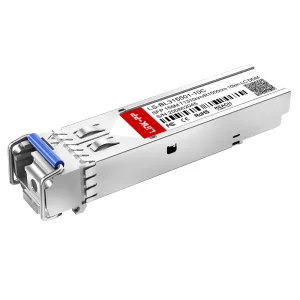
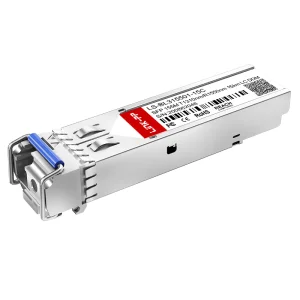
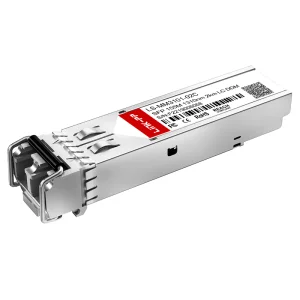
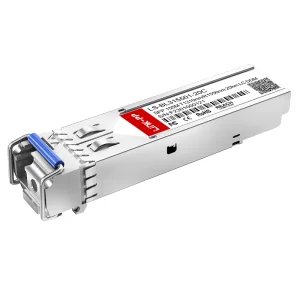
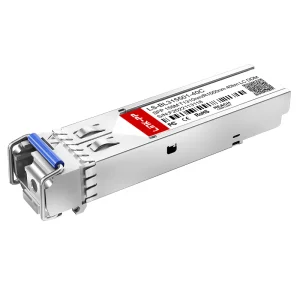
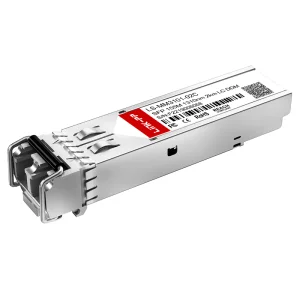
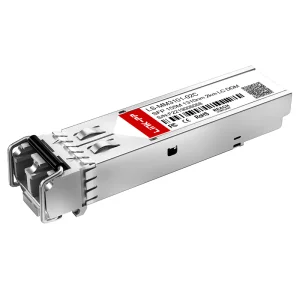
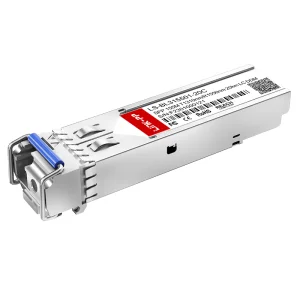
Additional high-durability optical links designed for point-to-point network architecture in municipal and enterprise layouts.
Japan's electrical and optical equipment markets require strict adherence to technical and safety standards. Our production facilities maintain rigorous protocols to ensure compliance with MIC (Ministry of Internal Affairs and Communications) technical regulations. This is critical for systems interfacing directly with public telecommunication networks in Osaka.
Furthermore, to meet the strict electromagnetic interference criteria of the VCCI (Voluntary Control Council for Interference) standard, our transceivers undergo intensive radiation shielding design. This prevents unwanted interference with highly sensitive nearby industrial electronics, making them safe for deployment in medical networks, heavy machinery control centers, and high-speed rail systems.
Exporting high-technology optical equipment to Japan demands clear documentation, standard-compliant labeling, and stable logistics channels. Having 7 years of focused export experience, Novafiber provides complete commercial paperwork, certificate of origin declarations, and compliant customs classification to simplify imports.
We cooperate with leading air-express and sea-freight operators to serve Kansai International Airport (KIX) and the Port of Osaka. This ensures rapid delivery and robust supply-chain predictability for system integrators, municipal engineering groups, and telecommunication hardware distributors throughout Japan.
Many industrial automation networks (like SCADA systems in smart grids, railway signaling, and older generation SDH/SONET hardware in Osaka’s heavy industry) are specifically designed around legacy data rates. Upgrading to 1G or 10G requires massive, capital-intensive updates to the endpoint terminal units. 155M/622M SFPs allow system operators to preserve and maintain reliable, EMI-immune communications at a fraction of the upgrade cost.
Yes. Novafiber has an active compatibility testing laboratory where we write custom firmware matching original manufacturer protocols (including Hirschmann, Moxa, Cisco, Allied Telesis, and Juniper). We ensure the modules are fully recognized, support real-time monitoring via DDM, and do not trigger "third-party hardware" alerts on the host switch.
Commercial SFP modules are rated for temperatures between 0°C and 70°C. In contrast, Industrial Grade SFP modules operate reliably from -40°C to 85°C. For installations in Osaka’s outdoor roadside cabinets, non-climate-controlled factory halls, or underground utility tunnels, industrial-grade modules prevent thermal drift and premature laser degradation.
For standard products, our robust raw-material supply chain lets us assemble, test, and package within 3 to 7 business days. Air freight transit from our facility to Kansai International Airport (KIX) usually takes 3 to 5 business days, including Japanese customs clearance procedures.
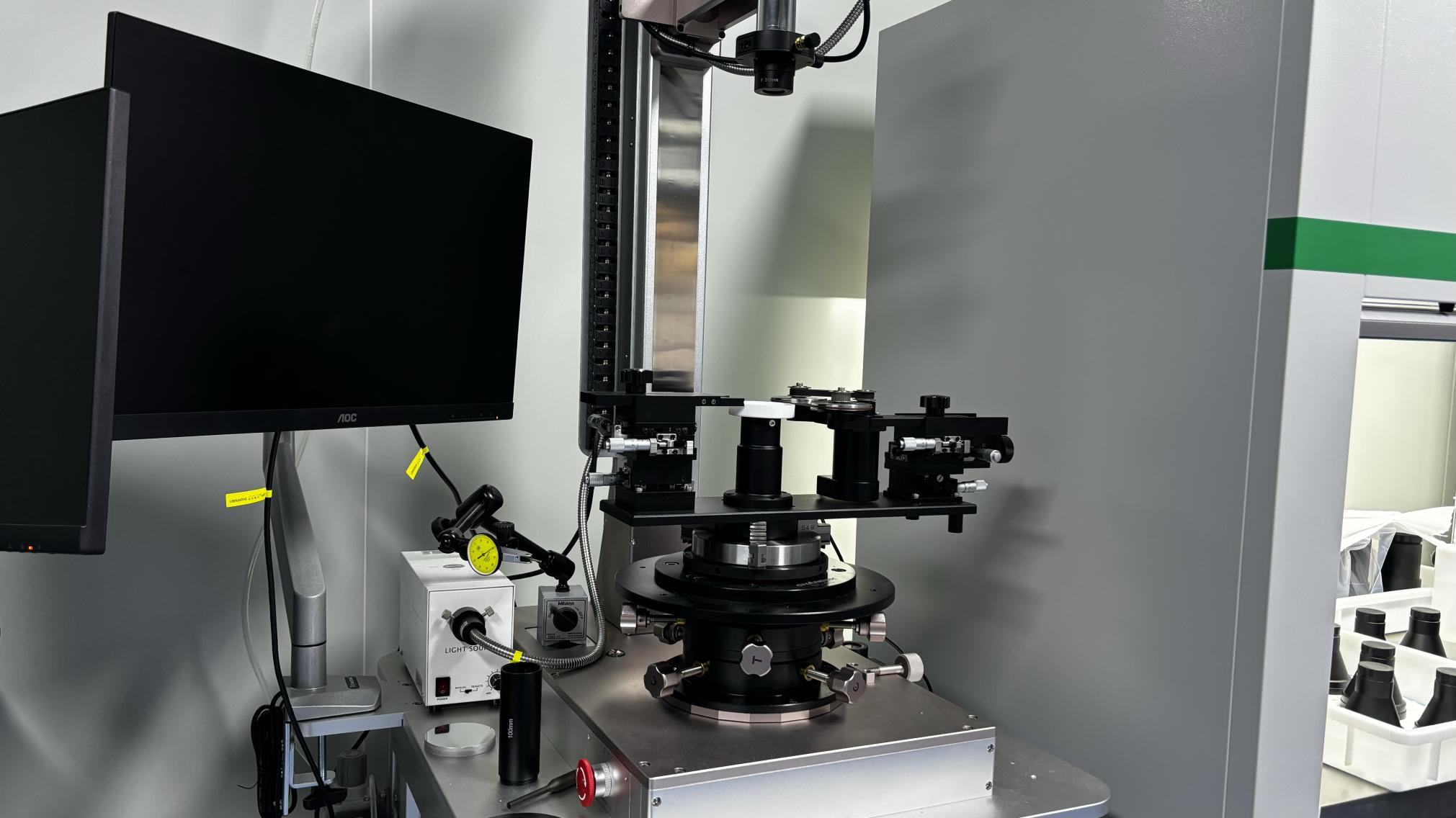
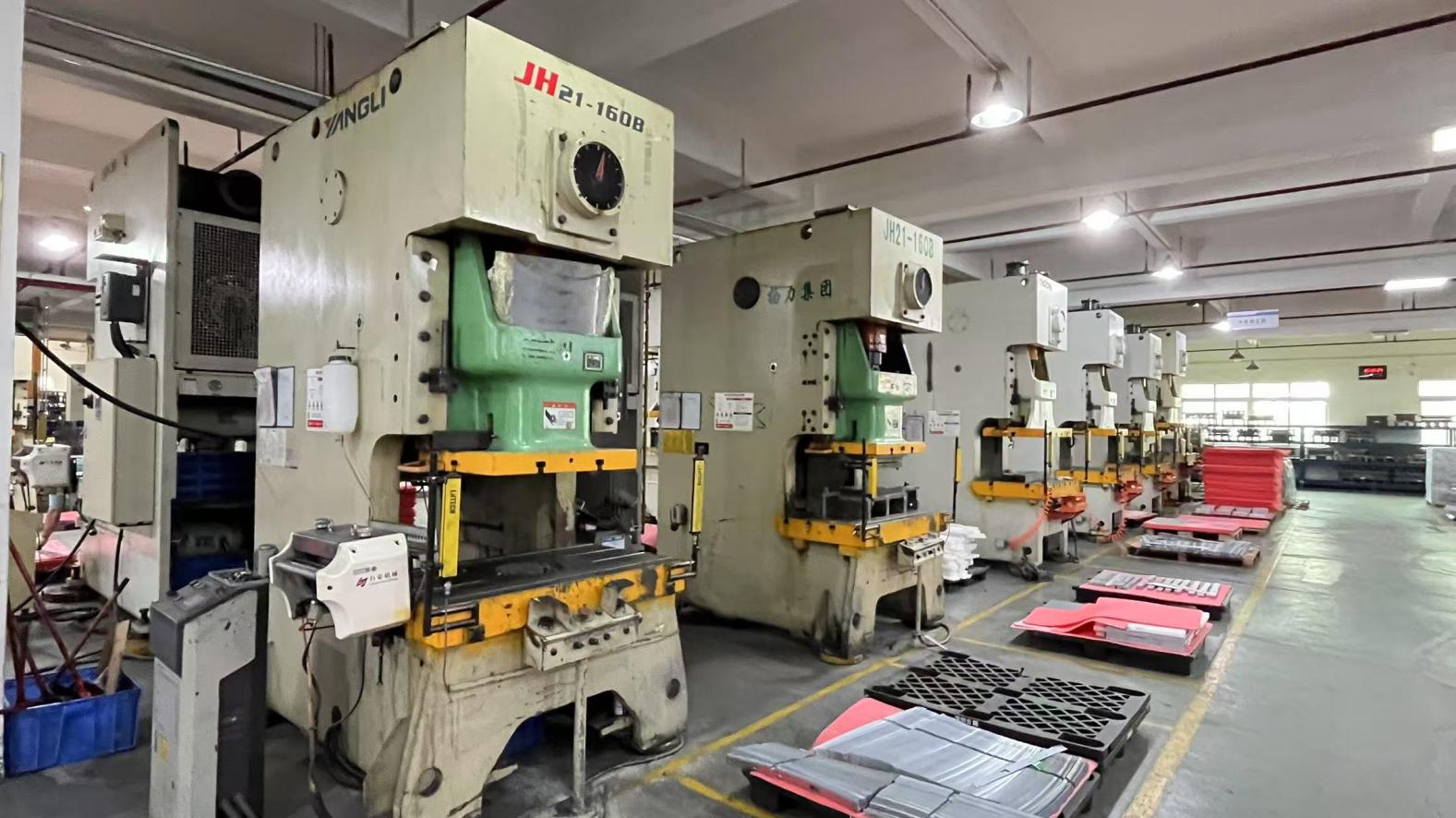
Experience the scale of our production environments, automated quality control equipment, and logistics facilities.


Contact our optical transmission technical division today for customized compatibility validation, volume-based trade discounts, and technical datasheets.
Send Inquiry Now Novafiber