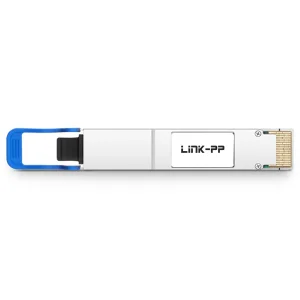
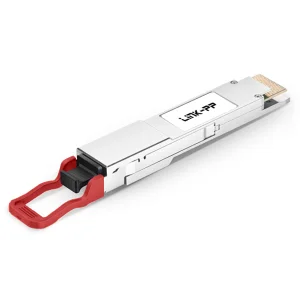
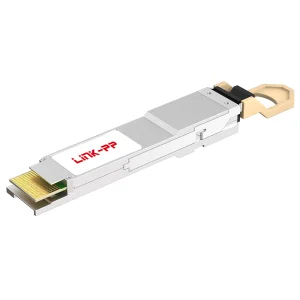
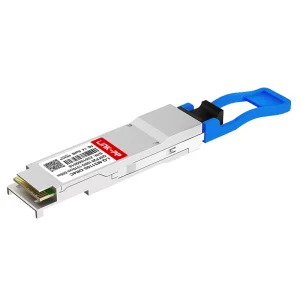
Engineered for seamless integration with major network hardware deployed in Bangkok and Thailand's EEC region.
Under the national Thailand 4.0 initiative, the demand for bandwidth across the nation has experienced exponential growth. Driven by the expansion of hyperscale cloud infrastructures in Chonburi, Rayong, and Bangkok, local service providers and enterprise networks are rapidly transitioning from legacy 10G/40G backbones to robust 100G, 200G, and 400G optical architectures.
The Eastern Economic Corridor (EEC) has become the technological epicenter of Southeast Asia. International cloud service providers and global hyperscalers are investing billions of dollars to construct advanced data centers. In these demanding environments, optical transceivers are critical in facilitating low-latency, high-density, and highly reliable data links.
Deploying high-speed optical transceivers in Thailand introduces specific environmental and infrastructural considerations. Hot and humid tropical conditions require components designed for optimal thermal management and physical durability. As an established optical module manufacturer, our product portfolio features rigorous engineering upgrades to ensure sustained performance under fluctuating thermal conditions, preventing network packet loss and premature hardware failure.
Providing critical technical insights to help network architects design future-proof systems.
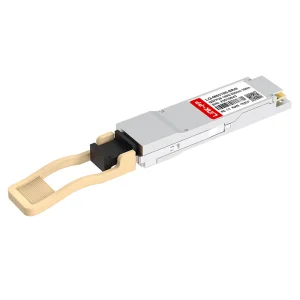
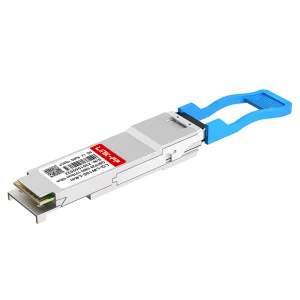
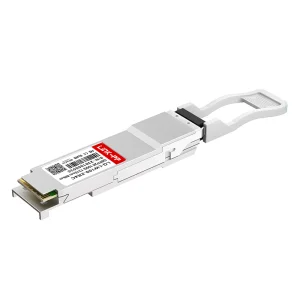
With variants like LR4, ER4, and ZR4 reaching distances of 10km to 80km, QSFP28 remains the backbone of metro and enterprise access networks. Optimized electrical architectures minimize insertion losses and power consumption.
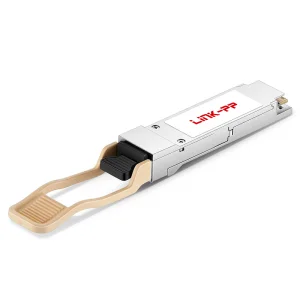
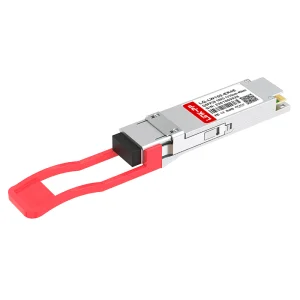
Utilizing PAM4 modulation technology, QSFP56 doubles bandwidth density without demanding a complete redesign of optical distribution networks. Ideal for high-speed clustering and switch-to-switch interconnects.
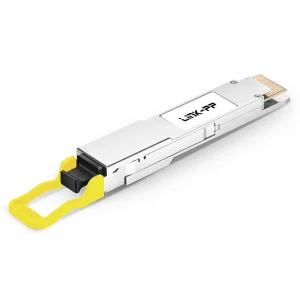
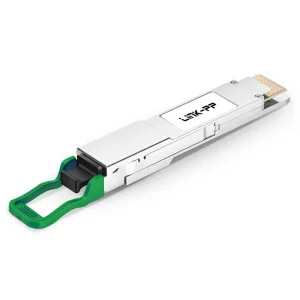
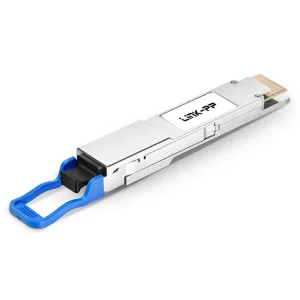
Featuring an 8-lane electrical interface using PAM4, QSFP-DD provides the ultimate capacity required by massive AI workloads, cloud platforms, and heavy municipal traffic management servers.
| Module Category | Form Factor | Typical Reach | Laser Wavelength | Modulation Type | Max Power Dissipation |
|---|---|---|---|---|---|
| 100GBASE-LR4 | QSFP28 | 10 km (SMF) | 1310nm (LAN-WDM) | NRZ | < 3.5W |
| 100GBASE-ZR4 | QSFP28 | 80 km (SMF) | 1310nm (LAN-WDM) | NRZ + FEC | < 5.5W |
| 200GBASE-SR4 | QSFP56 | 100 m (OM4) | 850nm (VCSEL) | PAM4 | < 5.0W |
| 400GBASE-DR4 | QSFP-DD | 500 m (SMF) | 1310nm (EML) | PAM4 | < 10.0W |
| 400GBASE-FR4 | QSFP-DD | 2 km (SMF) | CWDM4 | PAM4 | < 10.0W |
| 400GBASE-LR8 | QSFP-DD | 10 km (SMF) | 8-ch LAN-WDM | PAM4 | < 12.5W |
Our complete line of transceivers designed for long-haul networks, enterprise server clusters, and subsea landing stations in Thailand.
Tropical climates feature elevated ambient temperatures and moisture levels. High relative humidity can compromise optical fiber connections if proper seals and moisture-resistant transceiver designs are not utilized. Our optical modules employ specialized manufacturing methodologies:
We configure and write customized firmware to match the switch profiles of leading global network hardware brands. Network engineers can drop our modules into systems from Huawei, Cisco, Juniper, Arista, and HPE without compatibility warnings or system flags.
Our R&D engineering lab contains over 100 original switches, allowing us to perform rigorous end-to-end testing. Every batch shipped to Thailand comes with pre-programmed compatibility, assuring reliable multi-vendor interoperation.
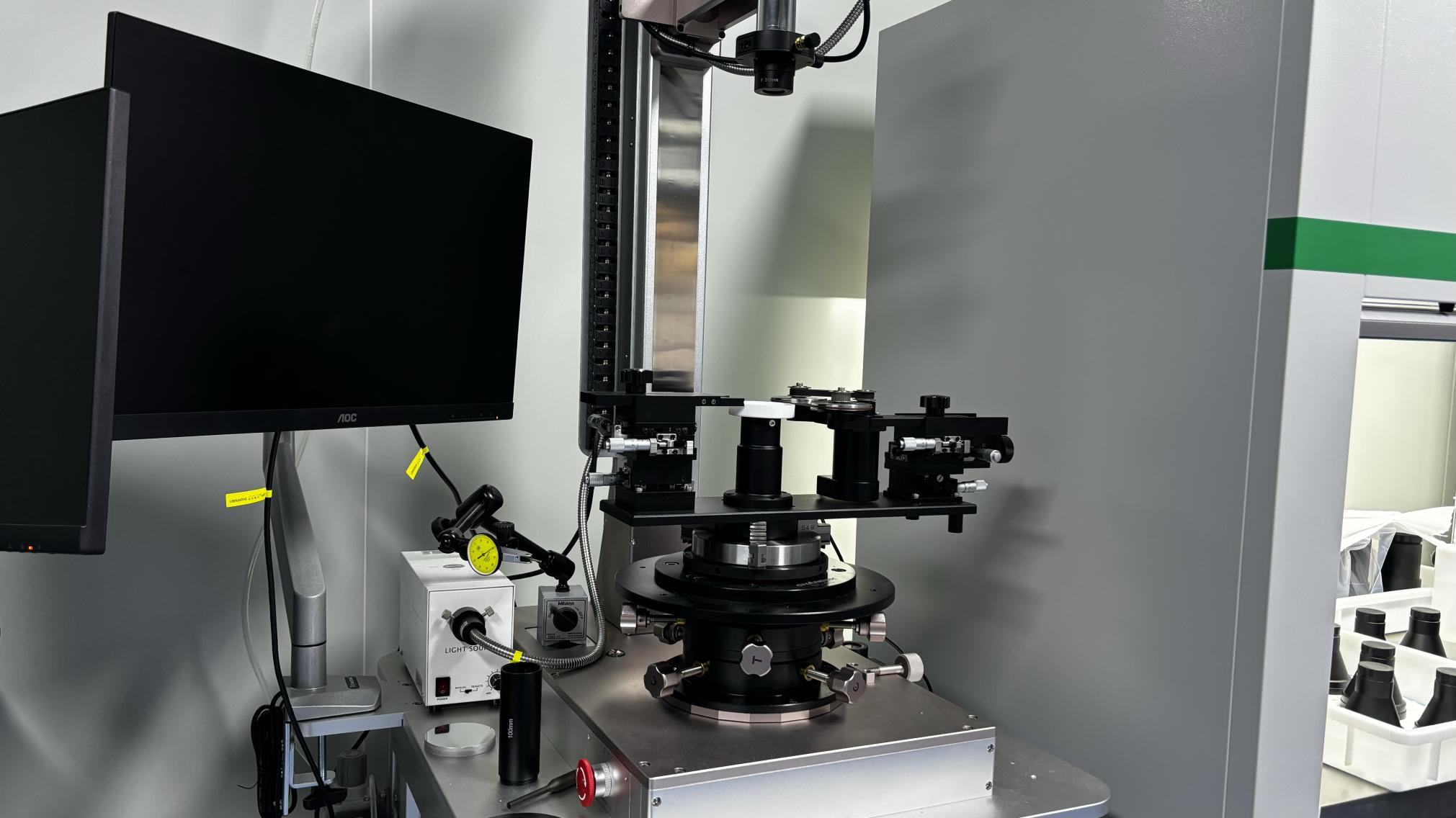
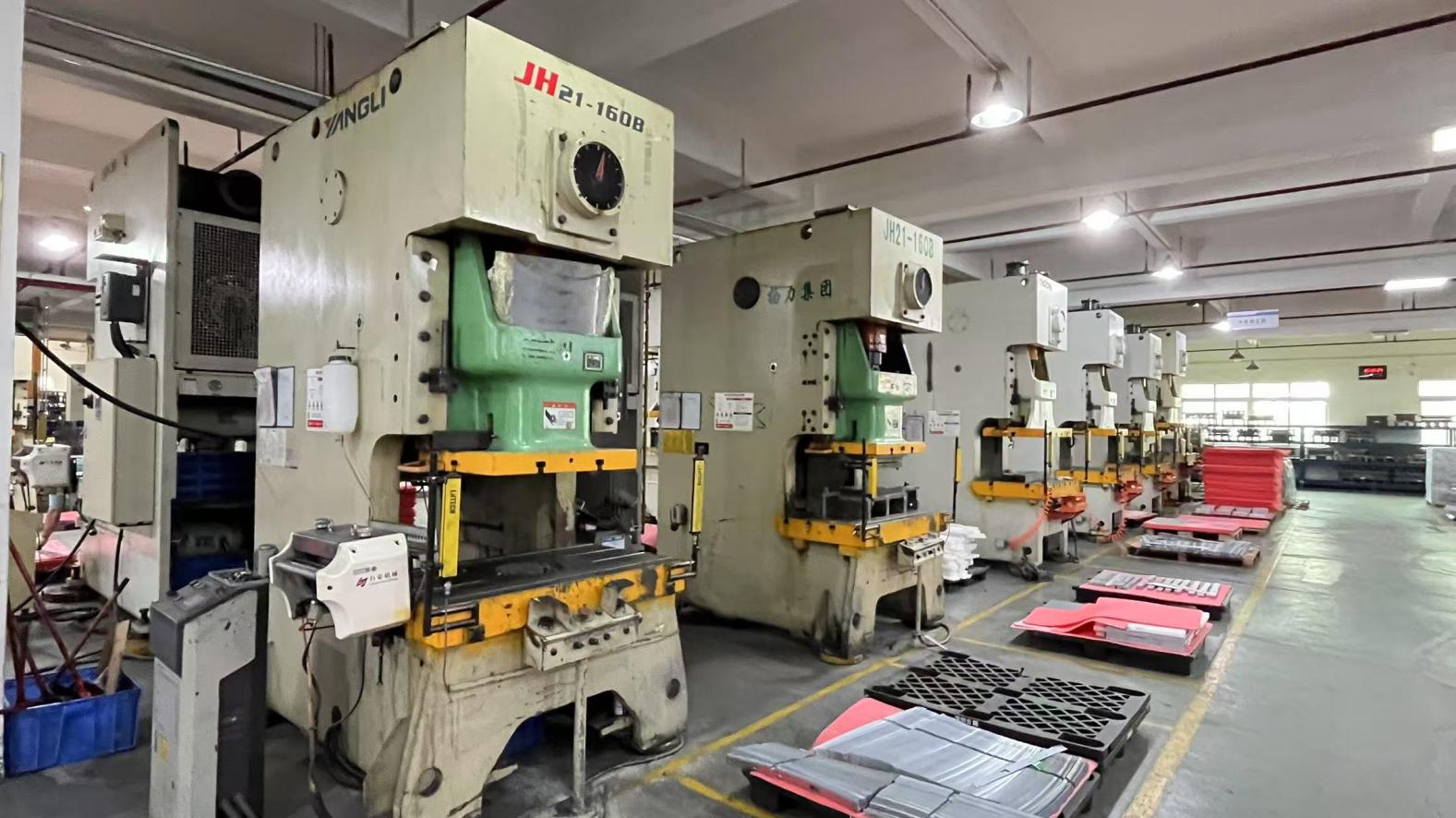
Our commitment to reliability is demonstrated through advanced manufacturing facilities and meticulous quality control.
Novafiber Communications operates a modern, state-of-the-art facility featuring 420㎡ of cleanroom environment, equipped with automated optical alignment and precision testing equipment. Every single 100G, 200G, and 400G module undergoes a strict testing regimen including optical spectrum analysis, eye-diagram characterization, and high-temperature aging tests (ESS) to ensure a failure rate of less than 0.01% over their service lifetimes.


Where our high-performance transceivers are driving value across the Thai digital landscape.
With international cloud giants launching local zones in Bangkok, our 400G CWDM4 and FR4 modules are optimized to establish high-throughput, low-latency inter-datacenter links over fiber routes up to 10km, ensuring rapid cross-zone data replication.
For long-distance trunk lines connecting central Bangkok to outer industrial centers like Pathum Thani and Samut Prakan, our 100G QSFP28 ER4 and ZR4 modules extend the reach of optical signals up to 80km without intermediate optical amplifiers, reducing operational costs.
Large-scale manufacturing facilities in Chonburi's industrial parks require 100G and 200G multi-mode links to support real-time robotic controls, local server virtualization, and unified high-speed local area networks.
To handle massive user densities, telecom towers in cities like Chiang Mai and Phuket depend on high-speed transceivers that function reliably inside active, uncooled outdoor enclosures, resisting moisture, vibration, and thermal stress.
Clear, technical answers to the most common inquiries from network planners in Thailand.
We code and program every module to match the exact EEPROM memory map required by the host switch. Our quality control lab is equipped with testing platforms for all major brands, ensuring that the transceivers register perfectly upon insertion.
We use advanced hermetic and robust structural packaging designs that shield the internal laser diodes (DFB/EML) and photodiodes from moisture. Our optical transceivers undergo thorough environmental stress screening (ESS) to guarantee operational stability under high humidity conditions.
LR4 modules support single-mode fiber links up to 10km. ER4 is designed for links up to 40km using APD receivers. ZR4 integrates FEC (Forward Error Correction) mechanisms to achieve transmission distances up to 80km, ideal for long-distance regional connections.
Yes. We provide deep level customization including wavelength tuning, protocol adaptation, low-latency firmware customization, and branding solutions tailored to system integrators.
 Novafiber