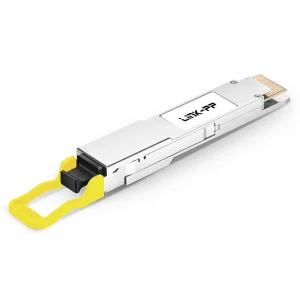
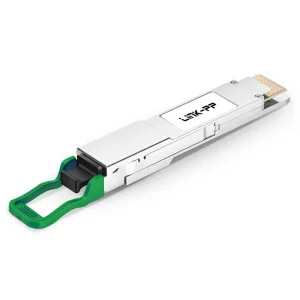
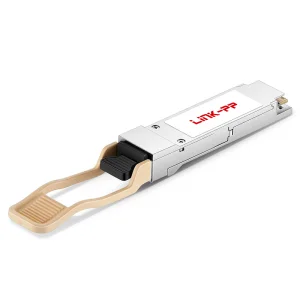
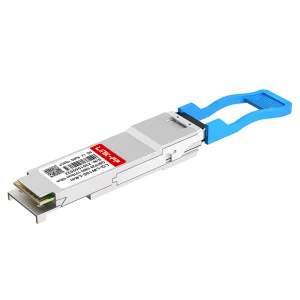
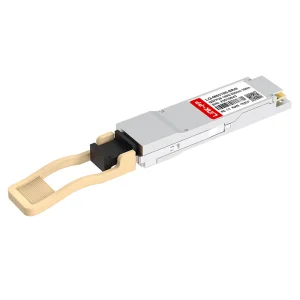
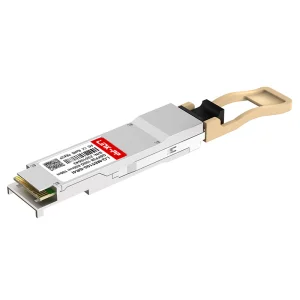
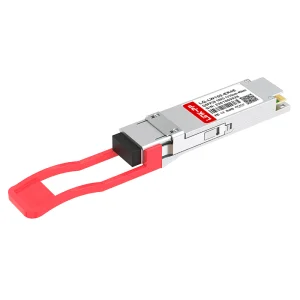
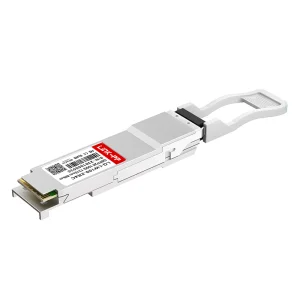
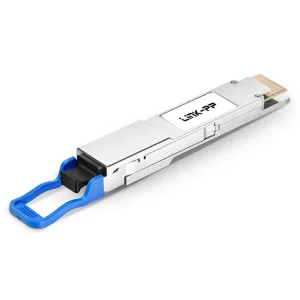
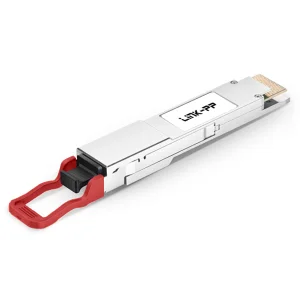
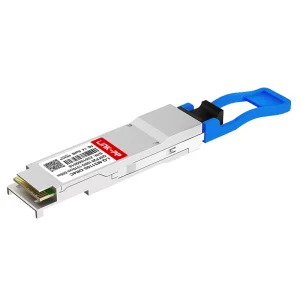
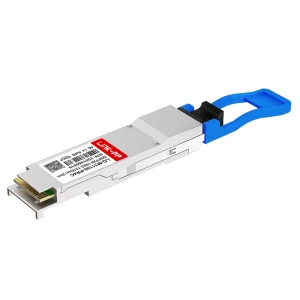
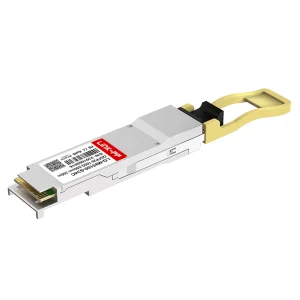
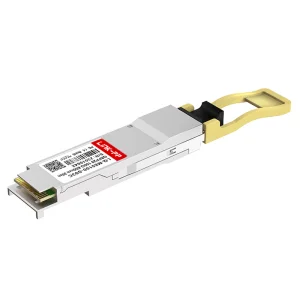
Engineered for immediate high-density scaleout in Seoul's tier-4 colocation hubs and cloud networks.
Seoul, South Korea, stands as one of the most technologically advanced and densely connected metropolitan areas globally. Home to digital giants like Naver, Kakao, and Samsung SDS, the region is experiencing an unprecedented surge in computational demand. From the Pangyo Techno Valley (South Korea’s Silicon Valley) to critical cloud facilities in Mokdong, Sangam, and neighboring Incheon, the transition toward AI workloads, real-time data streaming, and 5G/6G edge networks requires robust, high-performance optical interconnects.
For network architects deploying hardware in Seoul's multi-tenant data centers (MTDCs) and hyperscale complexes, the choice of optical modules is no longer just about compatibility; it is about thermal efficiency, power density, and signal integrity. The rapid deployment of high-density AI clusters utilizing advanced GPU platforms demands ultra-reliable 100G, 200G, and 400G transceiver architectures that can operate continuously under challenging environmental conditions.
Seoul's unique financial trading hubs in Yeouido demand ultra-low latency. Even a fraction of a millisecond delay can mean significant differences in trading outcomes. High-frequency trading systems rely on optical components that guarantee deterministic packet processing times, minimal jitter, and zero packet drops. Our specialized single-mode and multi-mode modules are selected and calibrated specifically to meet these intense localized requirements.
Manufacturing Expertise
R&D Engineers
QC Specialists
Supply Chain Partners
A deep dive into modulation schemes, optical components, and system compatibility configurations.
While traditional 100G systems operate on Non-Return-to-Zero (NRZ) modulation using simple binary logic (high/low states), 200G and 400G transceivers leverage PAM4 (Pulse Amplitude Modulation 4-Level). PAM4 doubles the transmission capacity within the same optical bandwidth by using four distinct signal levels, drastically improving spectral efficiency.
QSFP28 remains the standard for 100G networks, but QSFP-DD (Double Density) is the dominant choice for 400G deployments. Delivering up to 400Gbps in a footprint similar to QSFP, QSFP-DD presents unique thermal challenges. Our modules employ state-of-the-art heat sink designs to ensure stable temperatures in dense rack systems.
As we move toward 800G and 1.6T, Silicon Photonics integrates active and passive optical components directly onto silicon dies. This transition reduces physical size, lowers overall manufacturing costs, and minimizes transmission loss, aligning with green data center requirements in high-cost regions.
Modern network switch architectures in Seoul's premium carrier-neutral facilities (e.g., Equinix SL1, Digital Realty Digital Seoul 1 & 2) require optical modules that support strict FEC (Forward Error Correction) mechanisms. The implementation of high-performance DSPs (Digital Signal Processors) within our 400G transceivers compensates for chromatic dispersion and polarization mode dispersion in long-reach applications, ensuring robust bit error rate (BER) metrics that exceed Telcordia standards.
Optimized optical modules for metropolitan aggregation networks, high-performance computing (HPC), and system backbone upgrades in Seoul.
How Novafiber Communications guarantees supply chain agility and uncompromising quality for South Korean operations.
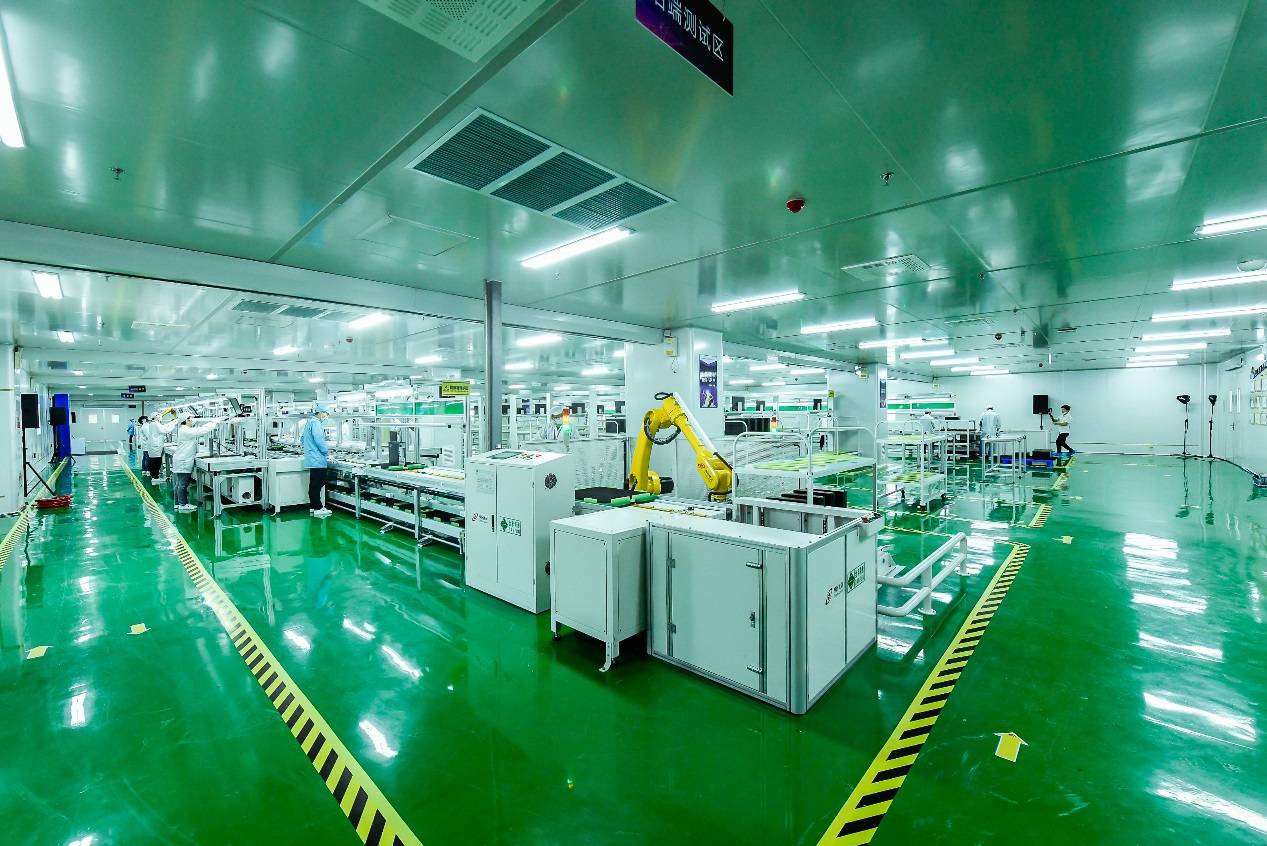
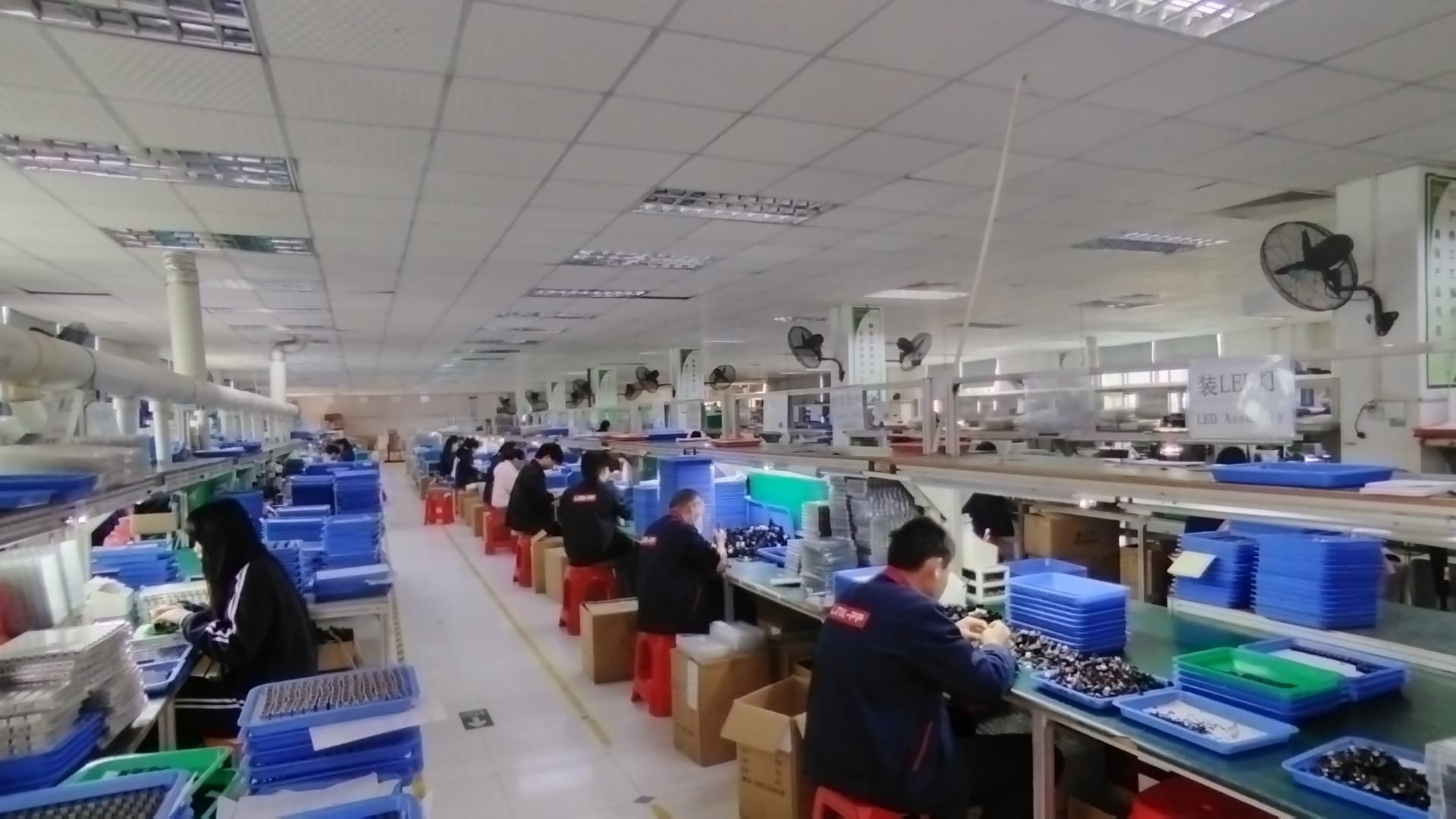
Founded in 2016, Novafiber Communications Co., Ltd. is a leading professional manufacturer specializing in high-performance optical transceiver solutions. With a state-of-the-art 420㎡ production facility, we merge advanced engineering capabilities with a robust logistics infrastructure to support critical network operations worldwide. Over 9 years of industry experience and 7 years of direct export operations back our global distribution network, delivering reliable high-speed hardware to key centers of innovation.
Our annual export volume averages USD 8.5 million, serving demanding clients in North America, Europe, Southeast Asia, and the Middle East. Through partnership with over 1,200 verified raw material and chip-level suppliers, we secure high-performance lasers (DFB, EML, VCSEL) and industry-leading DSP chips even during global component supply constraints.
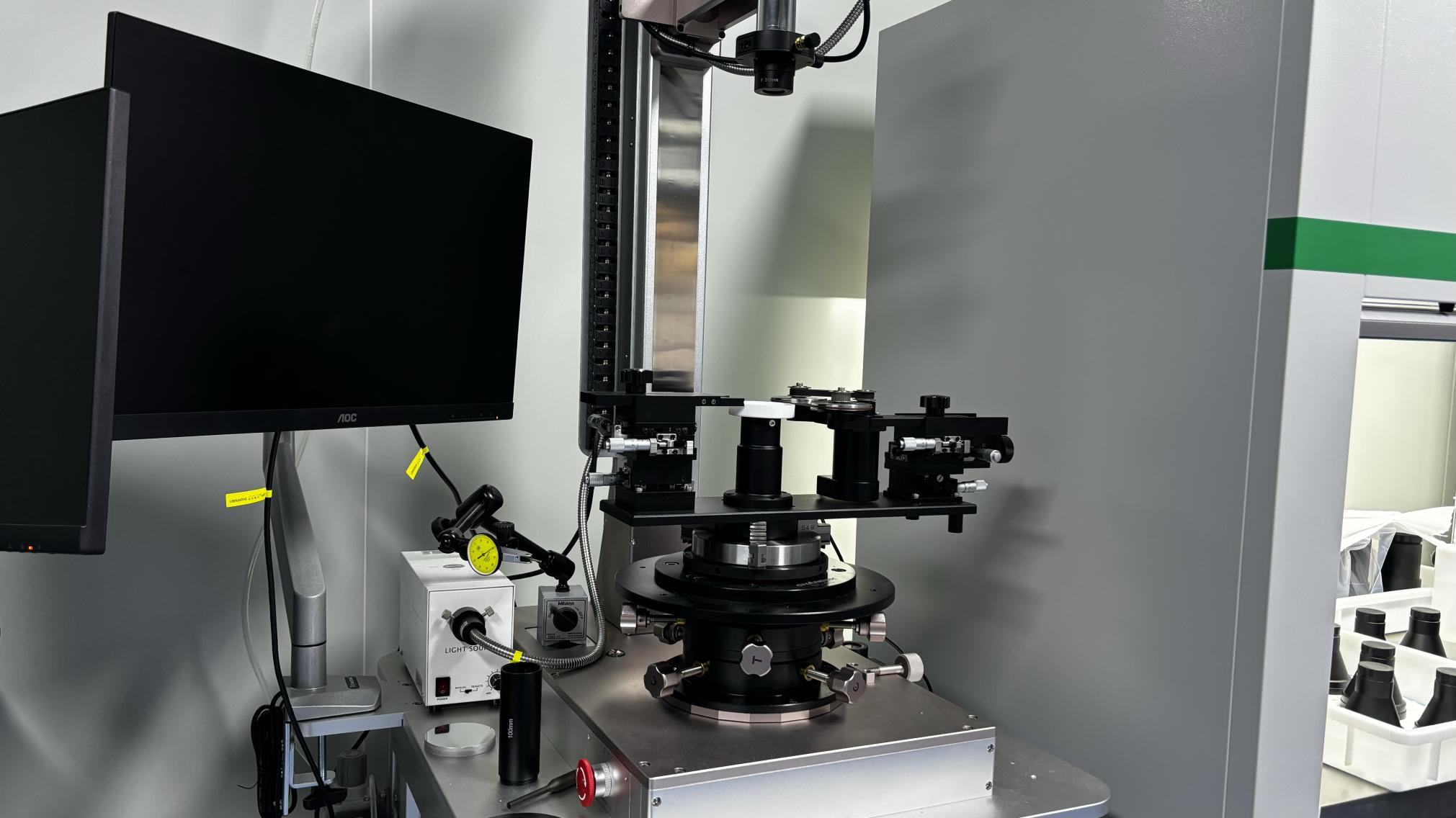
Quality control is central to our production methodology. Novafiber employs 65 specialized quality inspection personnel to manage our strict test procedures. Every transceiver undergoes 100% automated optical and functional performance testing, rigorous thermal stress screening, and high-temperature burn-in tests to guarantee reliability under field conditions.
Our R&D team consists of 180 experienced engineers, driving ongoing innovation in high-speed optical communications. Our agility is demonstrated by 320 new product releases in the past year alone, offering a comprehensive array of customizable options for telecom operators, cloud providers, and system integrators.
Operating network equipment in South Korea requires compliance with local standards overseen by the National Radio Research Agency (RRA). Our optical transceivers are built and verified to meet KC (Korea Certification) requirements, helping local operators avoid regulatory hurdles.
By matching global standards like CE, FCC, RoHS, and UL with local compliance, we ensure smooth customs clearance and easy integration into Korean telecommunication grids.
Different switch vendors use unique EEPROM encoding standards, which can lead to software lockouts when third-party optics are inserted. Our 180-engineer R&D team provides expert firmware customization to match the coding requirements of major brands, including Cisco, Arista, Juniper, Dell, HPE, and regional systems like DASAN and HFR.
Through custom EEPROM programming, protocol tuning, wavelength matching, and customized packaging, Novafiber delivers transceivers configured to integrate seamlessly with your existing infrastructure.
High-performance 100G and 400G transceivers designed for long-distance backhaul, high-density distribution, and modern campus interconnects.
Answers to common technical, design, and logistics questions from our engineering team.
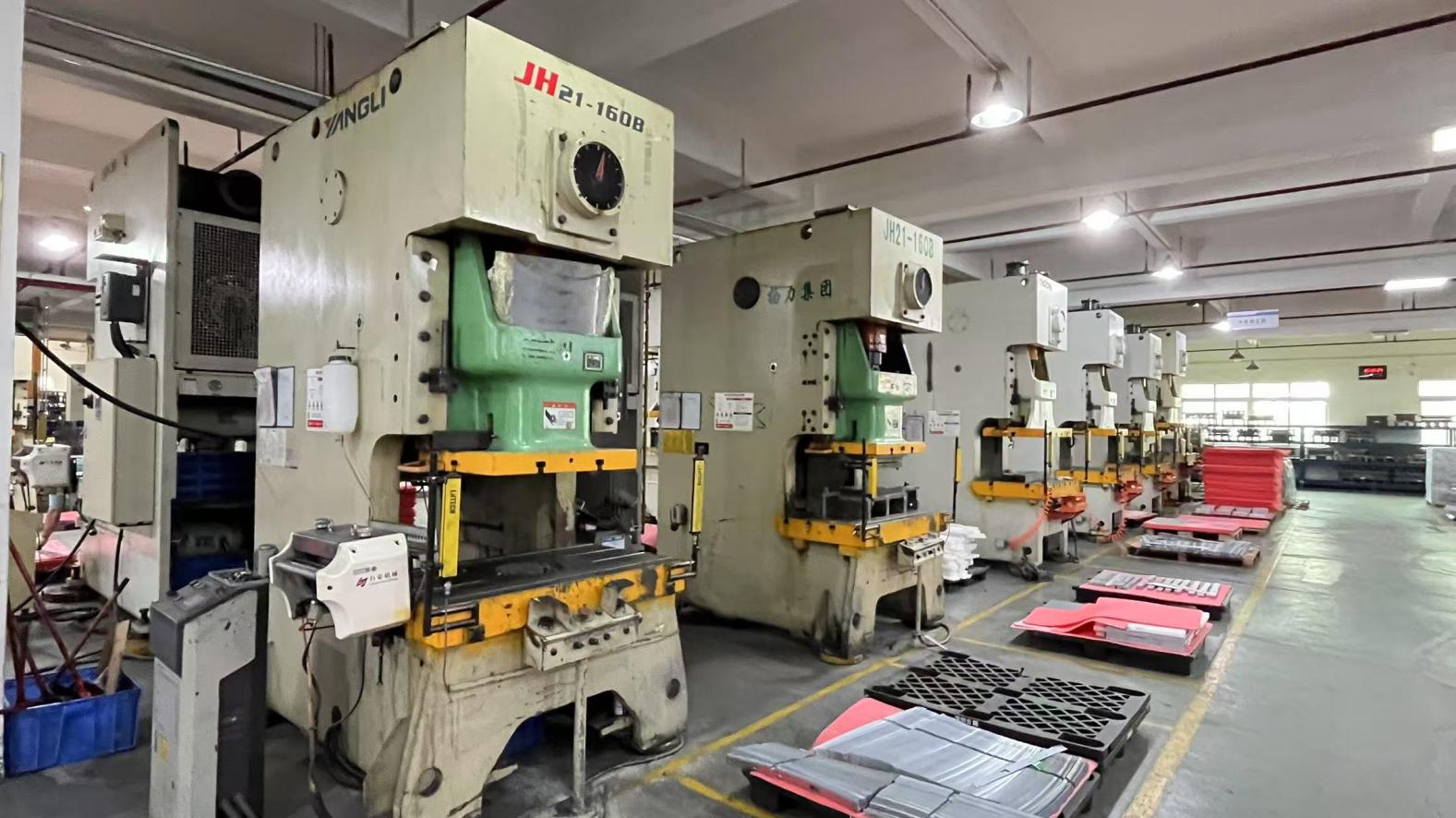
Inside our manufacturing facility, testing suites, and global export distribution center.
Need a custom quote, compatibility advice, or technical datasheets? Get in touch with our team today.
Send Inquiry Now Novafiber