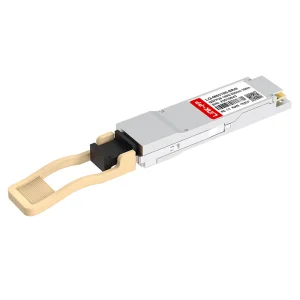
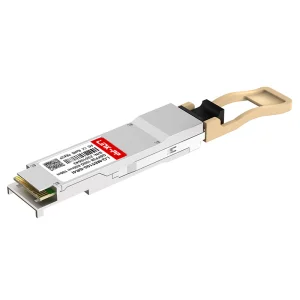
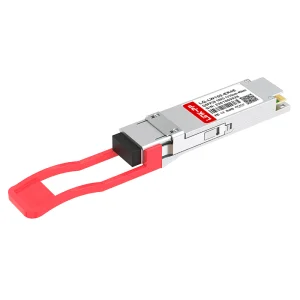
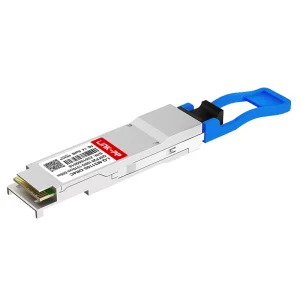
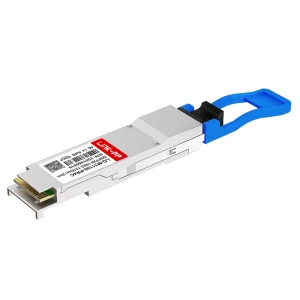
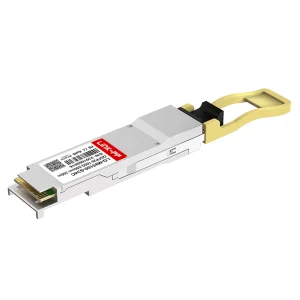
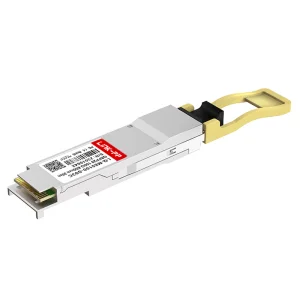
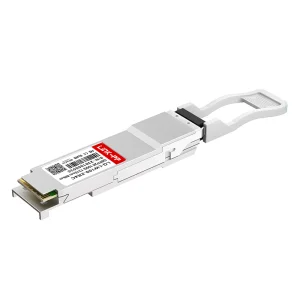
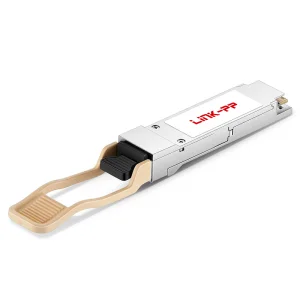
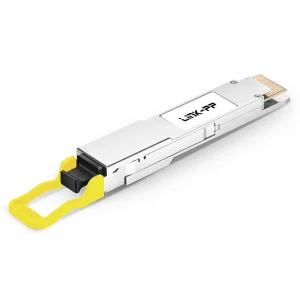
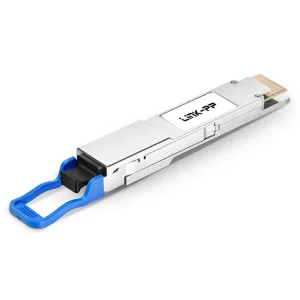
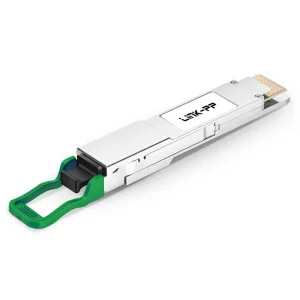
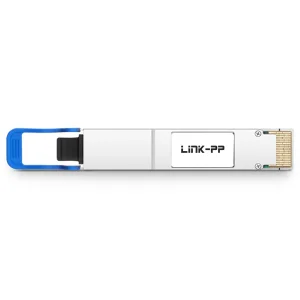
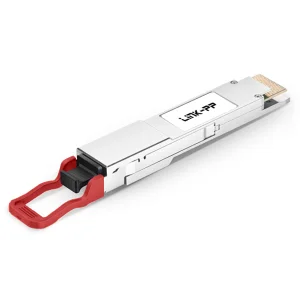
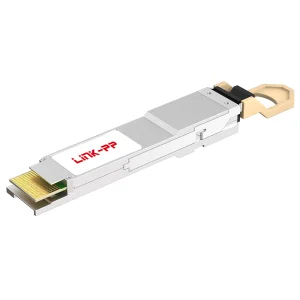
Optimized for Algiers-Marseille subsea cable backhauls and urban telecom core architectures.
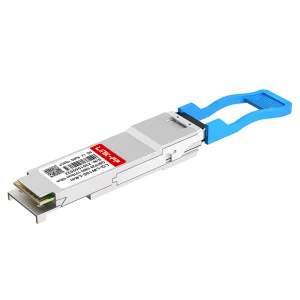
Strategic high-speed optical deployments across the largest Mediterranean nation.
Algeria is currently undergoing an intensive, state-driven digital transformation program. As the largest nation in Africa by landmass, establishing a robust optical transport network is not merely an engineering feat but a foundational pillars of the country's economic roadmap. Driven by the national operator Algérie Télécom alongside private sector telecom players like Mobilis, Djezzy, and Ooredoo, the demand for higher bandwidth capacities is surging at exponential rates.
The strategic deployment of high-speed transceivers (100G, 200G, and 400G) has shifted from being a niche requirement to a core necessity. Submarine fiber optic connections landing at Algiers, Oran, and Annaba—such as the ORVAL, ALVAL, and Medex networks—require ultra-high-speed transceivers to route massive international traffic into metropolitan distribution centers. For systems integrators and local Internet Service Providers (ISPs), acquiring carrier-grade, highly compatible optical modules is critical to avoiding latency and link disruptions.
Furthermore, Algeria's distinct environmental conditions demand highly reliable hardware. The southern Sahara regions experience ambient temperatures soaring above 50°C, which translates into critical thermal management demands inside remote telecom enclosures. Standard commercial transceivers are prone to thermal runaway under these conditions. Consequently, industrial-grade operational stability, coupled with reliable internal Digital Diagnostics Monitoring (DDM/DOM), is crucial for maintaining regional fiber networks spanning from Ghardaïa to Hassi Messaoud.
Modernizing enterprise and telecom networks in North Africa requires a strategic roadmap. Choosing the correct form factors and optical interfaces is a balance between physical reach, port density, power envelopes, and capital expenditure. Below, we break down the engineering characteristics of the primary architectures.
| Form Factor | Standard/Interface | Wavelength & Media | Transmission Reach | PAM4 vs NRZ | Algeria Use-Case Recommendation |
|---|---|---|---|---|---|
| QSFP28 (100G) | LR4 / ER4 / ZR4 | 1310nm Single Mode (SMF) | 10km - 80km | NRZ (4x25G) | Regional backhaul, municipal networks, and long-range inter-city links. |
| QSFP56 (200G) | SR4 / FR4 | 850nm / CWDM4 | 100m - 2km | PAM4 (4x50G) | Data Center migration, high-density edge networks. |
| QSFP-DD (400G) | DR4 / FR4 / LR8 / ER8 | 1310nm / CWDM SMF | 500m - 40km | PAM4 (8x50G) | Algiers Core DCI, high-throughput cloud hosting providers, subsea line cards. |
100G QSFP28 NRZ Architectures: The workhorse of contemporary enterprise networks. Leveraging Non-Return-to-Zero (NRZ) modulation across 4 parallel lanes of 25Gbps, it offers a mature ecosystem with highly cost-effective deployment costs. For long-distance inter-city links crossing rugged terrain in Algeria, 100G LR4 (10km) and ER4 (40km) modules are widely used to maintain signal integrity without regeneration stations.
400G QSFP-DD PAM4 Architectures: To support the massive growth of mobile data, system operators are transitioning to Pulse Amplitude Modulation 4-Level (PAM4) coding. By doubling the bits per baud, QSFP-DD (Double Density) interfaces achieve aggregate data rates of 400Gbps using 8 lanes of 50Gbps or 4 lanes of 100Gbps. This high-density architecture requires precise forward error correction (FEC) configuration to offset signal degradation over extended single-mode fiber links.
Highly robust multi-mode and single-mode options for local telecom central offices.
How Novafiber guarantees zero-defect manufacturing and industry-leading performance.
Operating a advanced optical module factory serving global markets demands strict adherence to rigorous engineering protocols. Novafiber Communications Co., Ltd. has developed specialized automated testing and production lines within our high-tech facility, covering approximately 420㎡. Designed to ensure maximum stability and cross-brand compatibility, our manufacturing plant incorporates environmental stress screening chambers, high-temperature aging racks, and high-frequency digital testing stations.
Our quality assurance framework features 65 dedicated quality inspection personnel. Every 100G, 200G, and 400G transceiver undergoes exhaustive functional screening: including optical eye diagram testing, bit error rate (BER) checks, and 100% host switch interoperability verification. The modules are systematically loaded onto routers and switches from major brands (Cisco, Juniper, Huawei, Nokia, HP, etc.) under extreme environmental simulation to confirm their resilience against signal attenuation and thermal stress.



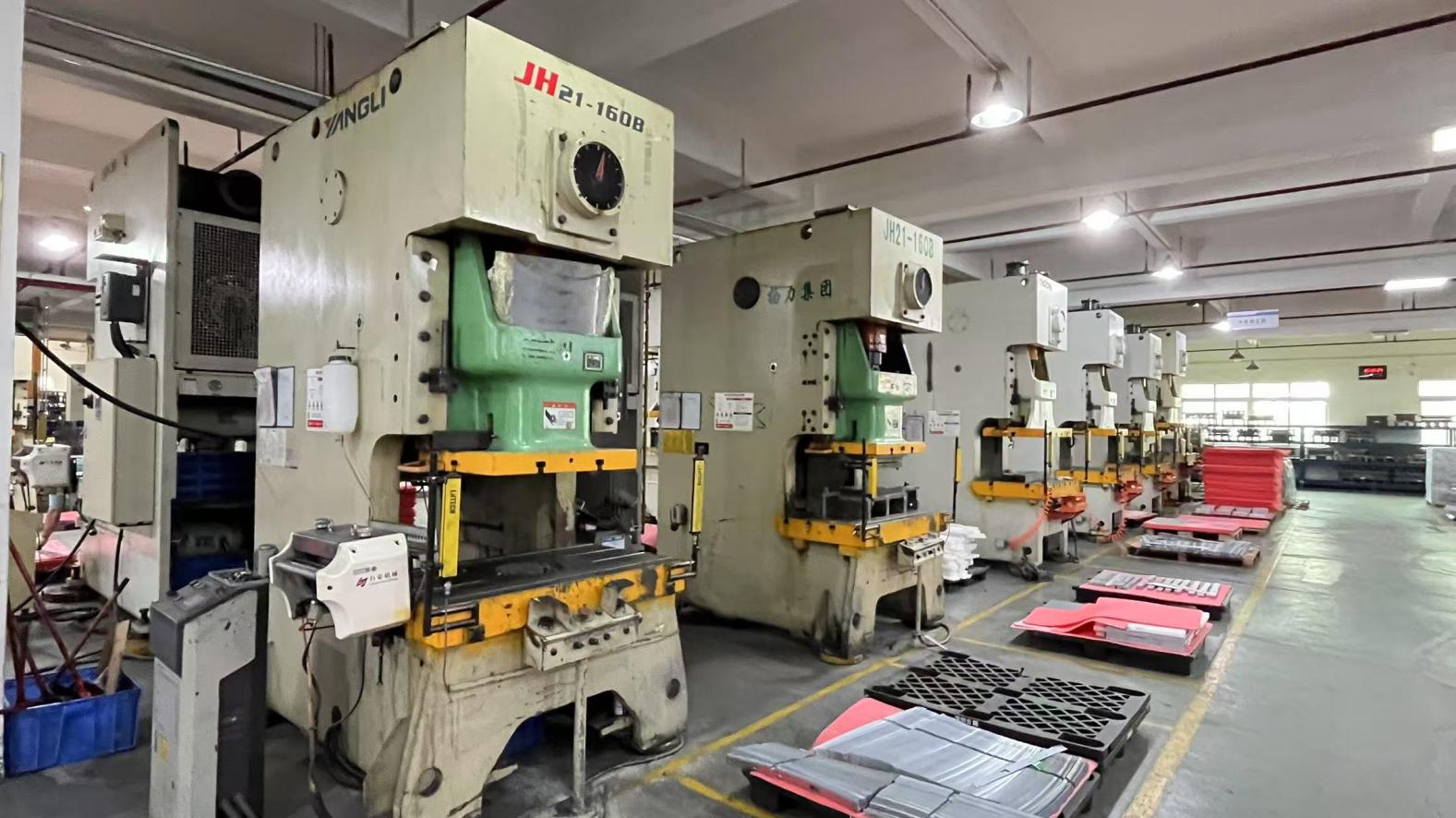
With more than 1,200 supply chain partners, Novafiber is capable of maintaining a stable mass-production line even amidst global semiconductor shortages. Our R&D team consisting of 180 experienced engineers continuously adapts module firmware to keep pace with new network switch operating systems. Over the past year, we have introduced 320 new product releases, leading the industry in physical layering, customized optical wavelengths, and high-density packaging solutions.
Navigating import processes, regulatory standards, and customs clearances for local enterprise projects.
Importing high-speed communication equipment into Algeria requires deep familiarity with local regulatory bodies, primarily the Autorité de Régulation de la Poste et des Communications Électroniques (ARPCE). In addition to general customs procedures, networking components must meet strict national security and encryption compliance requirements. Novafiber has years of experience exporting to North African destinations, offering comprehensive shipping documentation, certificate of origin paperwork, and customs coordination.
Answers to crucial engineering and supply chain questions for local systems integrators.
Engineered for long-haul transmission and ultra-dense data center architectures across Algiers and Oran.
Get custom quotes, detailed data sheets, compatibility profiles, and local import advice tailored for Algerian telecommunications projects.
 Novafiber