Engineered to industry standards for high-performance data transmission, electromagnetic shielding, and robust thermal management.
Analyzing physical-layer infrastructure trends, macro-economic demand, and high-frequency connectivity standards.
The global trade of RJ45 Network Interface Cards (NICs) and integrated connector modules (ICMs) is experiencing a transition driven by cloud computing expansion, industrial automation (Industry 4.0), and telecommunication network upgrades.
Leading exporters in East Asia dominate production, capitalizing on highly integrated component ecosystems. The demand shifts rapidly towards high-power PoE (Power over Ethernet) configurations and multi-gigabit copper capabilities, which optimize data delivery and system design.
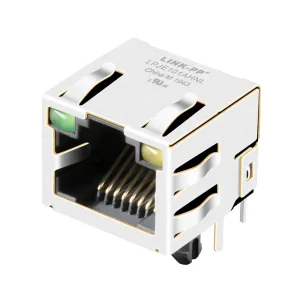
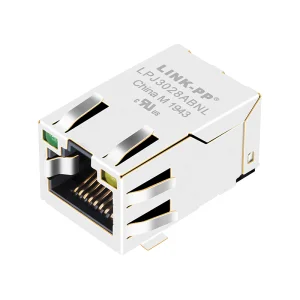
Physical layer integrity is critical. In B2B environments, RJ45 ports are no longer passive components; they are highly integrated MagJacks with built-in isolation transformers, common-mode chokes, and ESD protection.
These features minimize insertion loss, improve return loss margins, and mitigate electromagnetic interference (EMI). These performance metrics are crucial for enterprise switches, servers, and base stations operating in challenging environments.
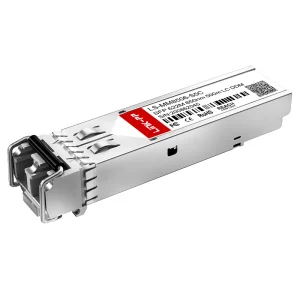
While optical transceivers lead in ultra-long-haul backbones and massive hyperscale interconnects, copper RJ45 structures remain standard for edge access. Their cost-effectiveness under 100 meters makes them essential.
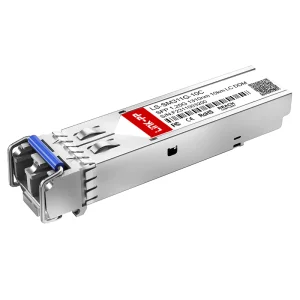
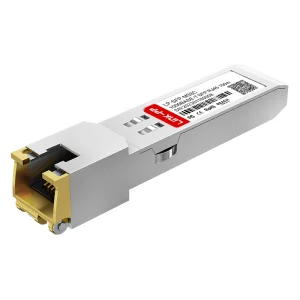
Using copper transceivers within SFP cages (e.g., SFP-to-RJ45) allows operators to transition between fiber distribution and copper endpoint devices, providing design flexibility for campus networks and edge computing.
A Premier OEM/ODM Global Supplier of Advanced Networking Components and Optical/Copper Connectivity Systems
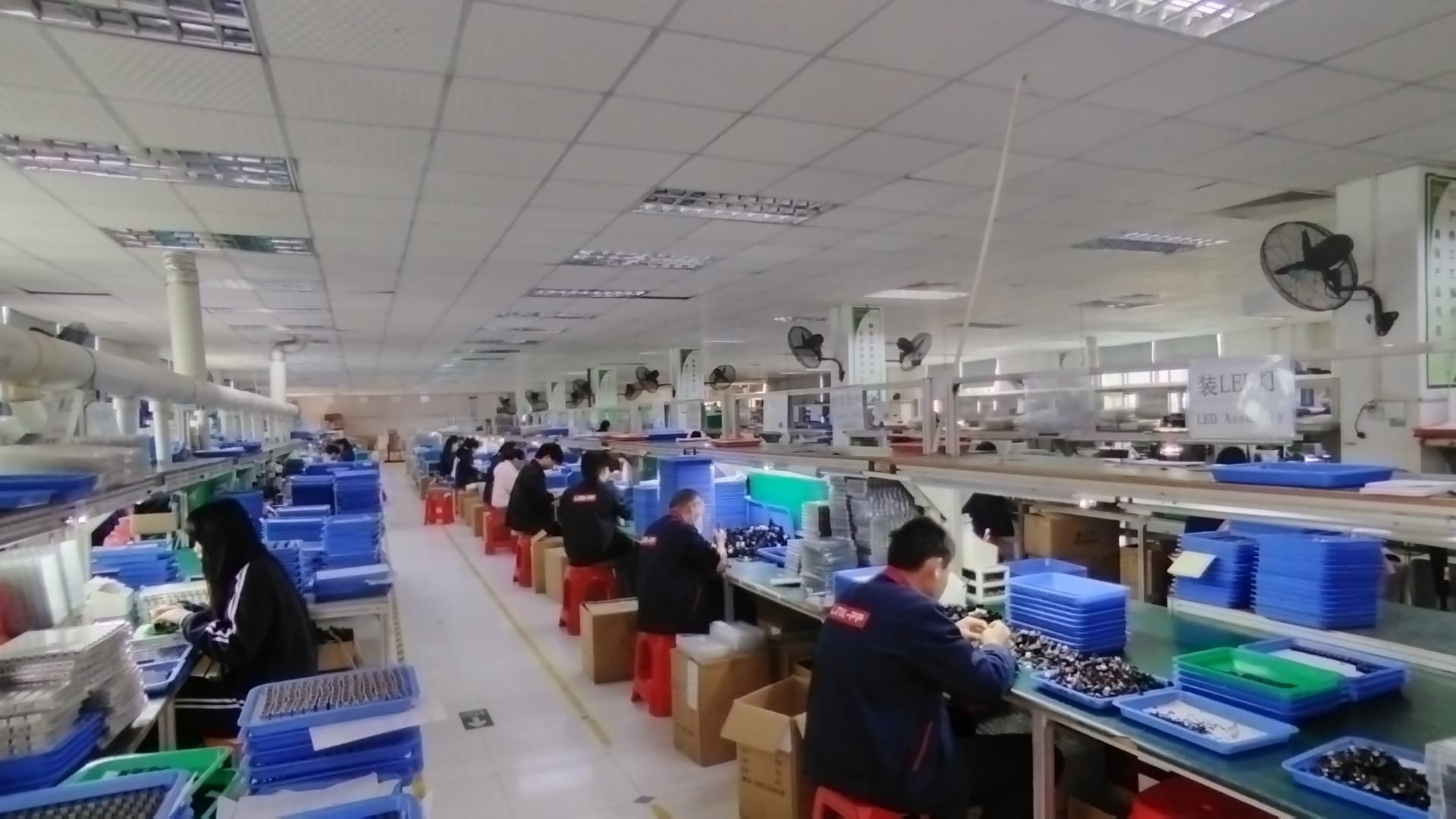
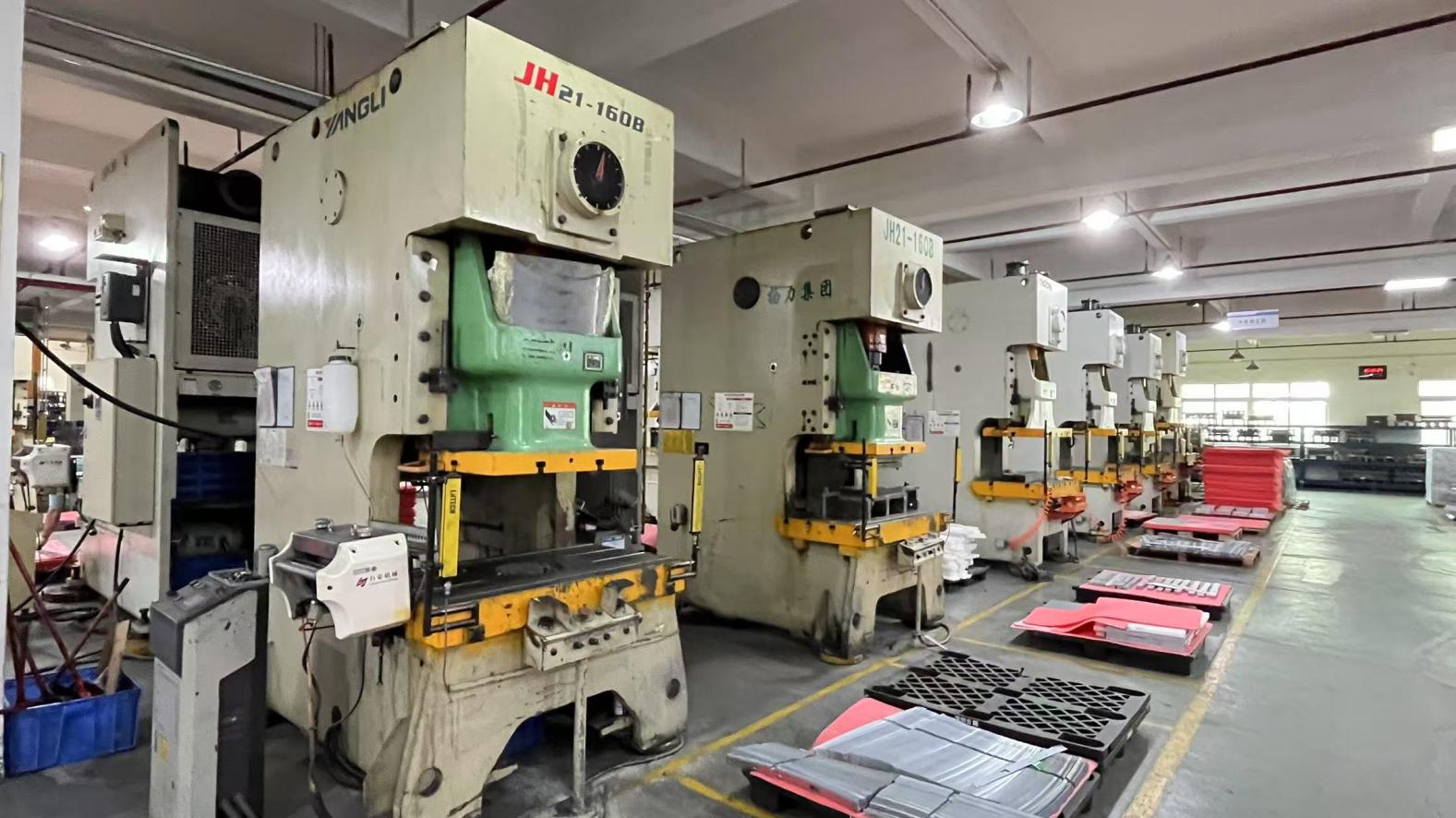
Founded in 2016, Novafiber operates modern production facilities optimized for fast turnaround, scaling, and quality control. With 9 years of industry experience and 7 years of export history, the company supplies systems across North America, Europe, Southeast Asia, and the Middle East. Over 65 quality inspectors enforce compliance with IPC standards using automated optical testing and Environmental Stress Screening (ESS) to guarantee operational life cycles.
Emerging requirements shaping the future of industrial RJ45 architectures and server-side network interface adapters.
Transitioning from 1G BASE-T to 2.5G, 5G, and 10G copper connections requires advanced noise-canceling magnetics. Modern network interface designs must handle higher frequencies without introducing cross-talk or return-loss anomalies, ensuring support for high-throughput Wi-Fi access points and enterprise switch ports.
Modern applications require high-power PoE (IEEE 802.3bt Type 3 and Type 4) to deliver up to 90W of DC power alongside data over a single Ethernet link. This requires transformer designs that resist magnetic core saturation at high bias currents, protecting performance under load.
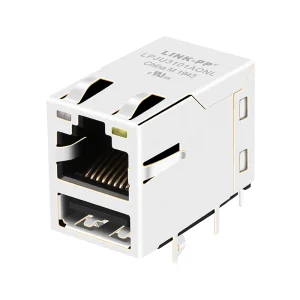
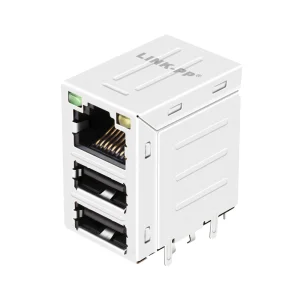
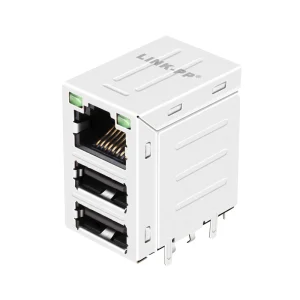
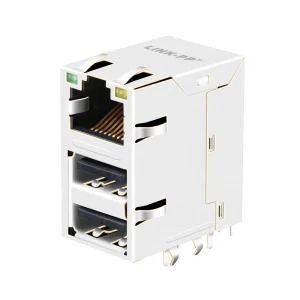
For applications where space is limited, such as thin client servers and industrial displays, combo configurations are essential. The integration of USB 3.0 stack modules with EMI-shielded RJ45 jacks allows engineers to optimize panel density, reducing routing complexity on internal layers of the PCB.
How global system integrators deploy RJ45 connectivity and SFP transceivers in major vertical markets.
Smart factories rely on real-time Ethernet protocols (EtherCAT, PROFINET) for robotic controls, sensors, and PLCs. Hardware deployed here must resist electromagnetic noise, thermal cycling, and physical vibration.
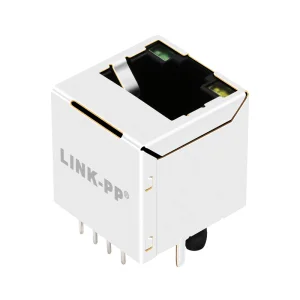
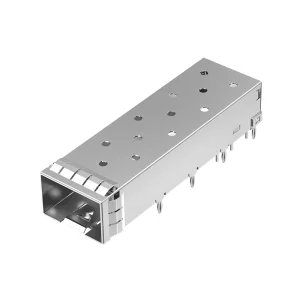
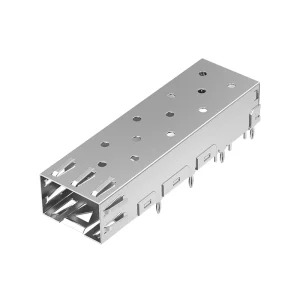
To meet these requirements, manufacturers use right-angle press-fit SFP cages and through-hole vertical RJ45 connectors with specialized ground tabs. This ensures a low-impedance path to the chassis ground and keeps mechanical connections secure.
In high-density server environments, Top-of-Rack (ToR) switches interface with thousands of copper-configured endpoints. The use of compatible SFP-to-RJ45 transceivers allows data center operators to support existing copper cabling structures while preparing their active equipment for future optical upgrades.
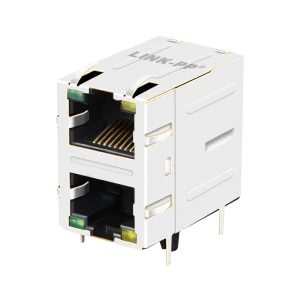
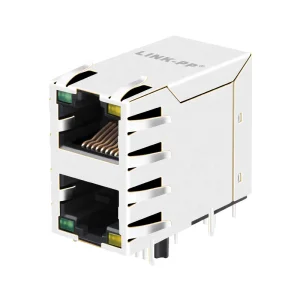
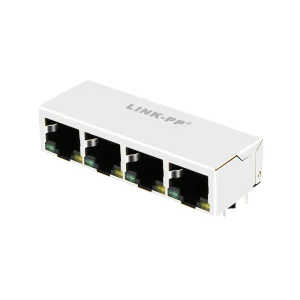
Additionally, shielded multi-port RJ45 connectors with integrated status LEDs help reduce installation footprints and simplify troubleshooting during maintenance cycles.
Adapting manufacturing parameters, plating thicknesses, and enclosure structures to meet regional compliance standards.
Deployments in this region require strict compliance with FCC Part 15 subpart B standards to limit unintended radiation. Connectors and NIC controllers must have comprehensive shielding with multiple grounding points to prevent electromagnetic interference.
Underwriters Laboratories (UL) fire-retardant standards (UL94-V0) are also required for plastic housings to meet local fire codes in building distribution systems.
Sourcing products for EU-based networks requires RoHS (Restriction of Hazardous Substances) and REACH compliance, meaning all solders, platings, and plastics must be lead-free and cadmium-free.
Additionally, network equipment must support energy-efficient Ethernet designs (such as IEEE 802.3az) to meet green energy requirements in municipal data centers.
Deployments in hot, humid climates, such as Southeast Asia and coastal Middle Eastern areas, face corrosion risks. Exporters must provide contacts with thick gold plating (50 micro-inches minimum) over nickel-plated bronze pin bases.
Environmental Stress Screening (ESS) and high-temperature aging tests are key to preventing copper oxidation and connector failures in non-climate-controlled setups.
The progression of B2B network hardware interfaces toward higher spectral density and unified physical configurations.
As networks scale to support AI workloads and ultra-high-definition industrial telemetry, standard copper interfaces face high-frequency physical limitations. To address this, the engineering roadmap highlights several key transitions:
Answers to common questions from network engineers and procurement officers regarding RJ45 connectors and optical transceivers.
Integrated MagJacks (ICMs) consolidate isolation transformers, common-mode chokes, resistors, and high-voltage capacitors inside the RJ45 housing. This saves board space on the network interface card (NIC), simplifies PCB layouts, and reduces EMI loops. By shielding these components inside a metal body, MagJacks protect sensitive PHY chips from external noise more effectively than discrete board-mounted components.
SFP-to-RJ45 transceivers allow devices with SFP optical ports to connect to legacy copper cabling (such as Cat6a or Cat7) over distances up to 100 meters. This plug-and-play capability helps operators utilize existing copper lines without upgrading entire switch arrays to fiber. This approach optimizes capital expenditure and provides flexibility during phased infrastructure upgrades.
Gold is resistant to oxidation and maintains low contact resistance. In industrial, marine, or telecom installations, exposure to humidity and corrosive gases can degrade contact pins. Sourcing connectors with 50 micro-inches of gold plating ensures reliable connection cycles and prevents signal degradation over the product's lifespan, whereas thinner platings (such as flash gold) can wear off quickly, leading to intermittent connection issues.
Novafiber employs 65 quality control inspectors who oversee a strict testing protocol. Each module undergoes 100% functional testing, automated optical inspection, burn-in testing, and high-temperature aging to ensure reliability. We also program EEPROM configurations to match the firmware protocols of major network equipment brands, ensuring out-of-the-box compatibility.
Complete B2B catalog featuring compatible cages, stackable connectors, and high-speed copper adapters.
Production execution, clean-room assembly, quality checking, and system distribution centers.


 Novafiber