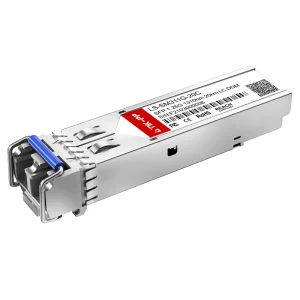
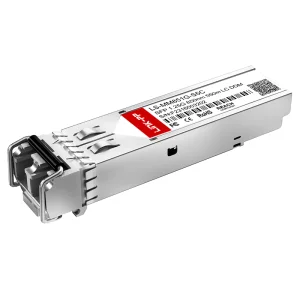
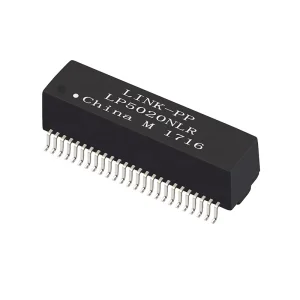
Accelerate bandwidth speeds and optimize transmission ranges with our standard and customized industrial interconnect products.
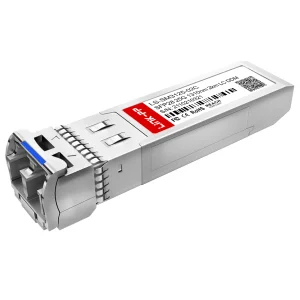
In the era of hyper-scale cloud computing, smart utility grids, and automated cyber-physical systems, modern communications demand components that operate far beyond traditional commercial limits. The transition towards 5G telecom backhauls, automated chemical assembly operations, off-shore oil structures, and high-frequency train signalling requires hardware engineered for extreme reliability.
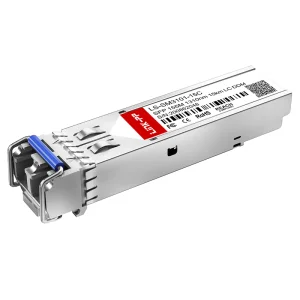
Standard transceiver components typically operate within a narrow temperature range of 0°C to 70°C. In contrast, Industrial Grade Transceiver Modules are built from the ground up using specialized, hardened semiconductor platforms and robust optical elements, allowing them to withstand wide temperature fluctuations from -40°C to +85°C.
Designed with temperature-compensated lasers, hardened driver ICs, and high-conductivity thermal pads to prevent optical drift in extreme heat and sub-zero environments.
Integrated structural metal shielding and specialized ground paths block electromagnetic interference in noisy environments like factory floors and high-voltage power grids.
Robust mechanical latching designs and high-grade solder alloy selections prevent structural micro-fractures in rolling stock, railway systems, and heavy maritime transport.
As optical fiber continues to replace copper links in industrial settings to eliminate ground loops and shield against high-voltage surges, system integrators rely on suppliers who can provide consistent, standards-compliant OEM transceiver designs. Multi-Source Agreement (MSA) compatibility ensures these optical modules plug seamlessly into host systems from brands like Cisco, Juniper, Arista, and HP.
Meeting the demands of global optical network installations requires a balance of engineering precision and scalable manufacturing capacity. Novafiber Communications Co., Ltd., based in China, combines advanced local production networks with lean manufacturing principles to deliver high-performance optical solutions.
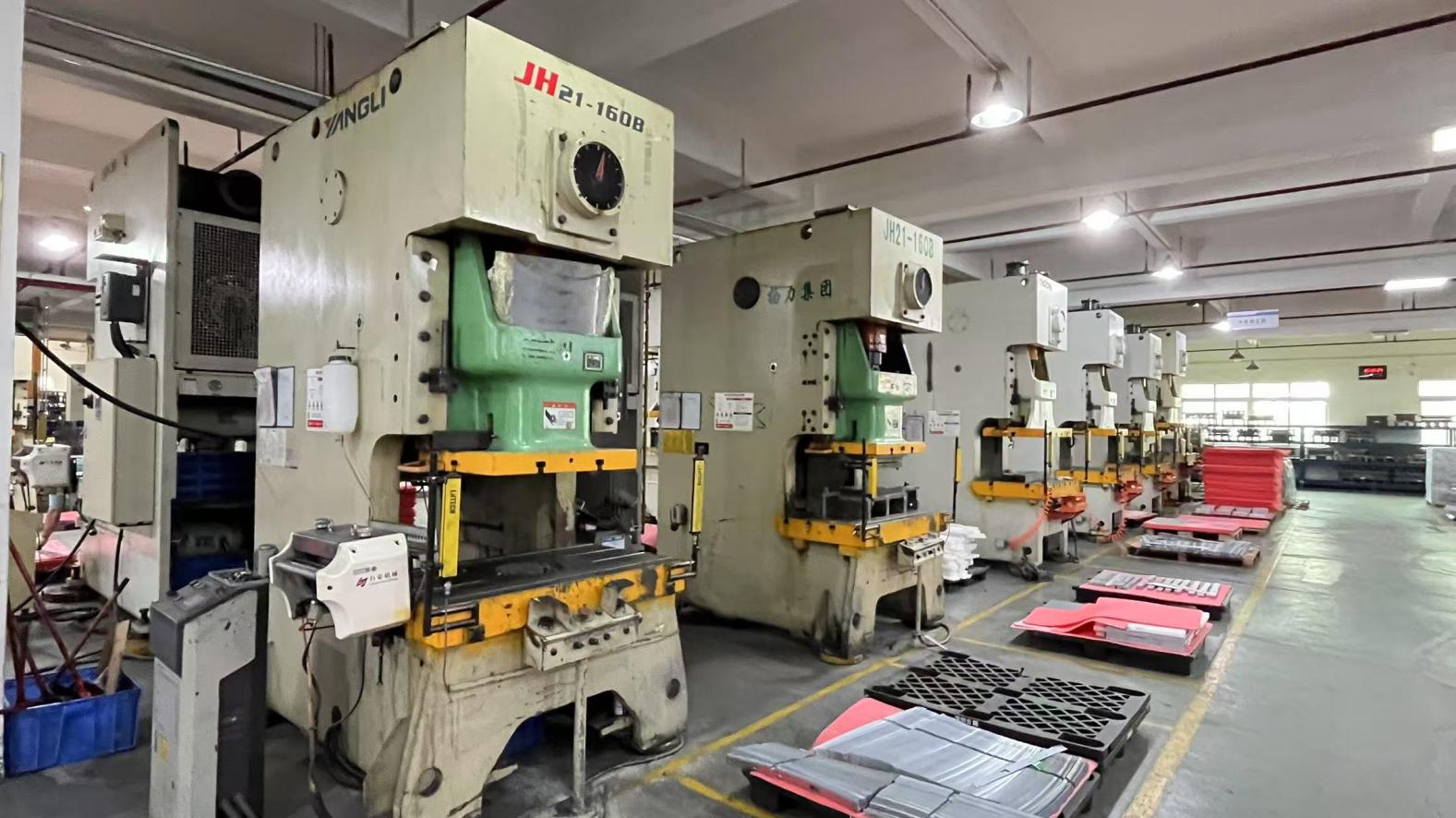
Established in 2016, Novafiber brings 9 years of core industry design experience and 7 years of international export expertise. Operating from a modern 420㎡ facility optimized for optical calibration and assembly, Novafiber manages high-volume production schedules with a network of over 1,200 trusted supply chain partners. This robust supply chain keeps assembly lines running smoothly, ensuring reliable, on-time delivery even during market shortages of raw materials.
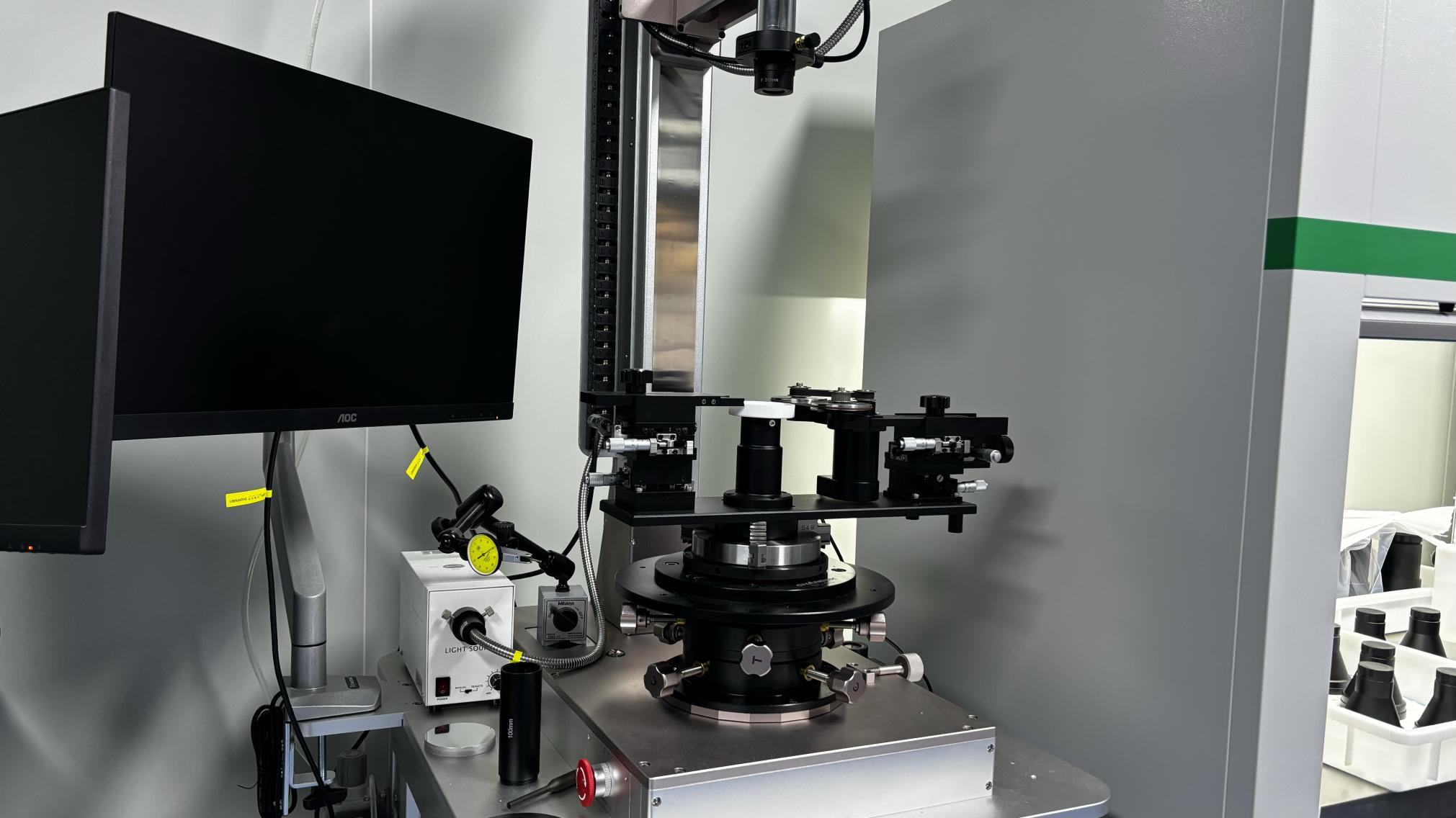
Novafiber's commitment to reliability is backed by a team of 65 quality control inspectors who monitor every stage of production. Standard operating protocols include IPC-compliant soldering inspections, automated optical inspection (AOI), and environmental stress screening (ESS). The final quality inspection process involves:
Industrial networks operate in diverse and demanding environments. Selecting the right transceiver module depends on understanding the specific physical and electromagnetic challenges of each deployment.
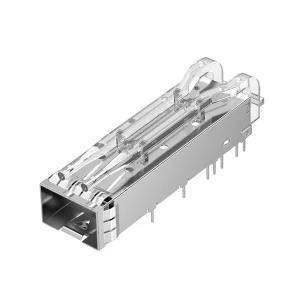
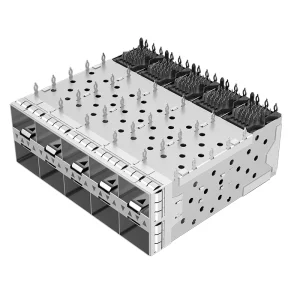
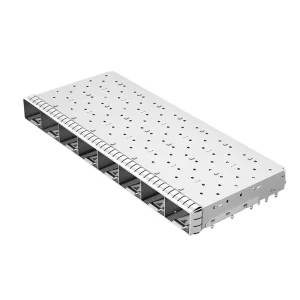
Substations experience intense electromagnetic fields. Standard copper connections can fail due to electrical noise and ground loops. Novafiber's EMI-shielded SFP+ cages and fiber modules isolate networks, providing secure data transmission near high-voltage lines.
Roadway traffic cabinets and rail systems face extreme temperatures, humidity, and constant vibrations. Novafiber's wide-temperature optical transceivers operate reliably under these conditions, supporting traffic monitoring and signal control systems year-round.
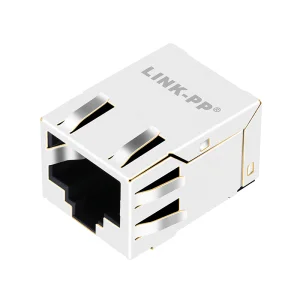
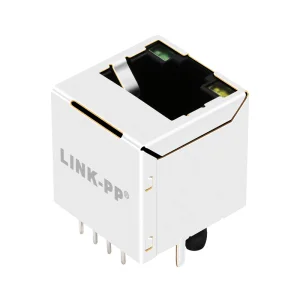
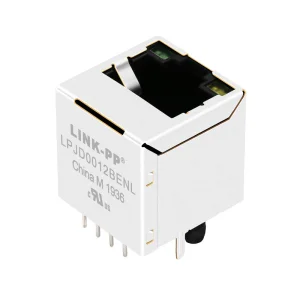
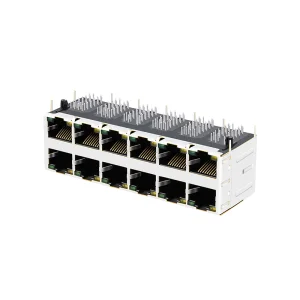
Modern smart factories use automated robotics and high-definition vision systems that require low latency. Novafiber's 25G SFP28 modules and magnetic RJ45 connectors provide the high bandwidth and secure connections needed to prevent costly factory downtime.
Novafiber's dedicated team of 180 R&D engineers designs custom optical solutions tailored to specific project requirements. Over the past year, the team released 320 new custom products, demonstrating a rapid design-to-prototype cycle.
Industrial installations often require custom configurations to work with legacy or proprietary network equipment. Novafiber's OEM/ODM engineering services include:
The demand for bandwidth continues to grow, driving networks from legacy 1G/10G connections to 25G, 100G, 400G, and 800G architectures. Industrial and edge data centers are increasingly adopting high-speed transceivers, Direct Attach Cables (DAC), and Active Optical Cables (AOC) to handle processing-heavy workloads.
To support this transition, Novafiber developed a diverse portfolio ranging from 1G SFP up to 800G optical transceivers. These designs balance higher data rates with thermal management, ensuring that next-generation high-speed networks remain stable in harsh industrial environments.
When sourcing industrial-grade transceivers, procurement teams must look beyond unit price to evaluate long-term reliability and total cost of ownership. Key considerations for a resilient procurement strategy include:
Ensure modules comply with MSA, CE, FCC, RoHS, and REACH standards to maintain compliance across global deployments.
Request detailed testing records showing Mean Time Between Failures (MTBF) under high-temperature stress to verify long-term reliability.
Partner with suppliers who offer comprehensive compatibility testing across major networking brands to avoid system lock-in.
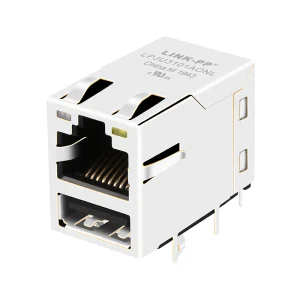
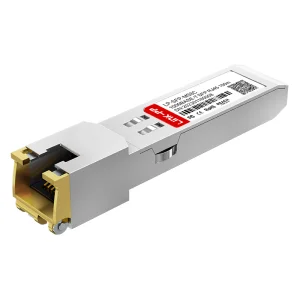
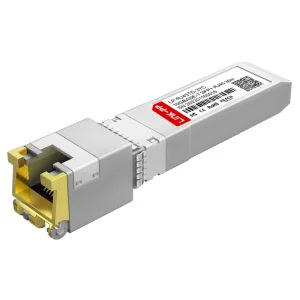
Explore our range of network connectors, SFP+ cages, and fiber optic transceivers designed for reliable industrial performance.
Fully compliant with international quality and safety benchmarks.
Every transceiver is tested for optical signal integrity and system compatibility.
Custom coding, custom wavelengths, and private labeling services available.


 Novafiber