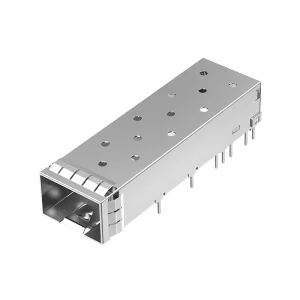
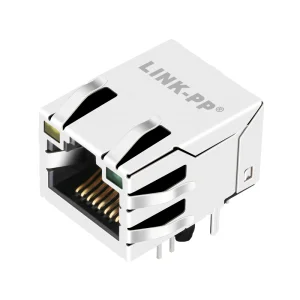
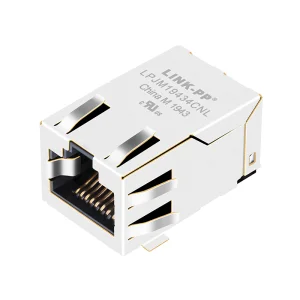
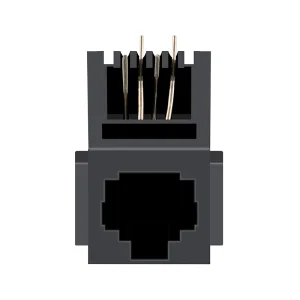
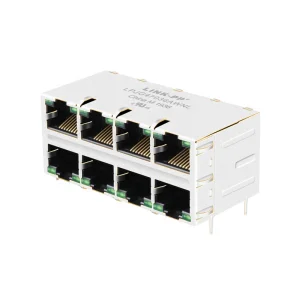
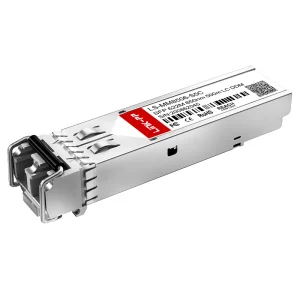
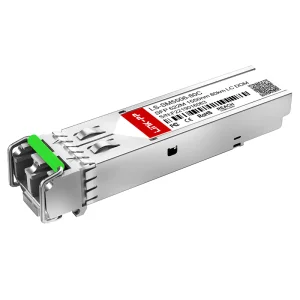
Explore our key portfolio ranging from optical transceivers to shielded connector jacks. While the physical route demands structural protection via Dome Fiber Closures, the signal endpoint relies on high-speed components engineered for extreme performance.
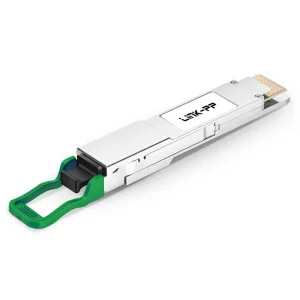
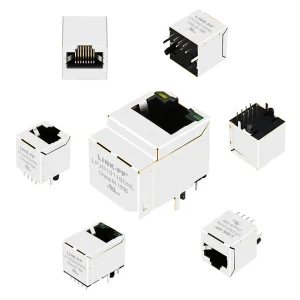
In the era of hyper-scale telecommunication expansions, high-speed optical fiber networks form the backbone of global digital infrastructure. The deployment of 5G NR (New Radio), FTTH (Fiber-to-the-Home), and massive data center interconnections has triggered an unprecedented surge in outdoor optical infrastructure. At the core of physical path safety lies the Dome Fiber Splice Closure (FOSC)—an engineered environmental shield designed to house, organize, and protect fragile optical fiber splices.
Unlike inline closures, the dome configuration (commonly referred to as a "dome joint box" or "fiber can") offers a vertical cylinder architecture that yields exceptional mechanical strength and chemical resistance. Globally, utility providers and telecommunications companies are replacing legacy infrastructure with dome closures to handle high-count ribbon fibers and single-fiber distribution routes. From harsh underground manholes to aerial pole installations, the demand for robust seal structures that prevent water ingress and gas penetration is at an all-time high.
Protects delicate optical fiber splices from moisture, humidity, dirt, and corrosive elements, preventing degradation of signal integrity over long-haul paths.
Designed for multi-directional cable entries, supporting straight-through, branching, and mid-span drop applications across diverse topology layouts.
Constructed from premium UV-resistant polymers (PC/PP) to survive up to 25 years in harsh conditions, minimizing operational maintenance budgets.
Understanding the structural metrics is critical for B2B buyers seeking to minimize network failures. A premium Dome Fiber Splice Closure incorporates precise materials chemistry and advanced engineering design.
| Feature / Parameter | Standard Specification Range | Industrial Impact & Value |
|---|---|---|
| Material Composition | High-strength Polycarbonate (PC) / Polypropylene (PP) with UV-stabilizers | Guarantees resistance to impact, chemical corrosion, and environmental stress cracking. |
| Ingress Protection | IP68 certified (dust-tight and continuous immersion) | Prevents underground water seepage in high-water-table regions. |
| Splice Capacity | 24 cores up to 576 cores (ribbon and single fiber configurations) | Allows flexible expansion as network density increases over time. |
| Sealing Method | Mechanical gasket seal / Heat shrinkable wrap seal | Mechanical seals allow tool-less re-entry; heat-shrink ensures permanent, tamper-proof seals. |
| Temperature Range | -40°C to +85°C structural integrity validation | Enables stable deployment in arctic freeze zones as well as high-temperature desert environments. |
A key parameter of dome closures is the fiber bend radius controller integrated inside the splice trays. Optical fibers must maintain a minimum bend radius of 30mm to prevent macro-bending losses which cause signal attenuation. In high-density deployments where multi-channel optical transceivers are utilized, poor tray design will lead to immediate loss of bandwidth and high packet drop rates.
Novafiber Communications Co., Ltd. serves as an industry-leading optical transceiver and networking solution manufacturer. Integrating advanced engineering, scale economics, and automated optical validation, we ensure compliance with international standardizations.
Our Quality Assurance system adopts strict IPC standards, automated optical testing (AOI), and environmental stress screening (ESS). Every batch of fiber infrastructure undergoes 100% functional, sealing pressure, and durability aging testing to guarantee permanent fields reliability.
Leveraging a comprehensive supply ecosystem of over 1,200 partners alongside our modern precision manufacturing facility, we coordinate rapid tooling, injection molding, and assembly, keeping production lead times minimal even for custom orders.
With 7 years of export history, we service telecom operators, data center builders, and systems integrators in North America, Europe, Southeast Asia, and the Middle East, streamlining shipping, documentation, and regulatory compliance.
Dome fiber closures must perform seamlessly across diverse physical installation topographies. Engineering teams select specific dome configurations depending on regional ground dynamics and deployment methods.
Suspended on utility poles or metallic messenger cables, these closures face intense UV radiation, high winds, and ice accumulation. Built-in UV-inhibitors and robust structural ribs prevent cracking and physical deformation under extreme weather cycles.
Manholes frequently flood, exposing equipment to stagnant water, chemical runoffs, mud, and pest infestation. An IP68 hermetically sealed mechanical dome closure preserves optical connections even under high-water-table pressure.
Placed directly into soil trenches, closures must withstand soil compaction, heavy vehicular loads above, and freeze-thaw soil expansion. The thick outer shell acts as an armor shell to distribute loads away from internal fiber splices.
The telecom ecosystem is evolving rapidly. Procurement directors are transitioning away from buying singular parts to sourcing integrated optical packages. Understanding these paradigm shifts allows buyers to future-proof their network investments.
Traditional single-fiber splicing is slow. Large-scale networks now utilize ribbon fibers (12 to 24 fibers in a flat ribbon). Modern dome closures incorporate specialized wide-slot splice trays that support multi-fiber mass fusion splicing, slashing field installation timelines by 50%.
Labor rates globally are rising. Closures that require complex heat shrink processes for cable re-entry increase operation expenses. The trend is moving towards mechanical clamp seals that enable quick opening and closing without heat guns or specialty tools.
As high-speed transceivers (400G and 800G) expand in edge nodes and metro aggregation sites, physical enclosures must house optical splitters and WDM modules. Modern dome closures act not just as joint canisters but as active distribution hubs.
Mechanical sealing uses elastic rubber gaskets and compression mechanisms to create an airtight seal around incoming cables. This allows the closure to be easily reopened and resealed multiple times without specialized tooling. Heat shrink sealing utilizes a heat-sensitive polymer sleeve that shrinks around the cable when heated with a torch. This provides a highly permanent seal, ideal for direct-buried conditions, but requires replacement parts and heat sources for re-entry.
Our dome structures are manufactured from high-density, impact-modified polypropylene (PP) formulated with chemical UV-stabilizers. Our Quality Control department conducts rigorous Environmental Stress Screening (ESS), subjecting the closures to thermal cycling tests from -40°C to +85°C. This ensures that the material does not become brittle or fracture under freezing stress.
We offer customizable configurations from small-scale 24-core or 48-core distribution domes, up to high-capacity 144, 288, and 576-core domes designed for trunk optical networks and data center linking. Splice trays are stacked in a modular hinges structure, allowing easy access to specific splice joints without disturbing surrounding fibers.
Yes. We manufacture specialized ribbon splice trays featuring wider grooves and secure ribbon containment clips. This ensures that multi-fiber ribbon bands lay flat and do not experience twisting forces that could disrupt transmission signals.
Yes. Novafiber offers complete OEM/ODM options. We can integrate custom mold branding directly onto the dome body, customize internal mounting brackets, adapt cable port entries, and design localized retail or corporate wholesale packaging to fit your regional market requirements.
Explore our advanced SFP transceivers, optical modules, and mechanical cage components. Every unit undergoes strict automated inspection protocols to ensure maximum physical and transmission reliability.
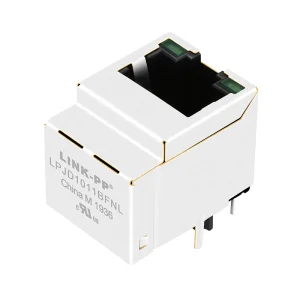
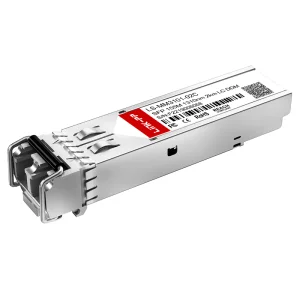
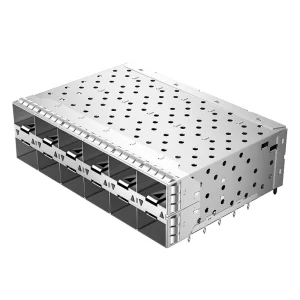
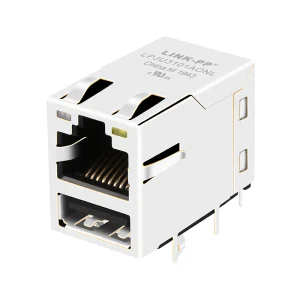
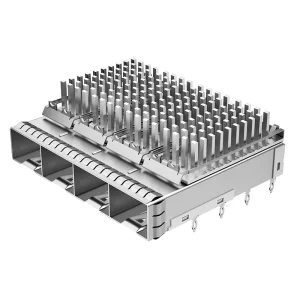
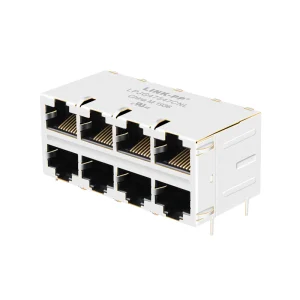
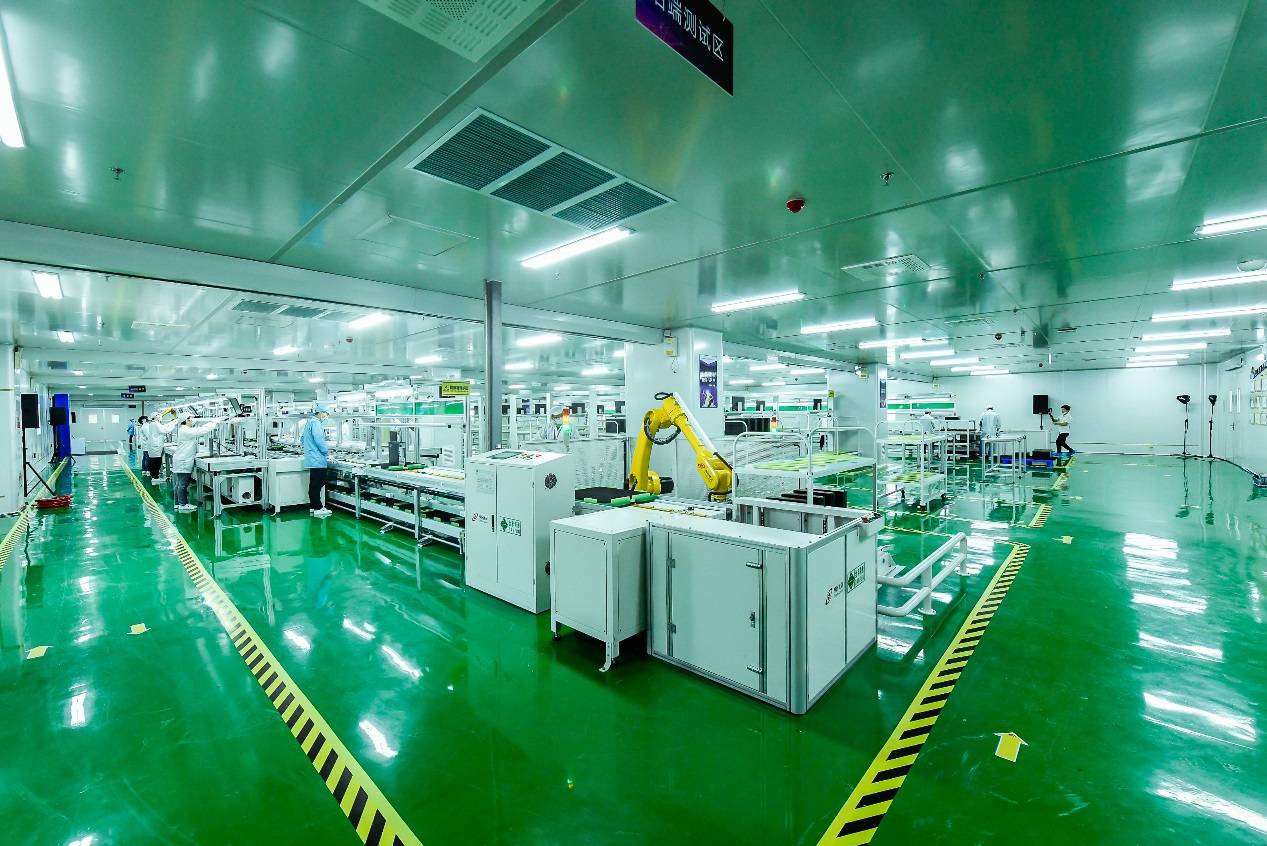
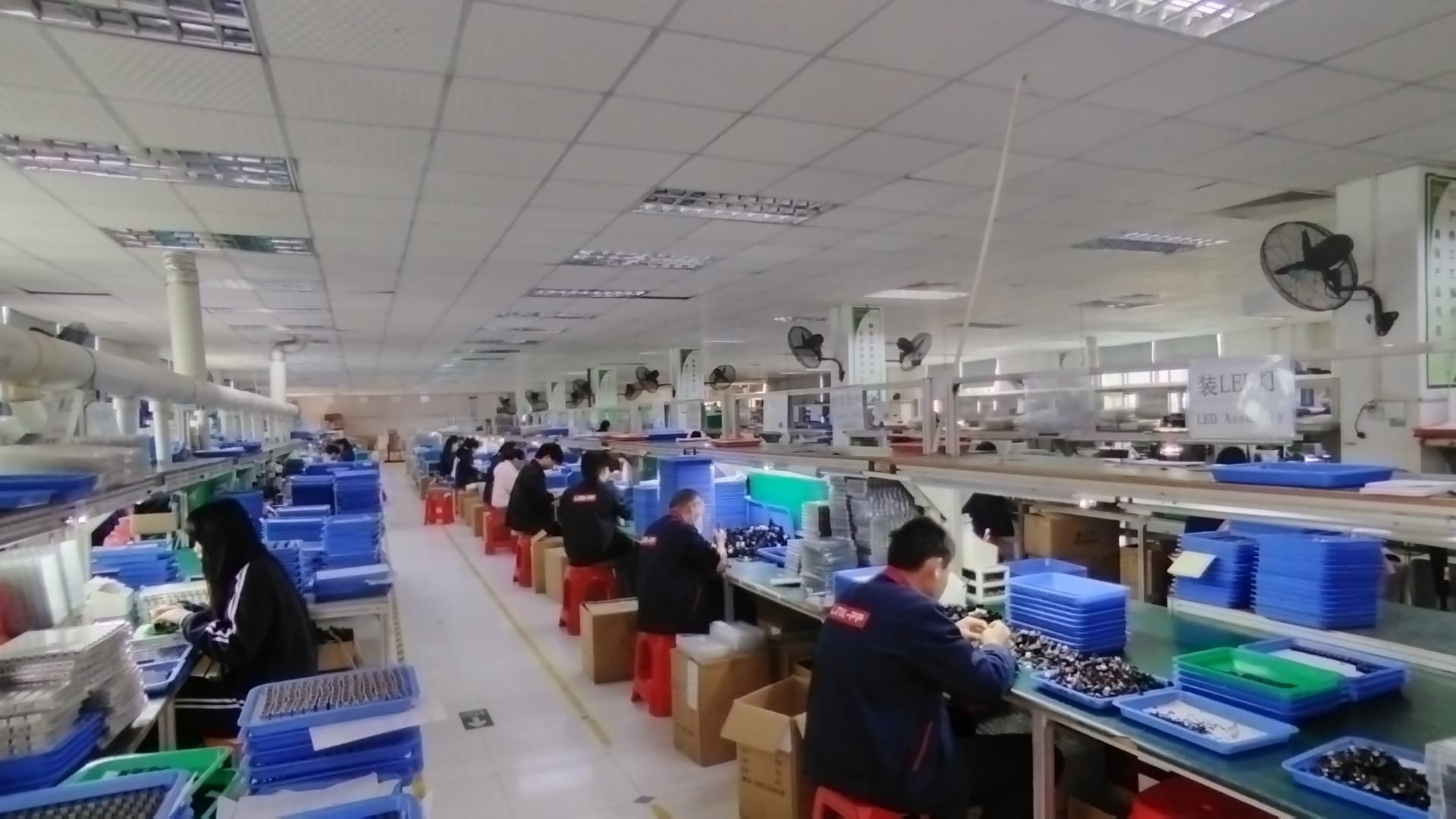
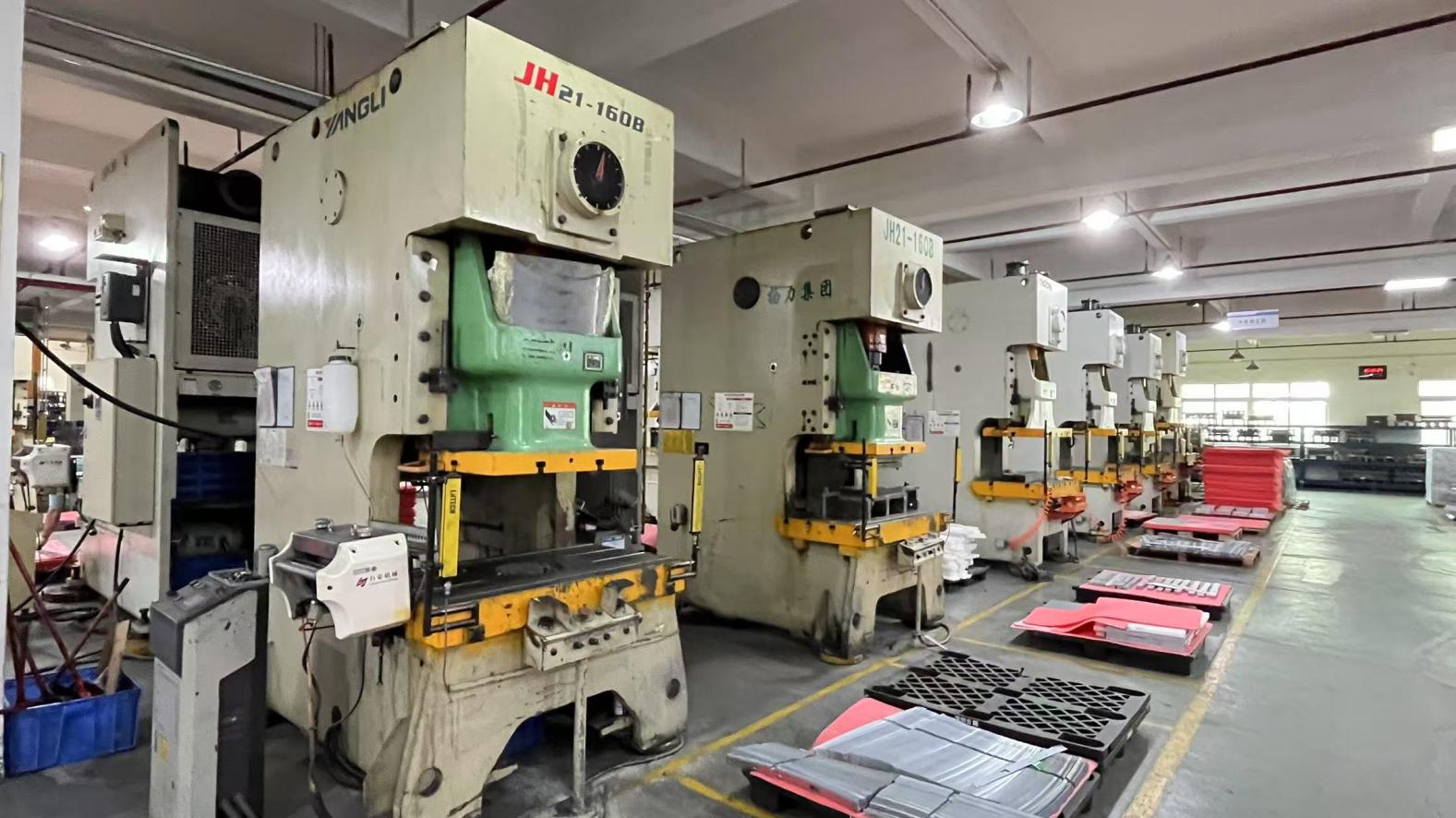
Take a look inside our high-tech manufacturing, testing environments, and advanced assembly lines. We invest continuously in optical testing equipment to verify link performance at every level.

 Novafiber