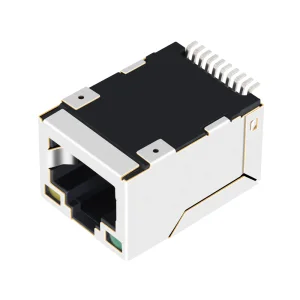
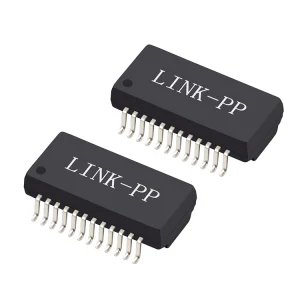
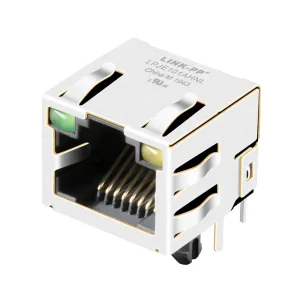
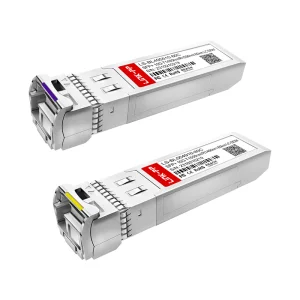
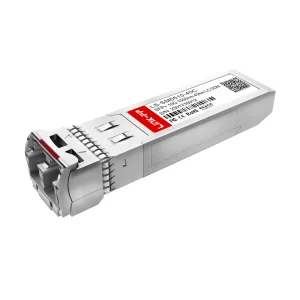
Explore our primary array of copper-to-fiber integration kits, shielding cages, and high-frequency SMT connectors engineered for resilient network interfaces.
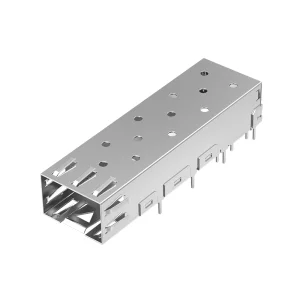
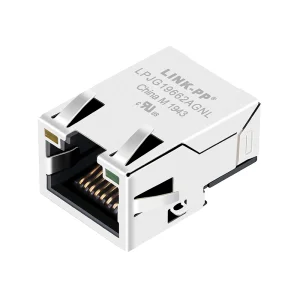
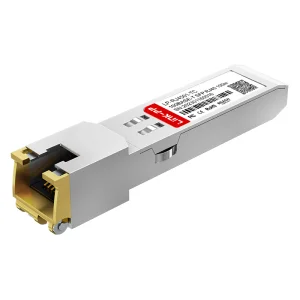
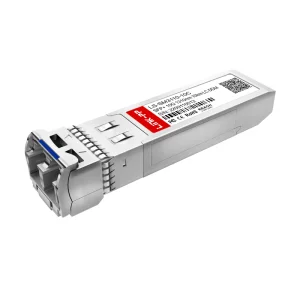
Founded in 2016, Novafiber has developed into a premier force in high-speed optical module engineering and high-density copper interface design. With a focus on structural efficiency, signal integrity, and interoperability, we offer an exhaustive catalog of high-performance fiber optic communications products serving global data centers, telecom operators, cloud providers, and hardware OEMs.
Our dedicated manufacturing base spans approximately 420㎡, optimized for micro-soldering, automated alignment, and precision environmental stress testing. Backed by 9 years of industry experience and 7 years of direct export operations, we deliver robust solutions that mitigate electromagnetic interference (EMI) and insertion losses in demanding data transport systems.
Reliable data infrastructure demands high-quality, interoperable physical layer connections. Global procurement teams prioritize performance metrics, compliance, and life-cycle durability.
Modern networks are built on multi-vendor architectures. Enterprise buyers require modules that adhere strictly to Multi-Source Agreements (MSAs) and are verified to work seamlessly with Cisco, TE Connectivity, Amphenol, and other mainstream OEM equipment without triggering firmware lockouts.
With speeds pushing past 10G to 400G and 800G, high-frequency electromagnetic interference (EMI) presents a significant challenge. System engineers look for integrated cages with robust grounding tabs, custom EMI shielding gaskets, and advanced internal magnetic isolation to minimize packet loss and return loss.
Deployments in hyperscale data centers generate immense heat. Integrated heat sinks on SFP+ cages and thermal interface materials (TIMs) in high-power optical transceivers are critical to prevent thermal throttling and ensure a mean time between failures (MTBF) exceeding 100,000 hours.
How China's centralized industrial zones enable rapid iteration, massive scaling capacity, and competitive pricing for global network infrastructure projects.
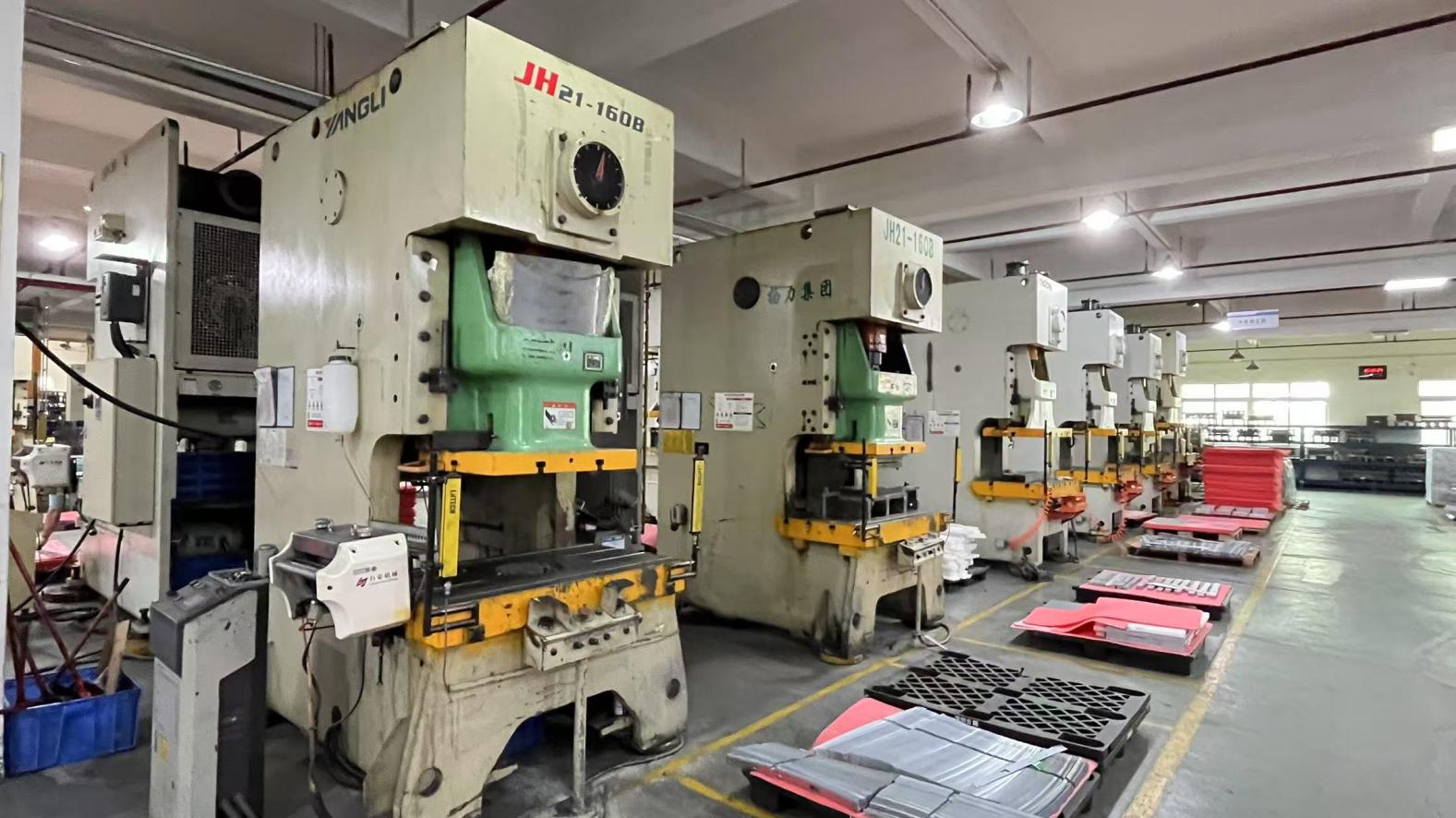
By consolidating PCB fabrication, plastic injection molding, transformer winding, and high-frequency automated testing within a unified regional cluster, China's hardware manufacturing hubs dramatically cut down lead times. Our extensive partnerships with over 1,200 specialized supply chain vendors mean raw material shortages are neutralized, allowing us to sustain high-volume output even during market fluctuations.
This infrastructure supports quick-turn prototyping, enabling our 180 engineers to design, build, test, and release customized form factors—such as customized multi-port RJ45 connectors or custom-wavelength BIDI transceivers—much faster than traditional Western manufacturers.
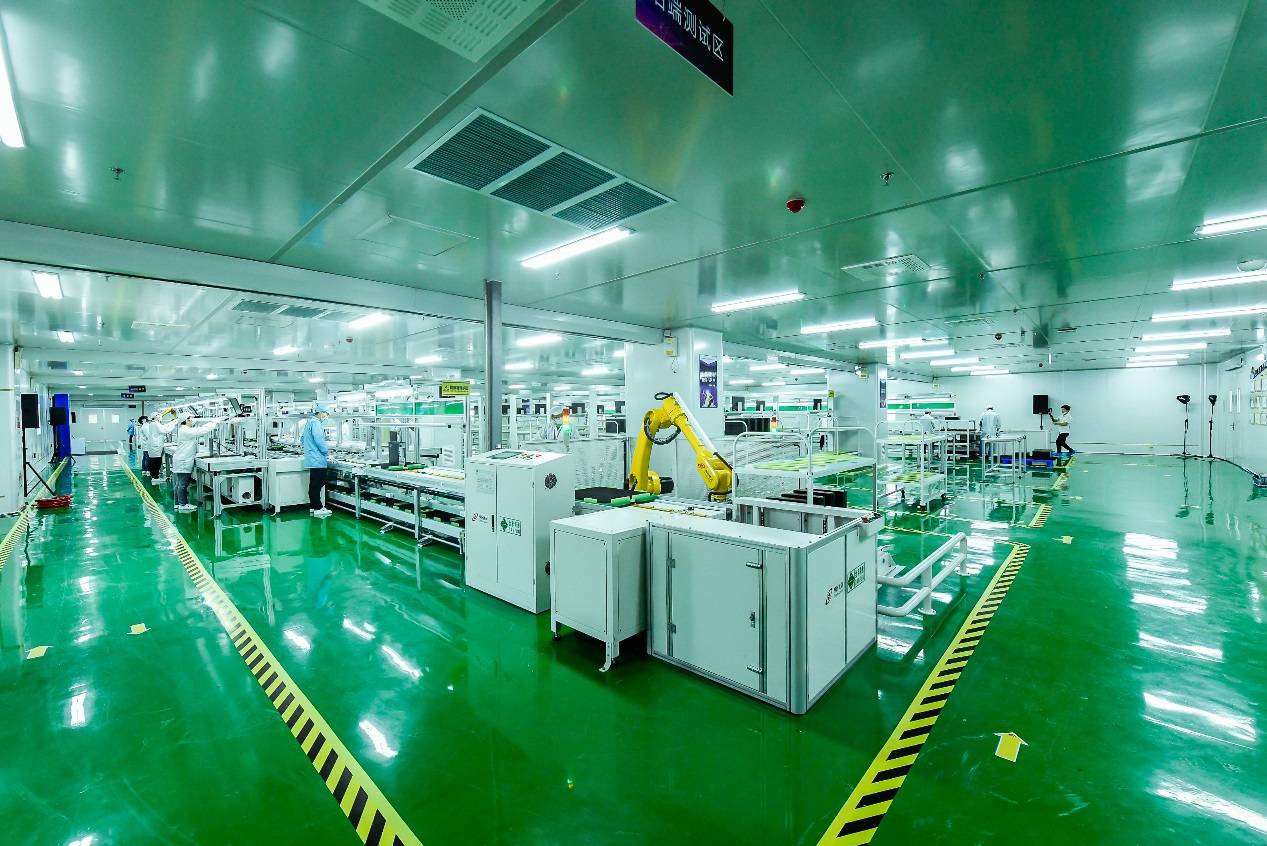
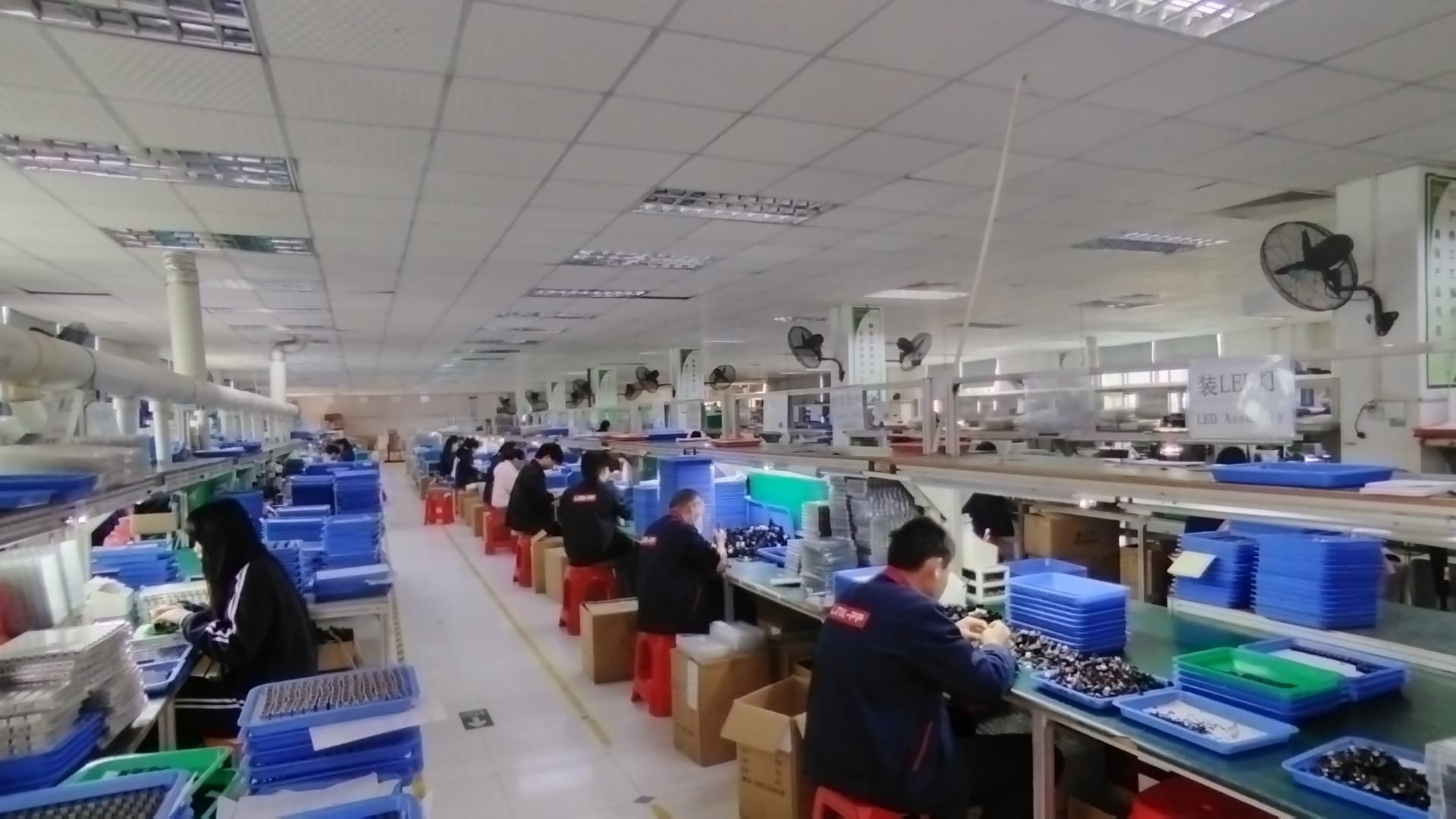
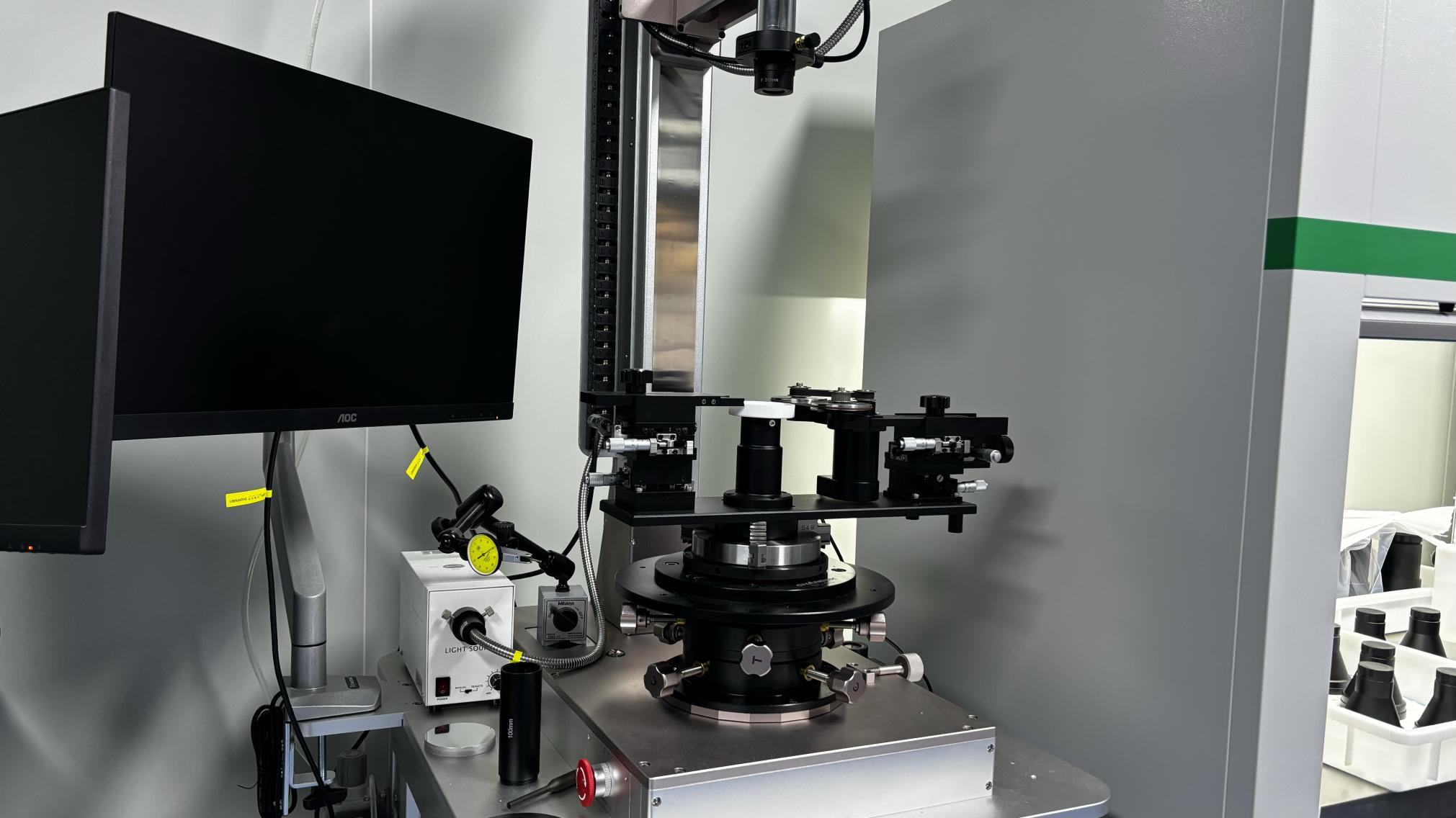
Adhering to strict international regulatory bodies and providing dedicated field engineering to ensure worry-free deployments on global networks.
Our quality assurance program is supported by 65 dedicated inspection specialists. Every production batch is subjected to 100% functional testing, automated optical inspection (AOI), high-temperature burn-in tests, and Environmental Stress Screening (ESS) to guarantee component stability in extreme climates.
Our products are engineered to comply with RoHS, CE, FCC, and REACH directives. We maintain strict adherence to IPC soldering standards and MSA parameters, ensuring our SFP cages, transceivers, and RJ45 jacks meet import standards for North American, European, and Asia-Pacific markets.
To eliminate compatibility issues, our firmware engineers customize transceiver code to align with specific switch environments (e.g., Cisco, Juniper, Arista, HPE). This localization extends to providing regional packaging, custom labeling, and specialized technical documentation in English, German, and Spanish.
As data traffic surges due to LLMs, artificial intelligence, and edge compute nodes, interconnect interfaces must evolve to deliver ultra-low latency.
Hyperscale environments are shifting from 10G/40G interfaces to 400G (QSFP-DD) and 800G standards. This transition demands high-precision optical transceivers with complex modulation schemes (such as PAM4) and tight tolerances on fiber-to-laser alignment.
Even as fiber usage expands, copper remains critical for short-reach, cost-effective server-to-switch links. Next-gen connectors utilize stacked multi-port configurations with integrated magnetics (MagJack) to reduce footprint and filter out electromagnetic noise.
To reduce power consumption, the industry is moving towards co-packaged optics (CPO), which brings the optical engine closer to the switch ASIC. This change requires specialized optical-to-electrical interfaces and ruggedized connector frames.
Our connectivity kits are deployed across diverse verticals, ensuring stable data transmission in demanding environments.
Deploying thousands of SFP+ and QSFP-DD modules to interconnect compute blocks. Our replacement cages and optical transceivers provide the necessary heat dissipation and EMI control, preserving packet integrity under continuous high-load cycles.
Providing carrier-grade BIDI optical modules and 1000Base-T LAN transformers. These components support long-haul fiber links (up to 80km) while meeting rigid environmental requirements for heat and moisture resistance.
In harsh factory environments, Ethernet connectivity kits require ruggedized PCB-mount RJ45 jacks with integrated LEDs and robust physical latching to survive heavy vibration, dust, and electrical transients.
Our engineering team answers key questions regarding compatibility, manufacturing standards, and signal integrity.
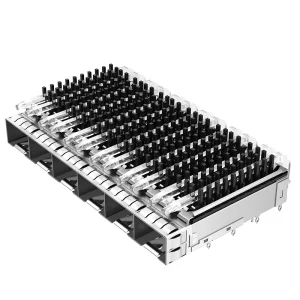
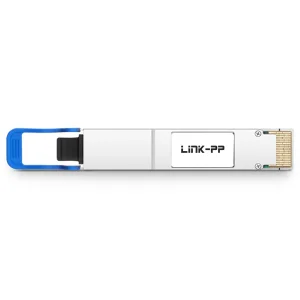
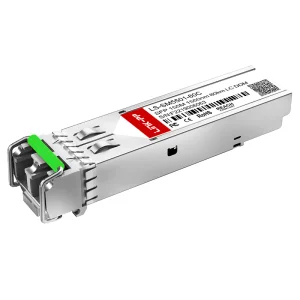
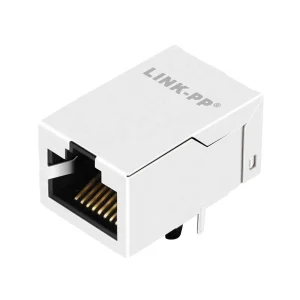
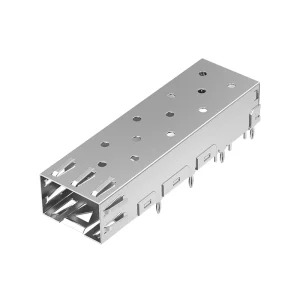
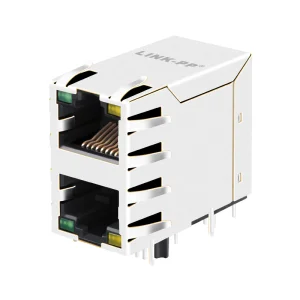
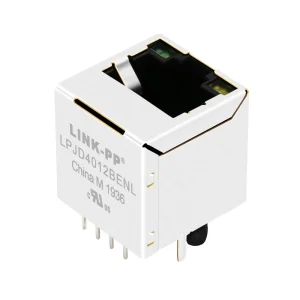
Explore the rest of our connectivity range, featuring multi-port light pipe SFP cages, 400G optical modules, and double-layer stacked RJ45 connectors.
 Novafiber