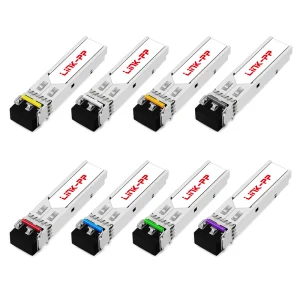
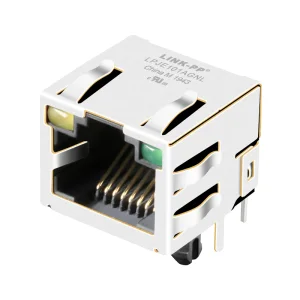
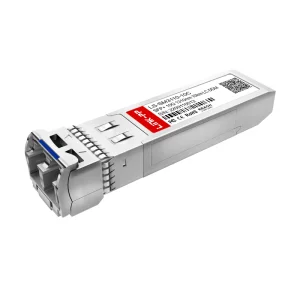
High-fidelity signal sockets and high-performance transceivers tested to sustain critical workloads in major UK metropolitan networks.
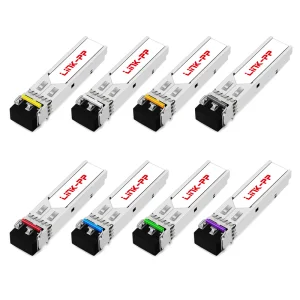
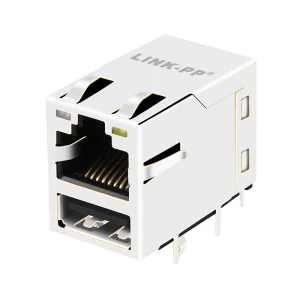
Established in 2016, Novafiber Communications Co., Ltd. is a leading optical transceiver and physical layer interconnect manufacturer. Over the past 9 years, we have scaled our facility to support modern automated optical testing, precise mechanical tooling, and high-frequency wave-soldering lines. With 7 years of active export operations to Europe, North America, and the Middle East, we have engineered over 320 custom interconnect designs and support more than 1,200 supply chain partners globally.
Our facility maintains 65 dedicated quality inspection personnel ensuring compliant tolerances down to the micron. For London's telecommunication systems, colocation centers, and high-frequency trading (HFT) firms, this rigorous quality management translates to zero-latency degradation, excellent EMI containment, and thermal stability in dense ganged/stacked SFP cages.


London occupies a unique position in global finance and telecommunication. The Docklands interconnect ecosystem (including Telehouse North, Telehouse West, and Equinix sites) represents the central data routing hub connecting transatlantic fiber systems to mainland Europe. Simultaneously, the City of London and the financial district demand low-latency, real-time connectivity where microsecond lags are valued in millions of pounds.
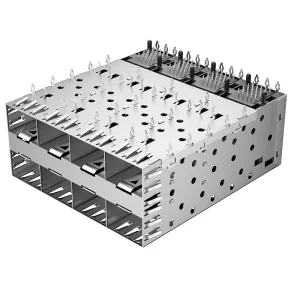
In these highly congested data networks, physical layer components such as the SFP cage receptacle play an indispensable role. An SFP cage is not merely a mechanical holder for transceiver modules; it is an active electromagnetic shielding enclosure. High-speed transceivers operating at 10G, 25G, and 100G (using PAM4 or NRZ signaling) generate substantial high-frequency electromagnetic fields. Without proper shielding, this electromagnetic interference (EMI) leaks into adjacent channels, causing packet drop, CRC errors, and connection degradation.
The global market is witnessing an exponential demand for higher bandwidth, driven by edge computing, AI clustering, and high-performance computing (HPC) environments. While SFP (1G) and SFP+ (10G) cages remain standard for enterprise local area networks (LANs), data center backbones are migrating rapidly toward SFP28 (25G), QSFP28 (100G), and SFP-DD / QSFP-DD form factors for 400G and 800G paths.
This transition introduces major challenges for SFP cage design:
| Cage Configuration | Common Applications | Shielding Material | Mounting Option | Thermal Dissipation Method |
|---|---|---|---|---|
| Single Port (1x1) SFP/SFP+ | Edge Routers, Smart NICs, Media Converters | Copper Alloy / Nickel Plated | Press-Fit & Solder Pin | Conduction to PCB / Passive Airflow |
| Ganged (1x4, 1x6) SFP28 | ToR Switches, SAN Storage Directors | Stainless Steel / Phosphor Bronze | Press-Fit (Elastic Spring Fingers) | Riding Heat Sinks / Integrated Ventilation |
| Stacked (2x4, 2x8) QSFP28 | Hyperscale Core Routers, Cloud Server Nodes | Beryllium Copper / Tin-Lead Free | Dual-Row Press-Fit Pins | Integrated Air Ducts, Thermal Gaskets |
Optimized connectors and active transceivers to enable reliable short-haul and long-haul links across Greater London.
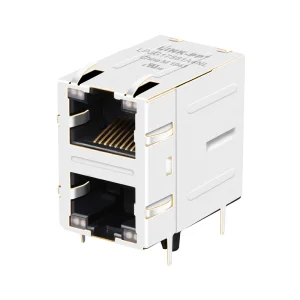
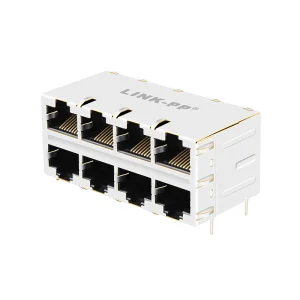
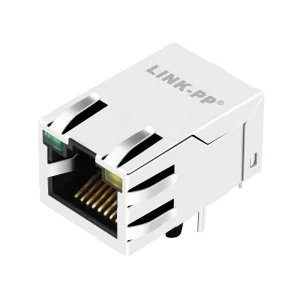
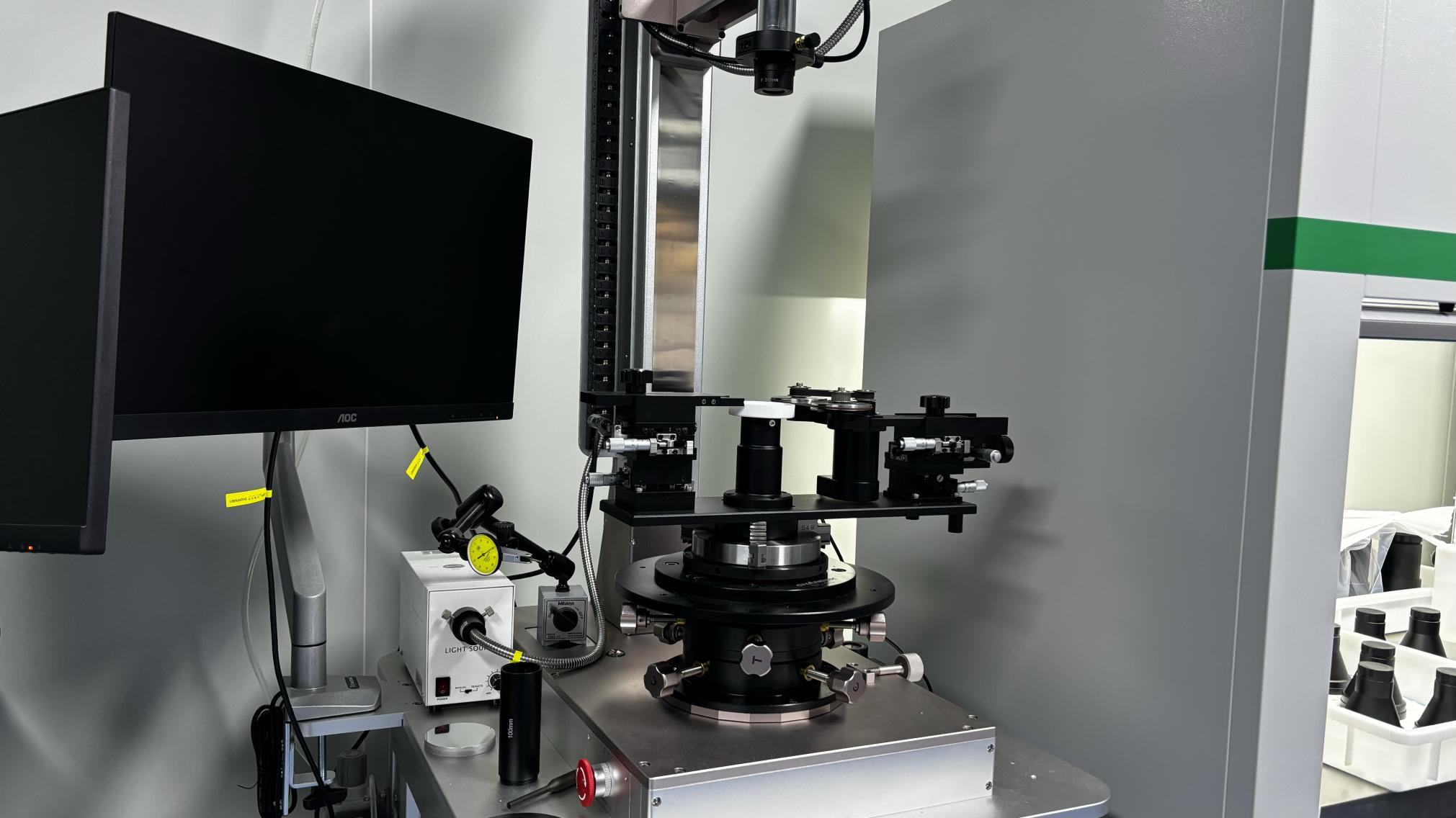
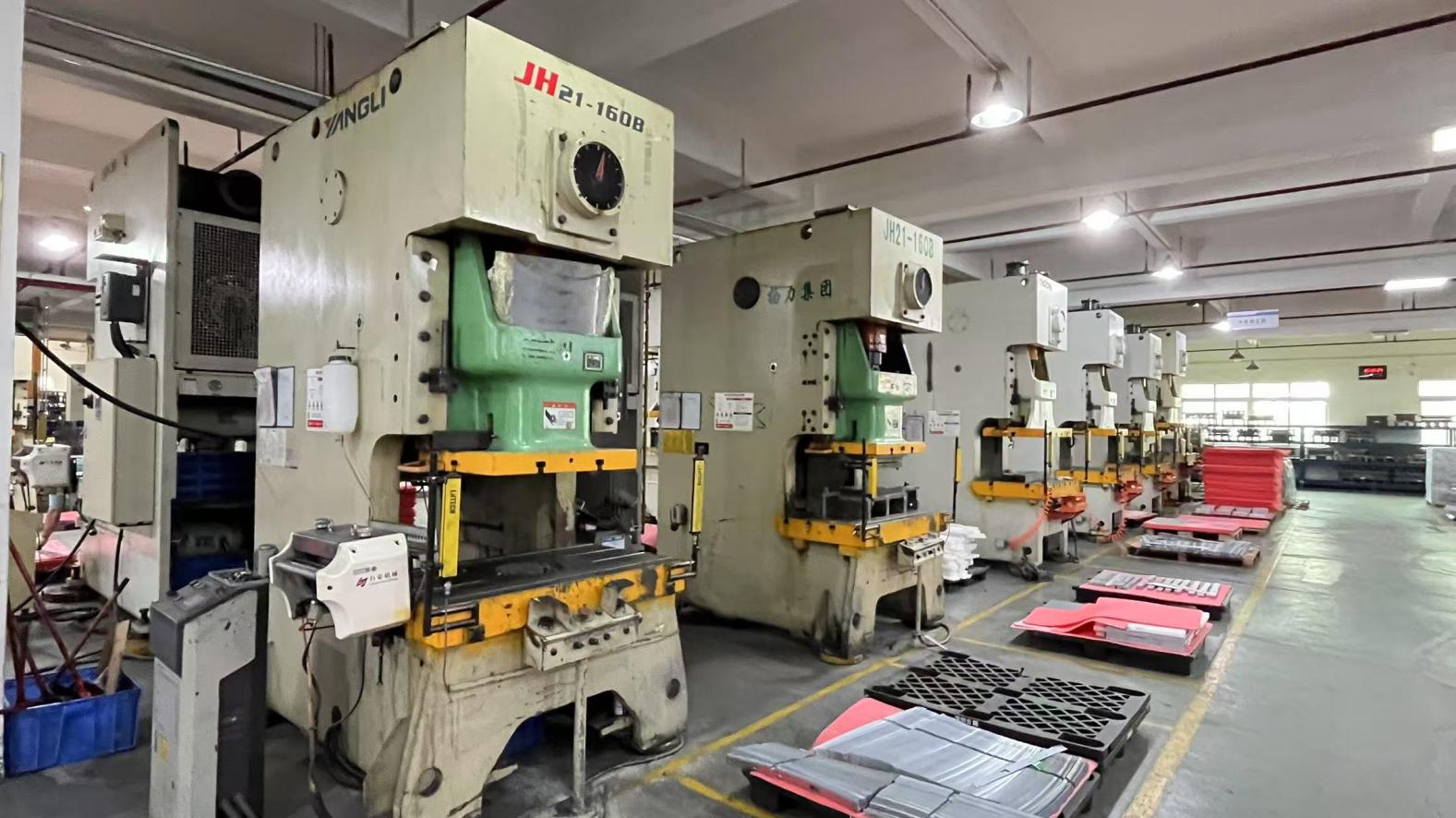
When deploying optical modules in metropolitan fiber backbones, the mechanical connection between the SFP receptacle cage and the system printed circuit board (PCB) is a major failure point. SFP cages offered by Novafiber employ advanced Press-Fit (elastic-pin) technology. Unlike conventional hand-soldered connectors, press-fit pins are mechanically forced into plated through-holes on the PCB, creating a gas-tight, solder-free connection.
This solder-free installation offers several key technical benefits:
Furthermore, our SFP cages utilize beryllium copper or high-grade phosphor bronze spring fingers. These contact springs establish multiple low-impedance ground contact points around the module housing, redirecting high-frequency noise directly to the chassis ground. This design prevents electromagnetic radiation from coupling with adjacent high-speed traces and maintains system-wide compliance with international standards (such as EN 55022 / FCC Part 15).
As a premier SFP cage exporter supplying London and European hubs, Novafiber delivers holistic solutions tailored to specific commercial application vectors:
High-frequency trading engines require zero packet retransmissions. Our ultra-low resistance SFP28/QSFP28 cages maintain continuous signal coupling, ensuring zero-latency spikes caused by signal attenuation.
For high-density ToR and leaf-spine switches, we provide stacked (2xN) ganged SFP assemblies that optimize faceplate real estate while ensuring sufficient airflow passage for passive thermal cooling.
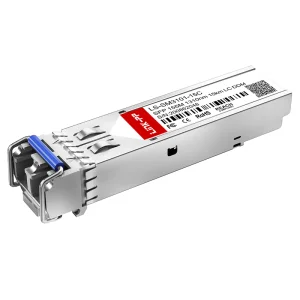
Our SFP transceivers and connector systems comply fully with MSA (Multi-Source Agreement) requirements, ensuring seamless interoperability across legacy Cisco, Juniper, Huawei, and Arista hardware arrays.
Engineered for low-loss, stable connection cycles, and high thermal dissipation in demanding rack mount setups.
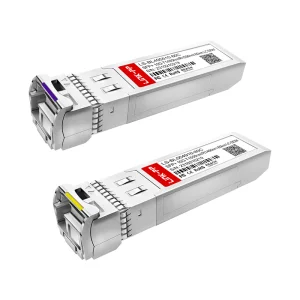
As global communications migrate towards 800G and 1.6T transceiver speeds, conventional faceplate connector cages face physical and thermodynamic limits. At Novafiber, our R&D roadmap is focused on next-generation physical architectures to solve these high-speed constraints:
Detailed technical answers from our hardware engineering division regarding SFP cage deployments and international logistics.
Whether you require high-speed SFP cages with custom light-pipe configurations, high-density ganged connectors, or compatible optical modules for deployment in the London network corridor, Novafiber is your engineering partner.
Send Inquiry Now Novafiber