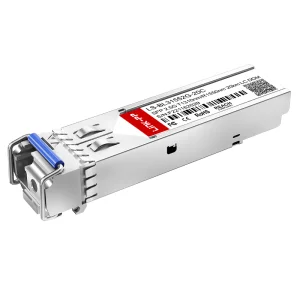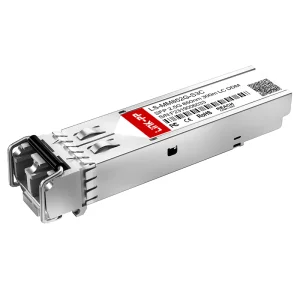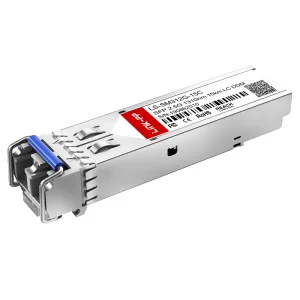
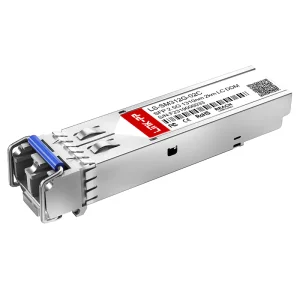
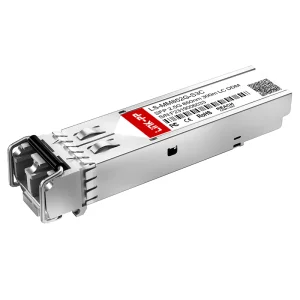
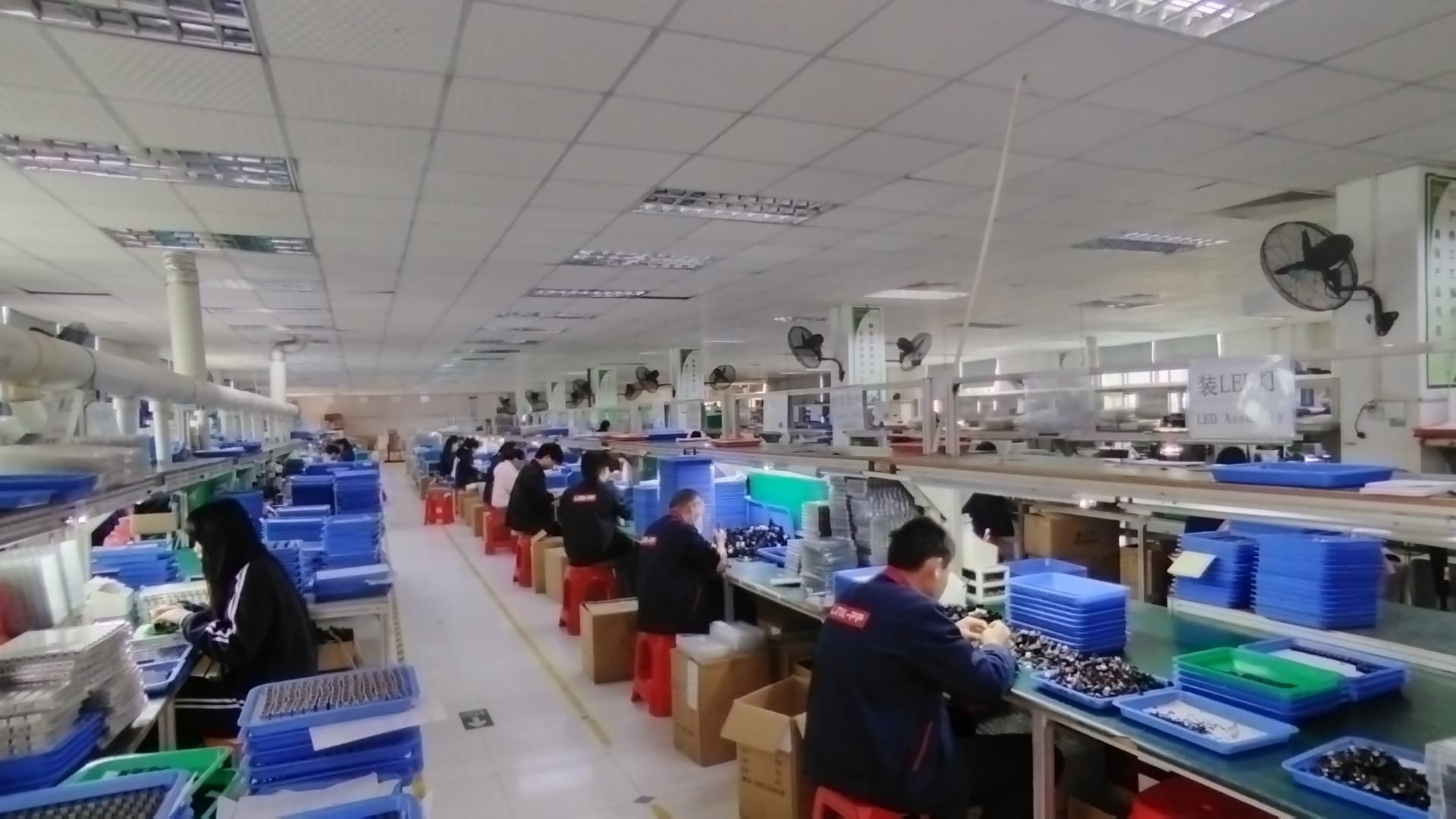
Novafiber Communications operates state-of-the-art optical module manufacturing facilities. With a highly qualified quality control team of 65 inspectors, we guarantee zero-defect shipments. Every 2.5G to 6G SFP transceiver undergoes extensive testing, including automated optical characterization, high-temperature environmental aging (ESS), and real-host system verification on leading switches (Cisco, Juniper, Huawei, Mikrotik).
Our commitment to reliable networks relies on testing. 100% of our exported SFP modules are subjected to:
South Africa's digital infrastructure is undergoing a massive, decentralized upgrade cycle. With major metros like Johannesburg, Cape Town, and Durban expanding their FTTx coverage and rolling out extensive 4G/LTE-Advanced and mid-band 5G networks, the demand for stable, high-capacity mid-range optical interfaces has surged. Crucially, the country's unique energy profile—notably the persistent risk of load-shedding and subsequent grid power cycling—has placed an extraordinary burden on active networking hardware.
During power transitions, base stations and distribution nodes experience rapid temperature fluctuations and voltage surges. Optical modules must not only demonstrate excellent optical performance but also resilient thermal dissipation and robust integrated power protection. SFP modules in the 2.5G to 6G frequency range act as the critical intermediate linkages between access-level switches and core distribution layers, making their durability paramount to preventing cascading network drops during load-shedding cycles.
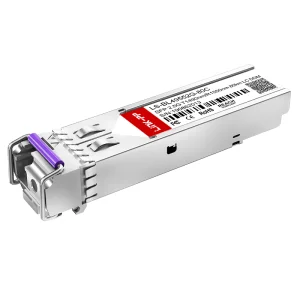
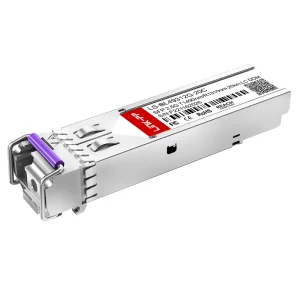
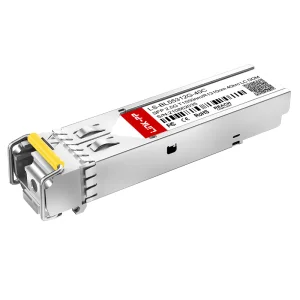
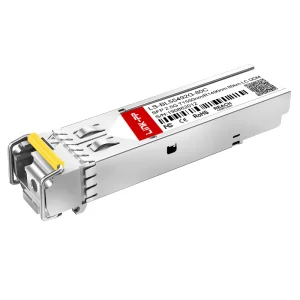
As South African Open Access Networks (OANs) like Vumatel, Openserve, and Frogfoot scale their footprints, the backhaul infrastructure from optical line terminals (OLTs) to metropolitan aggregation nodes is migrating from standard 1G to 2.5G and 5G rates. BiDi (Bidirectional) SFP modules are the preferred architectural solution here, utilizing single-strand fiber via wavelength division multiplexing (e.g., 1310nm/1550nm or 1490nm/1310nm). This doubles physical fiber capacity without laying new cables, greatly reducing civil engineering costs in South African municipalities.
South Africa's ultra-deep gold and platinum mines (in regions like the Witwatersrand Basin) depend heavily on fiber optics for environmental monitoring, telemetry, and underground communication systems. SFP modules deployed in mining shafts must operate in extreme temperatures, high humidity, and dusty environments. Industrial-temperature rated (-40°C to +85°C) 2.5G SFP transceivers, protected by reinforced optical enclosures, ensure reliable data flow from deep-level drilling equipment to surface control rooms.
Mobile network operators (MNOs) such as Vodacom, MTN, and Telkom are aggressively densifying their cell sites. The fronthaul links between Remote Radio Units (RRU) and Baseband Units (BBU) utilize Common Public Radio Interface (CPRI) protocols, where rates 3 (2.457 Gbps), 4 (3.072 Gbps), 5 (4.915 Gbps), and 6 (6.144 Gbps) are highly prevalent. High-performance 6G SFP modules facilitate low-latency, jitter-free RF-over-fiber transmission across these crucial cellular backbones.
The progression of line rates from 2.5 Gbps to 6.144 Gbps represents a key design transition in high-frequency optical transceivers. Below is the typical roadmap detailing optical characteristics, typical laser sources, and link budgets:
| Rate Class | Laser Source | Distance Options | Primary Protocols | Diagnostic Interface |
|---|---|---|---|---|
| 2.5 Gbps | 850nm VCSEL / 1310nm FP / DFB | 300m (MMF) to 80km (SMF) | GPON, 2G FC, STM-16 | SFF-8472 DDM |
| 3.072 Gbps | 1310nm / 1550nm DFB | 2km to 40km (SMF) | CPRI Option 4 | SFF-8472 DDM |
| 4.25 Gbps | 1310nm DFB / CWDM | Up to 40km | 4G Fibre Channel | SFF-8472 DDM |
| 6.144 Gbps | 1310nm DFB / 1550nm EML | 10km to 80km (SMF) | CPRI Option 5 & 6 | SFF-8472 DDM |
Our modules feature full digital diagnostic monitoring (DDM) interfaces, providing real-time telemetry on parameters such as Transmit Optical Power, Receive Optical Power, Laser Bias Current, Transceiver Internal Temperature, and Supply Voltage. This level of diagnostic capability is crucial for South African field technicians, allowing them to troubleshoot power-dropouts or fiber degradation remotely.
Given the global macroeconomic challenges, securing reliable component sourcing is a primary objective for procurement directors in South Africa. As a premier Chinese manufacturer, Novafiber addresses these challenges by offering a robust supply chain built upon long-term partnerships with over 1,200 specialized component providers. Our high-volume manufacturing line in Shenzhen ensures standard 2.5G to 6G SFP transceivers can be batched, tested, and dispatched to Johannesburg (O.R. Tambo International) or Cape Town Harbor within minimized lead times.
We mitigate international supply chain delays through strategic stock agreements, allowing our South African partners to secure rolling inventory levels. This buffer supply model ensures that local enterprise network upgrades and infrastructure repairs remain unaffected by global transport bottlenecks.
To deploy optical components in public telecommunications infrastructure in South Africa, compliance with local regulatory frameworks is mandatory:
Novafiber supports local network integrators by providing complete documentation packages, including test reports, spectral charts, and certificate copies, to streamline customs clearance and municipal tenders.
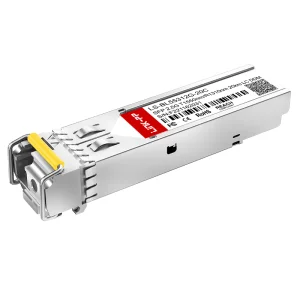
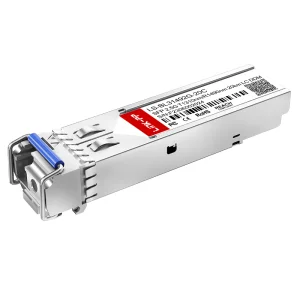
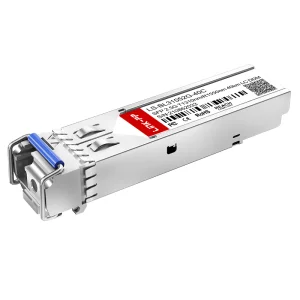



Get in touch with our engineering and sales teams today to discuss custom compatibility coding, specific optical budgets, and volume pricing terms.
 Novafiber