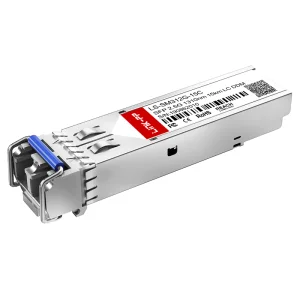
High-performance optical transceiver modules engineered for telecommunication networks, enterprise backbones, and metropolitan area links across the DRC region.
The Democratic Republic of Congo (DRC) is undergoing a significant digital transformation. Historically characterized by sparse terrestrial fiber backbones and heavy reliance on satellite (VSAT) systems, the DRC is aggressively expanding its regional fiber optic networks. Major metropolitan areas such as Kinshasa, Lubumbashi, Kolwezi, and Goma are experiencing high demand for optical transport hardware to handle the exponential rise in mobile data traffic (LTE/4G), enterprise digital transition, and broadband access expansion.
In the industrial domain, specifically within the resource-rich Katanga Copperbelt, modern mining operations are deploying private LTE networks, industrial IoT (IIoT), and remote automated processing facilities. These demanding environments require rugged, reliable communication components. This is where 2.5G to 6G SFP optical modules play a crucial role. Operating as the physical interface layer for routers, switches, and remote radio units (RRUs), these transceivers bridge the gap between heavy industrial equipment and core transmission backbones over distances up to 80km.
Established Year
Supply Chain Partners
R&D Engineers
Annual Exports (USD)
In global optical communications, the 2.5G to 6G transmission speed block represents a vital, cost-optimized tier. While hyper-scale data centers prioritize 400G and 800G modules, international telecommunications networks, industrial automation, and regional ISPs rely heavily on the 2.5G~6G range. This bandwidth range matches standard protocol transport architectures including GPON/EPON, CPRI/eCPRI (Common Public Radio Interface for wireless base station connectivity), and Gigabit Ethernet expansion.
For instance, 6G SFP modules are highly sought-after for wireless backhaul networks utilizing CPRI Option 5, allowing mobile network operators in developing markets to seamlessly scale LTE Advanced networks without over-investing in costly 10G/25G infrastructure prematurely. Similarly, 2.5G SFP transceivers (such as the 2.5GBASE-LX and Bidi configurations) provide the perfect bandwidth sweet spot for high-definition surveillance distribution, campus fiber upgrades, and industrial control rings.
The industry's technical evolution has focused on squeezing maximum performance from existing physical infrastructure. The standard duplex LC SFP interface, utilizing dual fibers, remains a reliable solution for dedicated optical pathways. However, Single-Mode Simplex Bidi SFP modules utilizing complementary Tx/Rx wavelengths (such as 1310nm-TX/1550nm-RX and 1550nm-TX/1310nm-RX) have become the default choice for long-distance municipal extensions up to 80km in the DRC. This technology allows system integrators to cut structural cabling deployment costs in half.
Mining operations in areas like Kolwezi require extremely reliable data transmission links for real-time fleet management, heavy machinery automation, and environmental monitoring systems. By utilizing industrial-grade 2.5G and 6G SFP transceivers, local system integrators can deploy optical networks that operate continuously in temperatures ranging from -40°C to +85°C. These modules are installed directly into ruggedized outdoor PoE switches, transmitting data back to centralized processing hubs via Single-Mode Fiber (SMF) up to 20km or 40km away.
As internet service providers (ISPs) in Kinshasa upgrade their fiber networks, they face the challenge of providing high-speed service to high-density urban areas. Utilizing 2.5GBASE-LX transceivers allows ISPs to bridge the gap between regional distribution nodes and residential Optical Line Terminals (OLTs). The 15km transmission range of 1310nm transceivers provides sufficient optical power budget to ensure error-free data transfer across the city's complex urban layout.
Connecting DR Congo to neighboring countries (such as Zambia, Rwanda, and Uganda) requires robust, long-distance backhaul trunk lines. High-power 2.5G Bidi SFP modules operating with 80km reach (using 1490nm-TX/1550nm-RX structures) allow operators to deploy reliable long-haul links without installing expensive intermediate optical repeaters, greatly reducing operational risk and initial capital expenditure.
As a global optical transceiver manufacturer established in 2016, Novafiber Communications Co., Ltd. has spent nearly a decade developing robust engineering standards. We maintain a flexible, advanced production facility spanning 420m² with 180 highly skilled engineers and 65 quality inspection specialists. Our manufacturing system is structured around rigorous IPC compliance, automated optical testing, and environmental stress screening (ESS).
When selecting optical transceivers for demanding environments like the DRC, quality testing must be absolute. Every Novafiber module undergoes a series of strict inspection methods: 100% functional validation on host switches, bit-error-rate testing (BERT), optical eye pattern analysis, and high-temperature aging chambers to guarantee long-term operational integrity. We maintain compatibility validation across over 120 host system brands, ensuring our 2.5G and 6G SFP modules integrate seamlessly with Cisco, Huawei, ZTE, Mikrotik, Juniper, and other major hardware platforms.

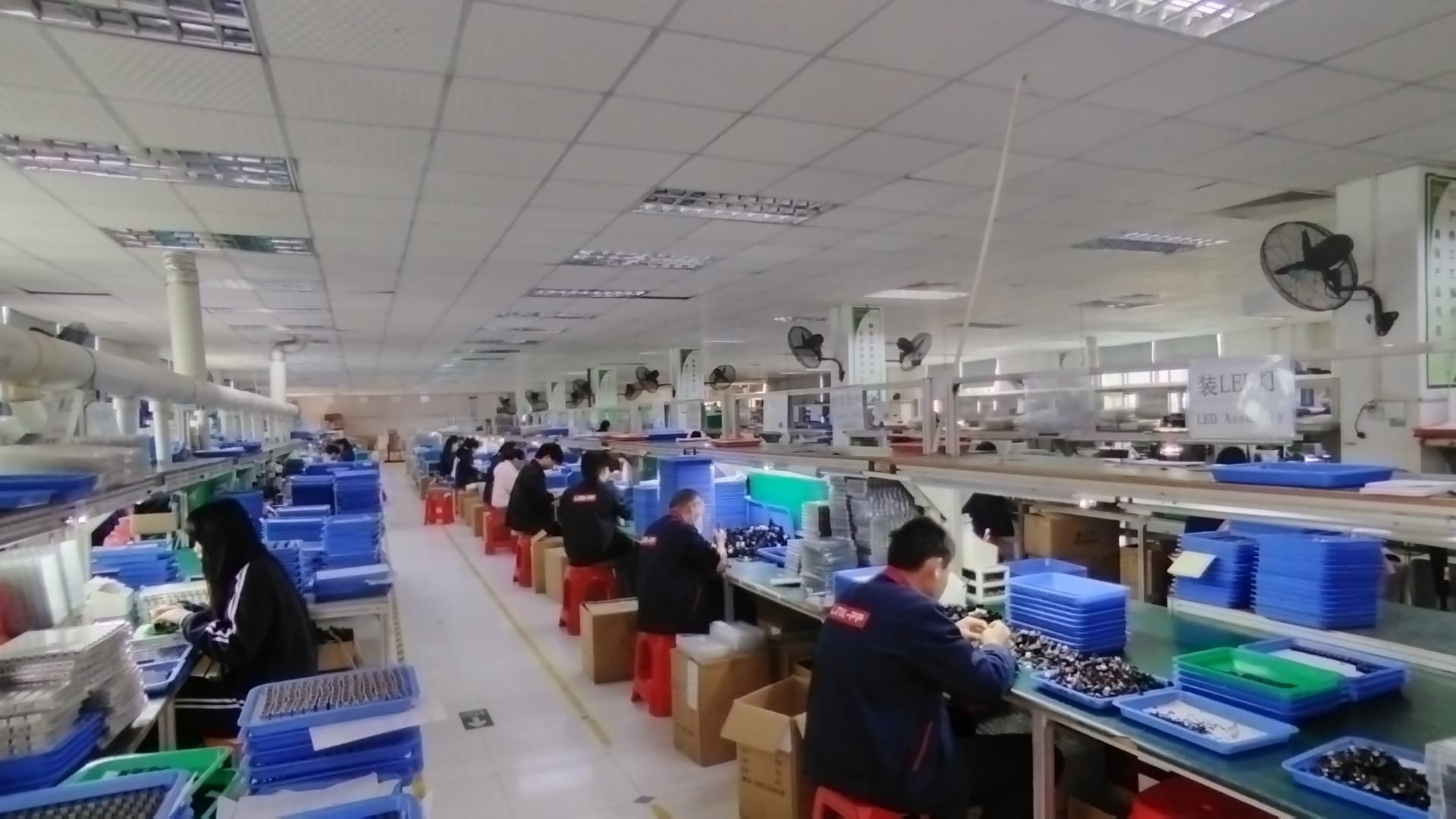


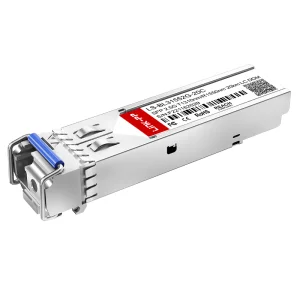
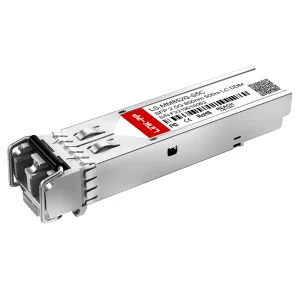
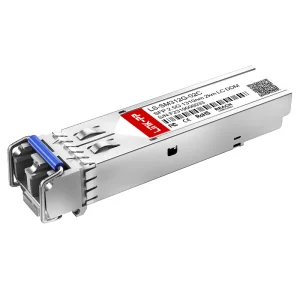
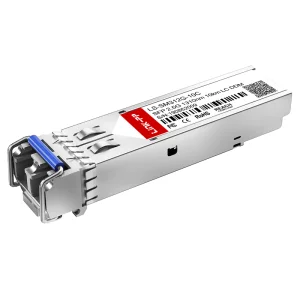
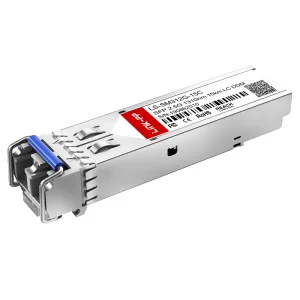
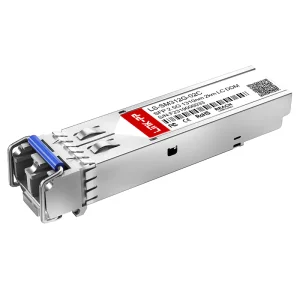
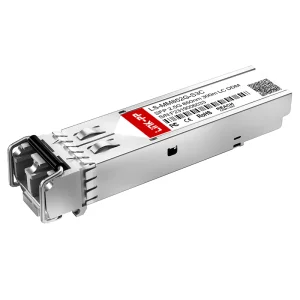
Explore our full line of 2.5G SFP optical transceivers, including multi-mode, single-mode, duplex, and simplex bidirectional configurations designed for diverse distances and budgets.
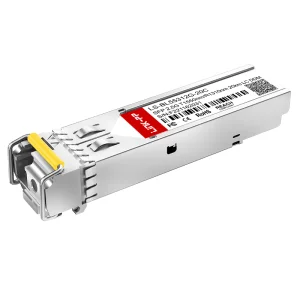
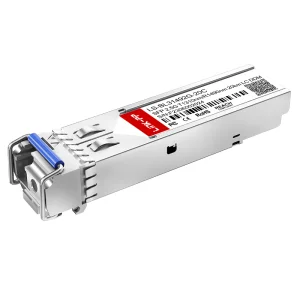
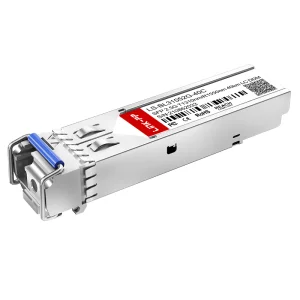
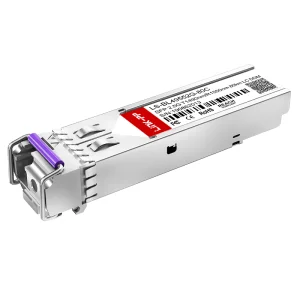
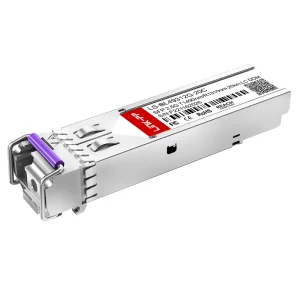
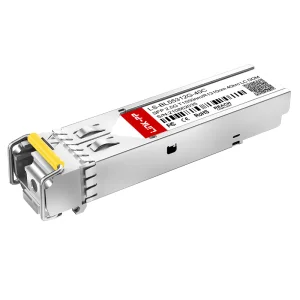
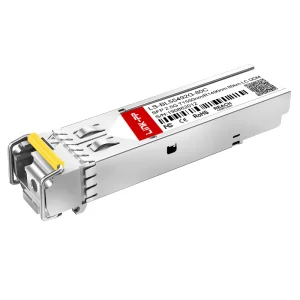
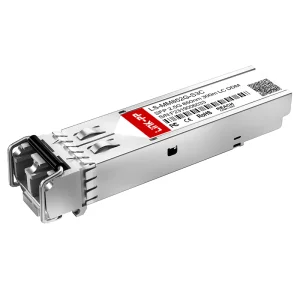
Deploying optical network hardware in multi-vendor environments requires strict hardware compatibility and protocol standardization. Novafiber SFP modules are designed to integrate seamlessly with existing networking systems. Our firmware supports built-in Digital Diagnostic Monitoring (DDM), allowing network operators in DR Congo to remotely track essential performance indicators in real time.
With DDM functionality, engineers in centralized network operating centers (NOCs) can monitor optical output power, input power (Rx sensitivity), operating temperature, and transceiver voltage. This real-time diagnostic capability is critical for optimizing network uptime across long-distance, rural links where physical maintenance is challenging. By identifying signal degradation early, operators can resolve potential fiber link failures before they impact end users.
In municipal deployments, standard configurations often fail to account for connection losses along long fiber paths. Novafiber's 2.5G to 6G SFP line offers configurations ranging from 2km short-reach links to 80km long-haul options. This enables system designers to plan appropriate power budgets based on site requirements. For example, our 2.5G 40km and 80km Bidi transceivers feature high-sensitivity APD (Avalanche Photodiode) receivers, ensuring robust signal recovery even on older, high-attenuation fiber lines.
Expert technical insights regarding deployment, compatibility, and specifications for optical networks in Central Africa.
Partner with a trusted global manufacturer for your optical network deployments in DR Congo. Contact our engineering team for detailed technical support, product samples, and volume pricing.
Send Inquiry Now Novafiber