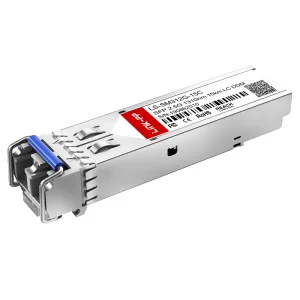
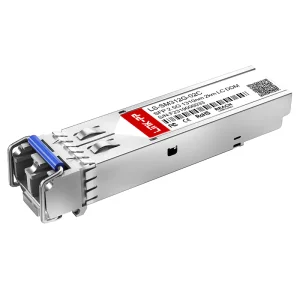
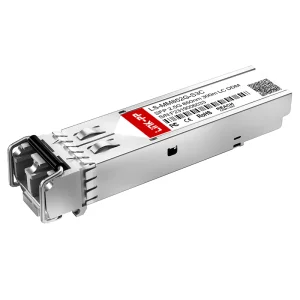
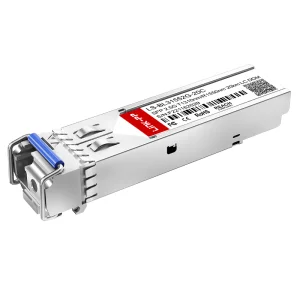
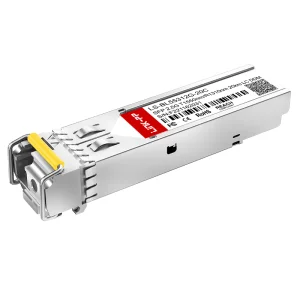
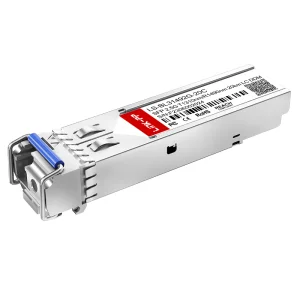
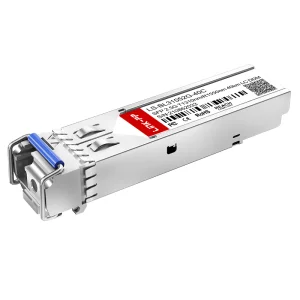
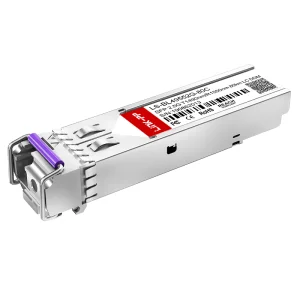
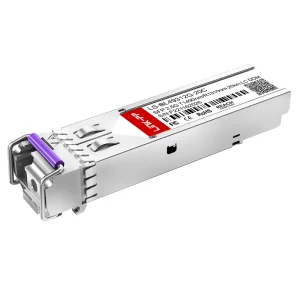
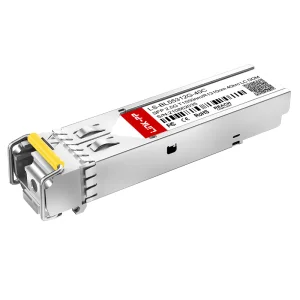
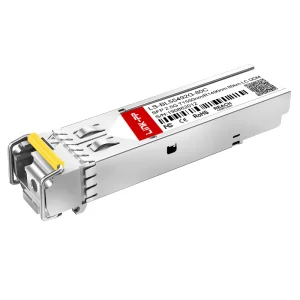
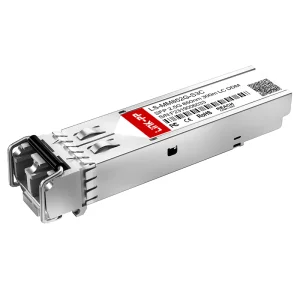
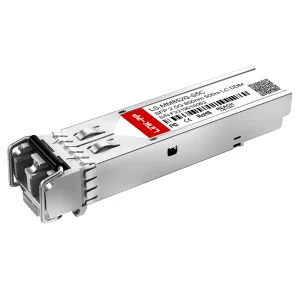
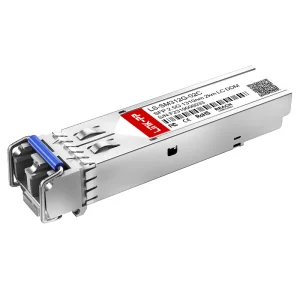
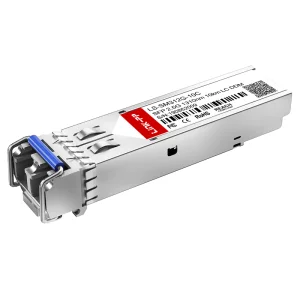
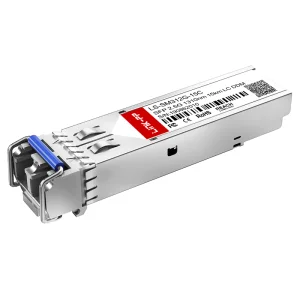
High-compatibility optical transceivers engineered to meet the robust multi-gigabit throughput demands of the Jabodetabek metropolitan core.
Jakarta, as the commercial and industrial capital of Indonesia, is undergoing an unprecedented digital infrastructure revolution. Driven by government initiatives such as "Making Indonesia 4.0," the expansion of 5G carrier networks (Telkomsel, Indosat Ooredoo Hutchison, XL Axiata), and the rapid scaling of high-density data centers in areas like Karawang, Bekasi, and central Jakarta (Cyber 1 & Cyber 2 Buildings), reliable fiber networks have become the ultimate economic lifeline.
Modern enterprises, metro-ethernet infrastructures, and telecommunications towers are transitioning heavily from 1G networks to 2.5G, 5G, and 6G configurations. Why is the 2.5G to 6G optical transceiver segment so crucial?

Novafiber's advanced manufacturing cleanroom utilizes state-of-the-art automated optical component placement technology.
Navigating the global procurement landscape requires a vendor who offers more than raw components. At Novafiber, our production facilities are designed for strict quality assurance and fast lead times, catering to global network integrators who require continuity and supply chain certainty.
Operating a focused 420㎡ specialized manufacturing cleanroom, we prioritize structural agility, high automation, and deep quality control over vast, inefficient footprints. By limiting wasted overhead, we pass directly-optimized factory margins to Jakarta clients.
Our Comprehensive Quality System Features:
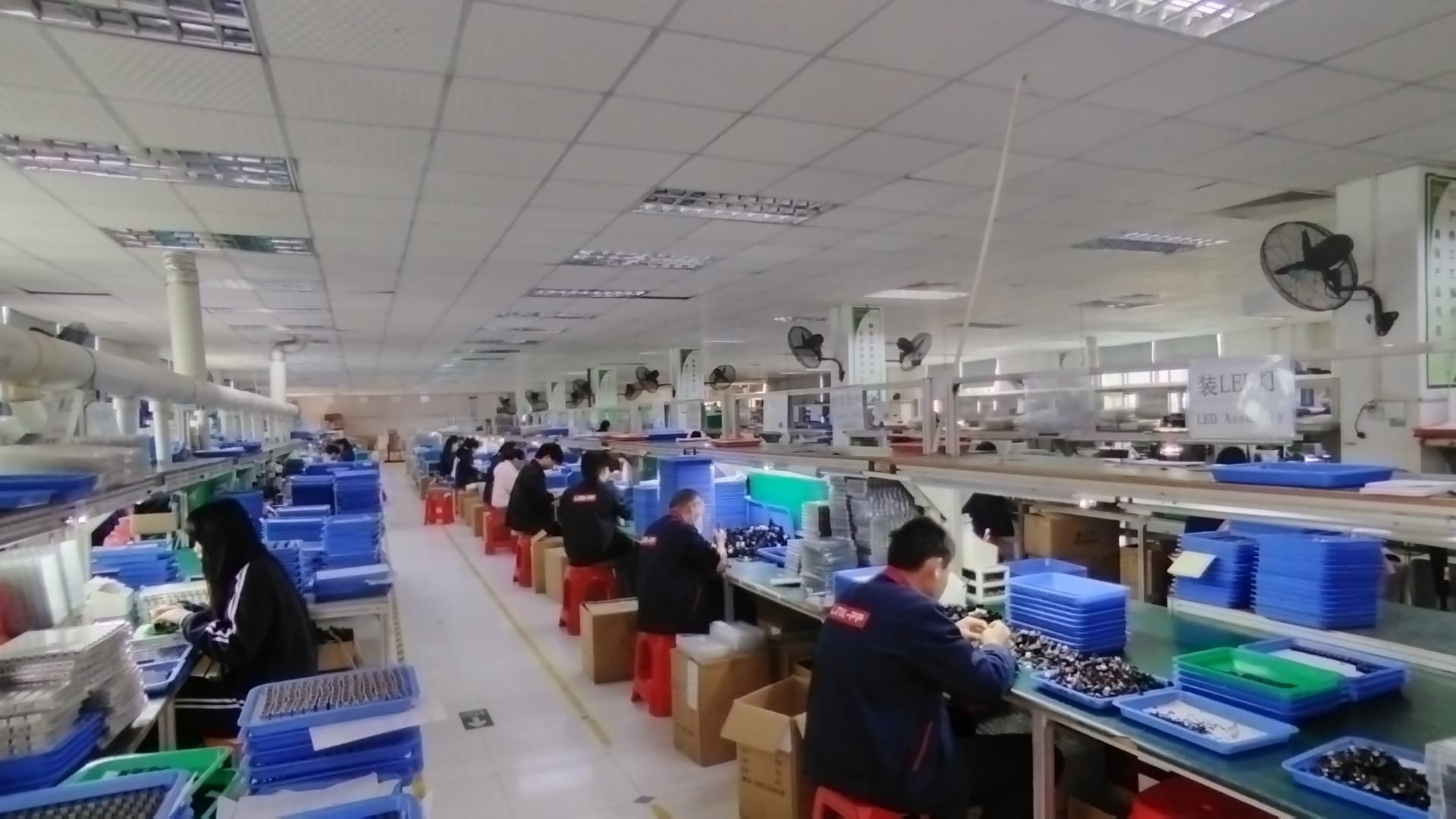
Automated testing sweeps are applied to 100% of manufactured SFP modules to guarantee compliance with international standards.
How telcos and private enterprises utilize Novafiber SFP modules to solve real-world network challenges.
In major server parks throughout Karawang and Cikarang, Novafiber 2.5G MMF transceivers are configured to support intra-rack cross-connects. Interfacing servers with top-of-rack (ToR) switches, they offer a highly reliable path for low-latency virtual machine migrations.
Telecom operators upgrading roadside antennas in South Jakarta rely on custom-coded 6G SFP transceivers. These links connect remote radios to BBUs, tolerating ambient outdoor temperatures and high relative humidity without performance degradation.
To serve the dense suburban residences of Depok and Tangerang, ISPs utilize Novafiber Bidirectional (BiDi) 2.5G/5G SFP transceivers. By multiplexing transmit and receive signals onto a single strand of fiber, operators double physical fiber capacity instantly.
Our dedicated engineering department consists of over 180 experienced R&D engineers, driving forward compatibility matrices for global markets. We recognize that the most significant barrier in SFP procurement is third-party vendor lock-in. Original equipment manufacturers (OEMs) often restrict third-party optics using strict firmware handshakes.
Novafiber engineers bypass these barriers by using multi-device testing profiles. We physically maintain and script for over 50 different switch models in our laboratory. This allows us to offer customized EEPROM programming, providing modules pre-programmed to emulate original transceivers from Cisco, Juniper, Huawei, HP, Mikrotik, and Ubiquiti with 100% telemetry pass rates.
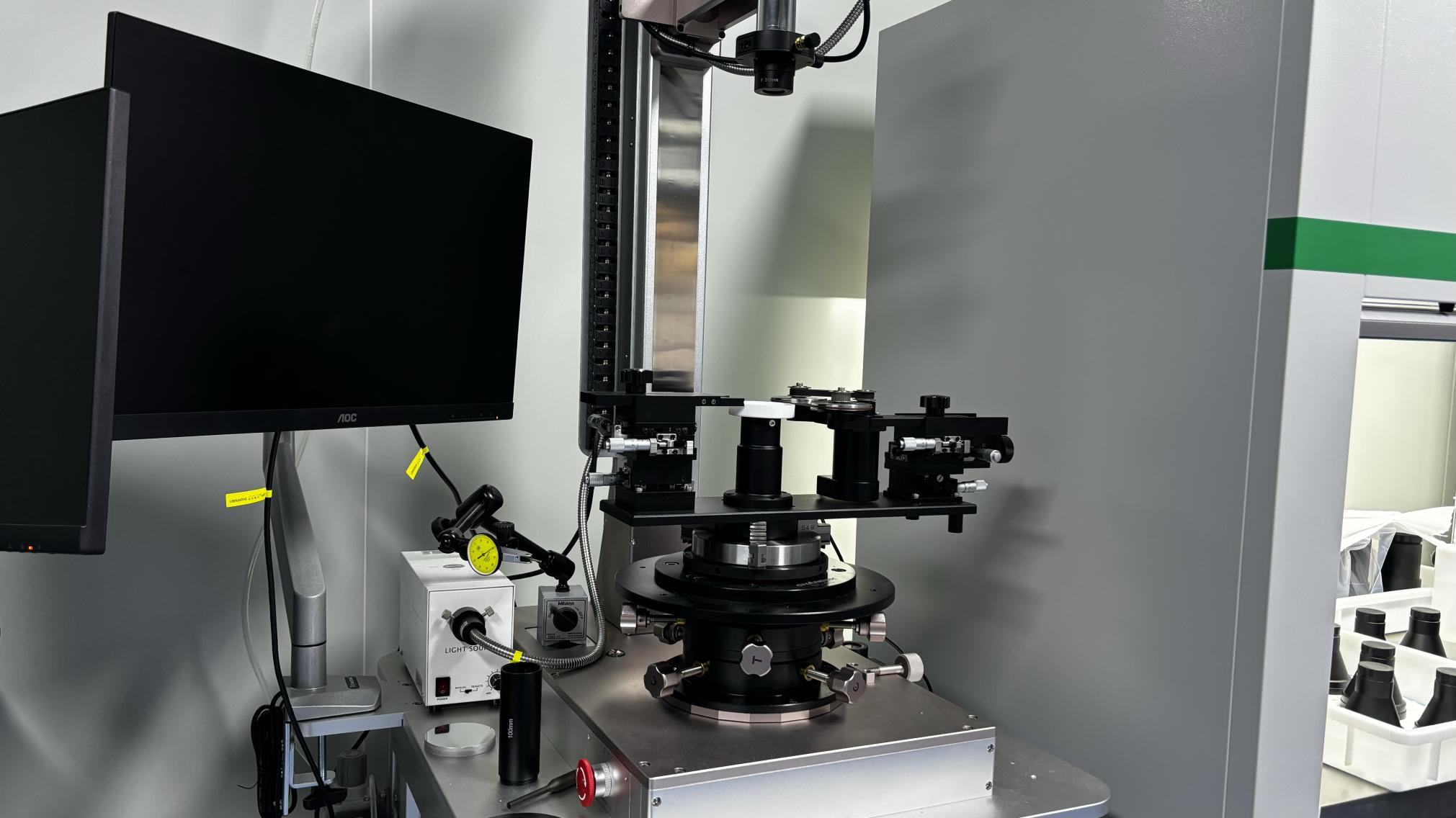
Novafiber's compatibility lab tests module integration across major network switch platforms.
With an export framework designed to ship products safely, our export logistics team ensures streamlined customs handling at major port hubs. We regularly supply distributors and network builders throughout Southeast Asia, offering custom duty documentation and localized support.
For custom production runs (including custom wavelengths, branding labels, and customized packaging), our engineering agility allows us to scale production efficiently. In the past fiscal year, our lab successfully launched 320 new product releases, showcasing our commitment to high-speed optical module research.
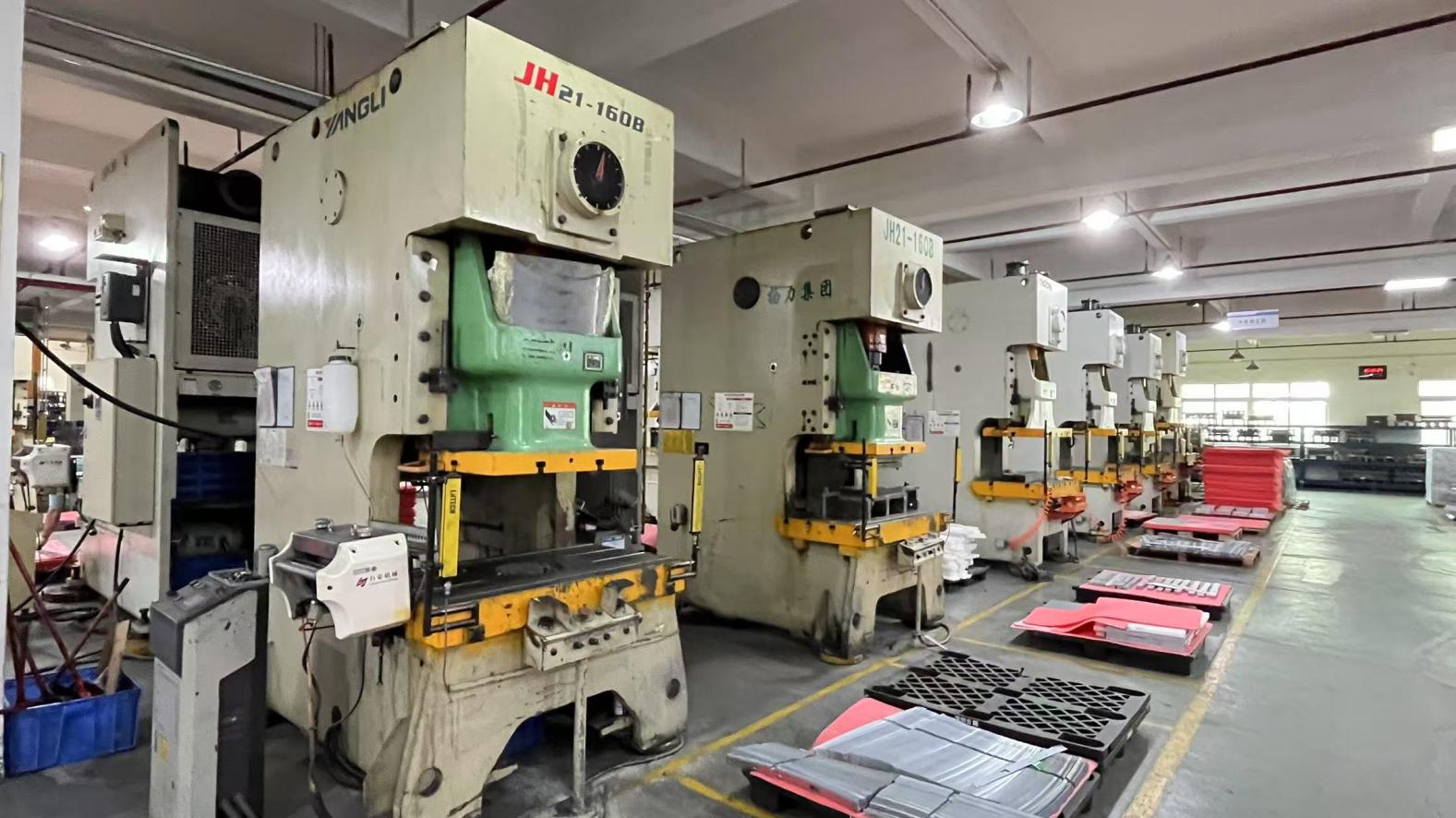
Final testing procedures are completed before secure packaging to safeguard fragile optical sub-assemblies.
Review our technical specifications for BiDi, single-mode, and multi-mode links, designed for reliable performance in local Jakarta systems.
Additional high-reliability variants from our standard catalog, optimized for specialized optical topologies.
Addressing architectural challenges, protocol configurations, and environmental limits for network design engineers.
Get direct-from-factory pricing, customized EEPROM coding, and bulk supply stability from Novafiber. Speak with our optical engineers to plan your next network upgrade.
 Novafiber