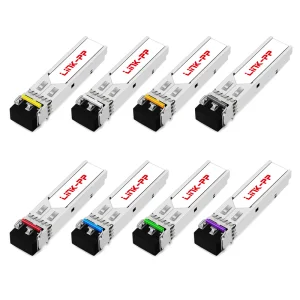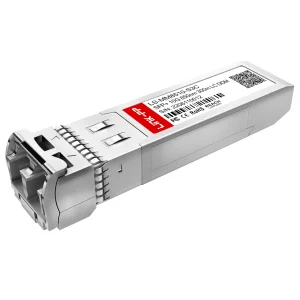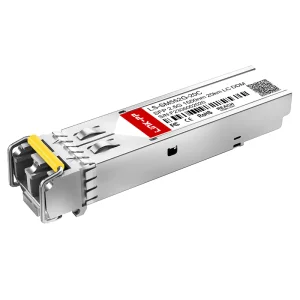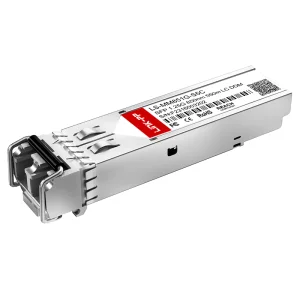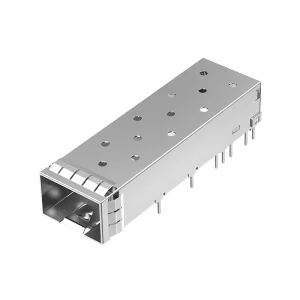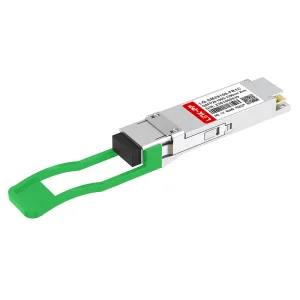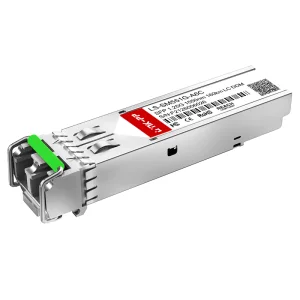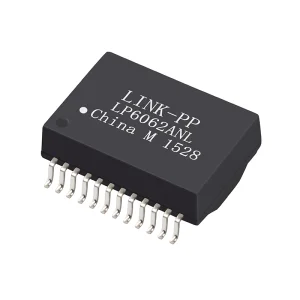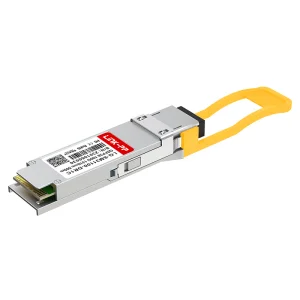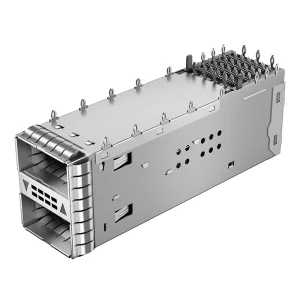
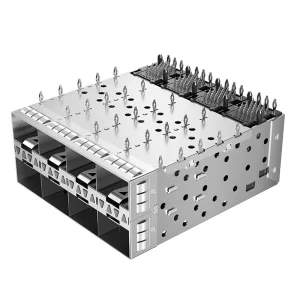
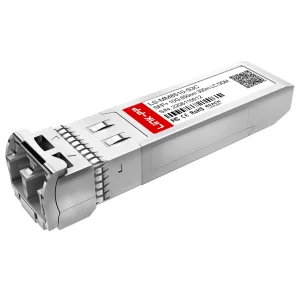
Established in 2016, Novafiber Communications Co., Ltd. has stood at the forefront of the global optoelectronic and networking interface market. We engineer high-reliability, high-density fiber optic communication solutions and interconnect components, including SFP, SFP+, SFP28, QSFP+, QSFP28, and next-generation QSFP-DD/OSFP cages and connectors. Serving data centers, major telecommunication carriers, and system integrators globally, we deliver field-proven components designed to handle extreme transmission speeds and rigorous environmental conditions.
By implementing advanced production structures and robust quality-control systems, we align our operations with IPC standards and strict quality audits. With a custom-built facility covering approximately 420㎡ dedicated to precision assembly, rigorous testing, and failure analysis, Novafiber ensures that every optical module and connector interface surpasses international mechanical and electrical compatibility protocols.
The global optical interface connector landscape is shifting rapidly. The demand for bandwidth-intensive cloud architectures, AI supercomputing clusters, and widespread 5G infrastructure deployment has pushed classic connector designs past their limits. Traditional architectures are morphing into complex, multi-gigabit interfaces capable of handling massive bandwidth without sacrificing signal integrity.
As data systems migrate from NRZ (Non-Return-to-Zero) modulation to high-efficiency PAM4 schemes, physical connectors must guarantee extreme bandwidth performance. Standard form factors have evolved into QSFP-DD, SFP-DD, and OSFP structures to support multi-lane systems while maintaining backwards compatibility.
High-speed signal pathways generate significant heat and electromagnetic interference (EMI). Modern SFP cages integrate optimized thermal elastomeric gaskets, metal finger EMI contacts, and dedicated ventilation pathways to allow heat dissipation and system noise isolation under full load.
Strict adherence to specifications like SFF-8431, SFF-8432, SFF-8472, and SFF-8665 is non-negotiable. Global OEM buyers rely on absolute mechanical interchangeability and electrical consistency across all modules, cages, and integrated receptacle designs.
Enterprise procurement departments and network architects face rigorous technical evaluation protocols. When purchasing SFP connectors, cages, and active transceivers, standard datasheets are only the baseline. Procurement professionals require evidence of high-performance attributes:
Novafiber's parts are engineered to match industry-standard footprints like TE Connectivity, Amphenol, and Molex. This ensures cross-compatibility and drop-in replacements for existing PCB designs, simplifying supply chain adjustments without re-tooling.
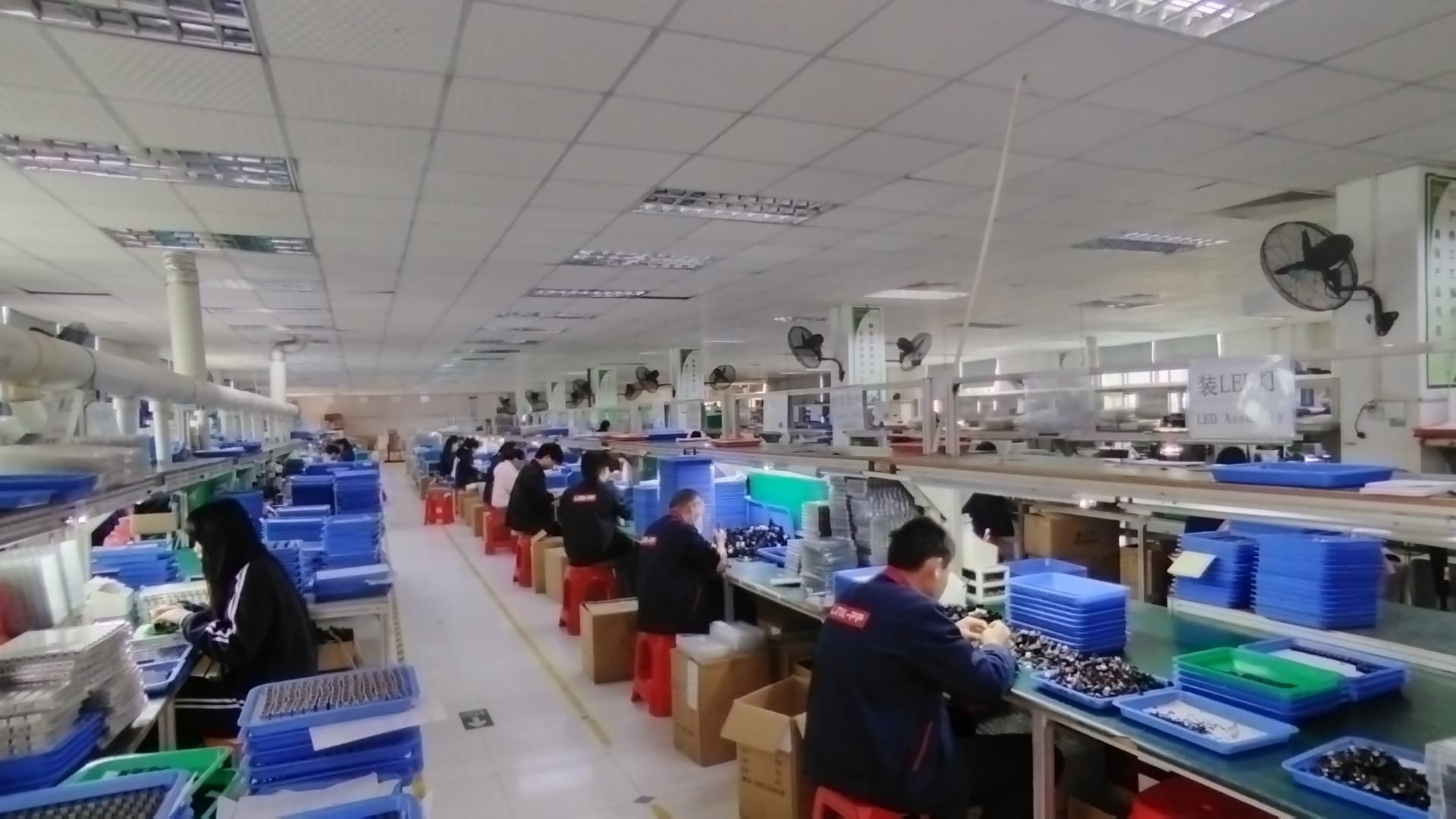
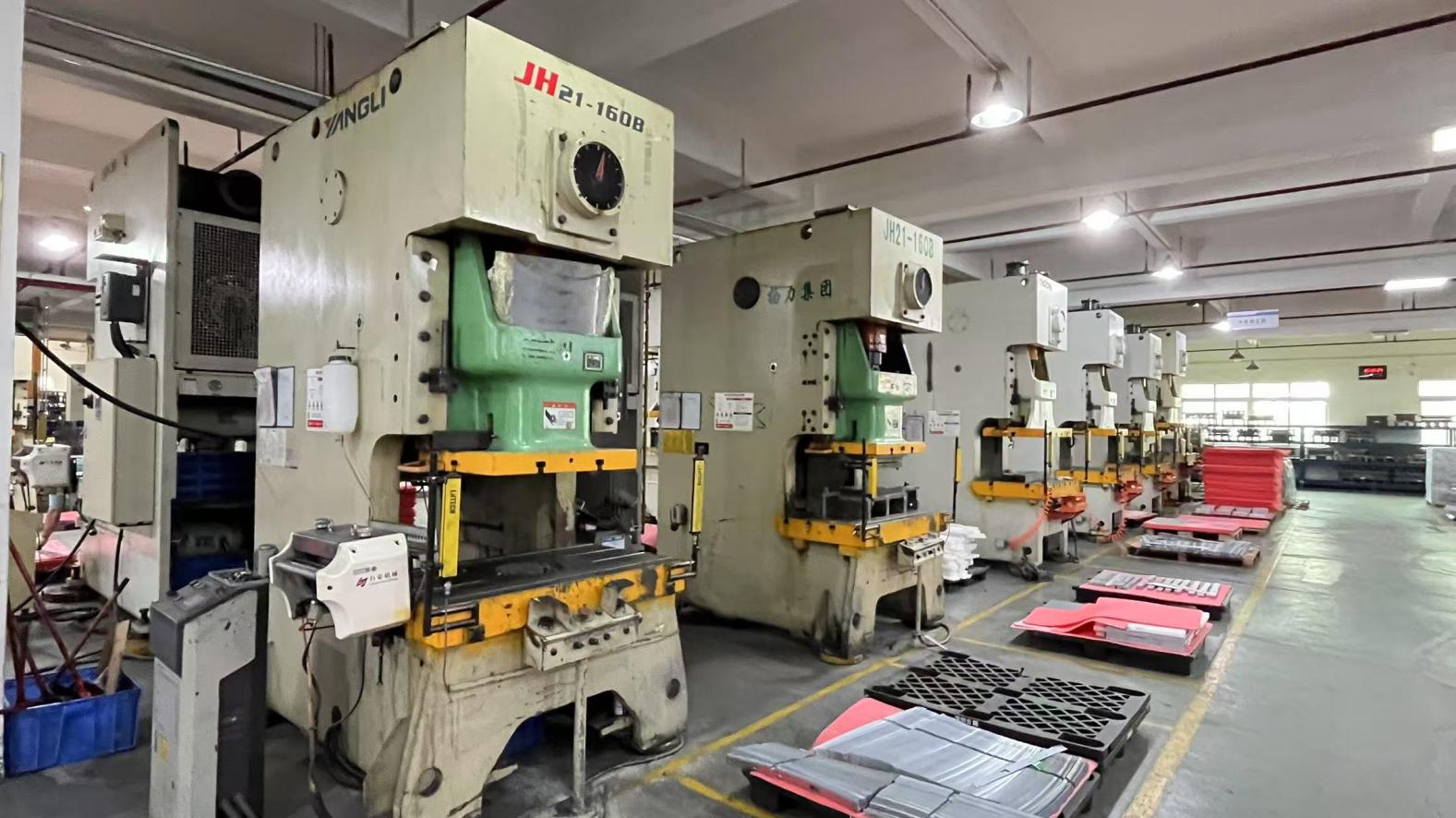
Novafiber harnesses China's advanced manufacturing infrastructure to offer a reliable, cost-efficient supply chain. With access to over 1,200 specialized supply chain partners, we coordinate materials sourcing, precision tooling, cleanroom assembly, and multi-tier quality testing. Our manufacturing system handles everything from low-volume prototypes to high-speed mass production runs.
We maintain localized component stocks of structural metal sheets, EMI fingers, high-temperature engineering plastics, and bare PCB configurations to protect customers from global material volatility and ensure short lead times.
Our Quality Control department employs 65 quality inspection specialists who run automated optical inspection (AOI), high-precision electrical characterization, environmental stress screening (ESS), and continuous burn-in tests to identify potential failures early.
Our dedicated team of 180 engineers handles customized modifications for pinouts, custom housing heights, light pipe positioning, and specific firmware protocols. We released 320 new product variations last year alone, illustrating our commitment to quick engineering adaptation.
High-speed SFP module connectors and cages are used across multiple network environments, from clean, climate-controlled enterprise data centers to demanding industrial automation hubs.
Modern hyperscale environments rely on dense switch-to-switch and switch-to-server interconnect paths. Installing multi-port stacked cages (such as 2x1, 2x4, and 2x6 architectures) maximizes faceplate density, ensuring optimal high-volume data handling in compact rack spaces.
From OTN nodes to cell towers, optical links require physical reliability. Industrial-grade single-mode and multi-mode SFP transceivers (covering distances from 300m up to 160km) must withstand wide temperature swings (-40°C to +85°C) without signal degradation.
Heavy machinery, subways, and power grids create intense electromagnetic environments. SFP+ systems equipped with robust EMI gaskets and copper alloys shield internal channels from electrical noise, ensuring consistent data flows for critical operations.
Enterprise environments need dependable local connectivity. In these setups, RJ45 SFP modules and gigabit optical connectors provide cost-effective transitions between fiber optics and copper-based Ethernet networks.
At high frequencies (10 GHz to 56 GHz per channel), the electrical interface transitions from a simple contact path into a transmission line. Any structural inconsistency, micro-void, or misalignment can trigger signal reflections, causing high Insertion Loss (IL) and Return Loss (RL) that degrade performance.
Choosing the right PCB mount interface depends on your production method and high-speed signal requirements:
Press-Fit (Elastic Eye of the Needle) Pins: This design avoids the thermal shock of wave soldering, keeping the PCB path uniform. It provides clean electrical contacts, minimizes signal impedance mismatches at the connector base, and allows easy rework.
Through-Hole Solder (THT): Known for mechanical stability, THT soldering is ideal for rugged environments subject to strong vibration. A secure solder joint anchors the cage, preventing stress damage during repeated cable insertions.
The shell casing of our SFP, zSFP+, and QSFP cages is stamped from high-durability copper-nickel-zinc alloy (nickel silver) or copper alloy with post-plating treatments. This base composition provides:
Find detailed answers to common engineering, procurement, and deployment questions regarding SFP cages, connectors, and active transceivers.
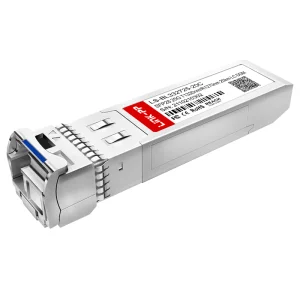
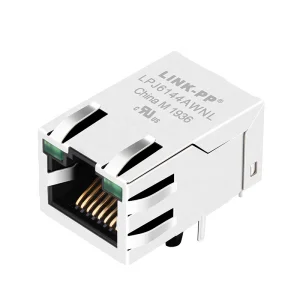
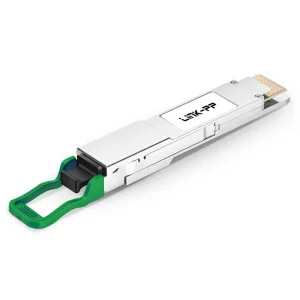
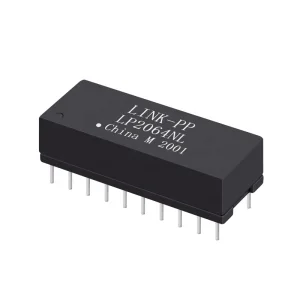
Take a look inside our cleanroom manufacturing facilities, optical testing labs, and assembly divisions. This infrastructure enables us to maintain strict quality standards for all SFP interconnect systems.


 Novafiber