Explore our leading network interface components optimized for telecom facilities, cloud computing structures, and high-frequency communication links.
How Modern Telecom Systems Are Bridging Copper and Optoelectronic Interfaces to Achieve Ultra-Low Latency and Multi-Gigabit Speeds.
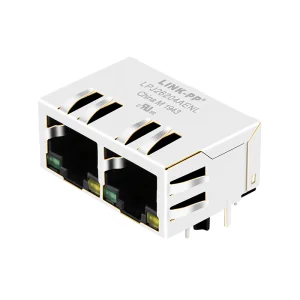
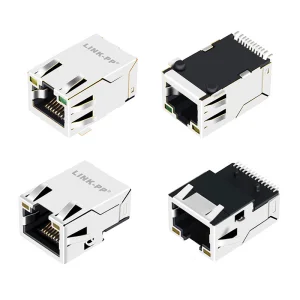
The global networking landscape is undergoing a monumental transition driven by edge computing, Artificial Intelligence (AI) datacenters, and high-frequency data transmission demands. Central to this evolution is the optimization of both physical copper Ethernet connectors and high-speed optoelectronic modules. While fiber remains the choice for long-haul transmission and ultra-high-speed core networking, copper-based modular interfaces like RJ45 Jacks with integrated magnetics continue to hold their position as critical elements for local network connectivity, enterprise access systems, and Power-over-Ethernet (PoE) installations.
Integrated magnetics are changing to support high-current PoE standardizations (IEEE 802.3bt). System designers must secure connectors capable of delivering up to 90W of power while maintaining signal integrity, requiring advanced thermal management and high-grade copper alloys.
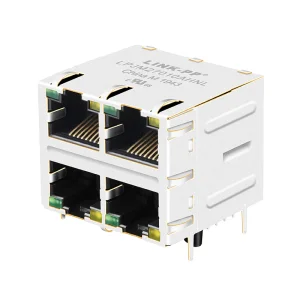
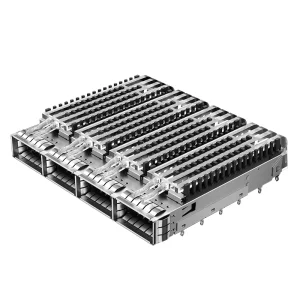
With data frequencies reaching multi-gigabit ranges, Electromagnetic Interference (EMI) presents a significant design hurdle. Shielded 2x2 and stacked multiport connector housings containing integrated LED modules and EMI metal tabs are necessary to maintain low noise margins.
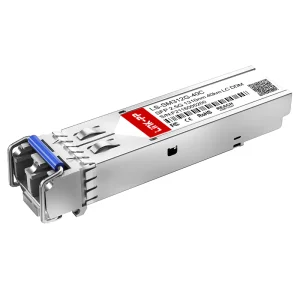
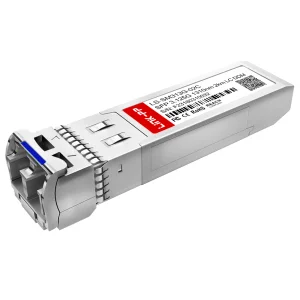
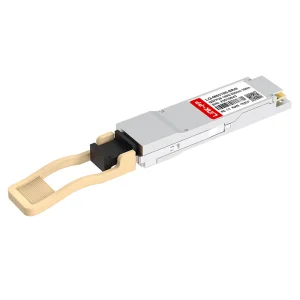
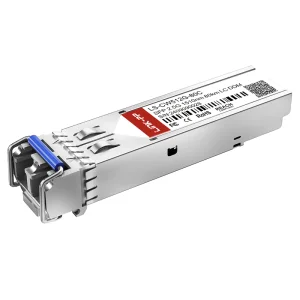
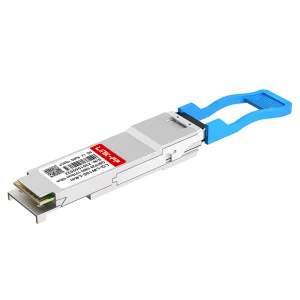
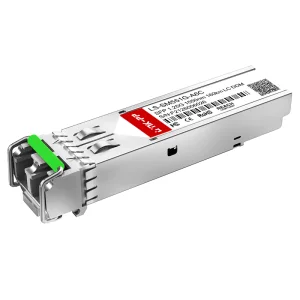
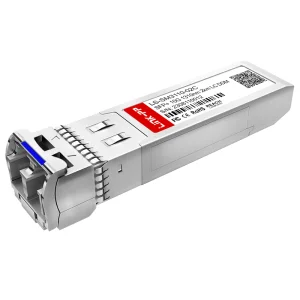
The progression toward 10G, 25G, 100G, and 400G networks has accelerated the implementation of MSA-compliant SFP, SFP+, and QSFP28 form factors. These transceivers operate over Single-Mode Fiber (SMF) for distances ranging from 2km to 160km, ensuring link stability for regional carriers.
Empowering Global Telecommunication Infrastructures with OEM/ODM Engineering Excellence since 2016.
Novafiber Communications Co., Ltd. stands as a professional manufacturer specializing in optical transceiver engineering and high-performance interconnect interfaces. Since our establishment in 2016, we have integrated R&D with vertical production processes within our advanced facilities. Operating under strict control standards, we provide system equipment manufacturers, system integrators, and telecom operators with reliable connectivity components. Our dedication is demonstrated by the launch of 320 new product releases over the past year, offering a comprehensive product portfolio from 1G SFP legacy modules up to high-capacity 800G optical structures.
Engineered to resolve connectivity, latency, and performance challenges across complex system topologies.
Our 100G QSFP28 LR4 and SFP+ optical transceivers are optimized for top-of-rack (ToR) and leaf-spine switches, ensuring high throughput, minimal packet drop rates, and thermal stability in dense cloud facilities.
Long-range single-mode modules (up to 160km optical range) deliver high reliability for metropolitan area networks (MANs) and optical distribution cabinets, minimizing the requirement for signal regenerators.
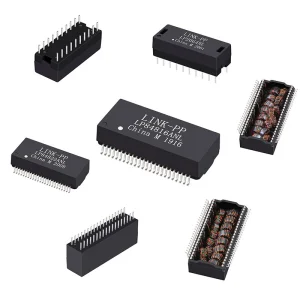
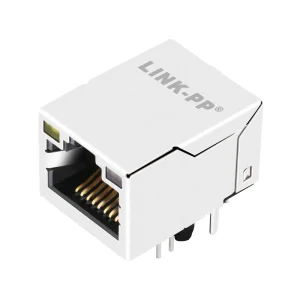
Using robust RJ45 magnetic connectors and discrete transformers like the 1000BASE-TX series, we secure electrical isolation, surge suppression, and continuous performance under harsh industrial environments.
Recognizing that standardized connectors cannot fulfill every application parameter, Novafiber offers customized R&D engineering services. Our scope of customization includes:
Inside our production facilities, cleanroom assembly hubs, and quality testing labs.

High-Precision Automated SMT Assembly Line

Optoelectronic Parametric Testing Lab

Environmental Stress Screening (ESS) Station

Finished Goods Quality Control & Packaging Hub
Ensuring zero-defect network deployments through physical validation and environmental testing.
To meet the high reliability expectations of national telecommunications carriers and data center operators, Novafiber operates an advanced quality management system. Our testing routines are integrated into each stage of the manufacturing sequence, ensuring compliance with IPC standards and global product directives.
Every active transceiver undergoes automated optical testing (AOI), Bit Error Rate (BER) validation, eye diagram diagnostics, and optical output power verification to guarantee adherence to MSA targets.
All production runs are subjected to Environmental Stress Screening (ESS) protocols, including high-temperature aging chambers and thermal cycling tests to prevent early-life failures.
All Ethernet components, magnetic jacks, and transceiver products conform to CE, FCC, RoHS, and WEEE directives, facilitating smooth customs clearance and regulatory alignment in North America and Europe.
Adapting product architectures to meet the physical challenges of future networking scales.
Standardizing 2.5G/5G RJ45 Magnetic Jacks alongside 10G/25G SFP+ modules. Emphasizing the integration of advanced EMI suppression, ESD protection, and increased thermal dissipation in high-density rack systems.
Deploying QSFP28 and QSFP-DD modules utilizing PAM4 modulation and Silicon Photonics to minimize overall power consumption per gigabit of data transmitted over metropolitan distances.
Transitioning toward Co-Packaged Optics (CPO) and 800G/1.6T transceivers. We are focused on redesigning magnetic configurations and connector designs to support these upcoming architectures.
Addressing the key technical, logistic, and commercial questions raised by global network procurement professionals.
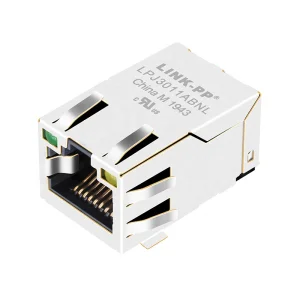
Integrated Connector Modules (ICMs) consolidate the physical RJ45 port and the necessary magnetic elements (isolation transformers, common-mode chokes, and resistors) into a single shielded housing. This setup minimizes total PCB footprint, simplifies routing design, and reduces parasitic capacitance. It also improves electromagnetic interference (EMI) performance by containing the high-frequency magnetics within a metal shield.
We solve the issue of vendor-locking by programming the onboard EEPROMs of our transceivers to comply with the Multi-Source Agreement (MSA) standard. Our technicians test each batch of transceivers with our inventory of major switch models, ensuring accurate protocol recognition, diagnostic monitoring (DDM/DOM), and interface alignment.
For PoE++ installations (IEEE 802.3bt, up to 90W), the RJ45 jack must feature magnetic components wound with thick wire to carry currents up to 1A per pair without overheating. The contact pins must use high-grade gold plating (minimum 50 micro-inches) to prevent contact erosion during hot-unplug events. High-temperature thermoplastic materials are also required to handle thermal dissipation.
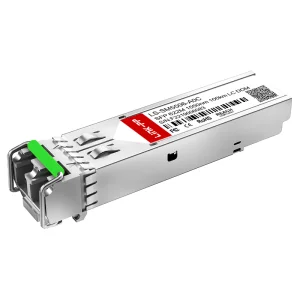
Long-range single-mode modules (such as our 2.5G 80km SFP or 1000BASE-ZXC 160km SFP) are tested for optical output power, receiver sensitivity, and center wavelength stability across our full operational temperature range. We use optical spectrum analyzers (OSAs) and Bit Error Rate testers (BERTs) to verify that link budgets are met and dispersion-induced signal degradation is minimized.
Yes. Although SMT (Surface Mount Technology) RJ45 connectors feature surface-soldered contact pins, they include heavy-duty mechanical board locks or through-hole shield tabs. These structural features transfer plug insertion and retention loads directly to the PCB chassis, preventing pad peeling and ensuring physical durability.
We maintain an inventory of key components, including optical sub-assemblies (TOSA/ROSA), laser diodes, and magnetic cores. This buffer stock, supported by our supplier network, allows us to maintain production schedules and deliver optical transceiver and RJ45 connector orders within weeks rather than months.
High-reliability network solutions, custom cages, and discrete magnetic components for industrial applications.

 Novafiber