Engineered for minimal insertion loss, superior crosstalk suppression, and high environmental reliability.
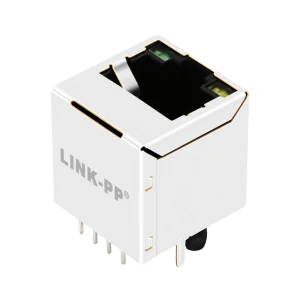
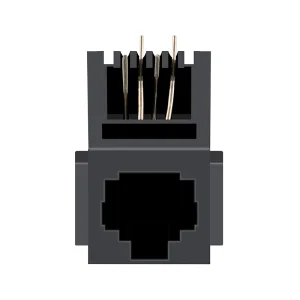
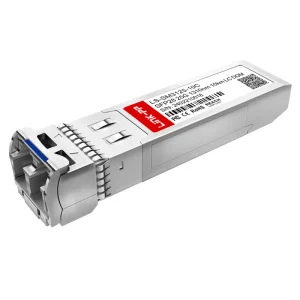
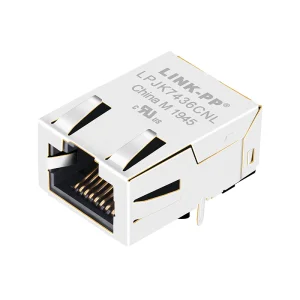
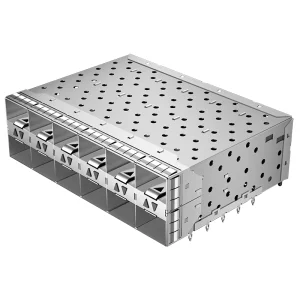
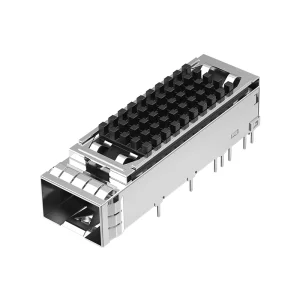
As transmission frequencies rise and system tolerances decrease in modern gigabit and multi-gigabit networks, physical interface integrity represents a critical focus for network engineers. The choice of modular interconnect components—specifically, Shielded RJ45 Connectors with or without integrated magnetics—impacts packet delivery rate, electromagnetic compatibility (EMC), and operational longevity. Grounded in research from the latest IEEE 802.3 standards, this whitepaper examines the design principles of high-performance shielded copper interconnects, highlighting how Novafiber Communications Co., Ltd. applies engineering precision to meet global commercial requirements.
"In environments marked by high density, such as hyperscale data centers, 5G wireless networks, and industrial IoT hubs, the risk of Electromagnetic Interference (EMI) and Radio Frequency Interference (RFI) is pronounced. Only precision-machined, copper-alloy shielded RJ45 interfaces can guarantee reliable attenuation across the high-frequency spectra required for modern networks."
Electromagnetic shielding in an RJ45 connector serves two core functions: protecting the high-speed differential signal lines inside the connector assembly from external ambient radiation, and preventing internal high-frequency signals from radiating outward and violating emissions regulations (e.g., FCC Part 15 and CISPR 32). In unshielded configurations, high-frequency transients from adjacent power cables, electric motors, or nearby transceiver arrays can inject noise into the twisted-pair paths. This degrades the signal-to-noise ratio (SNR) and drives up Bit Error Rates (BER).
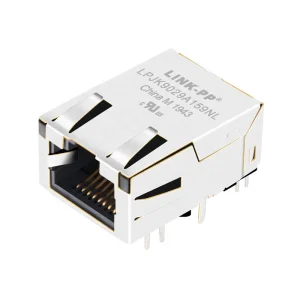
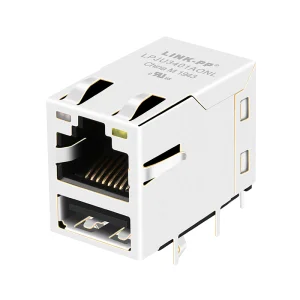
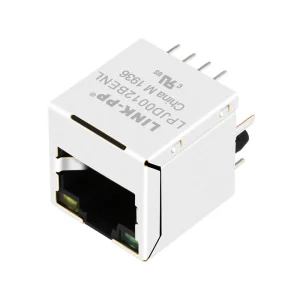
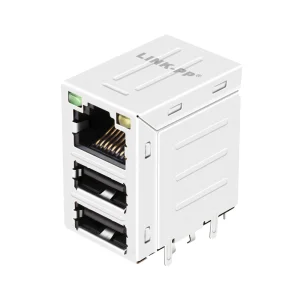
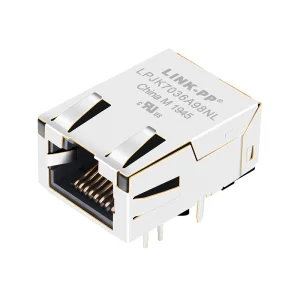
Novafiber's shielded RJ45 interfaces feature a structural copper-alloy housing plated with nickel or tin. This creates a continuous Faraday cage surrounding the critical pin configurations. Mechanical grounding tabs are strategically placed on the shield's outer shell to interface with the mating port or panel chassis. This creates a low-impedance path to ground, diverting unwanted high-frequency currents away from the signal conductor path.
| Interface Type | Shielding Classification | Bandwidth Support | Max Transmission Speed | PoE Compatibility | Typical Application Sector |
|---|---|---|---|---|---|
| Standard RJ45 Jack | Unshielded (UTP) | Up to 250 MHz | 1 Gbps (Cat5e / Cat6) | PoE (802.3af) | SOHO Networks, Basic IP Telephony |
| Shielded RJ45 (THT/Press-fit) | Metallic Shielded (FTP/STP) | Up to 500/600 MHz | 10 Gbps (Cat6A / Cat7) | PoE++ (802.3bt Type 4) | Data Centers, Enterprise Switches, Telecom |
| Integrated Magnetic RJ45 (Magjack) | Shielded + Internal Magnetics | Up to 500 MHz | 10 Gbps (Multi-Gigabit) | Integrated PoE Isolation | Industrial Automation, Server NICs, Routers |
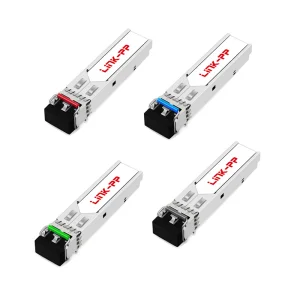
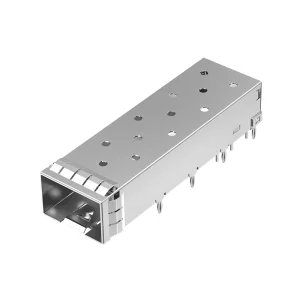
| SFP+ / SFP28 Cage Assemblies | Full Metal EMI Cage | Up to 28 GHz (Per Channel) | 25 Gbps / 100G (QSFP) | N/A (Optical / Direct Attach Copper) | Core Switching, Optical Transceiver Modules |
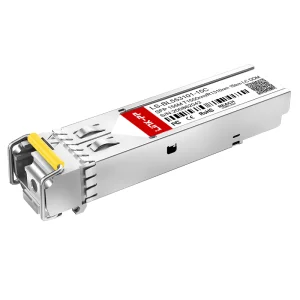
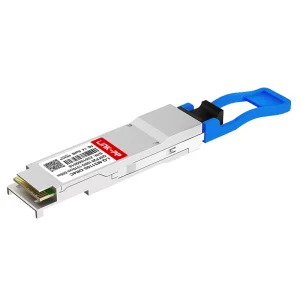
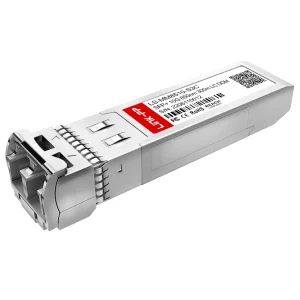
The rise of Wi-Fi 6E/7 access points, edge AI servers, and high-definition video networks has pushed typical edge bandwidth requirements past 1 Gbps. While fiber optic solutions like SFP28 and QSFP28 modules (which Novafiber produces for high-capacity applications) dominate the core network, copper cabling remains the standard for access networks due to its lower cost, ease of deployment, and support for Power over Ethernet (PoE). However, pushing speeds of 2.5G, 5G, and 10G over copper requires strict control of impedance matching and crosstalk reduction.
Backed by an engineering team of 180 specialists, Novafiber develops high-speed copper and optical interfaces. In the past year alone, the team completed 320 new product releases, supporting customized pinning, internal magnetic alterations, and tailor-made mechanical envelopes for global OEMs.
Our quality control system employs 65 specialized QA inspectors to monitor our automated production lines. All assemblies conform to IPC assembly standards and undergo 100% functional testing, high-temperature aging, and environmental stress screening (ESS).
Operating from our modern production facility with an export network of over 1,200 supply chain partners, Novafiber secures raw materials and maintains export supply pathways, delivering reliable components to clients across North America, Europe, and Asia.
For international buyers and system integrators, selecting a Chinese manufacturing partner involves verifying export stability, compliance certifications, and reliable capacity. The global electronics market is sensitive to delays; therefore, supply chains must be resilient. With over 9 years of industry experience and 7 years of export history, Novafiber generates an annual export revenue of approximately USD 8.5 million, serving major telecom operators, cloud providers, and system builders worldwide.
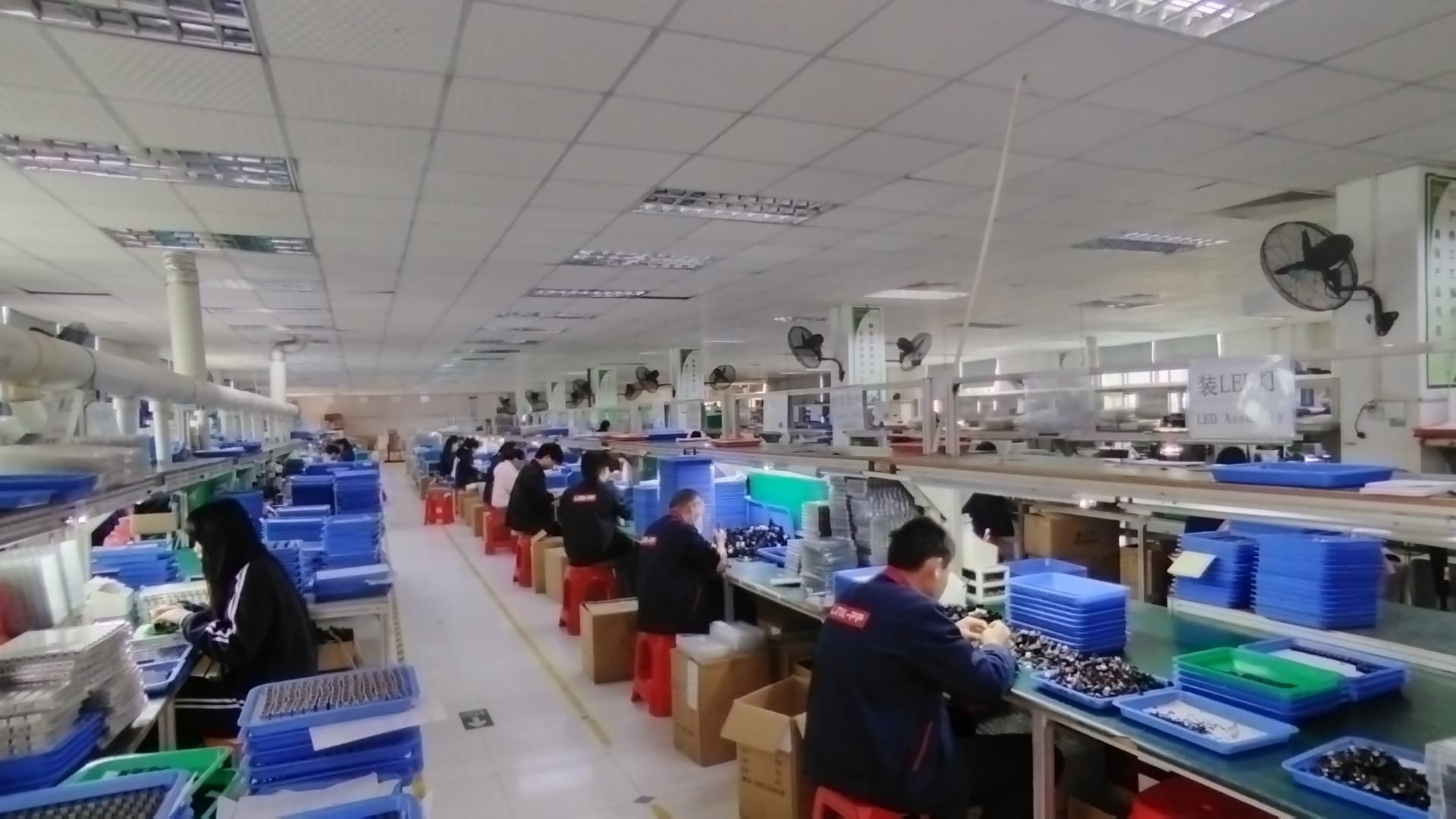
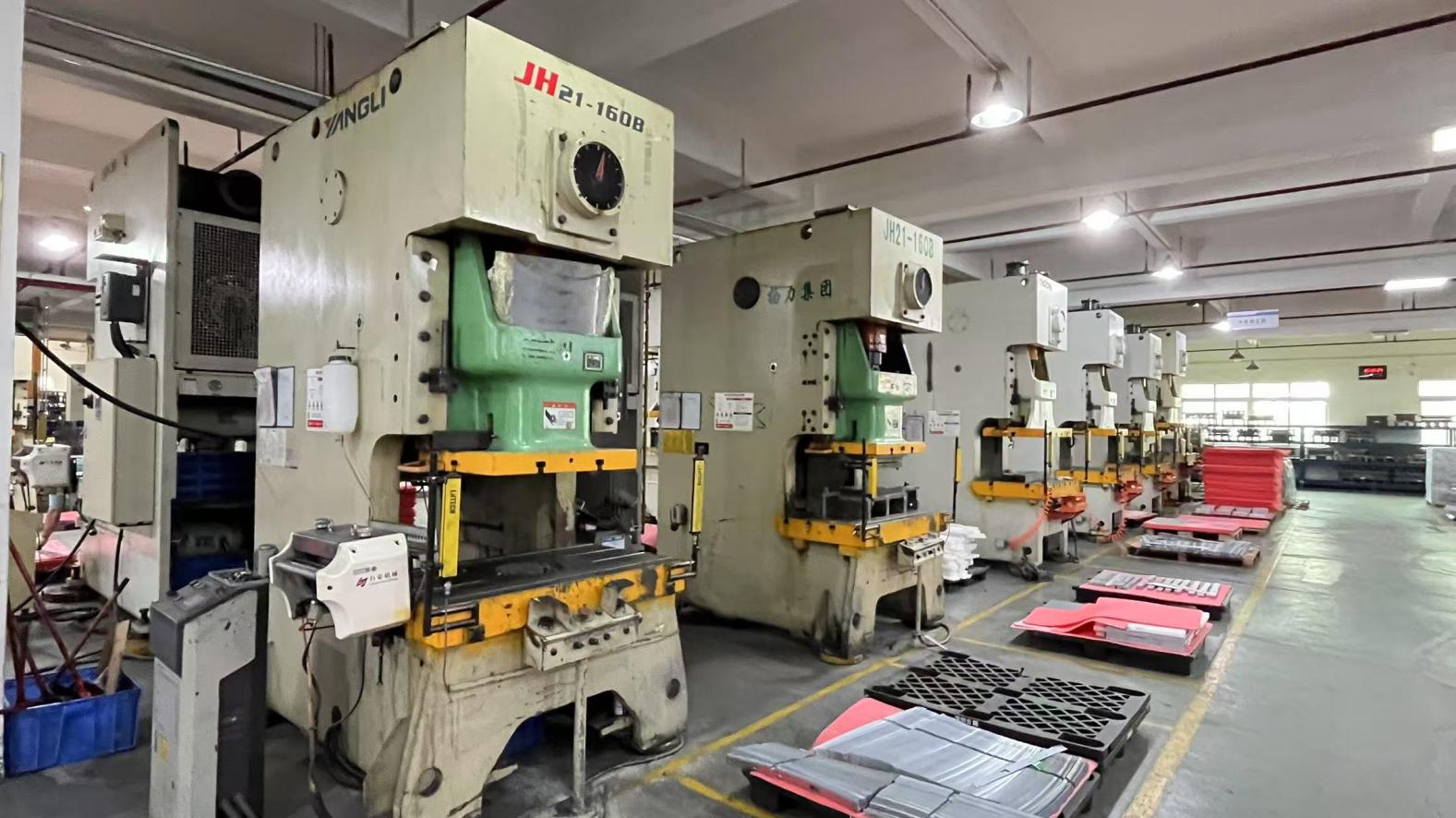
Our component manufacturing uses automated insertion machines, precision stamping dies, and computerized plastic injection molding systems. High-quality raw materials—such as UL94V-0 rated liquid crystal polymers (LCP) and high-conductivity phosphor bronze alloys—are sourced from audited vendors. This ensures our connectors withstand lead-free wave soldering temperatures and environmental exposure in the field.
Novafiber's components are engineered for deployment across diverse vertical markets:
Looking ahead, Novafiber's R&D division is focused on developments in copper and optical connectivity:
A closer look at Novafiber's production lines, optical laboratories, and automated assembly plants.


Expert answers to common engineering, procurement, and deployment questions regarding high-speed modular interconnects.
Precision-made interfaces designed to provide reliable connections in extreme environments.
 Novafiber