Select industrial-grade connectivity configurations and structural cages designed to handle gigabit speeds, minimize return loss, and maximize EMI shielding efficiency.
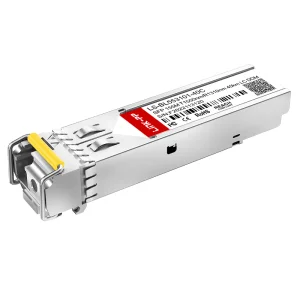
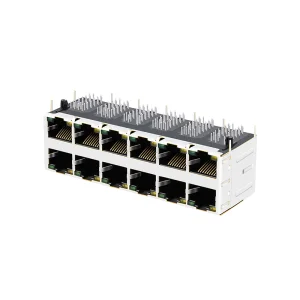
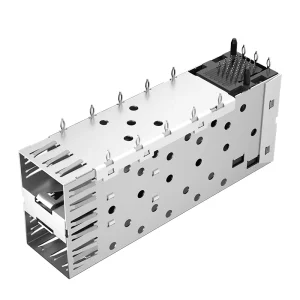
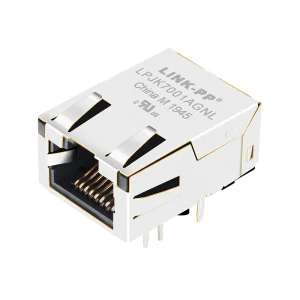
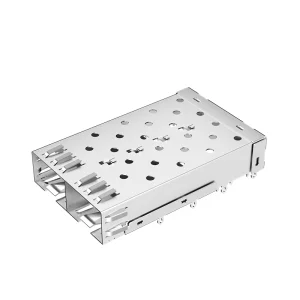
Underpinned by rigorous engineering, state-of-the-art testing facility, and a highly responsive custom OEM/ODM framework.
Established in 2016, Novafiber has developed into a formidable high-speed interconnect and optical packaging pioneer. Running specialized operations in global data center, telecom, and industrial networking environments, the organization delivers robust, board-level physical connectivity interfaces capable of handling massive bandwidth demands without signal degradation.
Quality reliability is core to our corporate E-E-A-T values. With 65 designated QC specialists overseeing raw component verification and post-solder assembly, Novafiber enforces absolute alignment with IPC guidelines. Each structural part and active transceiver undergoes detailed environmental testing protocols, featuring automated optical inspections (AOI), high-temperature operating tests, and electrical performance characterization.
The critical physical interface driving the expansion of Edge AI networks, automation frameworks, and hyperscale architectures.
The global requirement for high-reliability physical layers, such as Gigabit Ethernet connectors, SFP cages, and copper/optical transceivers, has surged dramatically. Industrial operations are no longer confined to low-bandwidth monitoring. The rapid evolution of the Industrial Internet of Things (IIoT), smart grid distribution systems, and real-time processing units at the edge demands an optimized, interference-free physical layer.
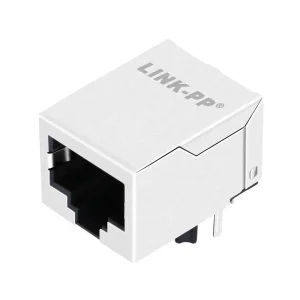
From an international distribution perspective, standard connector layouts are shifting toward integrated magnetic jacks (often referred to as MagJacks) and high-speed EMI-shielded cage assemblies. System engineers are actively searching for physical solutions capable of shielding high-frequency signals from external noise, which is critical in dense rack mount enclosures and factory floor equipment. The demand is particularly concentrated on press-fit SFP cages and multi-port RJ45 configurations, which simplify assembly while maintaining electrical integrity under extreme temperatures.
Exploring EMI attenuation, thermal performance, and design considerations that separate top-tier connectors from standard hardware.
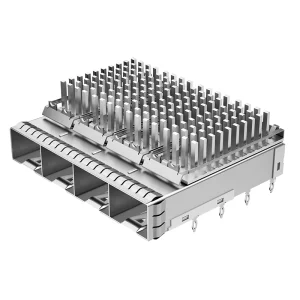
Modern Gigabit and multi-gigabit copper paths generate significant electromagnetic emissions. Utilizing high-strength copper alloys with specialized nickel or tin plating, alongside elastomeric gaskets or spring fingers, enables SFP+ and QSFP28 cages to suppress electromagnetic interference (EMI) at frequencies exceeding 10 GHz. This is essential for preventing signal degradation on neighboring ports in multi-port structures (e.g., 2x6 RJ45 stacks or 1x4 SFP cages).
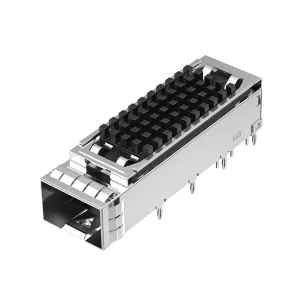
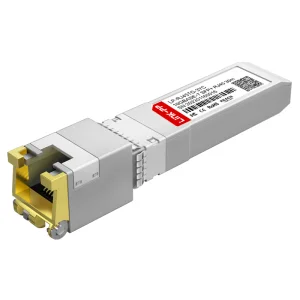
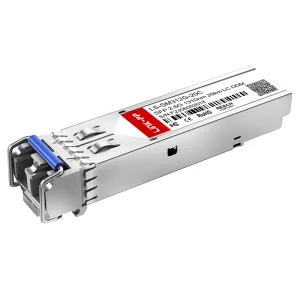
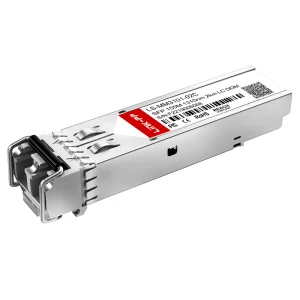
As systems migrate from traditional SFP configurations to active transceivers like 10G Copper RJ45 modules, thermal management becomes critical. Integrating localized, high-conductivity heat sinks directly onto the outer metal body of SFP+ cages maximizes thermal dissipation. This design keeps module junction temperatures well within operating limits, even in dense configurations where natural airflow is obstructed.
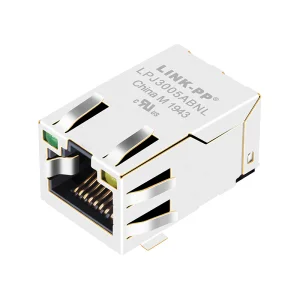
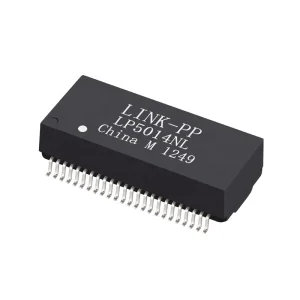
Integrated MagJack connectors isolate electrical noise directly at the physical boundary. By combining magnetic isolation components, common-mode chokes, and status LEDs inside a single shielded metal shell, these devices prevent EMI from reaching the sensitive physical layer (PHY) controller on the printed circuit board. This integration also frees up valuable board space.
Adapting connectivity interfaces to perform reliably under challenging environmental and operational conditions.
Physical connectivity requirements vary significantly across different applications. In industrial automation and processing plants, connectors must withstand continuous physical vibration and extreme temperatures ranging from -40°C to +85°C. For these environments, surface-mount (SMD) and press-fit RJ45 connectors with integrated magnetics are preferred, as they provide robust mechanical anchor points and eliminate the risk of solder fatigue.
In telecom central offices and cloud datacenters, the focus shifts to maximizing port density and cooling efficiency. Here, stacked SFP+ cages and multi-port through-hole assemblies are the standard. The choice of press-fit termination allows for clean, solderless backplane integration. This simplifies design, improves signal path performance, and makes system upgrades much easier.
A structured overview of custom connector engineering, layout prototyping, and mechanical validation phases.
Every enterprise network hardware platform has unique spatial constraints, board layer stack-ups, and thermal profiles. This makes custom OEM/ODM services vital. Our design and manufacturing processes support complex customizations, including custom mounting heights, integrated LED light pipes, mechanical alignments (such as low-profile tab-up or tab-down configurations), and tailored multi-port cage combinations (like 2x6 SFP+ or 1x4 SFP).
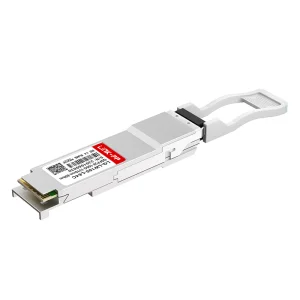
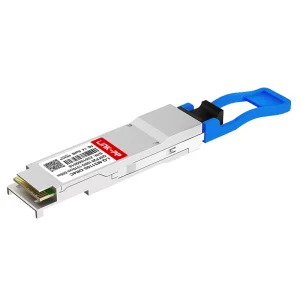
Our technological development roadmap focuses on supporting higher frequencies and data rates while maintaining backward compatibility with standard RJ45 and SFP layouts. As networks transition from 10G/25G to 100G and 400G edge links, our R&D efforts are focused on optimizing cage shielding contacts, minimizing mechanical footprints, and utilizing higher-performance copper alloys to achieve lower electrical resistance.
Answers to common engineering questions about design, testing, and deployment of high-speed connectors.
Press-fit cages feature compliant pins that establish a reliable mechanical and electrical connection through friction alone, eliminating the need for wave soldering. This simplifies assembly, minimizes thermal stress on the PCB, and makes field replacements easier. Through-hole solder pins, on the other hand, provide a more robust mechanical anchor, making them well-suited for high-vibration applications.
EMI shielding uses physical barriers—such as conductive metal gaskets, EMI spring fingers, or multi-point grounding pins—to block high-frequency electromagnetic noise. This structure isolates each transceiver module, preventing electromagnetic interference from leaking into adjacent channels and ensuring signal integrity across high-density setups.
Integrated magnetics (or MagJacks) incorporate isolation transformers and common-mode chokes directly into the connector housing. This design isolates the sensitive PHY chip from high-voltage spikes, filters out common-mode electromagnetic noise, and ensures reliable data transmission over long cable runs in electrically noisy environments.
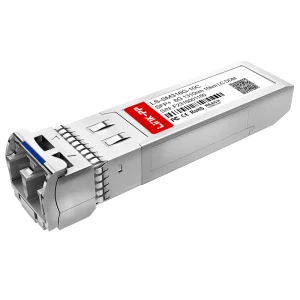
Integrated heat sinks draw heat away from the optical transceiver and dissipate it into the surrounding air. In high-density setups, this additional surface area significantly reduces the operating temperature of the transceiver, helping prevent thermal shutdown and extending the life of the optical components.
Yes. Through our custom OEM/ODM process, we can adjust mechanical dimensions, modify pin assignments, and update transceiver firmware to match the specifications of legacy equipment. This enables seamless integration without requiring a full redesign of the host system.
A look inside our ISO-certified manufacturing facility, automated assembly lines, and high-frequency laboratories.

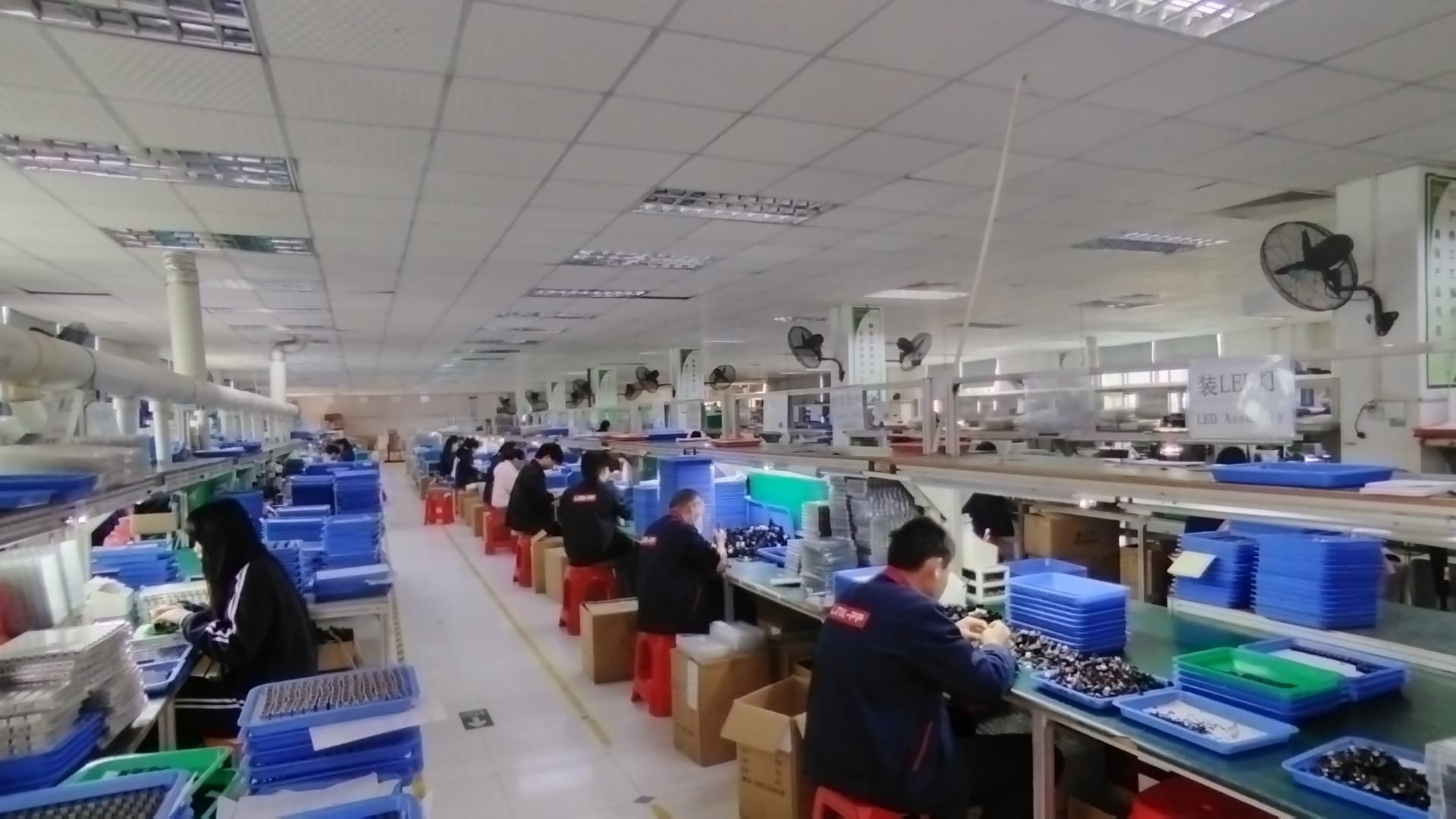
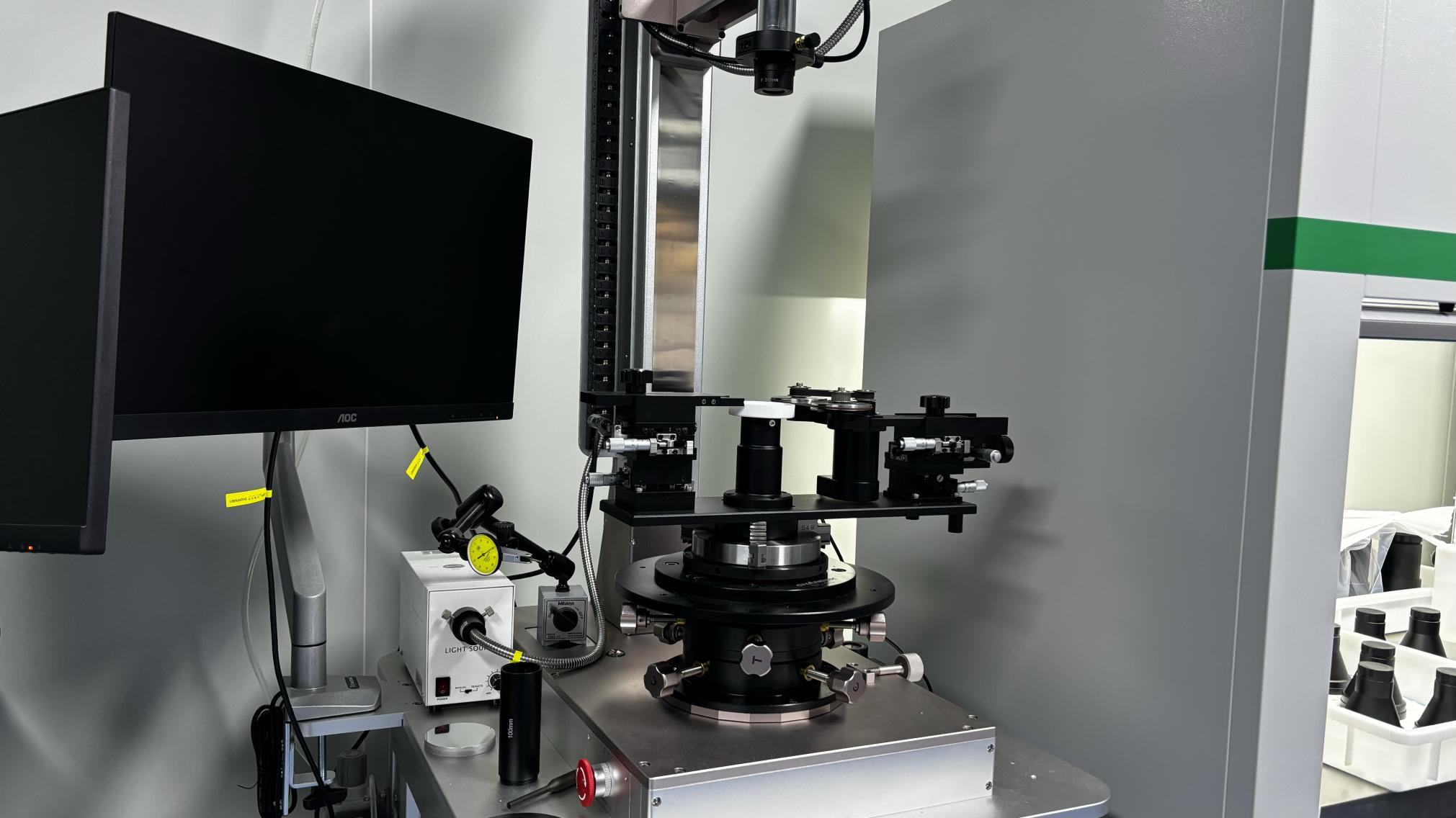
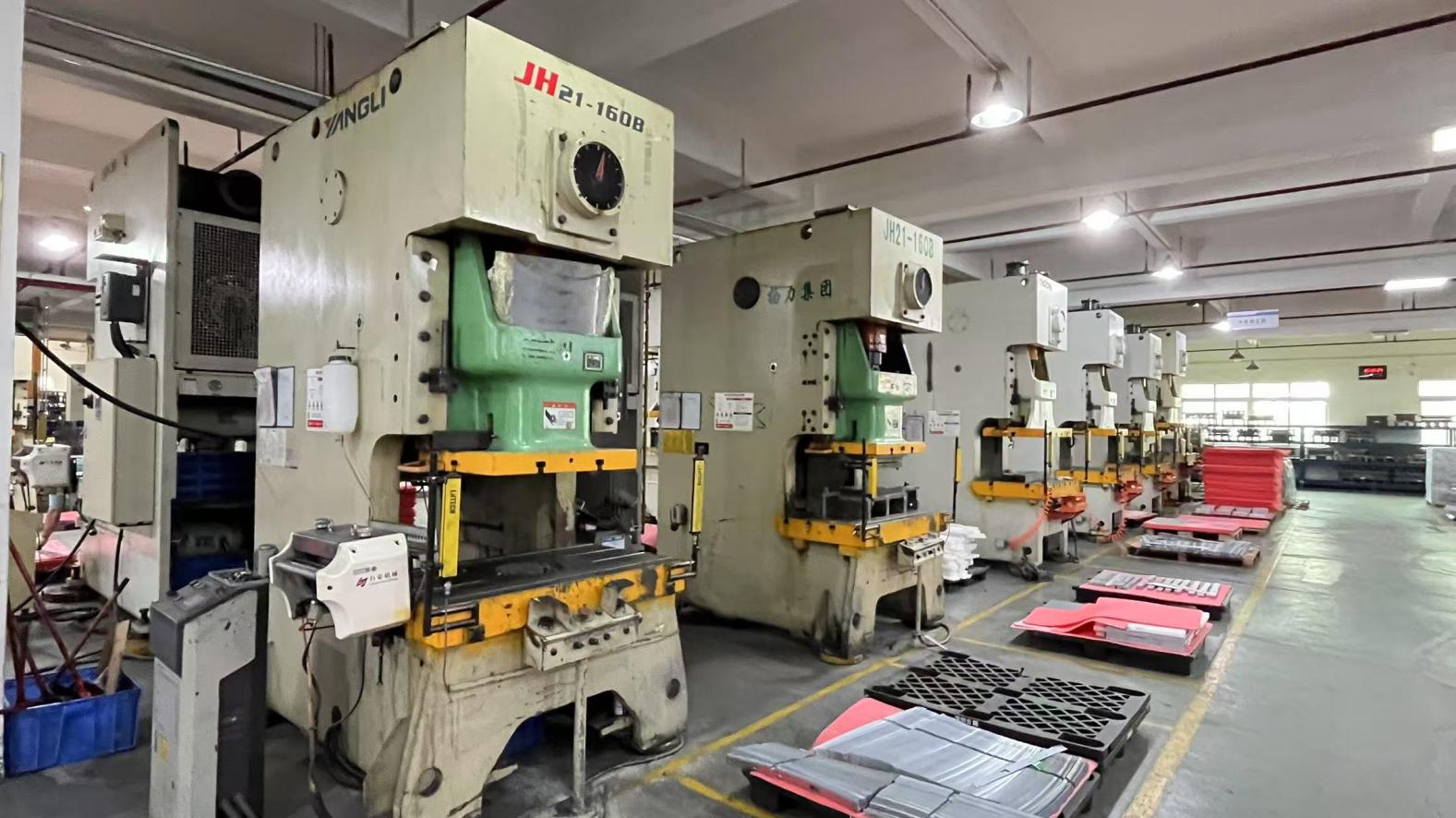
Explore our range of multi-port transformers, optical SFP transceiver units, and rugged metal cages designed to support diverse network topologies.
 Novafiber