Explore our premium industrial-grade networking components, custom modular jacks, SFP enclosures, and high-frequency connectors designed for zero-loss execution.
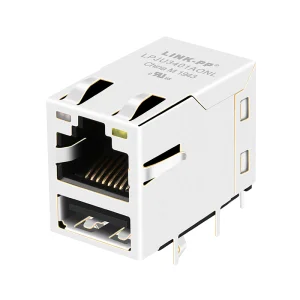
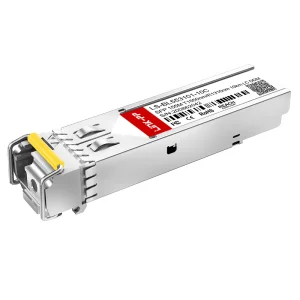
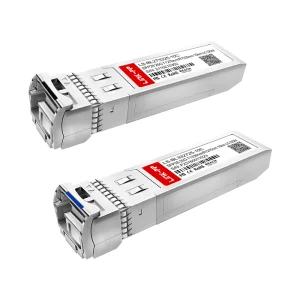
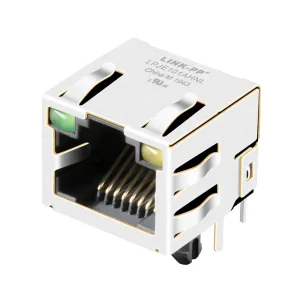
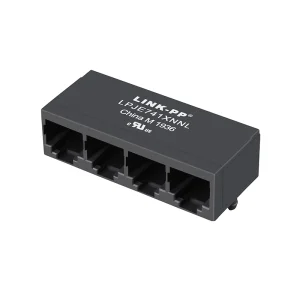
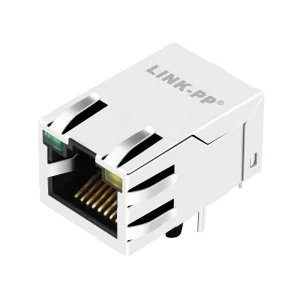
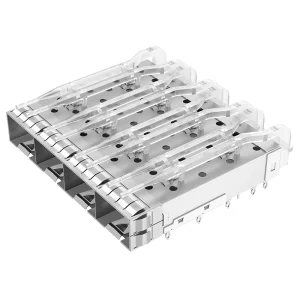
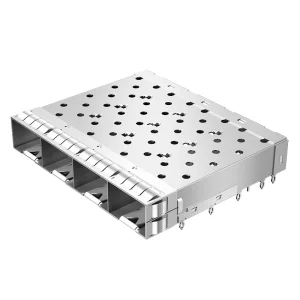
Addressing signal reflections, impedance discontinuities, and electromagnetic challenges within modern network architectures.
Technical Definition: An RJ45 Terminator is an electrical load circuit encased in a standard RJ45 modular plug structure. It contains highly precise resistors (typically 100Ω or 120Ω matching the nominal impedance of the communication medium) wired between transmission line pairs to consume excess signal energy and suppress reflections.
Signal integrity is quantified via return loss metrics ($S_{11}$) and insertion loss ($S_{21}$). An un-terminated RJ45 port presents high return loss parameters, creating signal reflections that diminish the overall Signal-to-Noise Ratio (SNR). Correctly employing a hardware terminator ensures that the return loss remains well within international standards, guaranteeing stable throughput rates for data transmission, particularly in environments prone to mechanical vibration or high industrial hums.
For critical diagnostic setups, loopback RJ45 terminators act as loop diagnostic modules, looping back the Transmit (TX) lines to the Receive (RX) lines. This allows engineers to conduct remote loop testing, check wire map diagnostics, and assess signal levels without dispatching technicians to remote locations.

Assessing the commercial dynamics, geopolitical shifts, and market requirements driving the demand for network termination technologies.
Strict focus on EMI compliance (FCC & CE), environmental safety standards (RoHS/REACH), and high-density computing clusters require gold-plated shielding and fire-retardant materials.
Rapid deployment of smart factories, high-speed rail, and optical-to-the-home infrastructures. Focus is heavily geared towards high mechanical durability and rapid volume supply chains.
Increasing focus on smart city development and robust communication backbones in harsh environmental conditions, requiring waterproof and dust-resistant RJ45 terminators.
A breakdown of the material science, tolerances, and design metrics required to secure high-speed network systems.
| Feature Parameter | Specification Range | Technical Impact & Benefit |
|---|---|---|
| Nominal Resistance Value | 100 Ω / 120 Ω (Customizable) | Precisely matches standard twisted-pair characteristic impedance, eliminating reflection points. |
| Resistance Tolerance | ±0.5% to ±1% (Ultra-precision film resistors) | Maintains signal balance across transmission pairs to prevent differential-to-common mode noise. |
| Contact Gold Plating Thickness | 3u" to 50u" (Gold over Nickel) | Ensures low contact resistance, limits oxidation, and supports up to 1,500 insertion cycles. |
| Shielding Type | FTP / STP (Full Copper Alloy Shell) | Protects internal circuitry from External EMI/RFI and redirects high-frequency noise to system ground. |
| Operating Frequency Support | Up to 2.5 GHz (Optimized for Cat5e through Cat8) | Ensures high-speed data transmission without signal degradation at higher bandwidths. |
| Environmental Rating | Standard IP20 to Industrial IP67 (Waterproof configurations) | Protects contacts against dust, humidity, and chemical contaminants in rugged environments. |
| Flammability Rating | UL94 V-0 (Self-extinguishing polycarbonate housing) | Critical safety parameter for high-density data centers and transit applications. |
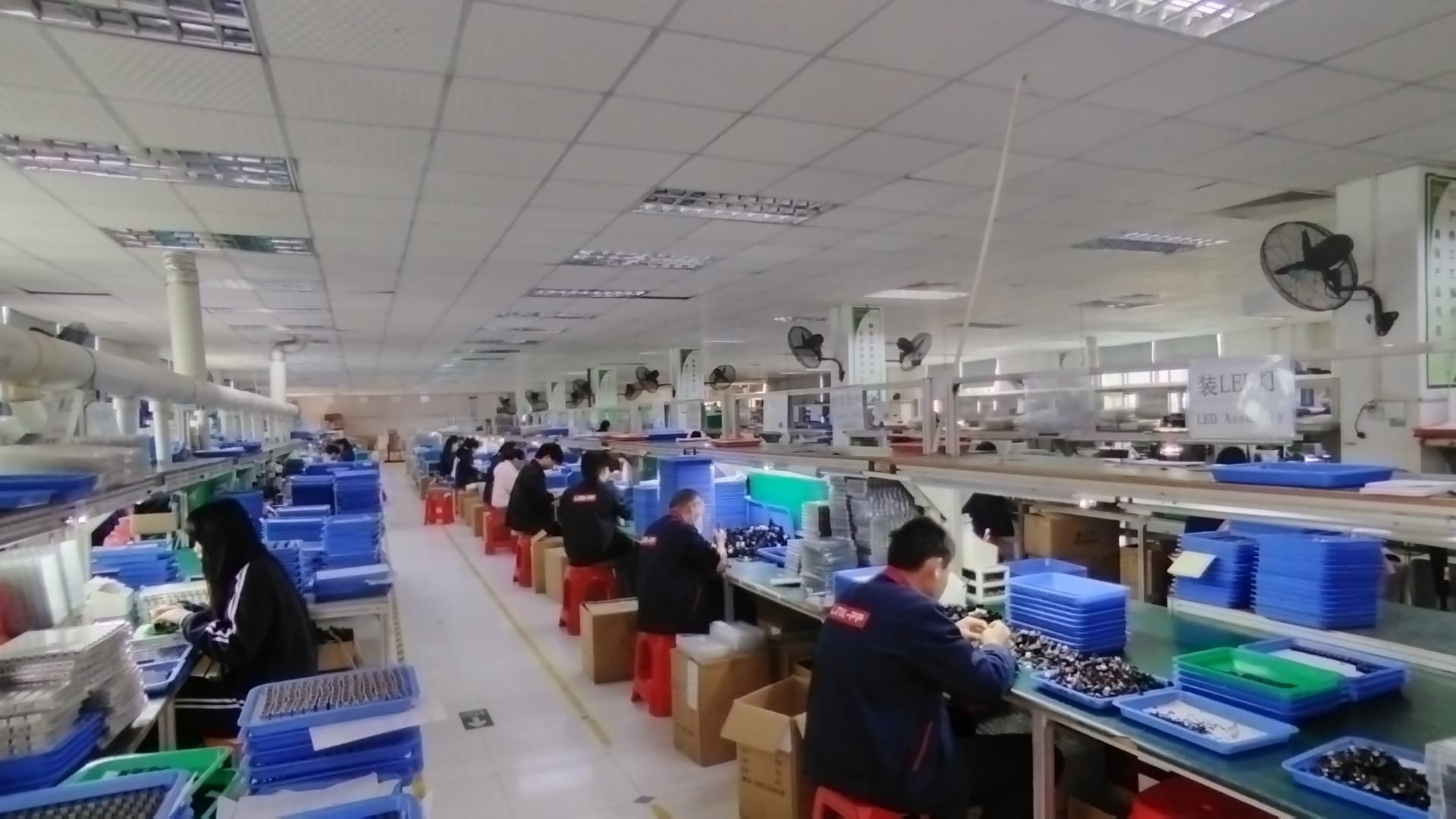
A key factor in selecting an industrial supplier is the long-term reliability of the copper-to-gold interface. Less reliable components utilize thin gold flash coatings that degrade rapidly under mechanical friction or chemical exposure, leading to galvanic corrosion and increased contact resistance.
Our manufacturing processes utilize nickel-underplated phosphor bronze contacts, followed by electrolytic deposition of 50 micro-inches of pure gold on the mating surfaces. This maintains signal transmission performance even when deployed in high-sulfur and high-humidity environments typical of paper mills, chemical refineries, and maritime installations.
How precise termination protects critical network infrastructure across multiple sectors.
EtherCAT, PROFINET, and Modbus TCP demand microsecond response times. Un-terminated ports on robotic arms, variable frequency drives (VFDs), and programmable logic controllers (PLCs) introduce noise that leads to CRC errors and communication failures. Deploying shielded RJ45 terminators on all unused diagnostic ports filters out electromagnetic noise, ensuring reliable operation.
In environments routing 25G/100G signals, open switch interfaces can degrade system performance. Placing physical terminators across inactive connections prevents dust accumulation, acts as a primary ESD barrier, and maintains the designed airflow dynamics by sealing open slots.
Rolling stock and marine vessels require network cabling that is highly resistant to shock, vibration, and salt-fog environments. Using ruggedized, locking RJ45 terminators secures system connections, preventing moisture from entering the RJ45 pins and ensuring continuous data flow.
Substations operating under high magnetic field stresses demand shielded, grounded connections. Applying metal-shielded loopbacks and terminators to protection relays and distribution controllers isolates sensitive components, protecting them from electromagnetic pulses (EMP) and static build-up.
As data transmission speeds increase, signal processing must evolve accordingly. Traditional Cat5e and Cat6 lines are rapidly being replaced by Cat8 architectures, which operate at frequencies of up to 2 GHz. This higher frequency range demands closer tolerance matching to prevent signal reflections.
Future termination technologies will require integration with active monitoring components, evolving into smart terminations. These components will actively report port-level impedance changes and temperature variances, enabling network administrators to monitor physical-layer stability in real time.

Delivering certified optical-copper systems with industry-leading quality assurance, engineering capacity, and reliable global logistics.
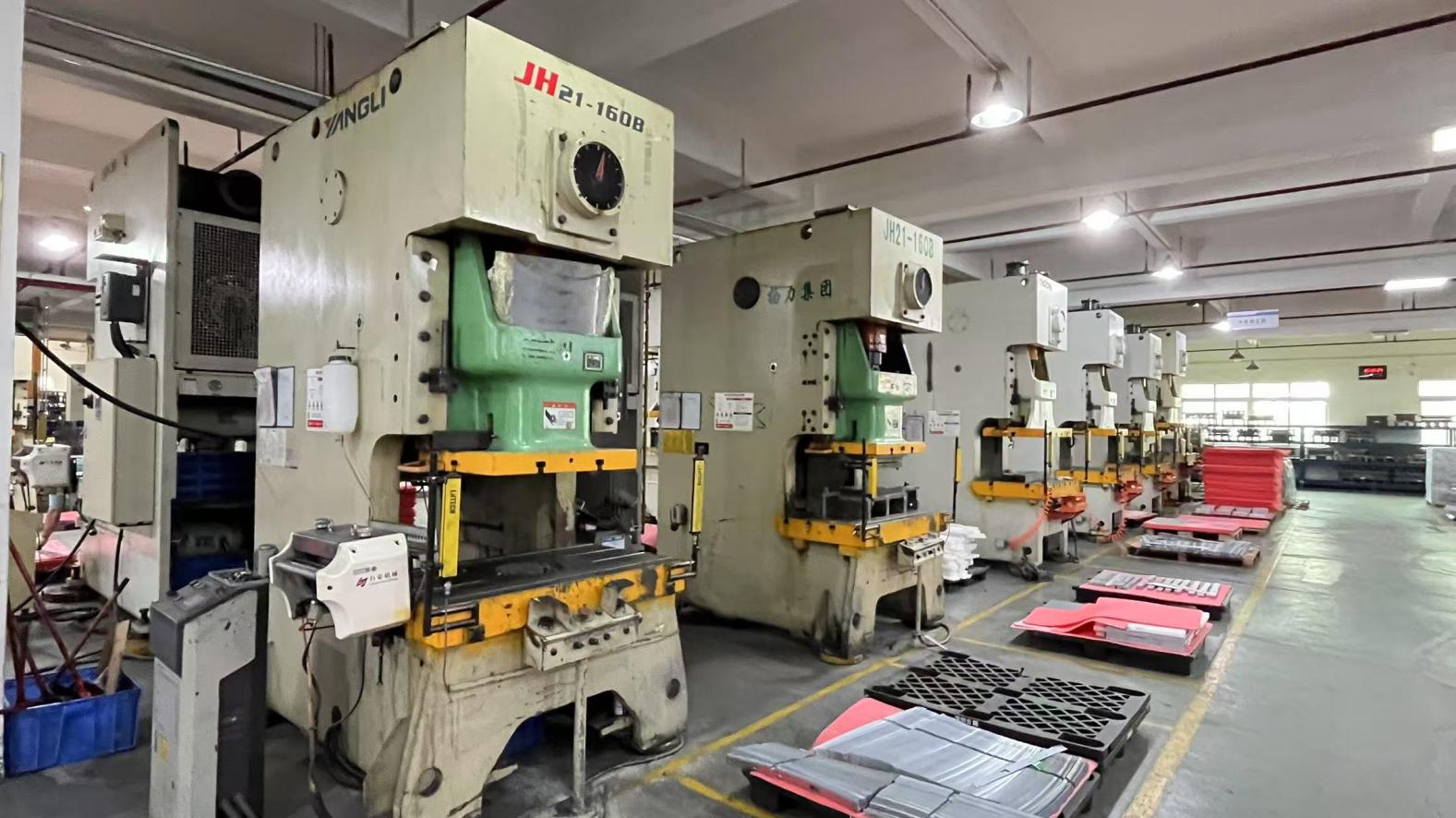
At Novafiber, quality is our primary objective. Our quality control system is structured to ensure that all shipped components meet international telecommunication standards:
Technical guidance and installation best practices for network termination hardware.
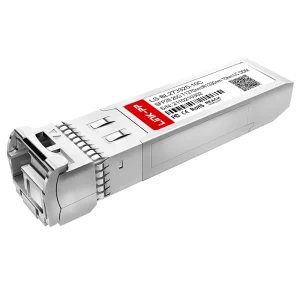
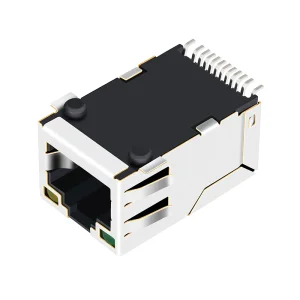
Explore our high-speed optical transceivers, PCB modular connections, and customized networking components built to optimize data transmission pathways.
 Novafiber