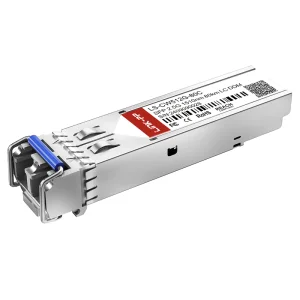
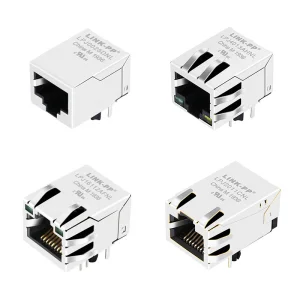
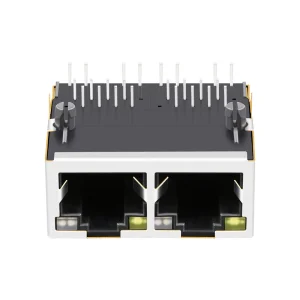
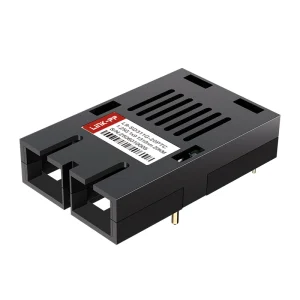
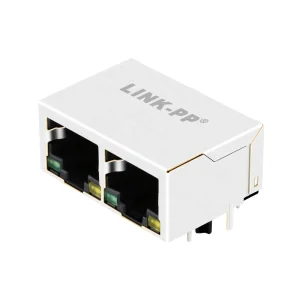
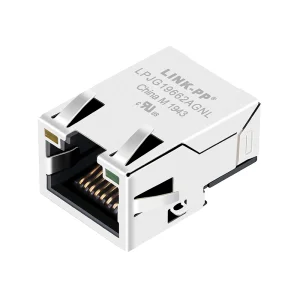
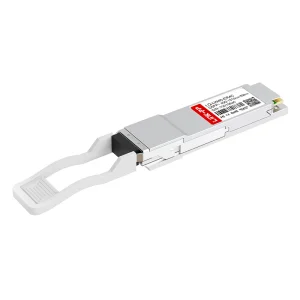
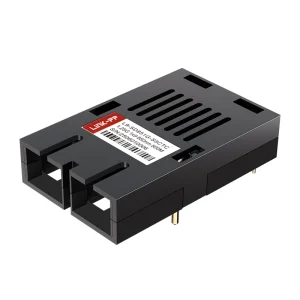
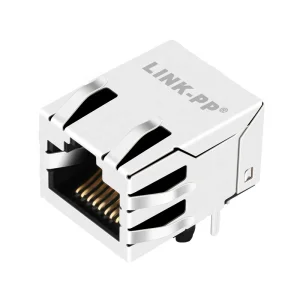
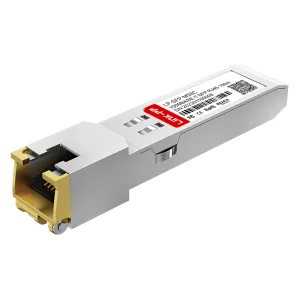
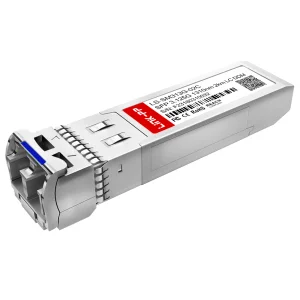
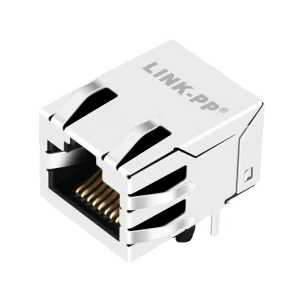
Discover high-performance SFP transceivers, POE custom connectors, and standard RJ45 modular jacks built for mission-critical reliability.
In the rapidly changing landscape of global telecommunications and enterprise networking, physical layer validation has moved from a basic installation checklist item to an absolute mission-critical requirement. Copper-based Ethernet connection systems, primarily relying on the ubiquitous RJ45 standard (registered jack 45), continue to sustain the edge of data networks, industrial IoT configurations, and Power over Ethernet (PoE) deployment landscapes. However, as link speeds push the limits of Cat6a, Cat7, and Cat8 classifications to support data rates up to 40 Gbps, physical tolerances diminish exponentially. Any minor impedance mismatch, structural return loss, or shield discontinuity can lead to catastrophic packet loss, latency spikes, or hardware damage.
This is where high-precision RJ45 connector testers become indispensable tools. These testers are engineered to diagnose wiring faults, split pairs, open circuits, short circuits, cross-talk anomalies, and shield integrity failures. For B2B procurement managers and network system integrators, understanding the engineering processes of the factory floor where these tools and their parent components are built is critical. The efficiency of your infrastructure relies heavily on selecting partners who adhere strictly to verified physical-layer performance validation metrics.
Verified manufacturing and export capacities showcasing industrial-scale validation frameworks.
As a distinguished manufacturer specializing in high-performance networking solutions for data centers and carriers, Novafiber Communications Co., Ltd. (established in 2016) has built a solid reputation in the global optical and copper communication market. Spanning a specialized engineering facility of 420㎡ with a high focus on testing protocols, Novafiber blends extensive R&D experience with strict Quality Assurance frameworks. We support telecom operators, cloud providers, and system integrators with customized OEM/ODM adaptations, ensuring all components comply with international standards.
Modern RJ45 interfaces are no longer simple electrical connectors; they contain built-in magnetics, LED diagnostics, and PoE compatibility. Designing and testing these systems requires advanced engineering validation to prevent electromagnetic interference (EMI) and signal degradation.
Through a rigorous supply chain ecosystem comprising more than 1,200 partners, we optimize direct material sourcing, tool-die engineering, precision injection molding, and assembly line calibration to buffer against global logistics disruptions.
Every batch of network component interface solutions is subjected to strict qualification checks: IPC standards, 100% functional validation, Automated Optical Testing, environmental stress screening (ESS), and high-temperature aging cycles.
Procuring managers from North America, Europe, and Asia-Pacific navigate complex sourcing requirements when selecting RJ45 connector and validation hardware factories. The priority is clear: finding an optimal balance between unit economics and technical precision. The primary considerations include:
The Chinese manufacturing ecosystem has evolved from high-volume assembly lines to high-tech, automated Smart Factories (Industry 4.0). Factories in China's technology hubs leverage this ecosystem to deliver significant advantages to global buyers:
First, the localized vertical integration of supply networks is highly efficient. In places like Shenzhen, Dongguan, and Suzhou, raw material refiners, copper plating facilities, automated pin insert lines, and optical packaging suppliers operate in close proximity. This geographic clustering enables companies like Novafiber to run highly integrated supply chains, shortening prototyping cycles and keeping lead times predictable, even during global shipping challenges.
Second, automation in testing is a core focus. Modern Chinese factories use automated optical inspection (AOI) lines, CCD pin-alignment scanners, and robotic test stations. Handheld RJ45 testers and connectors are checked using automated testing equipment (ATE). ATE systems verify electrical continuity, dielectric strength, and contact resistance in milliseconds, eliminating human error from the quality assurance loop.
Third, rapid engineering iteration is a major advantage. With access to over 180 R&D engineers, local manufacturers can prototype, debug, tune firmware, and mass-produce customized network components or test instruments quickly. Last year, Novafiber introduced 320 new custom products to help global buyers meet changing tech specs, demonstrating the agility of China's technical manufacturing.
A visual walkthrough of our high-standard testing facilities, cleanrooms, and automated assembly operations.

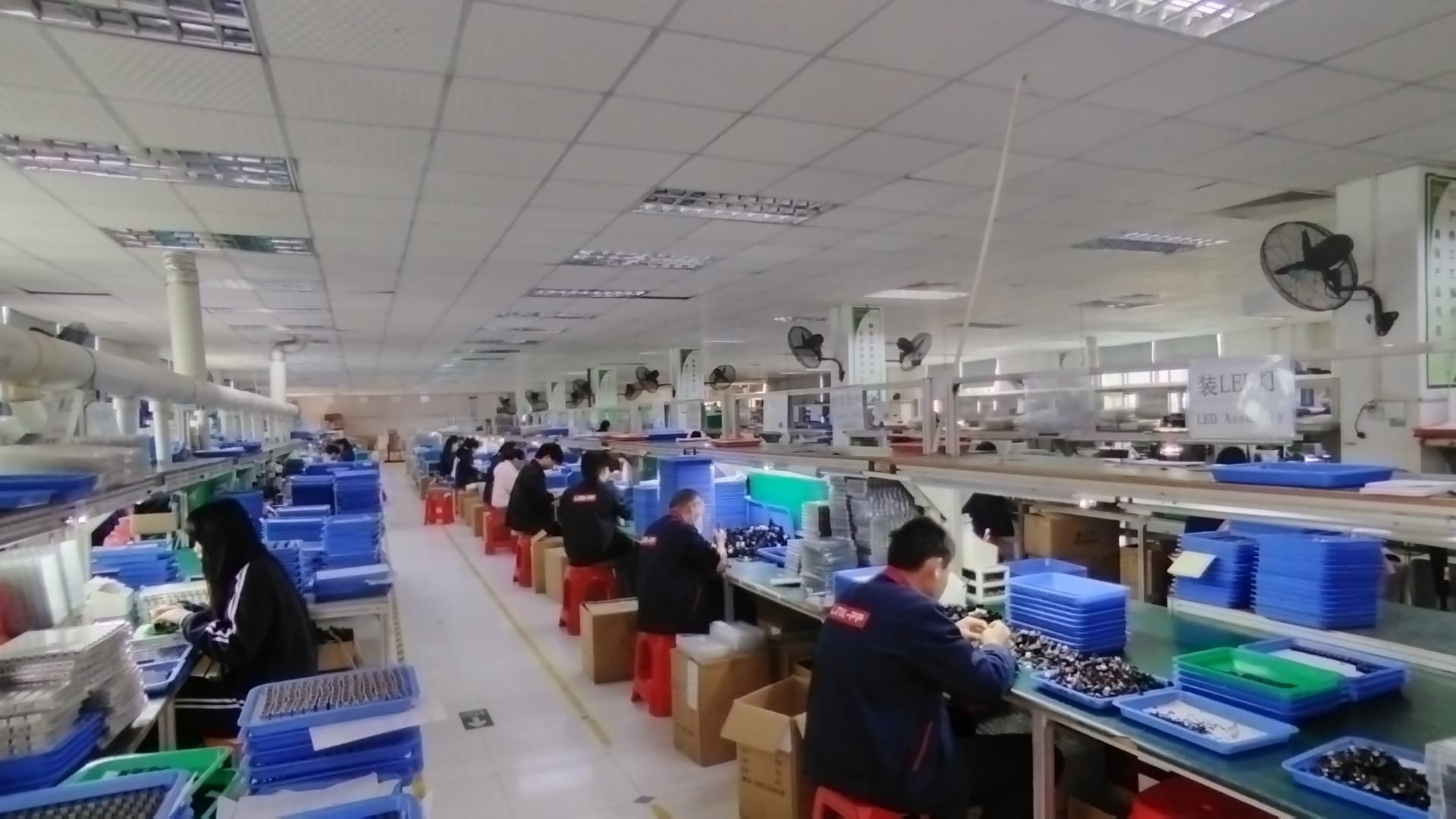
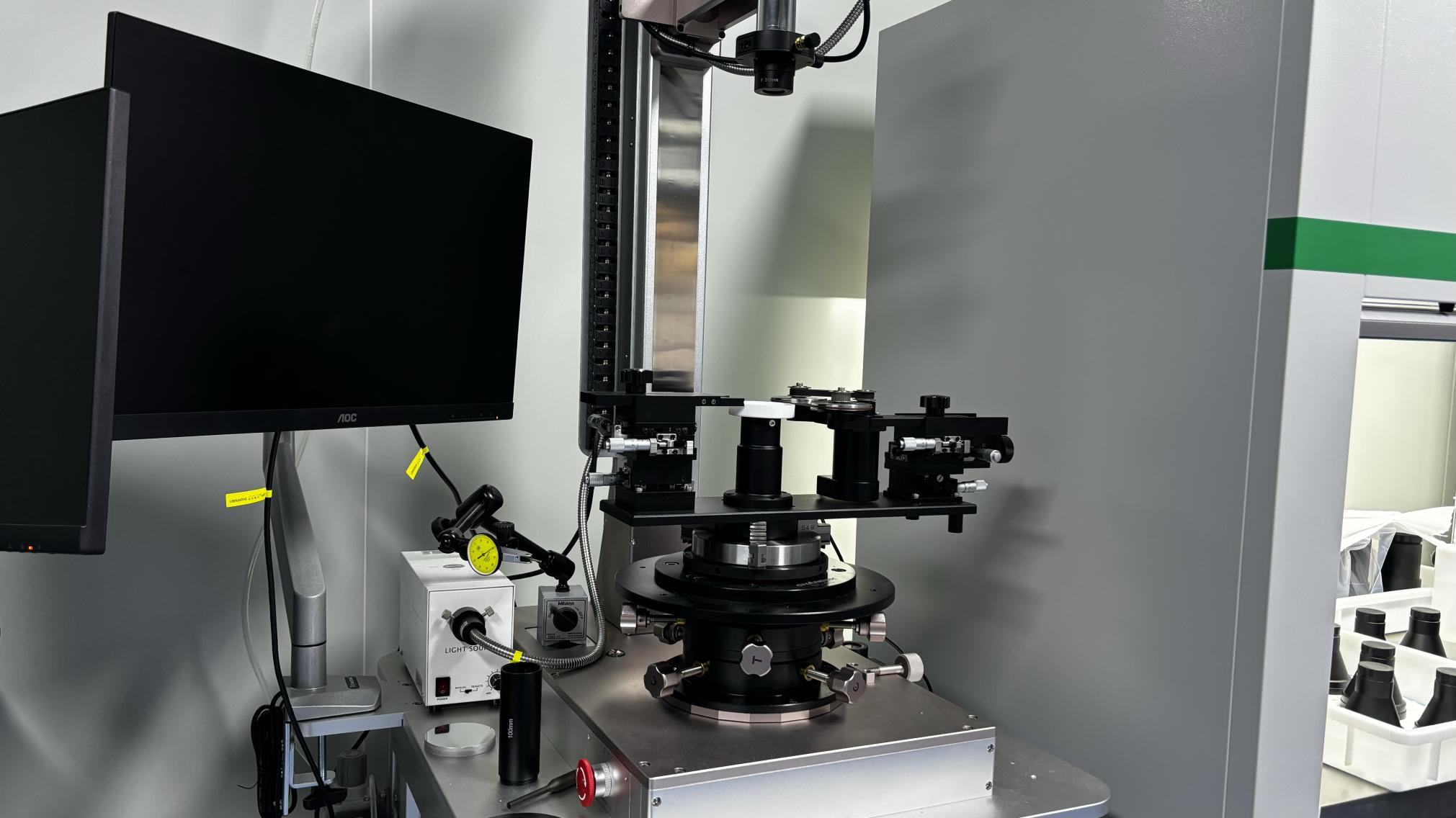
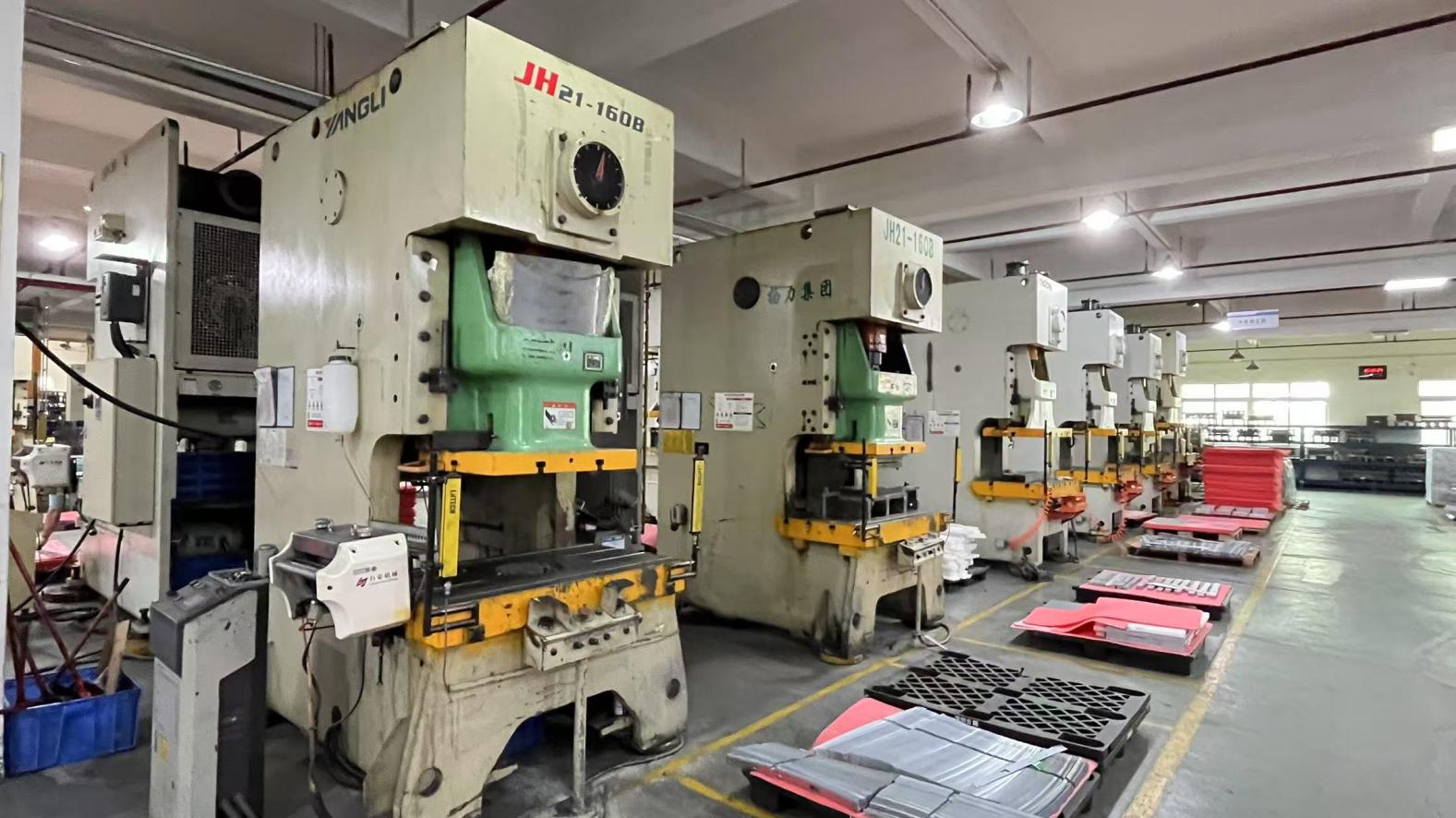
High-performance network interfaces and advanced validation tools are used across many diverse industries:
In environments run by large cloud providers and enterprise organizations, optical fibers carry backbone traffic while copper connections handle out-of-band management and server-rack patching. Technicians use RJ45 testers to quickly verify connections, confirm shielding integrity, and trace links across dense, complex network setups.
At telecom edge stations, equipment is exposed to temperature swings, humidity, and vibrations. Using high-grade SFP transceivers and Cat 6a RJ45 interfaces verified by strict environmental stress screening (ESS) ensures clear signal transmission and minimizes maintenance dispatches.
On modern factory floors, heavy machinery creates strong electromagnetic interference (EMI). Under these conditions, standard connectors can fail. Industrial-grade shielded RJ45 plugs (with POE capabilities) must be validated with advanced testers to ensure shielding performs correctly and prevents signal noise.
Expert technical answers addressing common challenges in RJ45 network design, procurement, and testing standards.
High-speed optical transceivers, rugged RJ45 connectors, and customized network interfaces designed for global telecom networks.
 Novafiber