Highly integrated optical solutions designed for the heavy industrial automation, telecommunications, and utility grids of Greater Sydney and NSW regions.
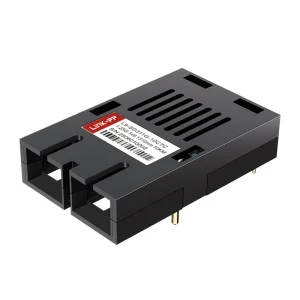
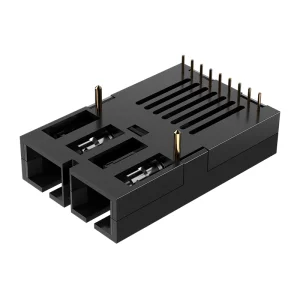
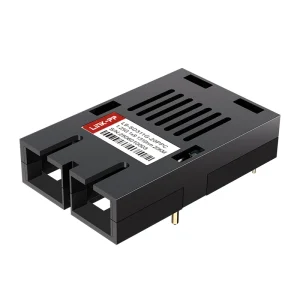
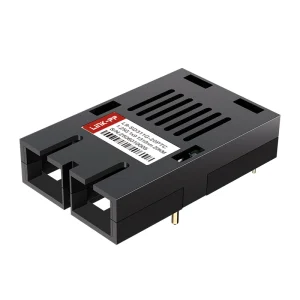
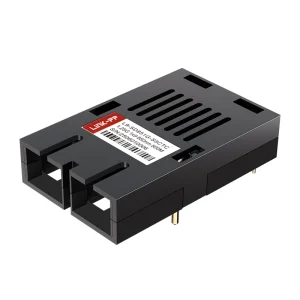
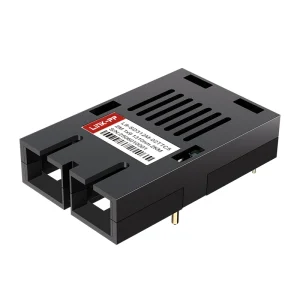
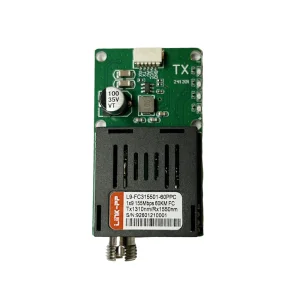
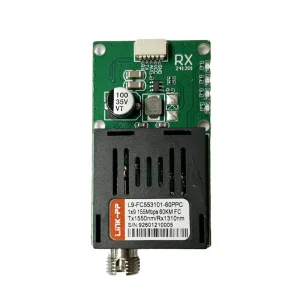
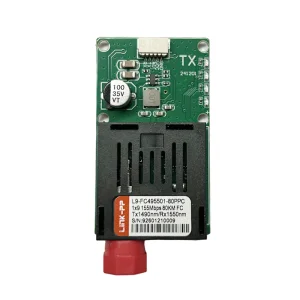
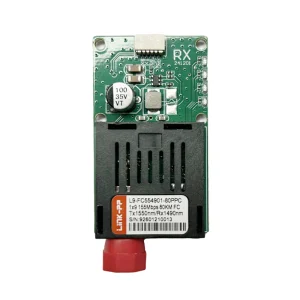
In an era dominated by hot-pluggable modules like SFP, SFP+, and QSFP, the legacy 1x9 optical transceiver footprint remains an irreplaceable cornerstone of industrial-grade networking. Characterized by its single row of 9 pins soldered directly onto the host system's printed circuit board (PCB), the 1x9 transceiver configuration provides unparalleled mechanical stability and electrical reliability. For telecommunication networks, smart utility grids, and transport infrastructures operating in highly dynamic or harsh physical environments, the physical integration of 1x9 transceivers mitigates the risks associated with vibration, dust, and continuous thermal cycling.
As Sydney pivots to advanced digital infrastructure—accelerated by major state projects like Sydney Metro, intelligent road networks, and regional water automation projects—the demand for robust, reliable, and compliant 1x9 optical modules continues to rise. System integrators and utility engineers face the challenge of sourcing high-performance 1x9 transceivers that comply with local Australian standards while delivering the throughput and durability required for twenty-year lifecycles.
Sydney's metropolitan area acts as the primary logical gateway for Australia's digital and industrial economy. Infrastructure systems ranging from the complex transit control networks managed by Sydney Trains to the safety systems running under the M4-M8 East Link tunnels require continuous monitoring and high-speed telemetry. In these critical environments, optical transceivers are exposed to extreme environmental challenges. Vibration from heavy rail traffic, dust within subterranean tunnels, and high ambient temperatures in unconditioned roadside cabinets can easily cause loose connections in standard spring-clip SFP cages.
By implementing high-reliability 1x9 transceiver modules, local engineering operators prevent connector drift and contact corrosion. System architects in New South Wales' water treatment facilities, coastal shipping hubs like Port Botany, and distribution substations utilize 1x9 technology to link industrial PLC (Programmable Logic Controller) systems and RTUs (Remote Terminal Units) across long-range single-mode fiber (SMF) links, maintaining absolute uptime for regional communities.
Direct wave-soldering or selective hand-soldering of the 9-pin block ensures zero contact degradation over time, even under constant low-frequency mechanical vibration.
Direct thermal path from the metal-cased transceiver shell to the PCB ground planes optimizes temperature control inside non-ventilated industrial enclosures.
Integrates directly with microprocessors and legacy TTL logic converters without complex I2C coding layer initialization routines.
Engineered for electrical substation environment compliance, ensuring error-free data packet routing in high EMI fields adjacent to heavy transformers.
Understanding the physical layer of the 1x9 transceiver is vital for maintenance and system design. Typically built with standard SIP (Single In-line Package) architectures, the 9 pins serve distinct functions:
By managing optical budgets ranging from 11dB for short-range multi-mode fiber (MMF) up to more than 32dB for ultra-long haul single-mode fiber (SMF) configurations (transmitting over distances up to 80km or 100km), system engineers can bridge remote sensor stations with central control units without introducing active repeaters.
Global Industry Experience
Annual Export Value
Professional R&D Engineers
Supply Chain Partners
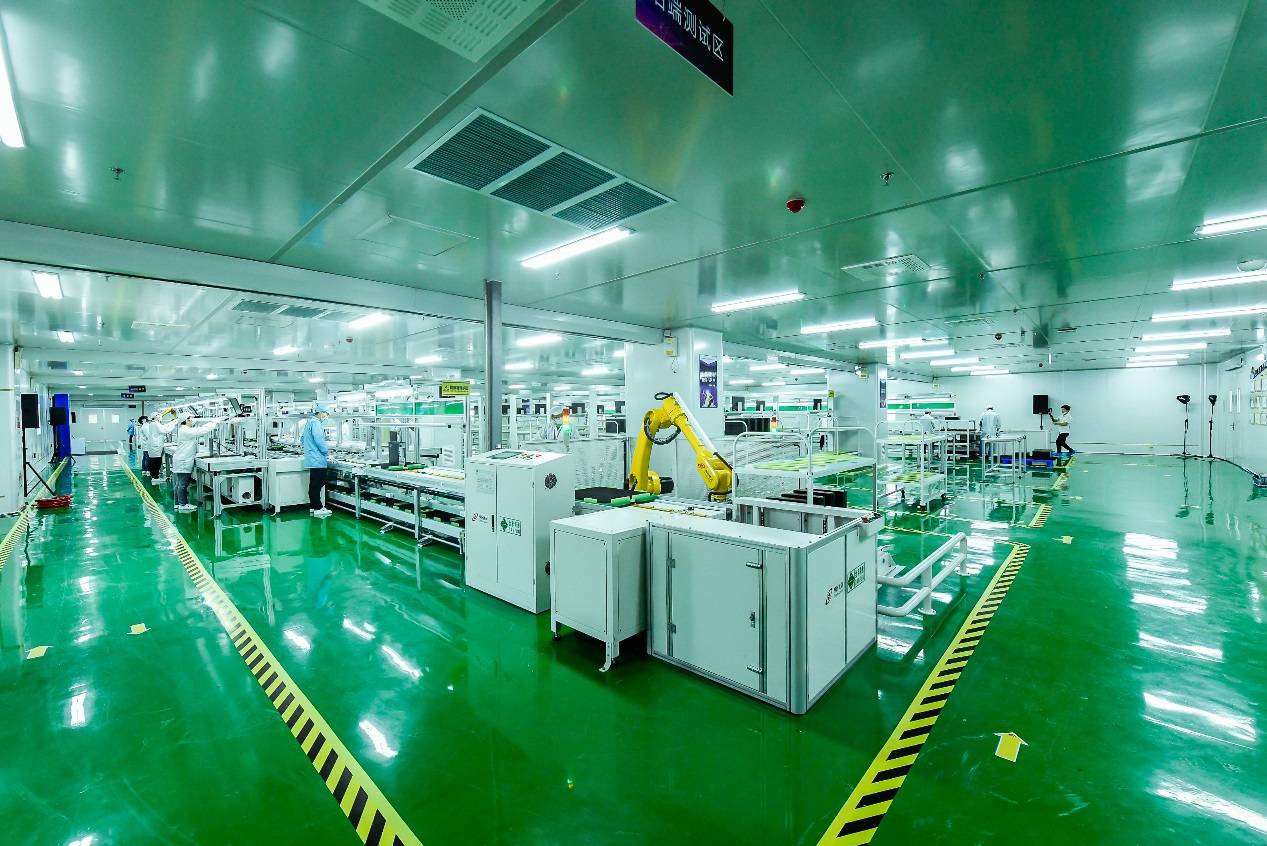
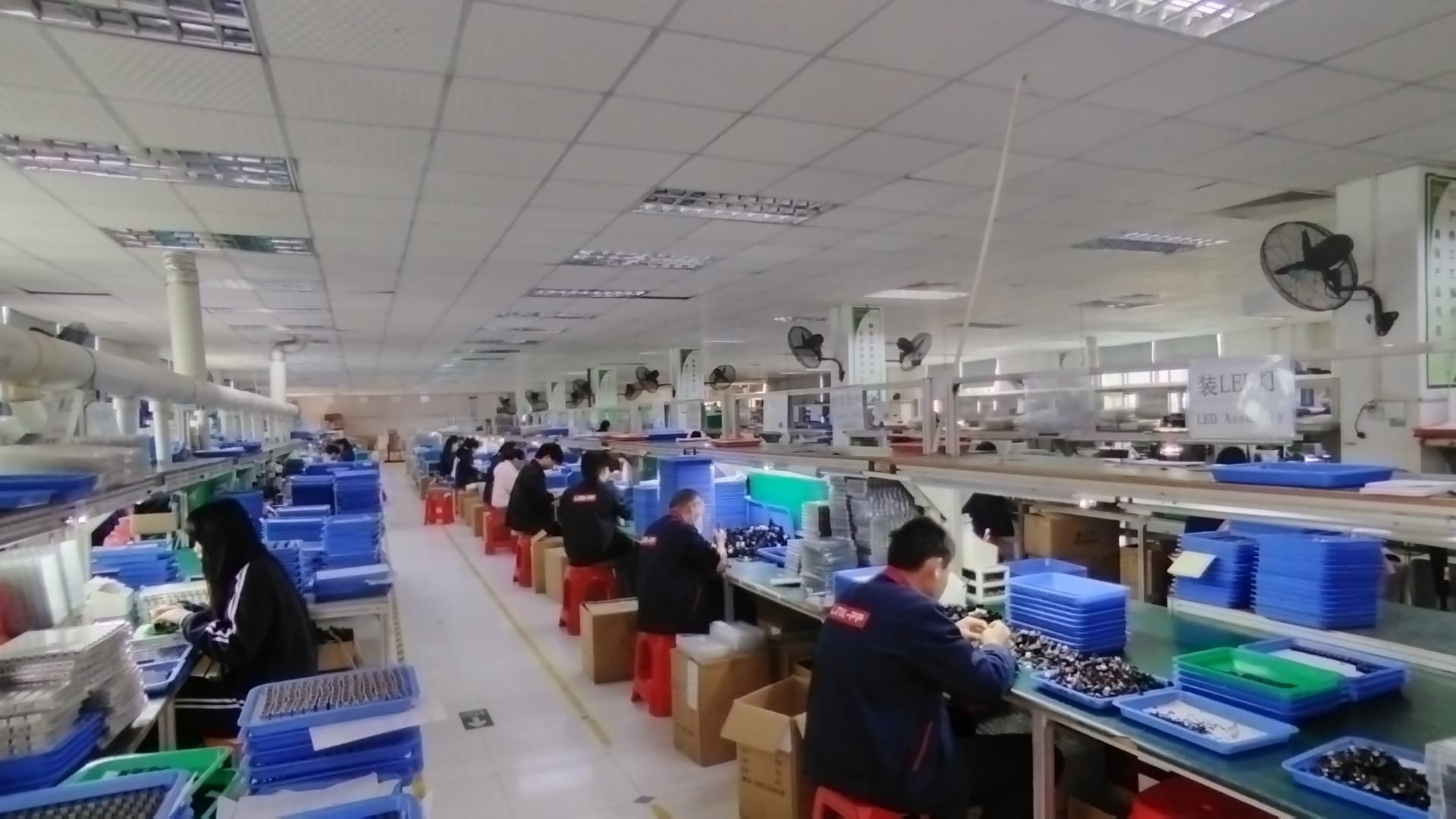
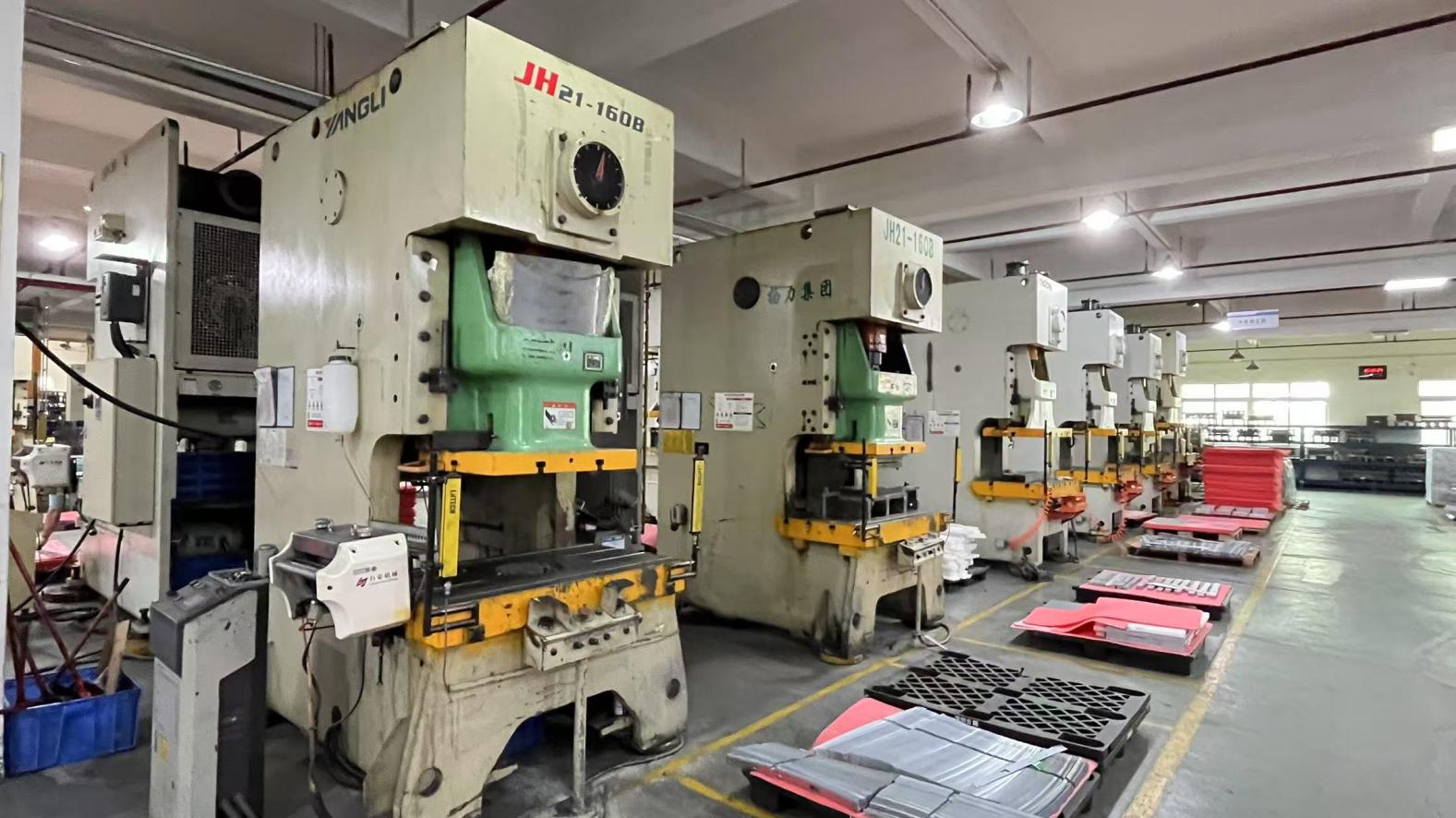
Founded in 2016, Novafiber Communications Co., Ltd. has established itself as an industry-leading manufacturer of high-reliability optical communication solutions. Operating out of a state-of-the-art facility optimized for specialized, low-volume high-mix as well as volume-scaled production runs, the company houses advanced production equipment and class-100,000 cleanroom spaces.
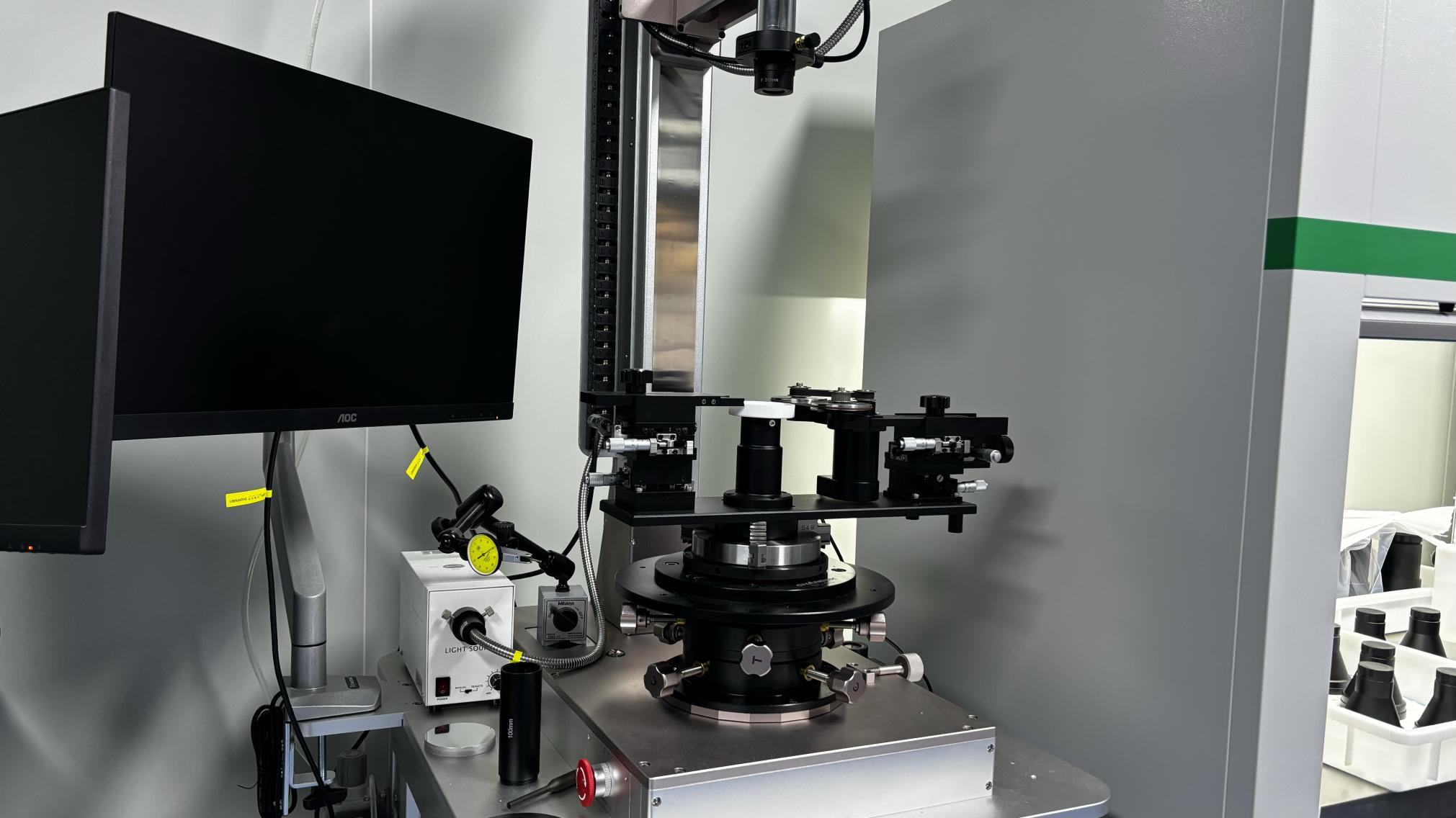
With more than 9 years of industry experience and over 7 years of direct export experience to competitive markets in North America, Europe, Southeast Asia, and the Middle East, Novafiber's commitment to quality control is unmatched. Our quality assurance architecture employs 65 dedicated quality inspection professionals who implement rigorous IPC standards, automated optical inspection (AOI), and Environmental Stress Screening (ESS) to guarantee component longevity. Every single unit undergoes 100% functional validation, burn-in testing, and high-temperature aging chambers before dispatch.
Our engineering-driven R&D core features 180 experienced engineers. Innovation is central to our mission: in the past year alone, Novafiber released 320 new product variations, ranging from classic 1x9 transceivers and interface converters to state-of-the-art 400G and 800G optical modules. Our versatile supply chain network, comprised of over 1,200 approved suppliers, ensures component trace-ability and consistent material availability, avoiding global lead-time fluctuations for our Sydney and broader Australian clientele.
Deploy robust interconnect products across your critical infrastructure nodes with certified, high-reliability products.
In complex systems, legacy architectures require custom integrations. Novafiber works with network administrators in Sydney to design unified reference architectures for electrical substations following IEC 61850 compliance standards. By utilizing 1x9 optical interfaces, utilities can convert legacy copper serial interfaces (RS-232, RS-485) into noise-immune optical signals. This design ensures that high-voltage electrical fields generated during circuit switching do not affect critical system control metrics.
Furthermore, in metro networks, integrating 1x9 transceivers with modern Single Mode BiDi (Bidirectional) optical engines enables traffic engineers to double their data throughput capacity on existing single-fiber routes. This solution eliminates the need to lay new fiber cables through congested urban environments.
As network infrastructures evolve toward 10G speeds, maintaining the 1x9 physical footprint presents a unique design challenge. Systems utilizing legacy motherboard layouts rely on the continuous supply of replacement components. Novafiber addresses this challenge by engineering modern, high-stability internal optical engines designed to drop directly into standard legacy 1x9 pin designs. This backward-compatible approach enables facility managers to update physical transceivers without incurring the high costs of complete board redesigns.
Procuring optical transceivers for Australian infrastructure requires strict compliance with local regulatory frameworks. All Novafiber optical modules destined for Sydney are designed to comply with Australian Communications and Media Authority (ACMA) EMC regulations. By ensuring compliance and carrying key certifications, we help system integrators accelerate system approvals.
Through our logistics networks, we offer flexible fulfillment models for our Sydney industrial partners, including safety stock buffering, technical support, and comprehensive diagnostic validation.
Detailed technical answers to common queries regarding 1x9 optical transceiver design, integration, and procurement.
 Novafiber