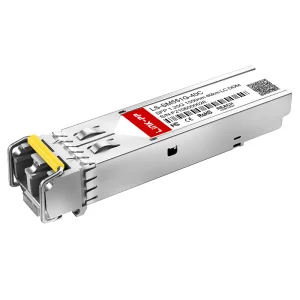
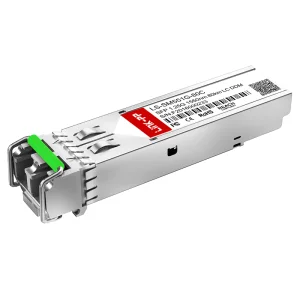
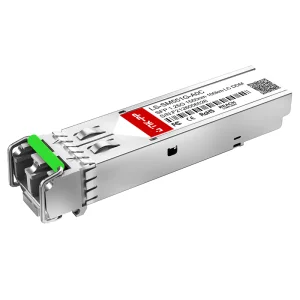
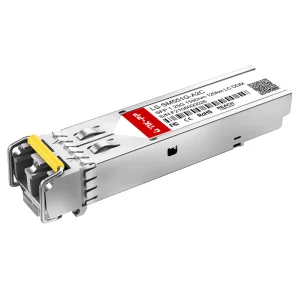
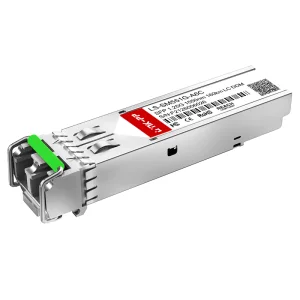
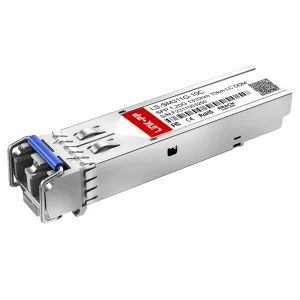
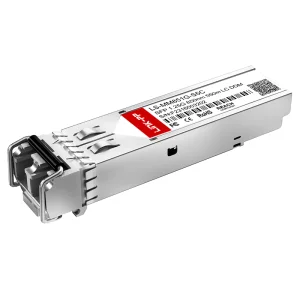
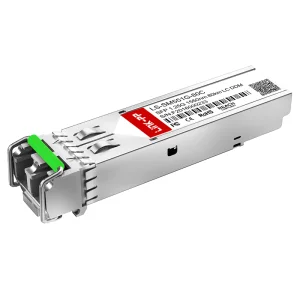
Engineered for high compatibility and extreme thermal reliability, these modules represent our flagship line for Nagoya's smart production floors and municipal fiber links.
Nagoya, the capital of Aichi Prefecture, stands as the beating heart of Japan's manufacturing powerhouse (the Chubu region). Famously known for automotive engineering, aerospace fabrication, and machine tools, the local economy relies heavily on rapid, zero-fault data exchange. As Nagoya moves rapidly toward the implementation of Society 5.0 and Industrial IoT (IIoT), standard optical networks must bridge legacy industrial machinery with cloud-based analytics engines.
Our 1.25G SFP transceivers are uniquely positioned to serve Nagoya's specific networking demands. Industrial Ethernet standards like Profinet, EtherCAT, and Ethernet/IP require highly reliable media conversion from copper to fiber optic cabling. By implementing our SFP modules, Nagoya's smart factories can suppress electromagnetic interference (EMI) generated by heavy assembly lines and high-voltage welding robots, ensuring consistent, low-latency transmission.
"In the automotive plants of Toyoda, Okazaki, and Kariya, a millisecond drop in optical connection can stall an entire assembly line. Reliability is not a preference; it is a strict manufacturing law."
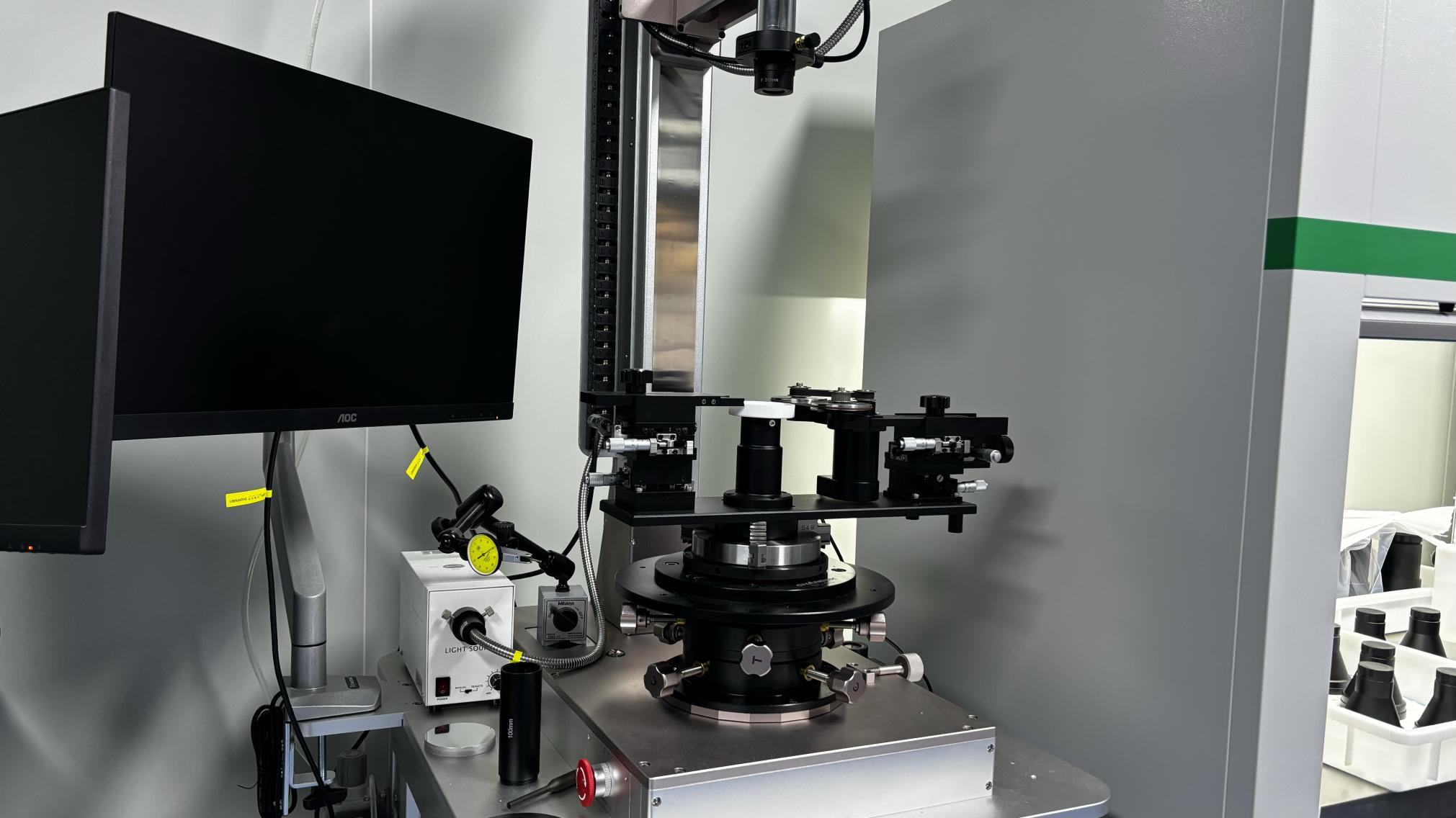
From heavy ports to high-tech campuses, our 1.25G SFP transceivers are actively powering critical networks across Aichi Prefecture.
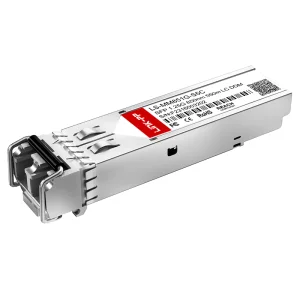
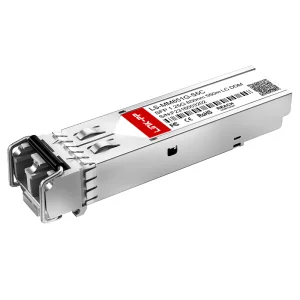
Connecting programmable logic controllers (PLCs) and robotic arms on the factory floor to centralized edge servers. Our 850nm Multi-mode modules are ideal for high-speed local data runs of up to 550m with zero electromagnetic susceptibility.
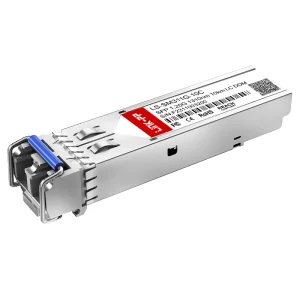
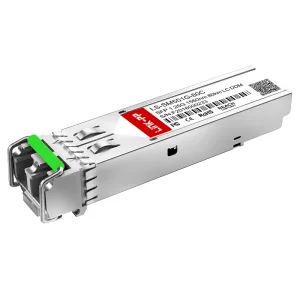
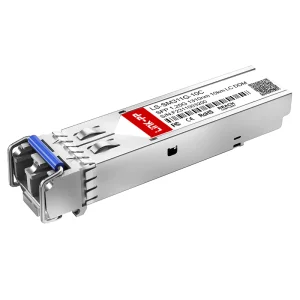
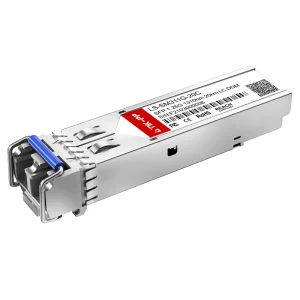
Handling massive shipping logistics demands long-distance, outdoor-rated fiber connections. Our 10km and 20km Single-mode 1.25G SFP transceivers link remote automated gantry cranes and container tracking cameras to the central port control station.
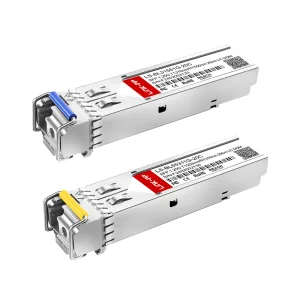
Nagoya Municipal Subway and regional railway systems utilize Bidirectional (BiDi) SFP transceivers to transmit real-time video surveillance and control signals using half the physical fiber, optimizing optical infrastructure costs.
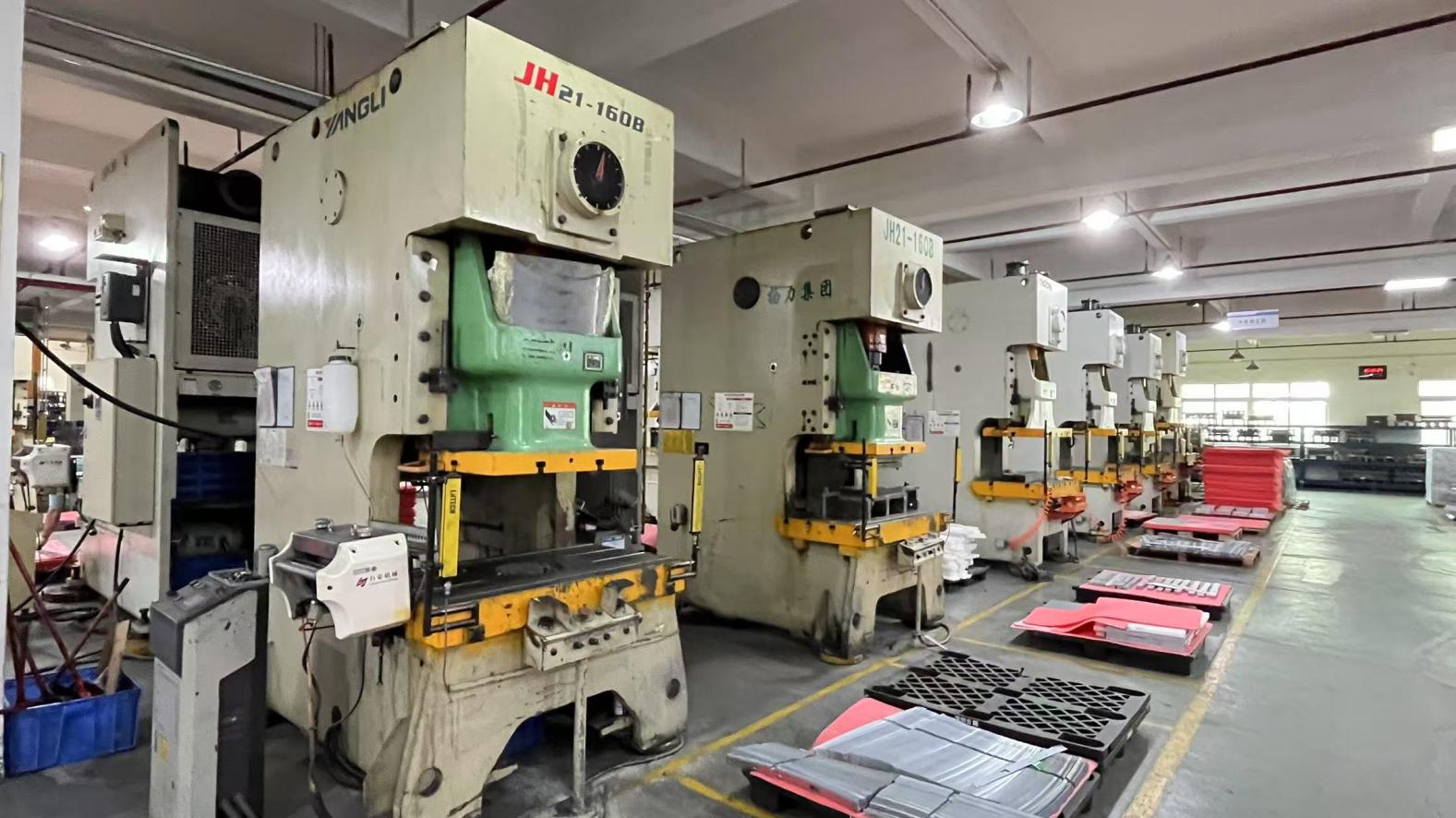
While the global telecom backbone is transitioning rapidly toward 100G, 400G, and even 800G coherent optics, the 1.25G SFP module remains the absolute bedrock of edge networking, enterprise LANs, and industrial controls. The reasons are clear: outstanding cost efficiency, low power consumption, and mature, rock-solid hardware reliability.
In Nagoya's industrial landscape, systems integrators are not trying to push maximum bandwidth to every sensor; they require predictable, low-latency, and highly secure physical layers. Our roadmap ensures complete compatibility with both legacy 1000BASE standards and modern multi-rate SFP+ ports (supporting auto-negotiated fallback modes).
A rigorous technical overview for network planners and procurement managers across Aichi's industrial sectors.
| Standard Type | Wavelength (nm) | Fiber Type | Max Transmission Distance | Connector Type | Optimal Nagoya Scenario |
|---|---|---|---|---|---|
| 1000BASE-SX | 850nm | MMF (OM2/OM3) | 550m | Dual LC | Intra-facility industrial automation, robotics cells |
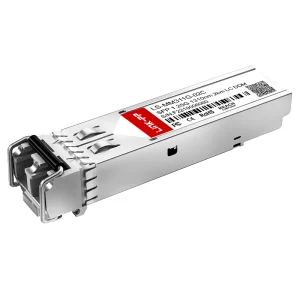
| 1000BASE-LX/LH | 1310nm | SMF / MMF | 10km / 2km | Dual LC | Inter-facility corporate links, plant-to-office networks |
| 1000BASE-EX | 1550nm / 1310nm | SMF | 40km | Dual LC | Regional telemetry and power grid monitoring station links |
| 1000BASE-ZX / EZX | 1550nm | SMF | 80km - 120km | Dual LC | Suburban municipal infrastructure, railway signal backhaul |
| 1G BiDi SFP | TX1310 / RX1550 (or vice versa) | SMF (Simplex) | 20km - 80km | Simplex LC | Fiber-constrained FTTH, urban camera surveillance rings |
For Nagoya's strict Just-In-Time (Kanban) manufacturing schedules, component shortages are catastrophic. Novafiber Communications Co., Ltd. offers a highly resilient supply chain infrastructure designed to eliminate sourcing bottlenecks.
Founded in 2016, Novafiber has developed deep expertise in optical engineering and precision manufacturing over its 9 years of industry experience and 7 years of dedicated export experience. Operating a modern, high-density production facility, our manufacturing facility supports agile manufacturing runs with an annual export revenue exceeding USD 8.5 million.
Our competitive advantage lies in our deep supplier matrix, maintaining relationships with more than 1,200 supply chain partners. This ensures consistent access to premium laser components (VCSEL, DFB, FP) and silicon microelectronics even during global component crunches, keeping production lead times minimal for our Japanese clients.

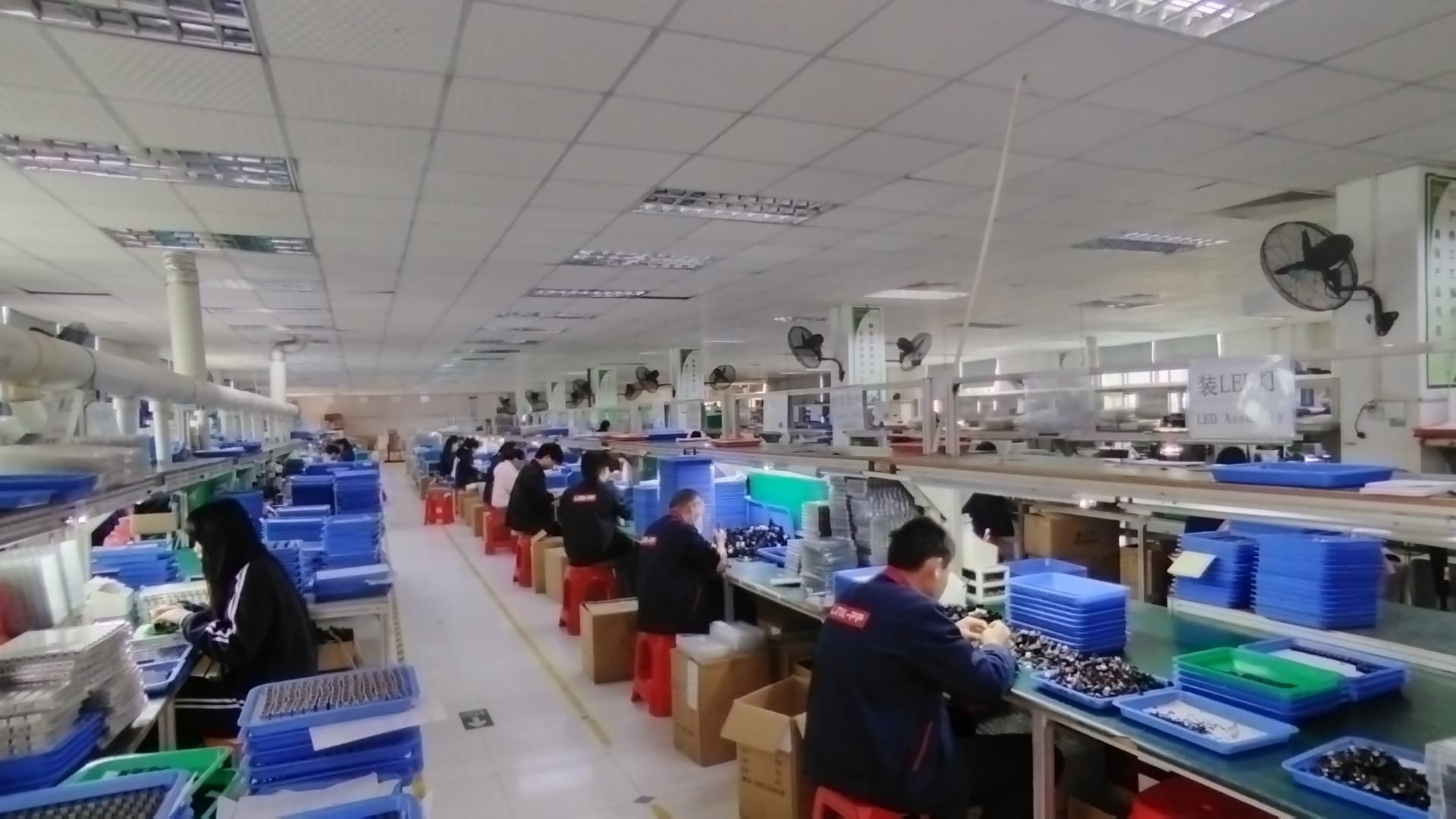
Japanese telecommunications and system integration companies expect zero defect rates (PPM level). To meet these strict guidelines, Novafiber employs 65 dedicated quality inspection personnel operating a multi-tier testing pipeline:
Our experienced R&D team consists of 180 engineers, driving innovation to release over 320 new products annually. From 1G to 800G, Novafiber is the ultimate partner for sustainable technology partnerships.
Guaranteeing drop-in compatibility, zero latency overhead, and regulatory alignment in Japan.
Electromagnetic interference must be strictly controlled in precision machinery zones. Our 1.25G SFP optical transceivers are designed with high-integrity zinc-alloy housings that block electromagnetic interference (EMI) and comply with Japanese VCCI Class B emission requirements, as well as CE, FCC, RoHS, and REACH guidelines.
We provide custom EEPROM coding to ensure plug-and-play operation with legacy and modern Japanese enterprise networks:
Select the perfect wavelength, distance, and media type. All items are manufactured under ISO9001 quality conditions.
Technical clarity regarding the deployment of 1.25G SFP transceivers in modern industrial environments.
Yes. Most modern 10G SFP+ ports support dual-rate configuration (1G/10G). You will need to manually configure the switch port speed to 1000 Mbps (speed 1000) and disable auto-negotiation in the CLI if it does not automatically link up. Our SFP modules support full digital diagnostic monitoring (DDM/DOM) reporting even when scaled down to 1G speeds on 10G hardware.
DOM/DDM provides real-time reporting of operating parameters including optical output power, receiver input power, temperature, laser bias current, and transceiver supply voltage. In heavy factory automation, real-time monitoring allows engineers to detect fiber bend/kinks, laser degradation, or overheating before a port goes down, preventing costly unscheduled manufacturing downtime.
Commercial-grade SFP modules are rated for temperatures between 0°C and 70°C. Industrial-temperature (I-Temp) modules are designed and tested to operate reliably between -40°C and +85°C. This is critical for Nagoya's manufacturing plants where summer warehouse temperatures or proximity to heavy furnaces can easily exceed standard limits, leading to packet loss or component failure in commercial-grade transceivers.
Sourcing directly from an established OEM/ODM manufacturer like Novafiber provides significant cost advantages by removing middle-tier distribution markups. Furthermore, you gain direct engineering access for custom compatibility coding, tailored hardware parameters, and rapid high-volume manufacturing supported by our network of over 1,200 supply chain partners.
Every single SFP module undergoes 100% functional, burn-in, and environmental stress screening (ESS) tests before packaging. Our engineers verify optical parameters against strict standards using high-precision optical spectrum analyzers, ensuring that long-distance modules (up to 160km) deliver the required optical power budget and dispersion tolerances.
Connect with our expert engineering team to request customized compatibility firmware, sample evaluations, or volume pricing structures. Experience factory-direct communication with elite E-E-A-T credentials.
Send Inquiry Now Novafiber