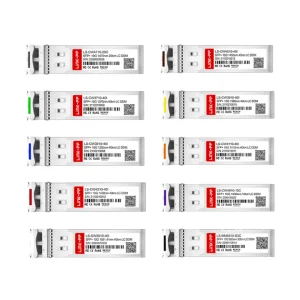
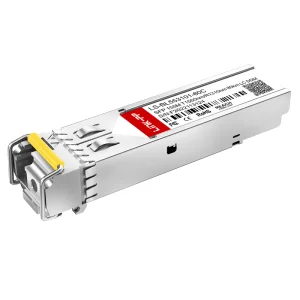
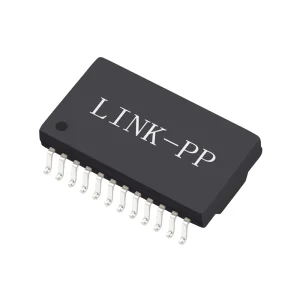
Explore our elite portfolio of optical transceivers, standard modular jacks, and high-frequency telecom transformers engineered to support rigorous global network topologies.
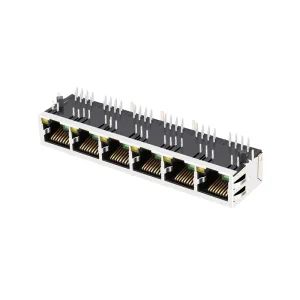
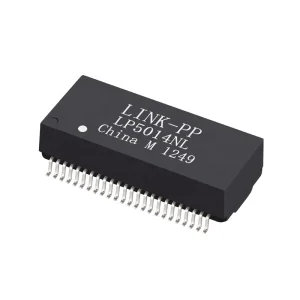
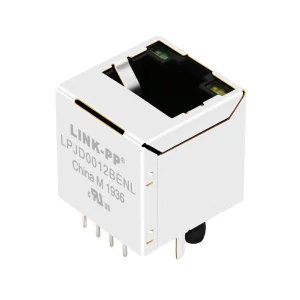
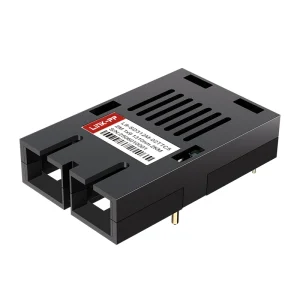
The vital role of physical network interfaces in an increasingly automated, data-hungry global infrastructure.
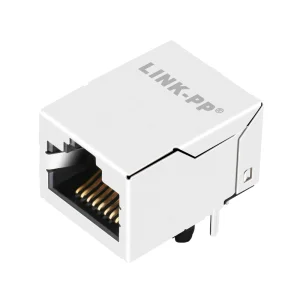
RJ45 connector housings represent the mechanical backbone of local area networks (LANs) and industrial fieldbus applications worldwide. While optical fibers handle long-haul backbones, copper media using 8P8C (Eight Position, Eight Contact) configurations remains the undisputed choice for edge computing, enterprise desks, and industrial environments. The housing is not just a plastic mold; it is the structural layer protecting delicate contact alignments, shielding against disruptive radio frequency interference (RFI) and electromagnetic interference (EMI), and ensuring physical resilience against vibration, thermal cycles, and mechanical strain.
As smart cities, autonomous factories, and hyper-scale data centers expand, the demand for modular, robust, and shielded connector housings has reached historic levels. Modern network protocols demand unprecedented speeds up to 10Gbps, 25Gbps, and even 40Gbps over copper. At these high frequencies, structural parameters like internal crosstalk, return loss, and shielding continuity inside the housing dictate the difference between stable uptime and crippling packet loss.
Top-tier manufacturers select advanced engineering polymers to handle high-temperature profiles during modern surface mount technology (SMT) reflow soldering processes. Thermoplastics like Liquid Crystal Polymer (LCP), Polyphenylene Sulfide (PPS), and High-Temperature Nylon (PA9T/PA46) are standard due to their outstanding dimensional stability and resistance to outgassing. A slight warping of the housing during assembly could misalign the internal pins, leading to opens or high-resistance joints.
Furthermore, shielding is critical in industrial and crowded server rack settings. Unshielded twisted pair (UTP) connectors rely purely on the wire twist to cancel noise, but shielded configurations (STP) embed a metal shroud around the RJ45 housing. These shells, constructed from brass, nickel-plated phosphor bronze, or stainless steel, form a continuous path to ground, suppressing common-mode noise and preventing alien crosstalk (ANEXT) in dense high-speed installations.
How RJ45 engineering is evolving to support higher power distribution, extreme environments, and smaller form factors.
Power over Ethernet (IEEE 802.3bt) delivers up to 90W-100W of power alongside gigabit data. Under load, this current generates localized heat inside the contact pins. High-quality RJ45 housings are designed with air vents, isolated thermal chambers, and heat-resistant polymers to prevent structural degradation, pin drift, or insulation breakdown under continuous thermal load.
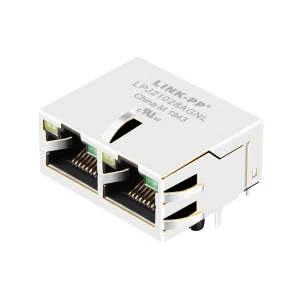
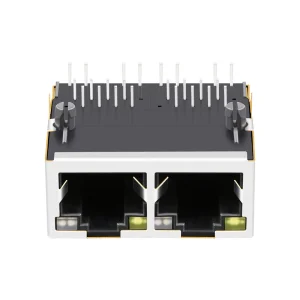
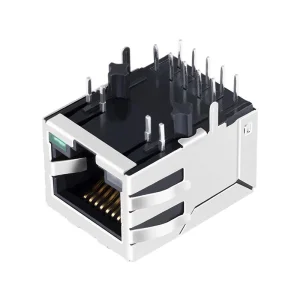
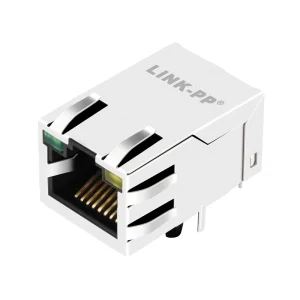
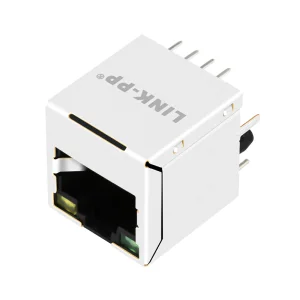
To save board space and limit EMI emissions, manufacturers integrate physical transformers, common-mode chokes, and LEDs directly inside the metal-shielded RJ45 housing. This integrated approach (often called MagJack or RJ45 with Magnetics) isolates high-frequency noise close to the physical port, safeguarding sensitive PHY chips on the PCB.
Heavy machinery, marine electronics, and outdoor telecom systems subject connectors to dust, oil, moisture, and extreme temperatures. Ruggedized housing solutions utilize bayonet or threaded coupling rings, high-performance elastomeric seals, and UV-resistant compounds to guarantee IP67/IP68 protection ratings against harsh environments.
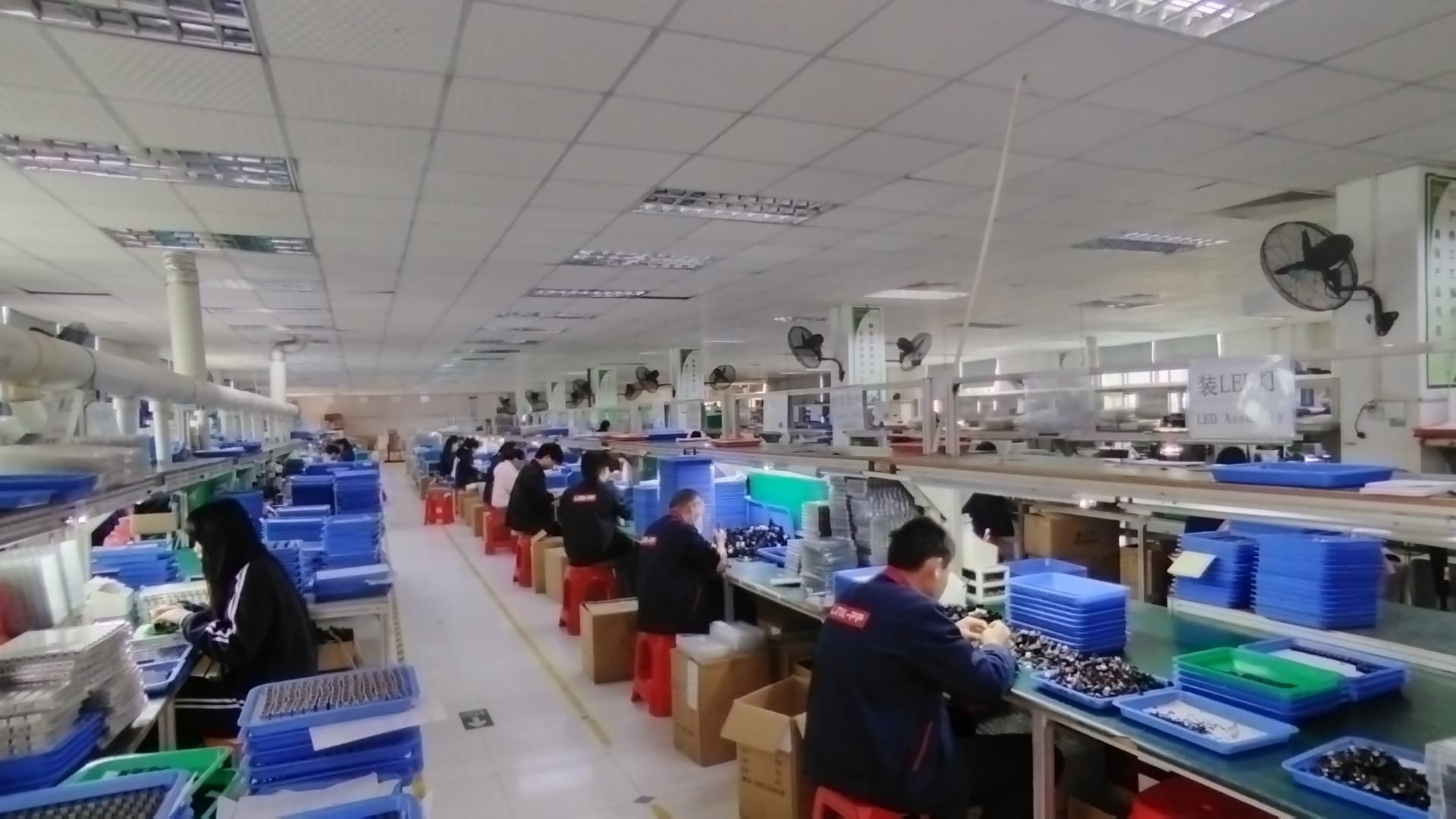
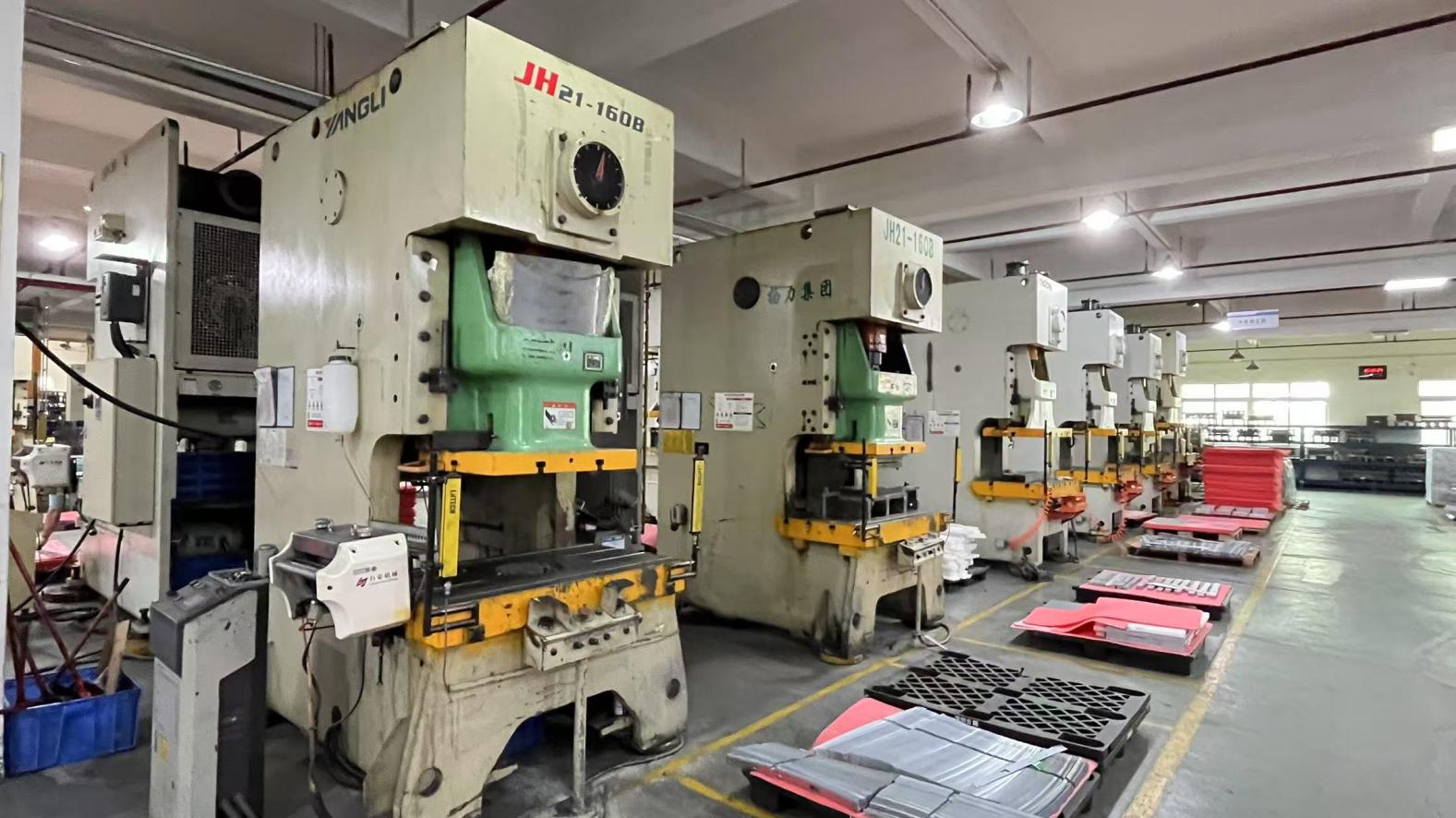
Founded in 2016, Novafiber Communications Co., Ltd. has established itself as an engineering-driven optical transceiver and advanced connectivity component manufacturer. Operating out of a state-of-the-art facility spanning 420㎡, Novafiber is backed by over 9 years of deep industry experience and 7 years of exporting excellence to major global hubs in North America, Europe, Southeast Asia, and the Middle East.
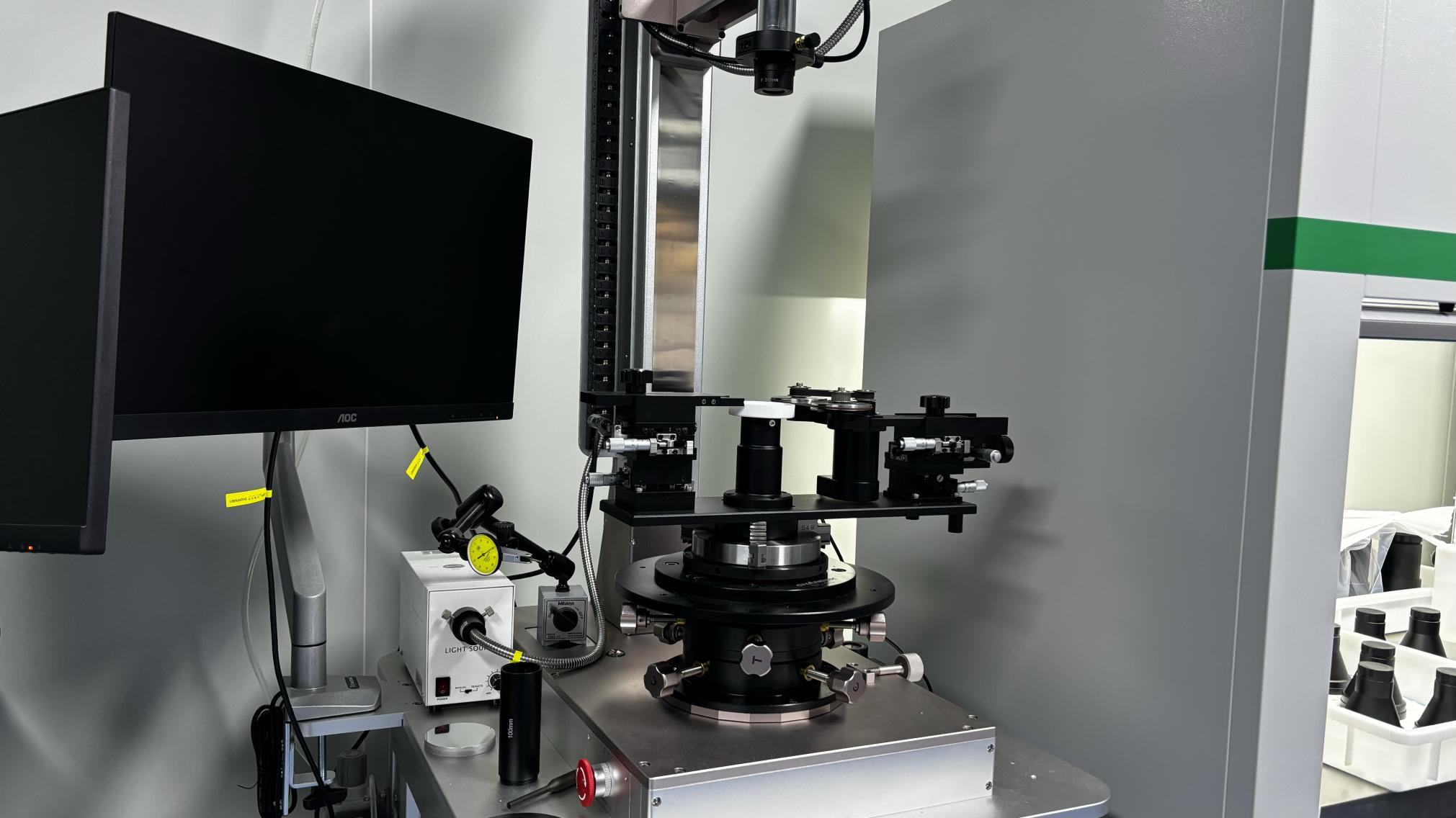
Our commitment to rigorous design standards and supply chain reliability is sustained by 180 expert R&D engineers and 65 highly trained quality inspection staff. By implementing rigorous IPC compliance standards, automatic optical inspection (AOI), and environmental stress screening (ESS), Novafiber guarantees failure-free operation for data centers, telecom operators, and enterprise equipment manufacturers alike.
In high-density server architectures, every millimeter counts. Multi-port ganged or stacked RJ45 connector housings allow network interface cards (NICs) and switches to support dozens of physical ports in standard 1U/2U server slots. Shielded designs keep crosstalk below -40dB, which is crucial for handling high-throughput 10G and 40G network channels.
Factory environments suffer from high electromagnetic noise caused by heavy electric motors, robotic arm systems, and high-voltage transmission lines. Specifying heavy-duty shielded RJ45 connector housings prevents system downtime, shielding communication signals from high transient voltages and minimizing signal attenuation.
For outdoor cabinets, pole-mounted nodes, and optical network terminals (ONT), connector systems are vulnerable to dust and environmental dampness. Advanced UV-stabilized polycarbonate and PA66 housing materials resist solar degradation, preventing cracks and moisture ingress over decades of operational lifespan.
Technical expertise and design solutions resolving common engineering concerns faced by network hardware architects.
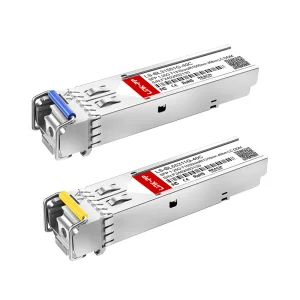
Discover our extensive range of high-frequency transformers, modular jacks, optical transceivers, and SFP transceivers designed for absolute signal integrity.

 Novafiber