Essential optical and magnetic components driving enterprise-level access points and network edge routing architectures.
An in-depth analysis of structural supply chains, advanced R&D engineering, and high-frequency components powering global IoT network frameworks.
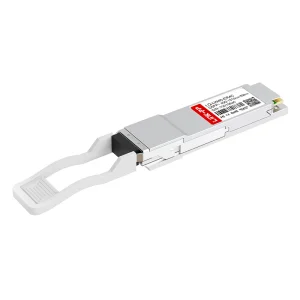
In the modern digital landscape, the performance of enterprise-grade Wireless Access Points (WAPs) is governed not only by internal RF chipsets but also by the physical layers supporting their power delivery and high-speed backhauls. As the industry advances to Wi-Fi 6E and Wi-Fi 7, standard Gigabit connections are no longer sufficient to sustain wireless networks. Higher frequency bands (6 GHz), dense multi-user MIMO configurations, and peak throughput rates reaching up to 46 Gbps demand robust hardware architectures. Modern WAP platforms must integrate 10G Copper SFP+ or 40G/100G QSFP28 uplink interfaces directly onto access layer switches to prevent communication bottlenecks.
Novafiber Communications Co., Ltd., established in 2016, represents the pinnacle of Chinese high-tech hardware fabrication. From our specialized facility, we engineer and export optical modules and copper-to-fiber integration solutions that form the hardware foundation for top-tier global wireless infrastructures. Through continuous OEM/ODM innovation, we support system equipment manufacturers and telecommunication operators in designing ultra-reliable, high-throughput network access hardware.
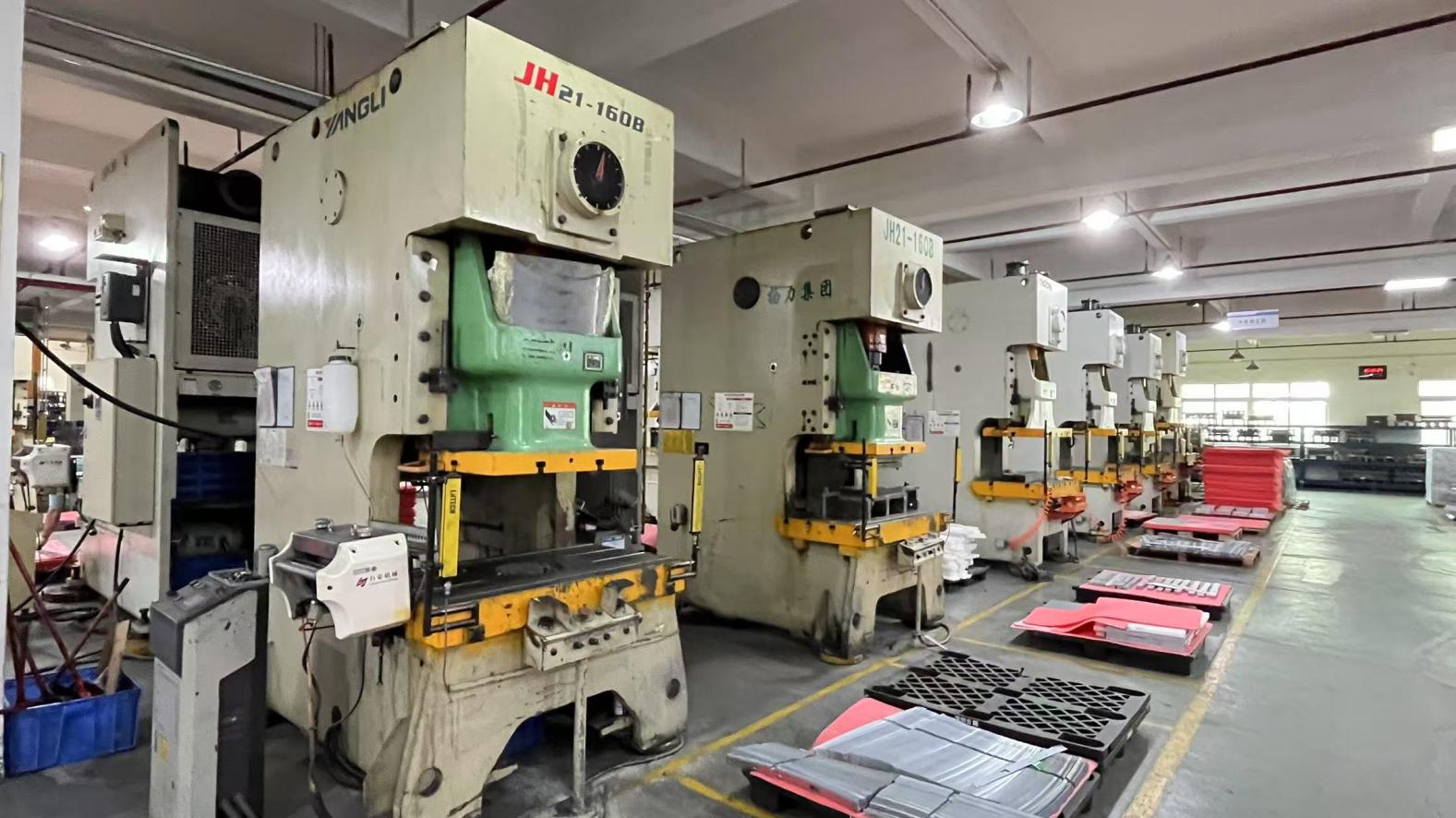
The global supply chain for enterprise networking hardware relies heavily on China’s manufacturing hubs. This concentration is driven by a unique combination of component integration speed, manufacturing efficiency, and robust quality testing. China-based facilities leverage a dense network of sub-tier suppliers—Novafiber maintains relationships with over 1,200 verified partners—to rapidly source, assemble, and validate complex PCB designs. This concentration reduces transit times for raw components, allowing us to implement modifications in RF shield cages, SFP+ cages, and PoE transformers faster than other manufacturing regions.
Furthermore, Chinese engineering teams possess extensive expertise in optimizing designs to meet both European CE and American FCC emissions and performance standards. By integrating mechanical and electro-magnetic engineering, factories like Novafiber can customize firmware protocols and tune physical-layer configurations (such as wavelengths in high-power optical systems) to match specific enterprise software architectures.



The development of modern WAP technology is defined by three major engineering trends:
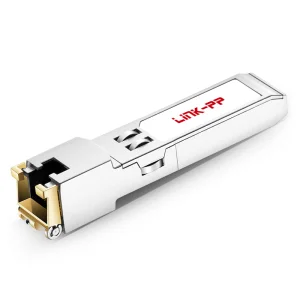
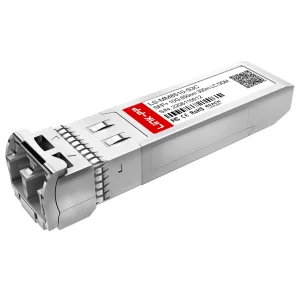
1. The Transition to Multi-Gigabit and 10G/40G Backhauls: Traditional RJ45 copper ports operating at 1 Gbps fail to support the dense traffic of modern Wi-Fi 7 access points. Designers are shifting toward integrated SFP+ ports on the AP chassis, enabling direct connection via 10G Copper SFP+ modules or optical modules.
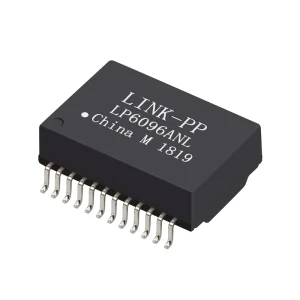
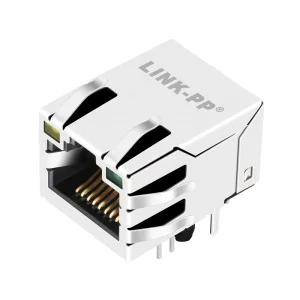
2. Advanced PoE+ & PoE++ (Power over Ethernet): Today’s multi-radio APs consume up to 30W-60W of power, requiring compliant IEEE 802.3at (PoE+) and IEEE 802.3bt (PoE++) solutions. This demands high-efficiency magnetic network transformer modules, such as the LP6096ANL, to ensure reliable power delivery alongside gigabit data streams without thermal overloading.
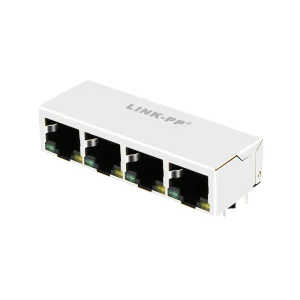
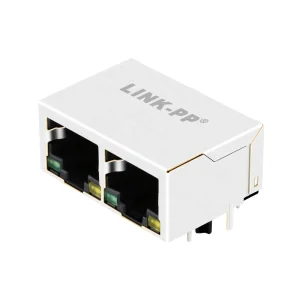
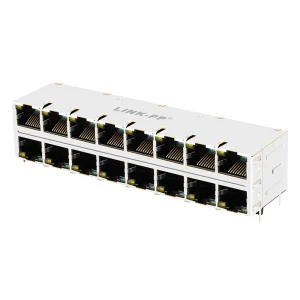
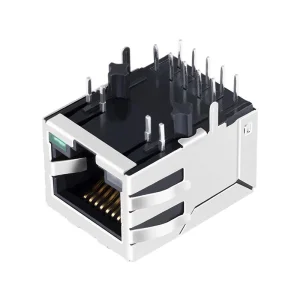
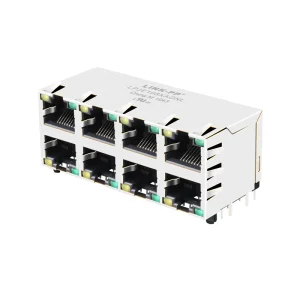
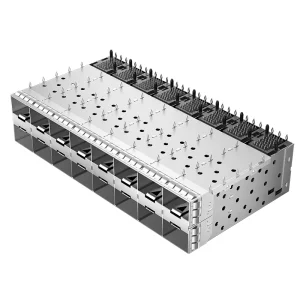
3. Electromagnetic Interference (EMI) Shielding: Operating multiple radios across the 2.4 GHz, 5 GHz, and 6 GHz spectrums creates significant internal high-frequency noise. SFP+ cages and multi-port shielded RJ45 modular jacks (such as Tyco-compatible designs) are critical to shield and ground physical interfaces, preventing data packet corruption and preserving signal integrity.
Deploying high-reliability networking hardware components in demanding enterprise, industrial, and municipal environments.
High-density corporate offices require stable, high-bandwidth connections for hundreds of concurrent wireless clients. Our multi-port RJ45 modular jacks and PoE+ network transformers provide the physical connectivity and power delivery needed to sustain high-performance AP arrays, ensuring zero packet drop during intensive operations.
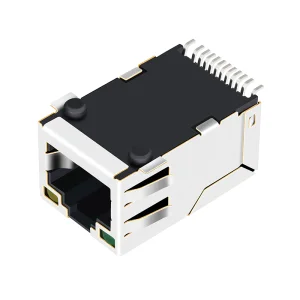
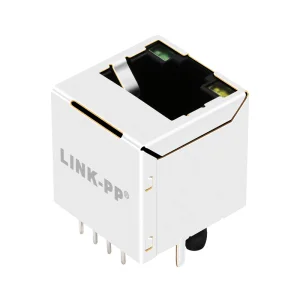
Automated guided vehicles (AGVs) and IoT sensors in industrial spaces rely on persistent wireless coverage. Our industrial-grade SFP+ modules and rugged vertical RJ45 jacks are engineered for high vibration and wide temperature ranges, providing reliable connectivity in harsh environments.
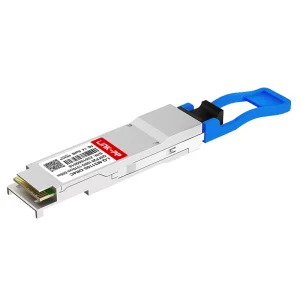
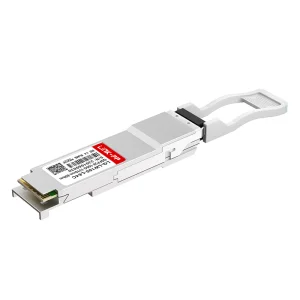
Outdoor public networks require long-distance backhauls to link remote access points back to central municipal networks. Novafiber's single-mode optical transceivers—including 40G ZR4 (80km) and 100G ER4 (60km)—enable cost-effective, long-reach fiber transport without compromising data throughput.
Key technical parameters and quality validation steps for sourcing network access infrastructure components.
When sourcing network interface and optical hardware from China, international buyers must evaluate several technical parameters to ensure system compatibility and field reliability. Key considerations include:
Addressing engineering specifications, hardware compatibility, and quality assurance processes for system integrators.
Explore our complete inventory of rugged network interfaces, optical transceivers, and connection hardware.
 Novafiber