Explore our leading selection of engineered transceiver modules, interfaces, and integrated connectors.
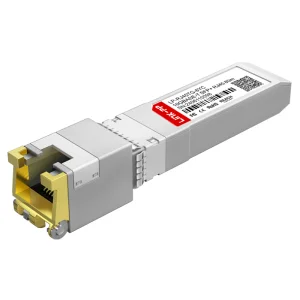
Global telecommunication landscapes are going through a profound transformation. As massive artificial intelligence workloads, high-frequency trading networks, and global 5G rollouts accelerate, the demand for reliable optical communication infrastructure has skyrocketed. SFP (Small Form-factor Pluggable) modules represent the foundational link of this optical revolution.
Key global market drivers include:
Today's smart grids and intelligent transportation networks operate under hostile environments. This drives the implementation of Industrial Temperature range (-40°C to +85°C) transceiver modules to replace standard commercial solutions.
Digital Diagnostic Monitoring Interfaces (DDMI) allow real-time monitoring of receiver optical power, transmitter bias current, internal temperatures, and module voltages to predict network outages before they happen.
Highlighting leading-edge competencies and manufacturing depth in high-speed optical module production.
Founded in 2016, Novafiber represents a benchmark in professional optical transceiver engineering. Specialized in supplying data centers, telecom operators, and global enterprise networking brands, the company has integrated advanced automation directly into its fabrication systems.
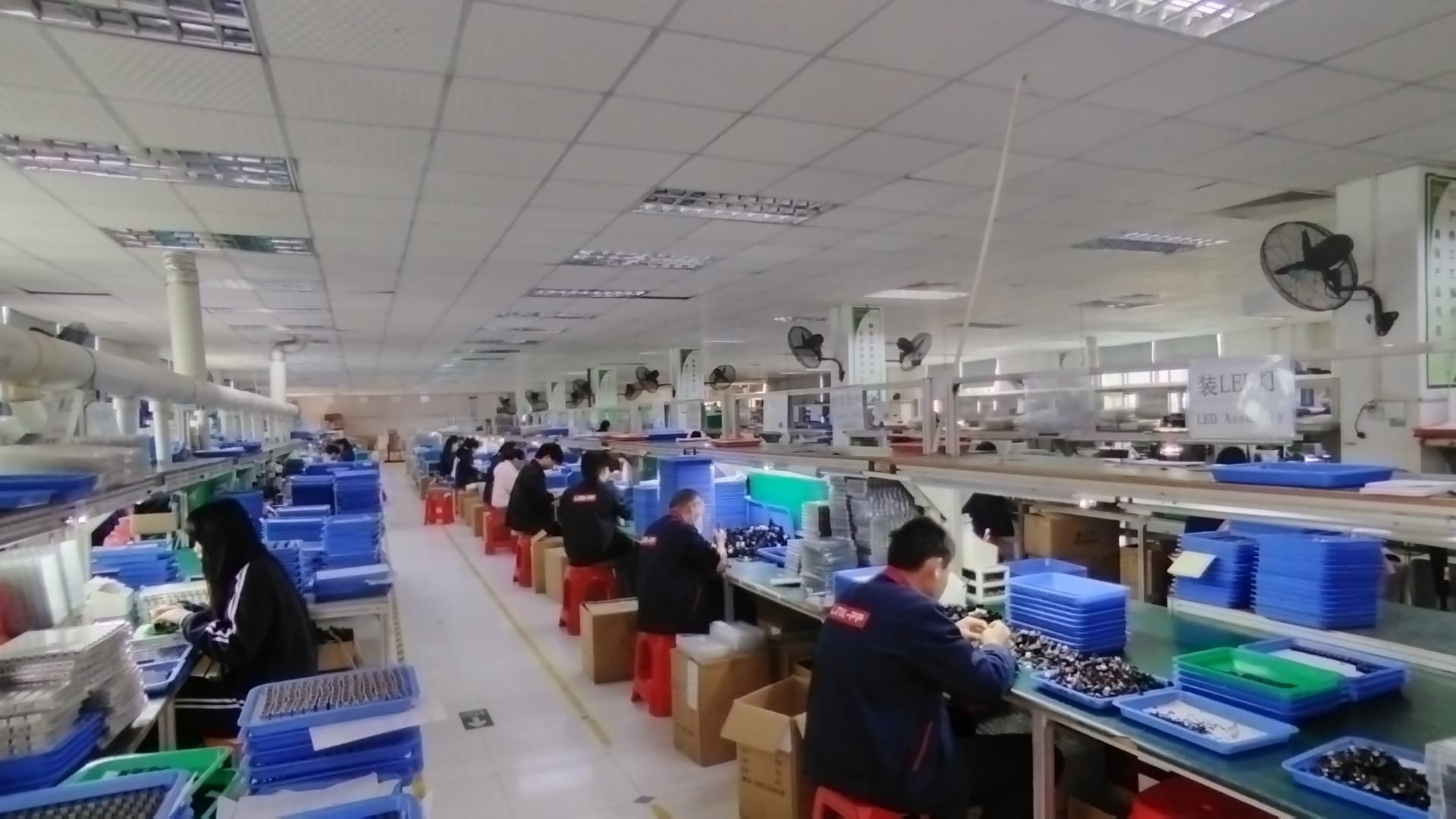
Novafiber runs a modern cleanroom testing and micro-assembly facility of approximately 420㎡. Relying on an extensive partner ecosystem of over 1,200 supply chain partners, the factory guarantees uninterrupted access to essential optoelectronic sub-components, transimpedance amplifiers (TIAs), and optical sub-assemblies (TOSA/ROSA).
With 180 engineers on staff, Novafiber released 320 new products over the last fiscal year alone. The portfolio ranges from 1G SFP up to 800G OSFP transceivers, active optical cables (AOC), direct attach copper (DAC) cables, and specialized structural interfaces like press-fit cage assemblies.
A key competitive advantage of Novafiber is system-level flexibility. The engineering team offers complete protocol configuration, custom EEPROM firmware encoding for seamless compatibility (Cisco, Juniper, Arista, etc.), wavelength tuning for WDM/Bidi architectures, and bespoke branding.
Chinese optical communication clusters (especially in Shenzhen and Wuhan) have evolved past basic contract manufacturing. Modern optical module factories rely on high-precision automated systems for optical coupling, automatic chip-on-board (COB) placement, and intelligent multi-temperature calibration benches.
By integrating structural component supplies (like shielded SFP cages, magnetic connectors, and transceivers) under unified regional networks, exporters drastically minimize transit time and optimize BOM (Bill of Materials) pricing.
Global procurement teams face unpredictable lead times and semiconductor supply gaps. Partnering with top-tier Chinese exporters backed by strong raw material partnerships provides massive risk-mitigation. Novafiber's network of over 1,200 supply partners ensures that even during high market volatility, production lines remain operational.
Furthermore, standardizations like IPC class electronics manufacturing guidelines, advanced automated optical inspection (AOI), and environmental stress screening (ESS) assure that bulk orders arrive with minimal field failure rates.
Strict industrial testing matrices engineered to meet telecommunication reliability standards.
| Testing Stage | Methodology & Parameters | Target Output / Failure Criteria |
|---|---|---|
| Pre-Assembly Screening | 100% incoming optical sub-assembly inspection (TOSA/ROSA check). | Eliminate infant mortality of semiconductor lasers before mounting. |
| Automated Optical Inspection (AOI) | High-resolution visual inspections of PCB solder connections. | IPC-A-610 Class 3 compliance for high-density interconnects. |
| Environmental Stress Screening (ESS) | High and low temperature cycle runs (from -40°C to +85°C). | Detect structural weakness under extreme operating conditions. |
| EEPROM Validation | Custom firmware encoding and target host protocol simulation. | Zero OEM firmware rejection rates; matches Cisco, Juniper, HP, etc. |
| Burn-in & Performance Testing | Extended run-time testing under max operating workloads. | Bit Error Rate (BER) < 10^-12 under continuous system loads. |
Understanding where SFP modules, cages, and magnetic connectors play mission-critical roles.
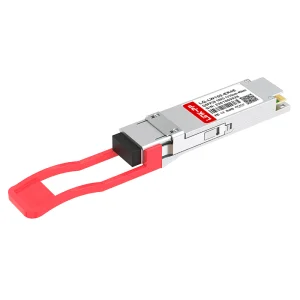
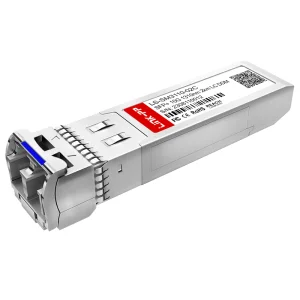
Deploying 100G QSFP28 ER4 and 10G SFP+ transceivers to interconnect server racks and core switches. Low power consumption and optimal thermal profiles are critical here to minimize operational expenditure.
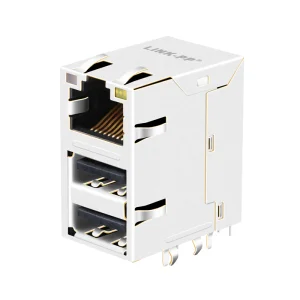
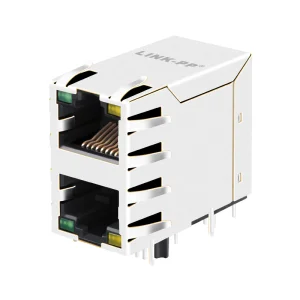
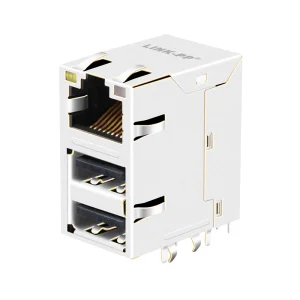
Utilizing high-performance magnetic RJ45 modules and press-fit SFP cages to build robust hardware switch and router interfaces. Multi-port stacking provides maximum density for high-throughput client offices.
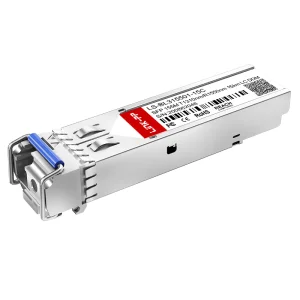
Applying Single-Mode Fiber (SMF) Bidirectional (BiDi) transceivers over long ranges (up to 40km) to double optical capacity over a single fiber strand, dramatically reducing network installation costs.
Addressing technical engineering inquiries, MSA standards, and hardware compatibility configurations.
An MSA (Multi-Source Agreement) is an industry standard that governs the mechanical dimensions, electrical interfaces, and optical characteristics of transceiver modules. Because MSA standards prevent proprietary monopolies, modules manufactured by one vendor comply physically and electrically with host devices from other equipment vendors (like Cisco, Arista, or Huawei). This ensures that third-party optical modules conform exactly to slot dimensions and power delivery constraints, maximizing supplier diversity for the purchasing engineer.
DDMI (Digital Diagnostic Monitoring Interface), also called DOM (Digital Optical Monitoring), is a system feature defined by the SFF-8472 standard. It allows network administrators to view live telemetry data from the transceiver module. Monitored values include Tx Optical Power, Rx Optical Power, laser bias current, internal module temperature, and supply voltage. Accessing this real-time data is critical for preventative maintenance, troubleshooting optical path loss, and ensuring overall link budget parameters are met.
Commercial-grade optical transceivers are optimized to operate in environments ranging from 0°C to +70°C. Industrial-grade modules (indicated with an "-I" suffix or designated in the datasheet) are designed to withstand temperatures between -40°C and +85°C. To guarantee performance, industrial modules use specialized semiconductor lasers (like DFB or EML), advanced thermal dissipators, and high-spec passive electronic components to prevent signal drift, high jitter, and early failure in outdoor cabinets or heavy machinery zones.
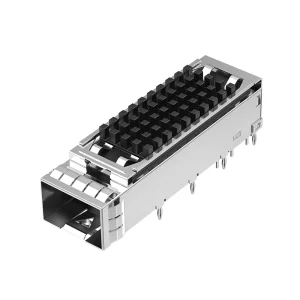
Press-fit pin cage designs (such as Amphenol compatible models) allow quick machine placement onto PCBs without requiring wave soldering. This eliminates thermal stress on neighboring electronic elements, lowers fabrication cost, and simplifies field repairs or upgrades. Combined with integrated elastomeric gaskets or metal spring fingers, press-fit cages also block Electromagnetic Interference (EMI) leakage at high speeds (up to 10G or 28G per port).
Compatibility issues are almost always caused by differences in EEPROM coding. Switch brands query the SFP memory space for specific vendor identification and checksums. Novafiber maintains a comprehensive lab stocked with various switches (including Cisco, Arista, Juniper, Dell, and HP). Our engineers write custom vendor keys, device IDs, and firmware configurations onto the transceiver's microcontroller, ensuring complete compatibility with zero port blocking issues.
Directly connecting a single-mode transceiver to a multi-mode fiber optic path is not recommended. Single-mode transceivers use a narrow 9-micron laser core, while multi-mode fibers have a much larger core (50 or 62.5 microns). This mismatch causes severe dispersion and optical power drops. For short lengths (e.g. 10GBASE-LRM), specialized mode-conditioning patch cables can bridge the systems, but native matching is always recommended to ensure link stability.
Complementary networking components to support board-level and cage connectivity demands.
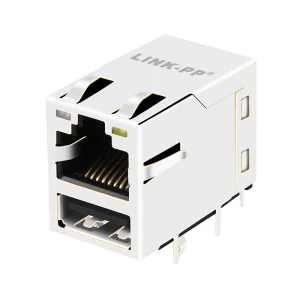
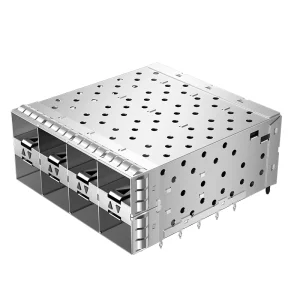
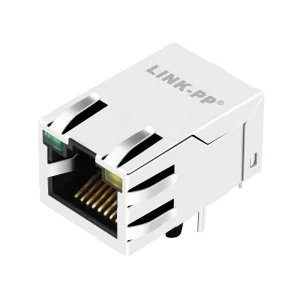
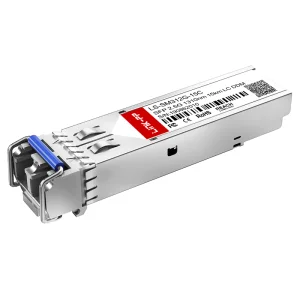
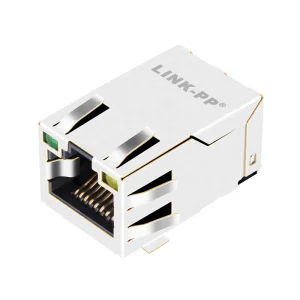
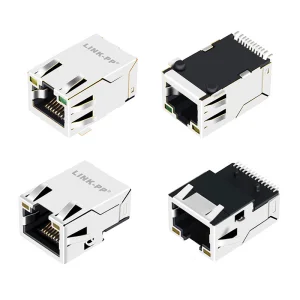
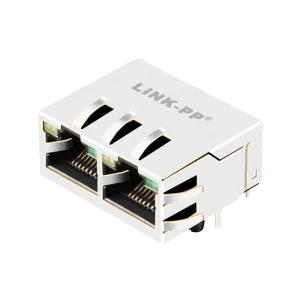
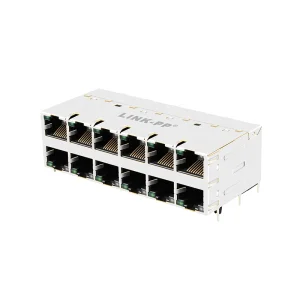
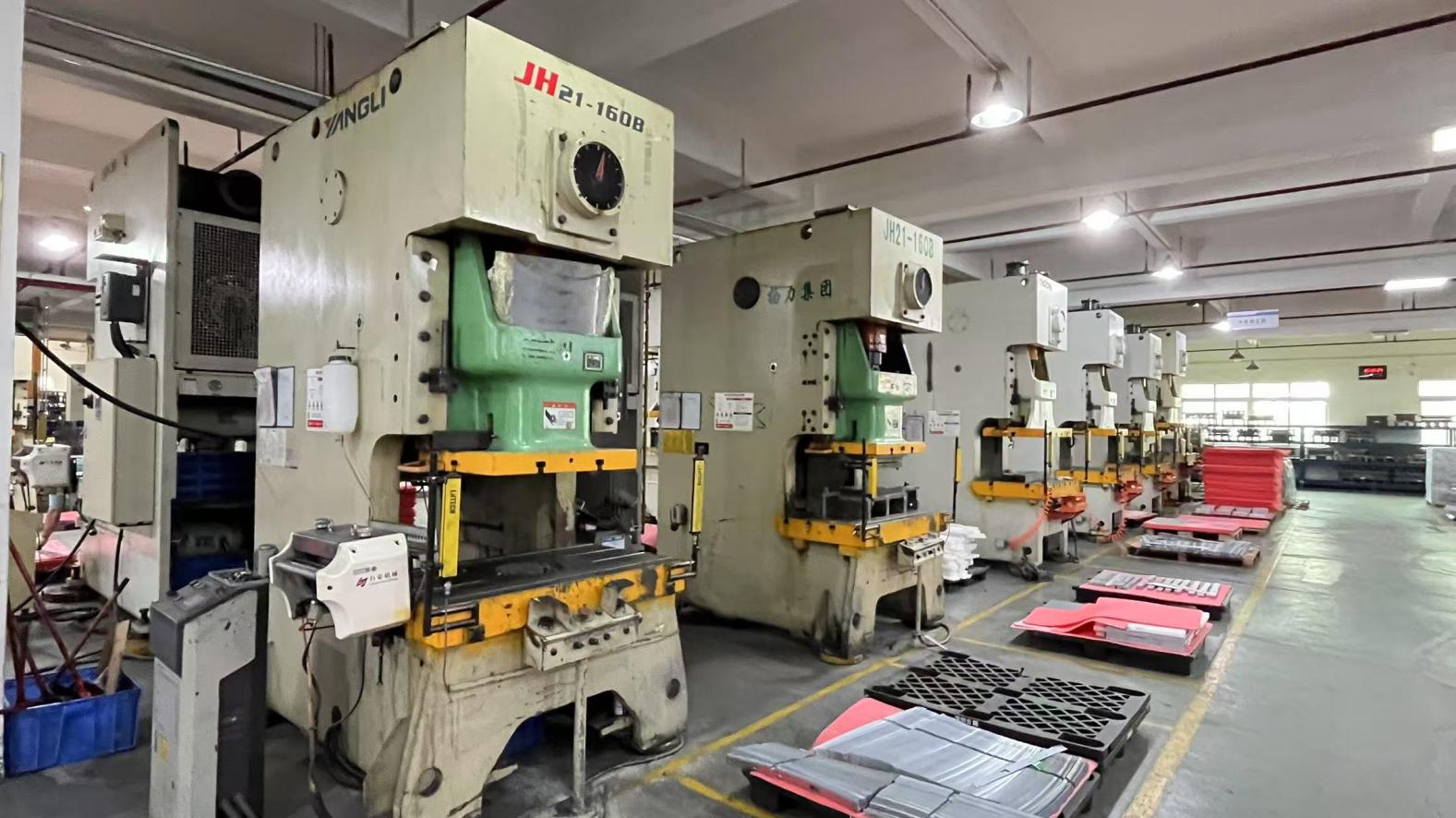
Take an inside look at our state-of-the-art optical module and connector production facilities.


 Novafiber