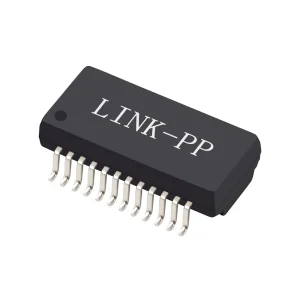
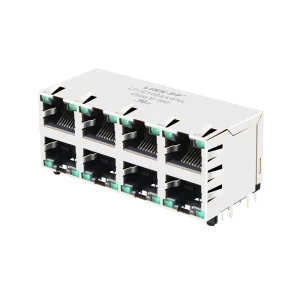
Industrial-grade modular jacks, RJ45 stacked connectors, magnetic transceivers, and optical modules engineered for high-availability enterprise routing and switching infrastructure.
Executive Summary: The global structured cabling market is undergoing a rapid evolution driven by high-speed telecommunication demands, edge computing architectures, and PoE (Power over Ethernet) technology. As the physical backbone of this transformation, RJ45 patch panels dictate systemic signal integrity, crosstalk mitigation, and spatial layout optimization. This whitepaper analyzes the current market dynamics, key global manufacturers, localized applications, and technical considerations that system integrators and procurement executives must address when sourcing interconnect hardware.
RJ45 patch panels are no longer viewed as mere static termination frames. Today, they serve as crucial nodes in enterprise structured cabling systems (SCS). With the exponential growth in broadband data demands, cloud computing architectures, and intelligent building technologies, the globally deployed hardware must support higher bandwidths with minimal insertion loss and robust electromagnetic compatibility.
Regionally, North America and Europe dominate the consumption of Category 6A (Cat6A) and Category 8 (Cat8) shielded panels due to stringent regulations on emission controls and high concentrations of hyper-scale data centers. Simultaneously, the Asia-Pacific region, led by China's aggressive digital infrastructure expansion, is experiencing the highest growth rate. The transition from legacy Cat5e installations to Cat6A and Cat7 configurations is driven primarily by the rollout of Wi-Fi 6/6E/7 access points and multi-gigabit switches that necessitate high-bandwidth backhauls.
Furthermore, industrial automation—specifically Industrial Internet of Things (IIoT)—has introduced harsher environments to the network perimeter. This transition demands IP67-rated RJ45 patch panels with superior corrosion resistance, vibration damping, and shielding properties. Industrial environments require panels designed to withstand oil, moisture, and mechanical stress, marking a departure from traditional corporate IT closet configurations.
Understanding the competitive landscape is critical for optimizing global procurement strategies. Below is a detailed analysis of the top ten manufacturers globally recognized for their technological leadership, supply chain stability, and conformance to international certification standards.
| Manufacturer | Core Competency | Global Markets | Key Standards Conformance |
|---|---|---|---|
| Novafiber Communications | Optical & Copper Integration, OEM/ODM Flexibility | Global (NA, EU, SEA, ME) | ISO9001, RoHS, IPC Standards, CE |
| CommScope | SYSTIMAX Enterprise Infrastructure, High-Density | Worldwide | ANSI/TIA-568.2-D, UL Listed |
| Panduit | PanNet Shielded/Unshielded modular frames | Worldwide | RoHS, CE, TIA/EIA Category Specs |
| Legrand | Ortronics High-Density Solutions, Smart Patch Panels | EU, North America | ETL Verified, ISO/IEC 11801 |
| Leviton | Atlas-X1 Tool-free keystone components | North America, UK | UL, CSA, RoHS Compliant |
| Belden | KeyConnect & REVConnect fast-termination systems | Global Industrial | IEC, IEEE PoE Compliance |
| Schneider Electric | Actassi networking connectivity infrastructure | EU, Asia Pacific | RoHS, REACH, Green Premium |
| Tripp Lite (Eaton) | Cost-effective Rack-mount distribution frames | Americas | TAA Compliant, UL |
| Metz Connect | German Engineered IP20/IP67 connection systems | Europe | DIN EN ISO/IEC standards |
| Siemon | Z-MAX ultra high-performance category systems | Global Enterprise | ISO9001, Intertek ETL Verified |
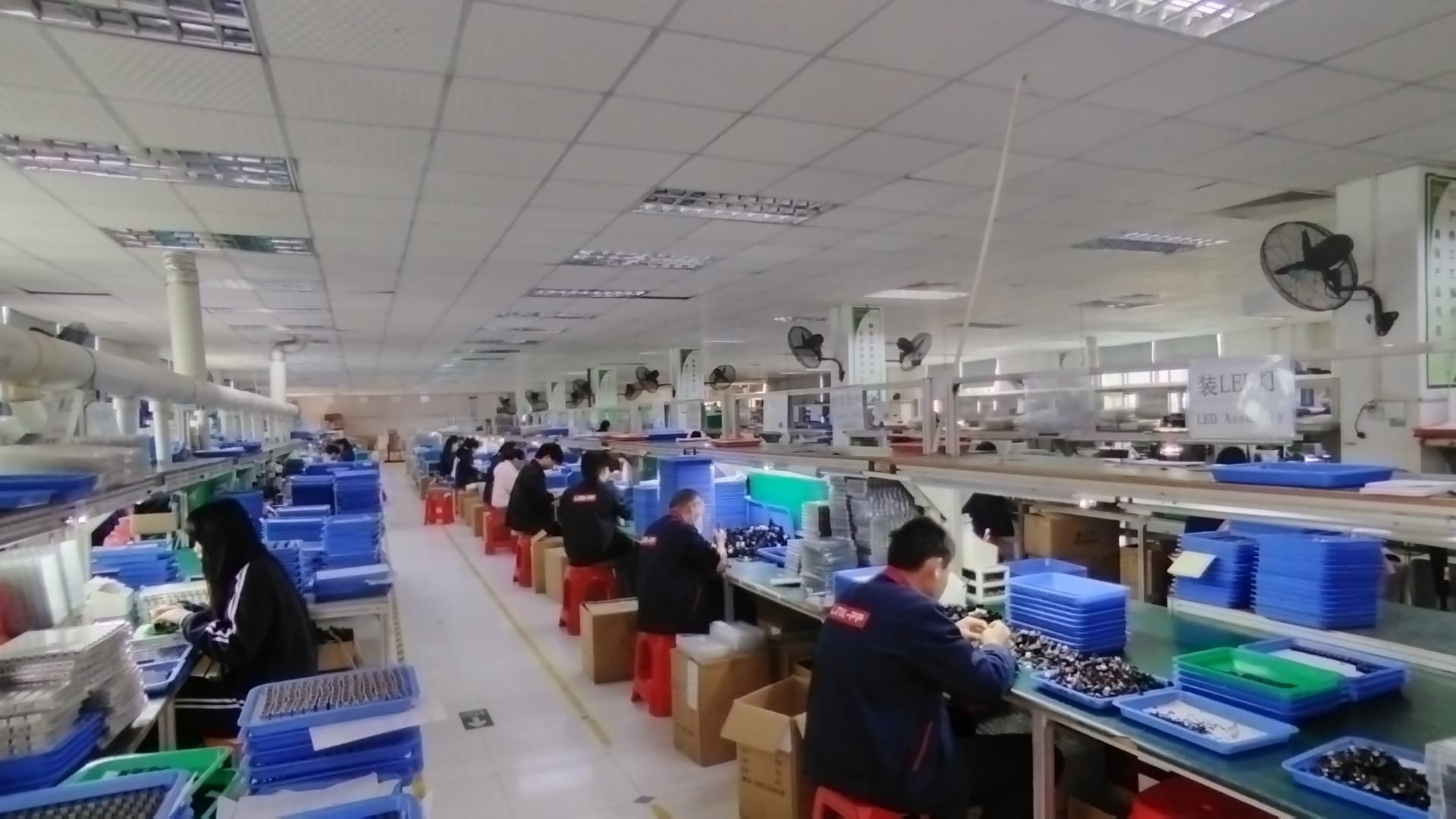
Emerging as an agile powerhouse in both copper and optical connectivity, Novafiber has built an expansive supply chain footprint since its inception in 2016. Boasting over 9 years of industry experience and 7 years of direct export operations, Novafiber generates an annual export revenue exceeding USD 8.5 million. By managing a network of over 1,200 supply chain partners, they ensure unprecedented delivery times and material sourcing versatility. Novafiber's R&D department features 180 engineers who introduced 320 new product designs in the past year alone. Quality control is managed by 65 dedicated inspection personnel adhering to IPC standards, utilizing high-temperature aging tests and 100% functional testing, making them an ideal manufacturing partner for customized OEM/ODM copper interconnect systems and hybrid copper-fiber distribution assemblies.
Headquartered in the USA, CommScope stands as a premier giant in physical infrastructure solutions. Its SYSTIMAX product line is synonymous with premium-tier enterprises. CommScope patch panels emphasize high density and smart patch features (imVision), allowing real-time port tracking. Their panels offer superior performance margins that exceed ANSI/TIA standards, making them highly favored for financial centers and mission-critical cloud facilities.
Panduit is globally recognized for its innovation in wire management and structural integrity. The PanNet system includes modular patch panels that accept standard Mini-Com modules. Known for their robust grounding properties in shielded systems, Panduit's panels incorporate built-in grounding bars that eliminate the need for individual module grounding, saving significant installation time for contractors.
A French industrial group with global reach, Legrand operates the Ortronics brand in North America. Their RJ45 patch panels focus on tool-free modular connectivity and optimal bend radius control. Legrand products are designed with human-centric ergonomics in mind, allowing front-access patch panels that permit technicians to perform maintenance directly from the aisle without sliding out the chassis.
Leviton’s connectivity division delivers robust cabling systems featuring their patented Atlas-X1 termination technology. These patch panels support quick, toolless termination that mitigates installer fatigue and guarantees consistent contact force across all 24 or 48 ports. Leviton panels are heavily specified in corporate campuses and health systems where uptime and high PoE performance are mandatory.
Belden is a historical leader in industrial cabling. Their REVConnect system has revolutionized RJ45 terminations, using a universal core that fits both jacks and plugs. Belden patch panels are engineered to support maximum performance under harsh thermal conditions, preventing the physical degradation associated with high-wattage Type 4 PoE (90W) applications.
Schneider's Actassi series provides a cohesive structured cabling system designed for smart buildings. Fully integrated with Schneider's EcoStruxure management suite, their RJ45 patch panels feature eco-friendly designs (Green Premium certified) and easy-access cable management brackets, facilitating neat organization in space-constrained wiring closets.
Acquired by Eaton, Tripp Lite offers reliable, TAA-compliant patch panels geared toward government, educational, and cost-sensitive corporate installations. Their products are designed to meet standard 19-inch rack enclosures with durable powder-coated steel chassis, offering reliable Cat5e, Cat6, and Cat6A performance at competitive price points.
Hailing from Germany, Metz Connect is renowned for precision engineering. Their patch panels are characterized by modular keystone designs that offer excellent electromagnetic compatibility (EMC) shielding. Metz Connect products are widely utilized in European railway, industrial automation, and control-cabinet operations where extreme mechanical stability is required.
Siemon is a global leader in high-performance network cabling. Its Z-MAX patch panels offer the industry’s fastest termination times and outstanding transmission margins. Siemon's panels feature a hybrid flat/angled design that optimizes cable routing, significantly reducing patch cord congestion in high-density telecommunication racks.
The global dominance of Chinese manufacturers in the interconnect sector is not merely a consequence of lower labor costs; it is driven by complex ecosystem synergies, raw material proximity, and manufacturing agility. Companies like Novafiber leverage an intricate web of over 1,200 specialized supply chain partners. This decentralized network enables factories to quickly scale up raw material procurement (such as phosphor bronze for contacts, zinc alloy for shielded housings, and high-performance engineering plastics) to meet sudden large-scale commercial orders.
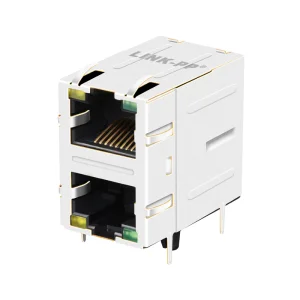
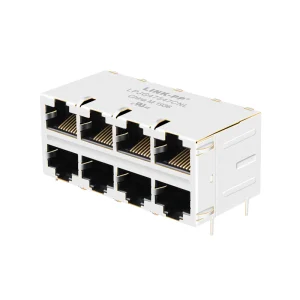
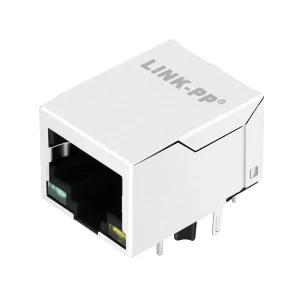
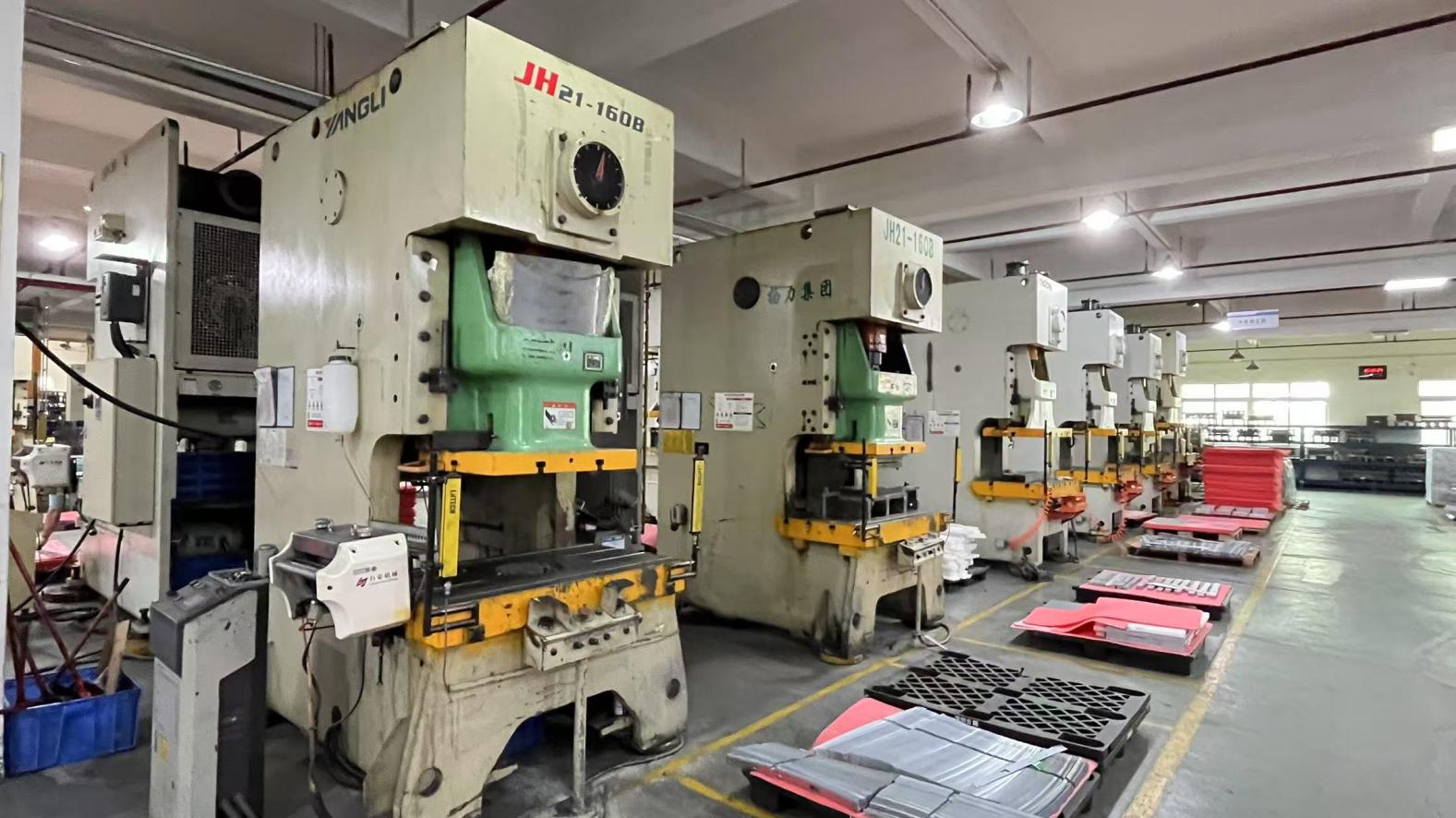
Furthermore, the automation rate in Chinese factories has increased dramatically. Utilizing robotic stamping, automated selective soldering, and automated optical inspection (AOI) machines ensures that high contact density components like the Y/G LEDs 1000 Base-T 2x1 Port RJ45 Stacked Connector are fabricated with sub-millimeter precision. These automated production lines operate in conjunction with stringent testing regimens, including environmental stress screening (ESS), high-temperature aging chambers, and insertion/withdrawal cycle testing to guarantee a minimum lifespan of 750 matings.
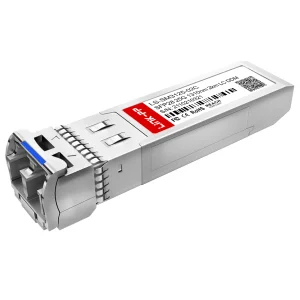
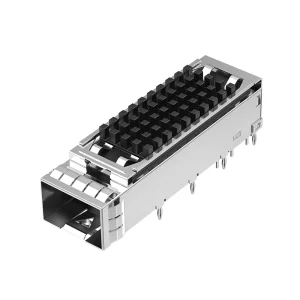
This localized supply chain integration translates to significant time-to-market advantages for global buyers. Customized OEM requests, such as modifying SFP+ cages (e.g., Amphenol Compatible Press-Fit SFP+ Cage with Heat Sink) or implementing custom PCB layout modifications, can progress from concept to functional prototype in under two weeks, a timeline that western competitors struggle to match.
Advanced R&D centers featuring rapid tooling and 3D metal sintering allow design alterations to be completed and validated within days.
Direct integration of copper connectors, transformers, and optical components (SFP modules) within a single ecosystem reduces freight and assembly costs.
Adherence to global standards with multi-stage QC inspections, including Fluke testing, vector network analysis, and RoHS compliance screening.
As networks evolve from 10G to 25G and 40G at the access layer, the physical interface must adapt. The current technical roadmap highlights several key trends:
The deployment of RJ45 patch panels varies significantly based on environmental conditions and regulatory frameworks:
In modern cloud facilities, rack space is at a premium. Operators utilize 48-port, 1U angled patch panels to eliminate horizontal cable managers, routing cords directly into vertical cable trays. Shielded jacks are utilized to mitigate electromagnetic interference (EMI) generated by neighboring high-power servers and power distribution units (PDUs).
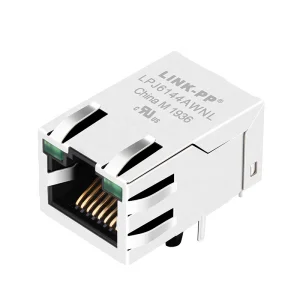
On the factory floor, vibration, chemical exposure, and electromagnetic fields are common. Industrial patch panels are housed in IP66/67-rated enclosures, featuring IP-rated RJ45 bulkheads or M12-to-RJ45 adapters. This setup ensures seamless connectivity to PLC controllers, robotic arms, and industrial cameras (using components like High Speed RJ45 Magnetic Connectors with PoE).
Clinical settings demand strict EMI isolation to protect sensitive diagnostic imaging machinery. Shielded Cat6A systems are mandatory here. Additionally, patch panels in healthcare environments often incorporate antimicrobial materials on jack faceplates to comply with infection-control protocols.
Deploying networking hardware internationally requires strict compliance with regional standards. In the European Union, patch panels must bear the CE mark and satisfy RoHS and REACH regulations, verifying that hazardous substances are kept below threshold limits. In North America, UL 1863 (standard for communications-circuit accessories) is the primary safety certification required by building inspectors.
Additionally, electrical performance compliance must be verified by independent third-party laboratories. Intertek (ETL) and Delta testing verify that the patch panels conform to ANSI/TIA-568.2-D and ISO/IEC 11801 channel and component-level requirements. Procurement teams should always request these certified test reports rather than relying solely on manufacturer declarations, ensuring long-term network reliability and reducing liability.
Answering key technical and logistical queries from network architects and procurement specialists.
Component-level certification guarantees that the patch panel itself meets performance specifications under testing conditions. Channel-level certification only guarantees that the entire link (including patch cords and horizontal cabling) meets specs, meaning a sub-par patch panel could pass if paired with premium cables. For maximum reliability, always specify component-level certified panels.
As signal frequencies rise to 500 MHz (Cat6A) and 2000 MHz (Cat8), Alien Crosstalk (crosstalk between adjacent cables) becomes the primary limiting factor. Shielding (STP/FTP) uses metallic foils or wraps to block this EMI, ensuring error-free data transmission at 10G or 40G speeds.
Yes, but you must ensure the patch panel's contacts are rated for the higher current (up to 960mA per pair for PoE++ Type 4). Standard connectors can experience spark erosion when unplugged under load, which damages the contact pins over time. Panels conforming to IEC 60512-99-002 are specifically rated for safe mating/unmating under PoE load.
Keystone (modular) patch panels allow installers to terminate individual jacks independently before snapping them into the frame. This makes maintenance, upgrading, or mixing copper and fiber connectors within a single panel much simpler. Punch-down panels are cheaper upfront but require more labor and are harder to troubleshoot if a single port fails.
High-speed copper interfaces, low-profile Magjacks, and fiber transceiver modules designed for next-generation telecommunication grids.
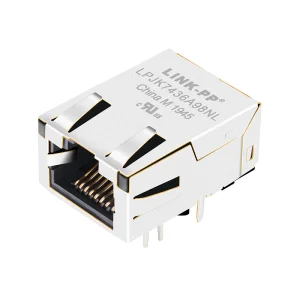
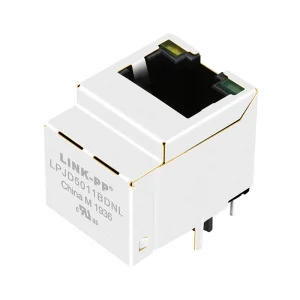
Our collaborative industrial base ensures precision execution, rigorous optical testing, and seamless supply-chain coordination.


 Novafiber