Explore our premium components engineered for extreme environments, heavy interference mitigation, and ultra-low latency edge communication.
In modern industrial applications, networking infrastructure is the foundation of operational technology (OT). Unlike enterprise systems that operate in controlled environments, industrial networks run in conditions with extreme temperatures, physical shock, vibration, high moisture, and electromagnetically noisy environments. Consequently, choosing the right RJ45 industrial switch supplier and exporter is a critical design step that impacts the lifespan, latency, and reliability of your automated assembly lines, railway grids, smart utility grids, and marine vessels.
Industrial RJ45 switches act as the primary communication link, allowing legacy serial protocol machinery to speak directly to modern industrial IoT (IIoT) platforms. By incorporating robust magnetic connectors, optimized transformer modules, and rugged outer casings, these units provide seamless copper-to-fiber transitions, keeping data flowing at nanosecond latencies even amidst heavy electromagnetic interference (EMI).
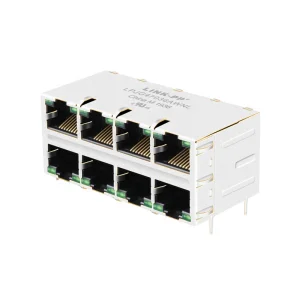
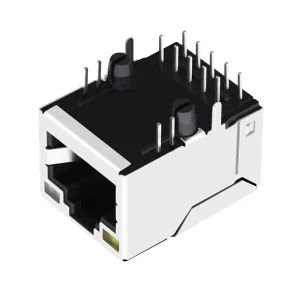
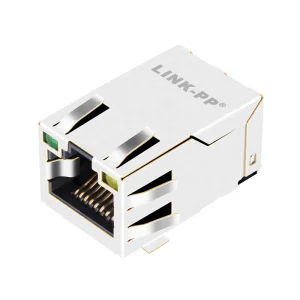
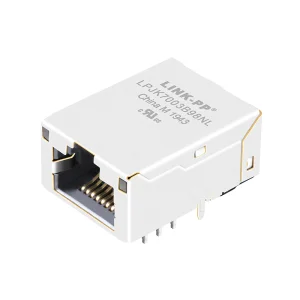
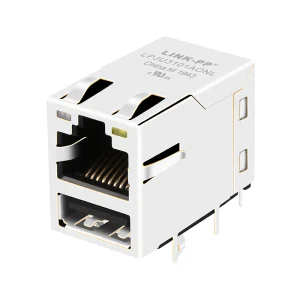
Furthermore, the integration of high-bandwidth physical layer components—such as the 2x4 Port For PoE Cat5e 2.5G Jack RJ45 Female Connector—enables operators to push power and high-speed data down standard twisted-pair cabling without suffering signal attenuation or hardware failure under vibration stress. High-grade switches combine such specialized magnetic RJ45 jacks with robust internal chipsets to offer dynamic traffic styling, Quality of Service (QoS) guarantees, and fast ring-topology recovery (such as ITU-T G.8032 ERPS) under 20 milliseconds.
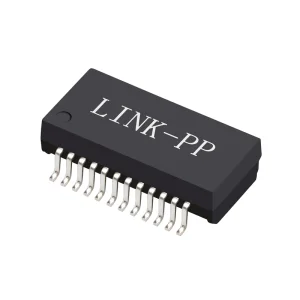
A standard desktop switch uses plastic-bodied, unshielded RJ45 ports that cannot withstand electrostatic discharge (ESD) or continuous ambient humidity. Industrial RJ45 switches, by contrast, utilize advanced physical-layer components optimized for harsh operations:
SEO Value / Information Gain: For system integrators, the MTBF (Mean Time Between Failures) of an industrial switch is directly tied to the corrosion resistance of its copper contacts and the dielectric strength of its isolation transformers. Selecting components with integrated magnetics increases reliability by up to 40% compared to discrete designs.
Industrial networking is subject to a complex web of national and regional standards. As a global system operator or procurement specialist, you must verify that your RJ45 industrial switch suppliers adhere to strict validation guidelines. These include:
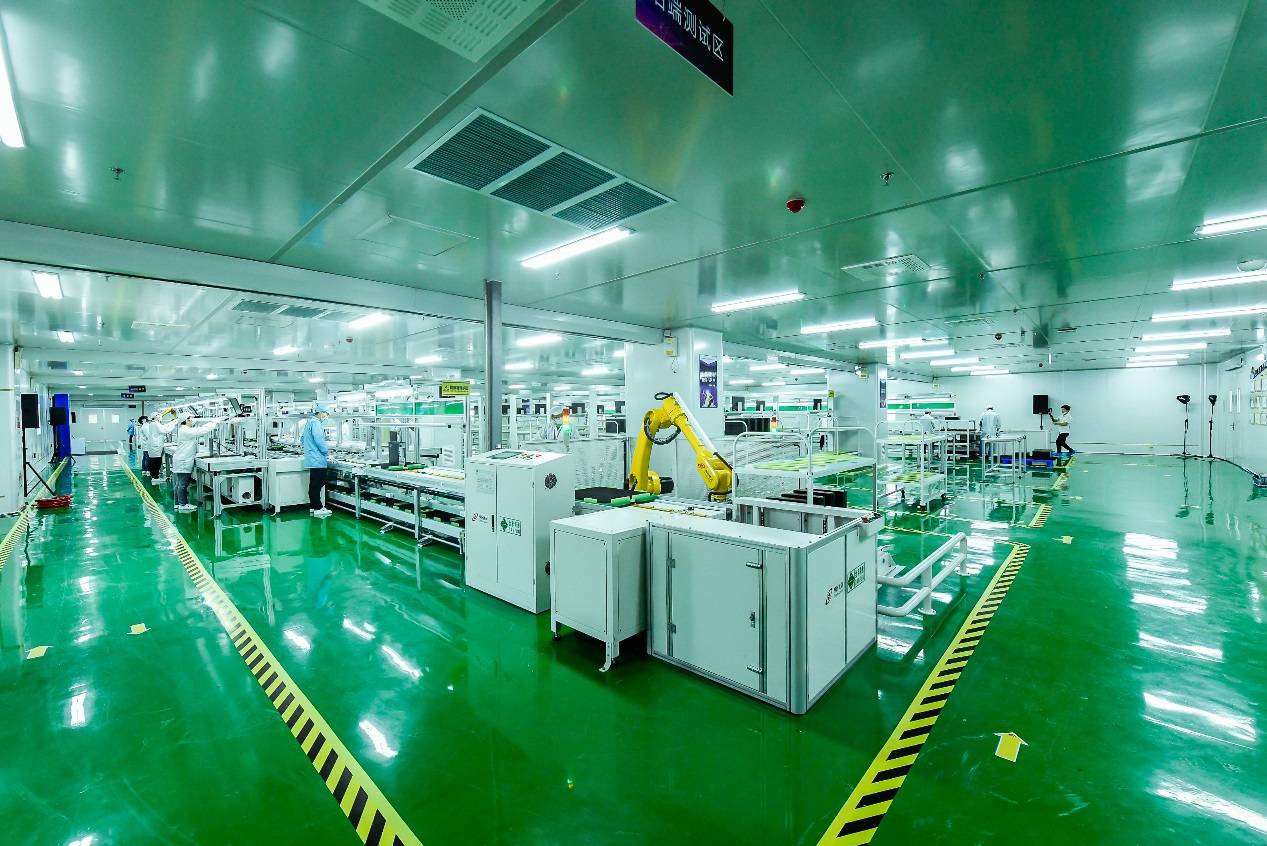
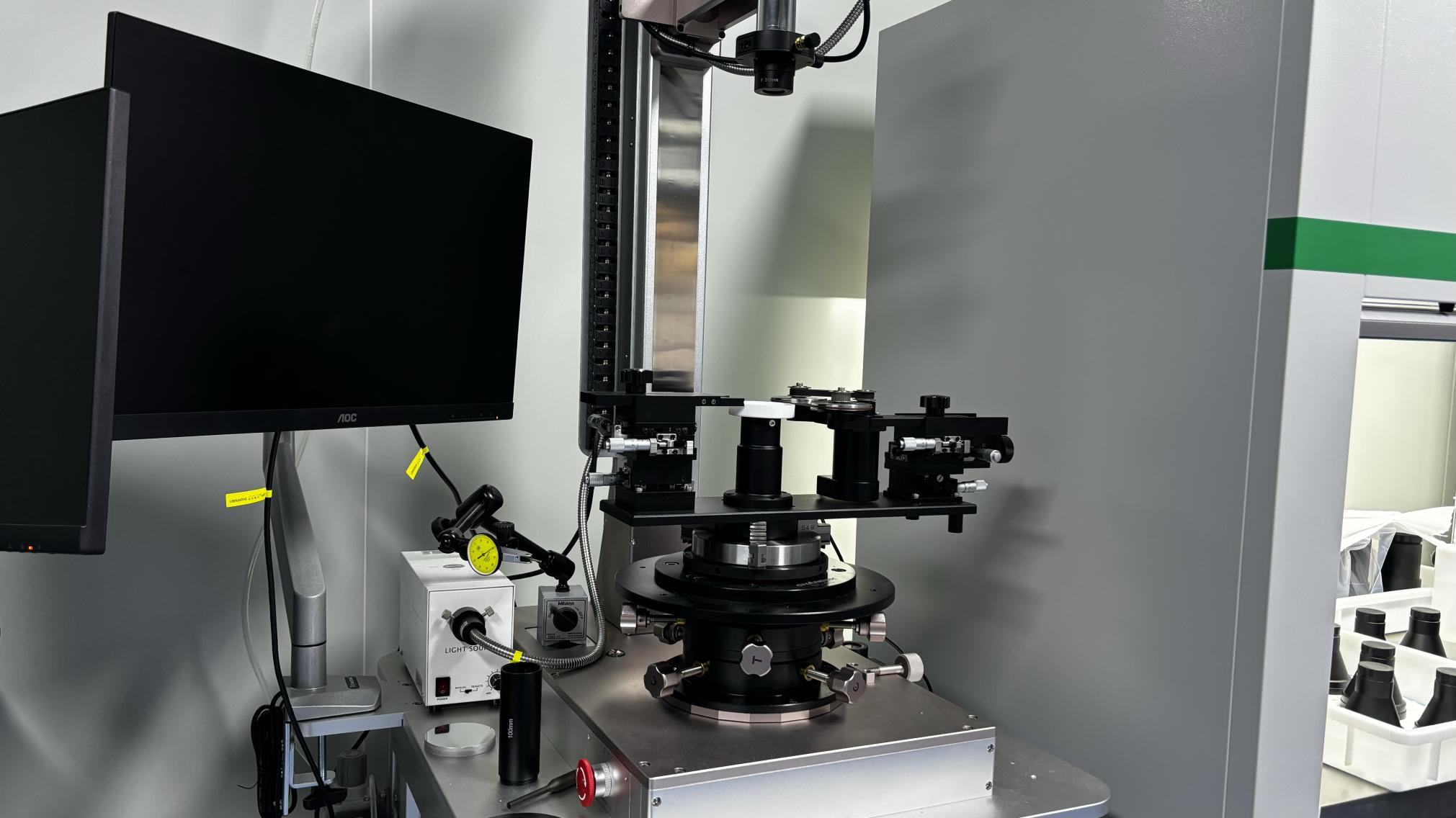
A reliable supplier doesn't just design for compliance; they enforce strict quality control on the factory floor. For instance, manufacturer Novafiber Communications Co., Ltd. implements a comprehensive inspection regime including IPC-A-610 standards, automated optical testing (AOI), and Environmental Stress Screening (ESS). By subjecting 100% of finished transceivers and switches to high-temperature aging tests, system failure rates in the field are kept near zero.
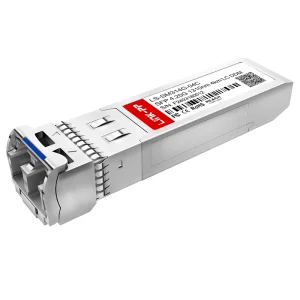
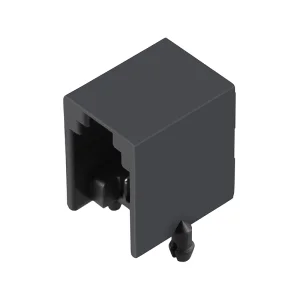
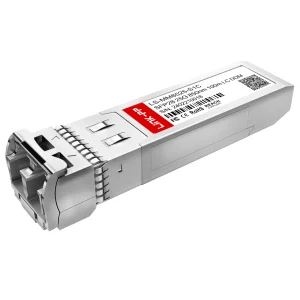
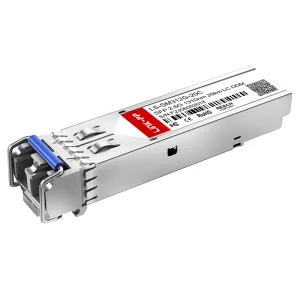
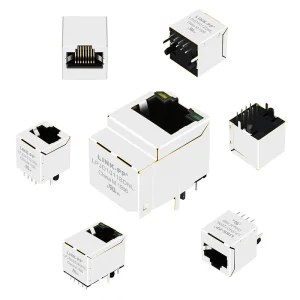
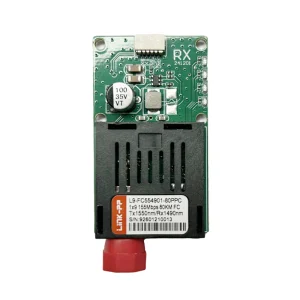
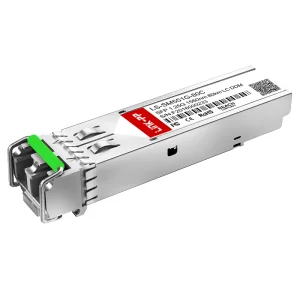
Modern train systems and roadside control cabinets require switches that can withstand continuous vibrations and high temperatures. In rail operations, EN 50155 compliant switches utilize rugged M12 or reinforced waterproof RJ45 ports (such as the Waterproof Vertical Cat5e Cat6 Cat7 modular jack) to connect surveillance cameras, ticketing systems, and onboard train controls. These setups use optical uplinks, utilizing rugged transceivers like the Single Mode 155M BiDi 1x9 or 1G SFP Module 80km, to span long trackside distances without signal loss.
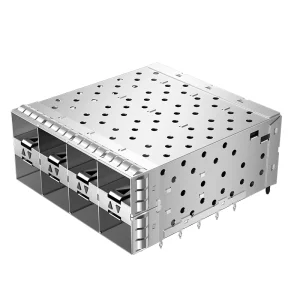
Under the Industry 4.0 framework, real-time feedback loop applications require deterministic communication. High-speed multi-port assemblies like the 2x4 Port For PoE Cat5e 2.5G Jack RJ45 Connector provide both the high-frequency bandwidth (2.5 Gbps) needed by high-resolution machine vision cameras and the power required to run them (PoE). This integration simplifies wiring, cuts installation costs, and reduces potential failure points in automated packaging, assembly, and quality control lines.
Substations are high-voltage environments prone to intense electromagnetic fields. Standard switches will fail in these conditions due to electrical noise coupling onto the copper lines. Industrial switches deployed here conform to IEC 61850-3 and IEEE 1613 standards. They leverage shielded magnetic RJ45 connectors for short-range local connections alongside optical transceivers, such as the SFP-GE-Z Compatible 1000BASE-ZX SMF 80km module, to isolate communications across different areas of the grid, ensuring zero electromagnetic coupling.
The industrial networking market is moving rapidly toward high-bandwidth, software-defined architectures. Key trends for the next 5 to 10 years include:
Complete your deployment specifications with our range of high-isolation transformers, SFP cages, and industrial-grade transceiver modules.
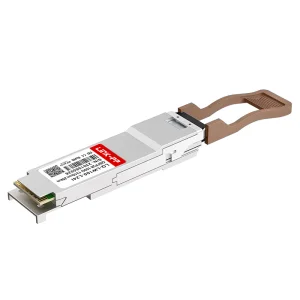
Founded in 2016, Novafiber is a professional optical transceiver and connectivity component manufacturer. We specialize in high-performance communication solutions designed for global data centers, telecom operators, and harsh industrial networks.
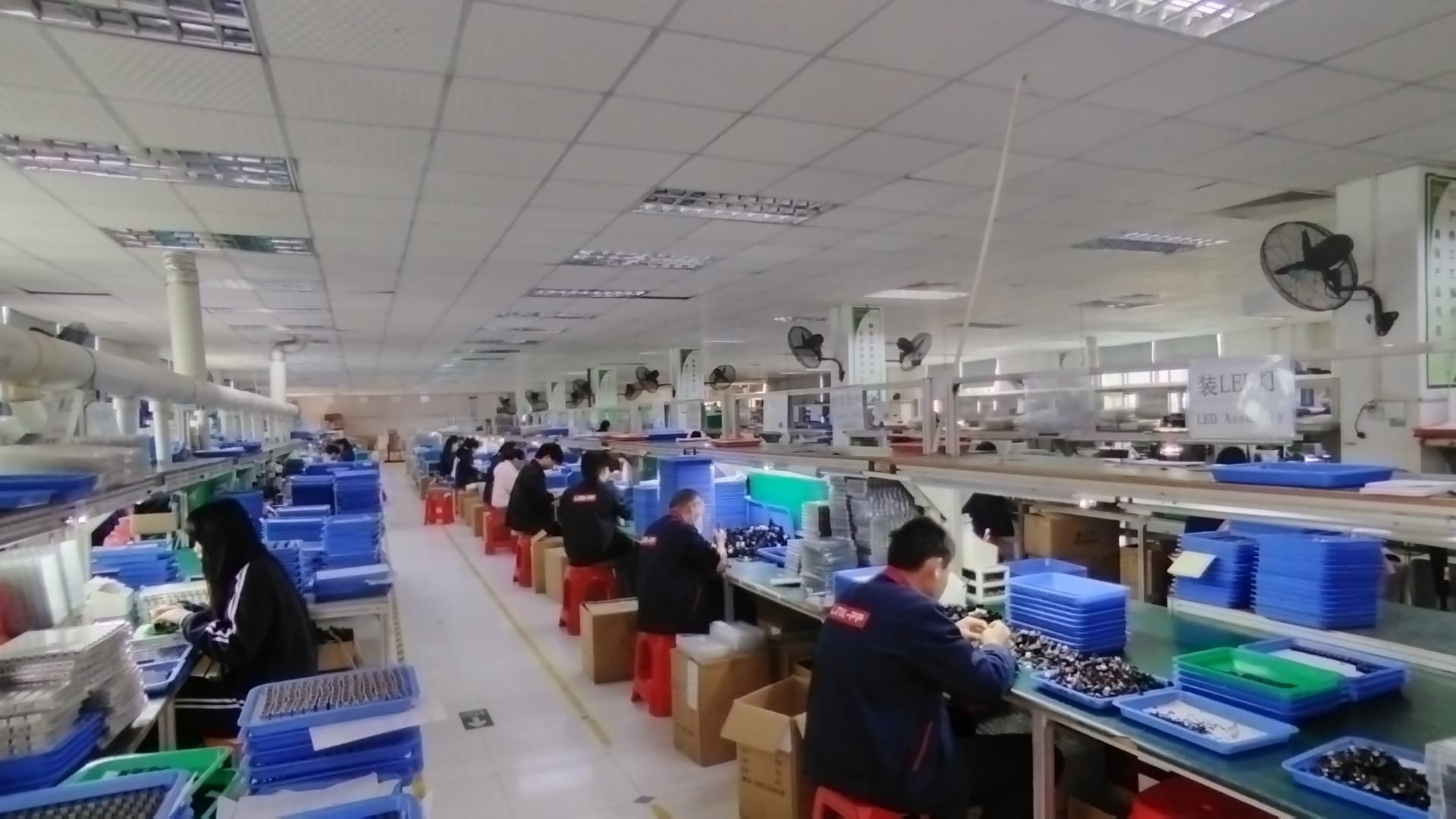
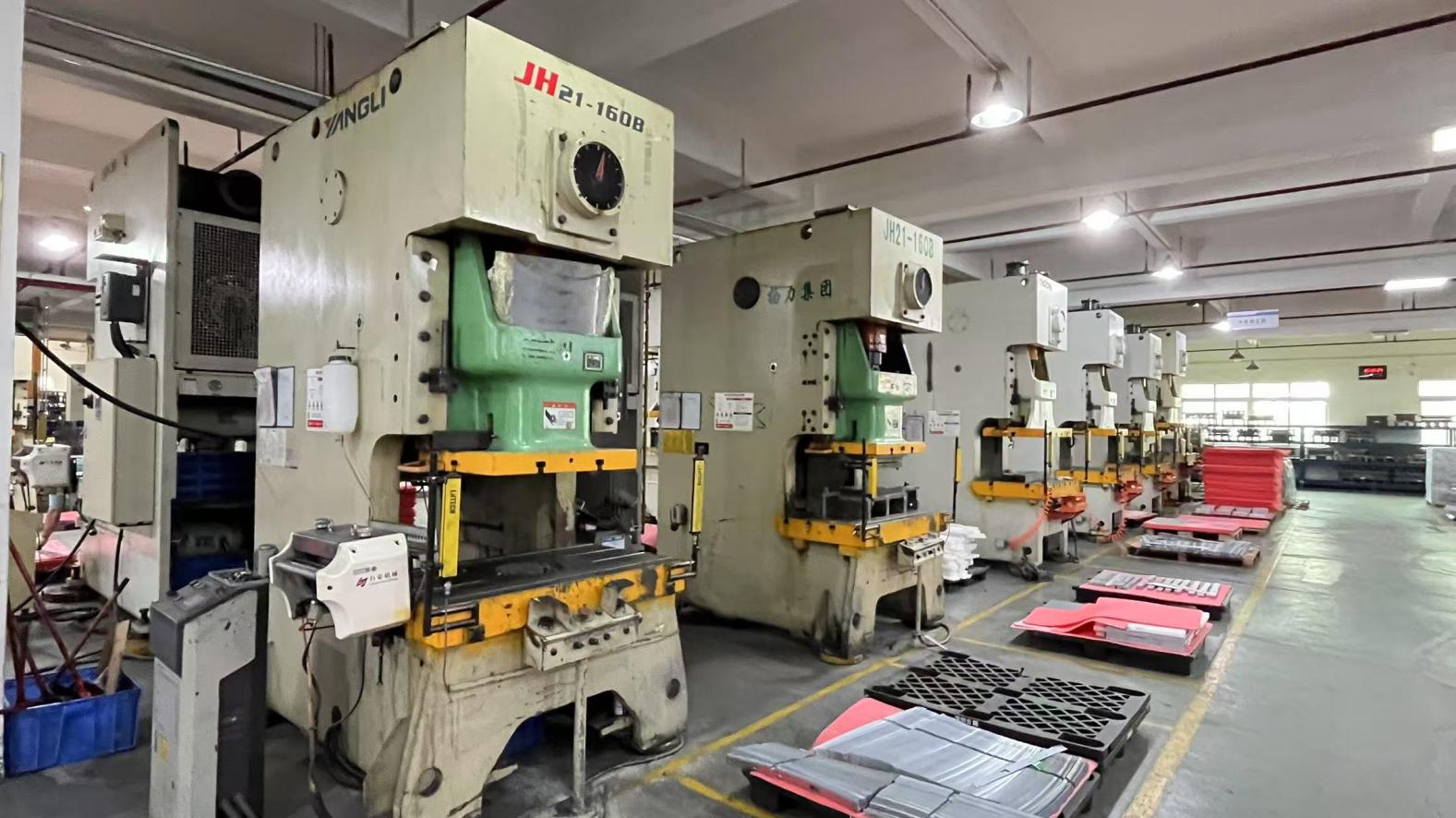
Operating a state-of-the-art 420㎡ manufacturing facility, Novafiber combines over 9 years of industry experience with 7 years of international trade expertise. We export to customers in North America, Europe, Southeast Asia, and the Middle East, generating an annual export revenue of USD 8.5 million.
To support high-mix, low-volume and scale-flexible industrial orders, Novafiber maintains active collaborations with more than 1,200 supply chain partners. Our R&D team of 180 engineers provides deep OEM/ODM customization services, covering custom firmware configurations, mechanical port design variations, and thermal profile matching to meet specific system integration requirements.
 Novafiber