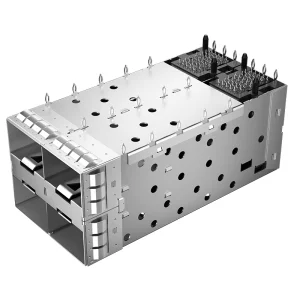
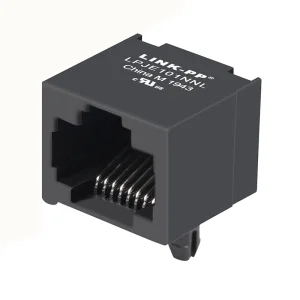
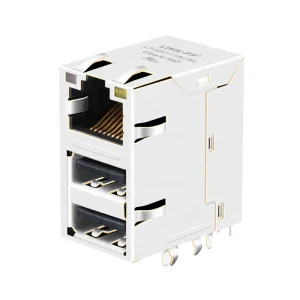
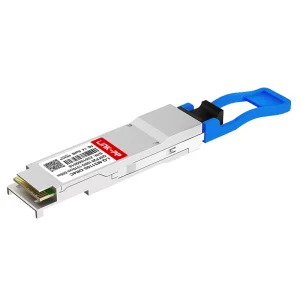
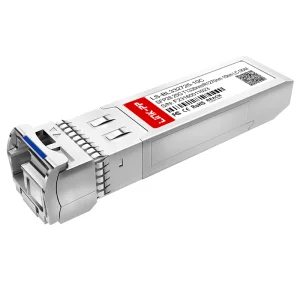
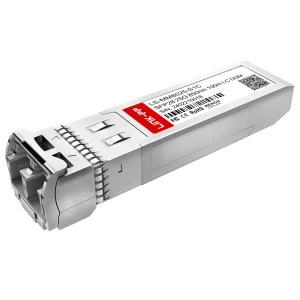
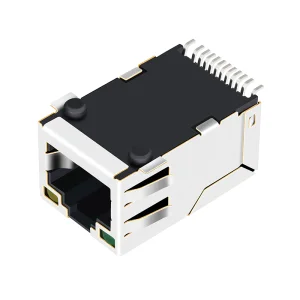
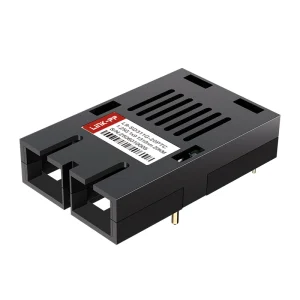
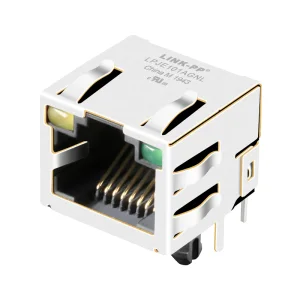
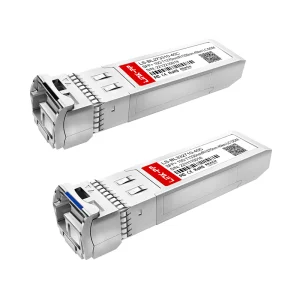
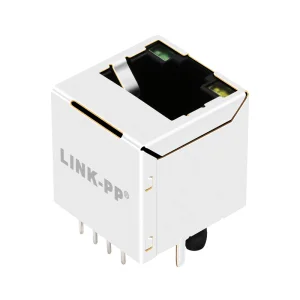
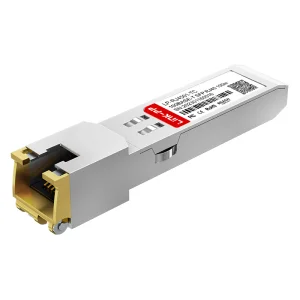
Explore our industry-grade RJ45 magnetic connectors, transceivers, and EMI-shielded cage assemblies optimized for high-bandwidth networks.
Modern telecommunication networks demand unprecedented levels of performance, packaging density, and electromagnetic reliability. As enterprise infrastructures transition toward hyperscale deployments, the engineering design of physical layer interconnections has become a primary bottleneck. High-density RJ45 connectors solve this dilemma by squeezing multi-port arrays (e.g., 2x1, 2x2, 2x8 stacked configurations) into minimal PCB real estate. This space-saving design is critical for core switches, enterprise routers, and telecom central offices.
However, packing physical ports tightly compromises thermal performance and signal integrity if not properly managed. Leading global suppliers address this with integrated magnetics (MagJacks) that provide circuit isolation, impedance matching, and electromagnetic interference (EMI) suppression in a single metal-shielded envelope. Implementing these modules eliminates discrete filters, shortens signal trace paths, and drastically reduces crosstalk (NEXT and FEXT), ensuring error-free data packets at Gigabit and multi-Gigabit speeds.
Optimizing Top-of-Rack (ToR) and End-of-Row (EoR) switches with dense copper patching, maintaining up to 48 ports in a single 1U shelf space, ensuring minimum return loss.
Deploying robust, vibration-resistant, and high-temp operational RJ45 systems inside factory automation cells featuring IP20 to IP67 ingress protection standards.
Providing hybrid copper/optical transport interfaces at cell sites that demand integrated Power-over-Ethernet (PoE++) support up to 90W to supply remote radio heads.
Established in 2016, Novafiber Communications Co., Ltd. represents the cutting-edge of optical transceivers and high-density copper interconnect engineering.
The international market for high-density RJ45 jacks and multi-port cages is characterized by a push toward higher bandwidth capabilities (Cat6a, Cat8, and multi-gigabit Ethernet interfaces). System equipment manufacturers are demanding connectors that not only support 10GBASE-T networks but also incorporate shielding designed to suppress the high-frequency radiation that occurs in high-density rack enclosures.
Globally, suppliers are split into tier-one multi-national corporations providing standard product lines, and agile specialized ODM/OEM manufacturers like Novafiber. Specialized manufacturers offer localized, quick-turn customization for proprietary board architectures. As copper and optical technologies merge in hybrid networks, purchasing managers increasingly look to single-source suppliers who can bundle copper RJ45 solutions with SFP+, QSFP28, and high-speed transceivers. This reduces integration headaches, simplifies vendor management, and decreases total cost of ownership (TCO).
| Interface Type | Bandwidth Limit | Target Applications | Integrated Magnetic Requirements | Shielding Efficiency |
|---|---|---|---|---|
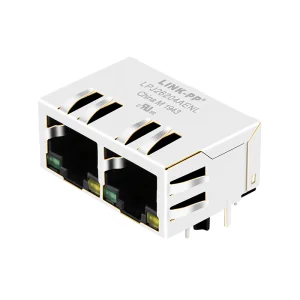
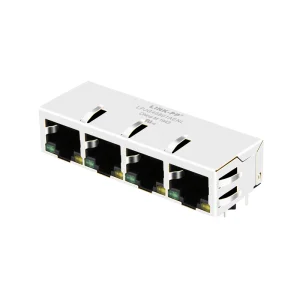
| RJ45 Multi-port Jack (Cat5e/6) | 1 Gbps | Enterprise LAN, IP Surveillance | Optional (Common Mode Choke) | Medium (~30dB at 100MHz) |
| High-Density Cat6A MagJack | 10 Gbps | Top-of-Rack Switches, NAS Servers | Mandatory (Integrated PHY Magnetics) | High (~50dB at 500MHz) |
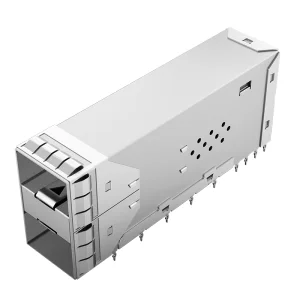
| ZSFP+ Cage & Connector (2x1 / 2x2) | 28 Gbps per channel | High-Performance SAN, Edge Datacenters | Transceiver Dependent (Differential signaling) | Premium (Multi-point grounding tabs) |
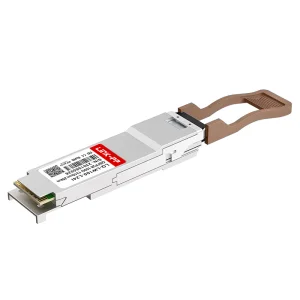
| QSFP28 Assemblies (100G) | 100 Gbps aggregate | Spine-Leaf Datacenter Fabric | Optical/Direct Attach Copper (DAC) | Maximum EMI Suppression (360° Shielding) |
A primary concern for international electronics distributors and system integrators is ensuring that all interconnect components comply with local environmental laws and standards. Non-compliant connectors risk delays at customs, steep fines, and product recalls. Therefore, certified suppliers must rigorously verify materials used in high-density components, including lead-frame plating materials, plastic housings, and solder alloys.
100% elimination of hazardous substances (lead, mercury, cadmium, hexavalent chromium). Every connector uses high-temperature, halogen-free LCP plastics that endure lead-free wave soldering reflow temperatures up to 260°C.
Materials selection guarantees safety in high-current applications (like PoE++ up to 90W per port), where heat build-up within bundled cabling requires self-extinguishing housing characteristics.
Verification testing includes mechanical lifecycle testing (minimum 750 mating cycles), industrial mixed-gas corrosion testing, vibration resistance, and vector network analyzer (VNA) signal integrity scanning.
Different deployment environments demand unique design priorities. Here is how specialized engineers select and deploy high-density connectors across localized, real-world fields:
Objective: Upgrade on-board infotainment and control systems in high-speed trains.
Challenge: Extreme vibration, continuous mechanical shocks, and space constraints in cabinet enclosures.
Solution: The integration of multi-port press-fit connectors (such as the 2007417-8 TE Replacement SFP+ Cage) with through-hole press-fit pins. Press-fit technology bypasses manual solder inspection and forms a gas-tight interface that does not degrade under physical vibration.
Objective: Coordinate thousands of outdoor surveillance cameras in high-ambient-heat cities.
Challenge: Operating switches in uncooled street cabinets where temperatures reach up to 65°C, demanding reliable PoE delivery.
Solution: Implementing industrial-grade magnetic jacks with integrated PoE capabilities (like the V891-1XX1-R1 vertical MagJack). Using vertical RJ45 jacks allows engineers to optimize internal board layout for efficient heatsink placement, ensuring proper heat dissipation.
The horizon of physical-layer networking is moving in two distinct directions: increasing density for low-overhead sensor networks, and expanding bandwidth limits for primary data paths. For industrial automation, Single Pair Ethernet (SPE) is emerging as a critical standard. Under IEEE 802.3cg/bu, SPE transmits data and power over a single twisted pair of copper wires up to 1000 meters. This dramatically reduces cabling weight and connector size compared to standard 4-pair RJ45 connectors, facilitating ultra-high-density ports on edge micro-controllers.
Conversely, data centers demand the bandwidth capabilities of Category 8 (Cat8) cabling, which supports speeds of 25 Gbps and 40 Gbps over distances up to 30 meters. This requires connectors with precision internal shielding to control high-frequency crosstalk up to 2 GHz. The next generation of high-density RJ45 designs will feature advanced active circuitry integrated directly into the connector body, allowing real-time port diagnostic screening and signal-boosting capabilities at the physical interface layer.
Clarifying key architectural and operational parameters for system design engineers and procurement officers.
Optimizing edge systems with BiDi transceivers, standard magnetic jacks, and vertical mount RJ45 hardware.
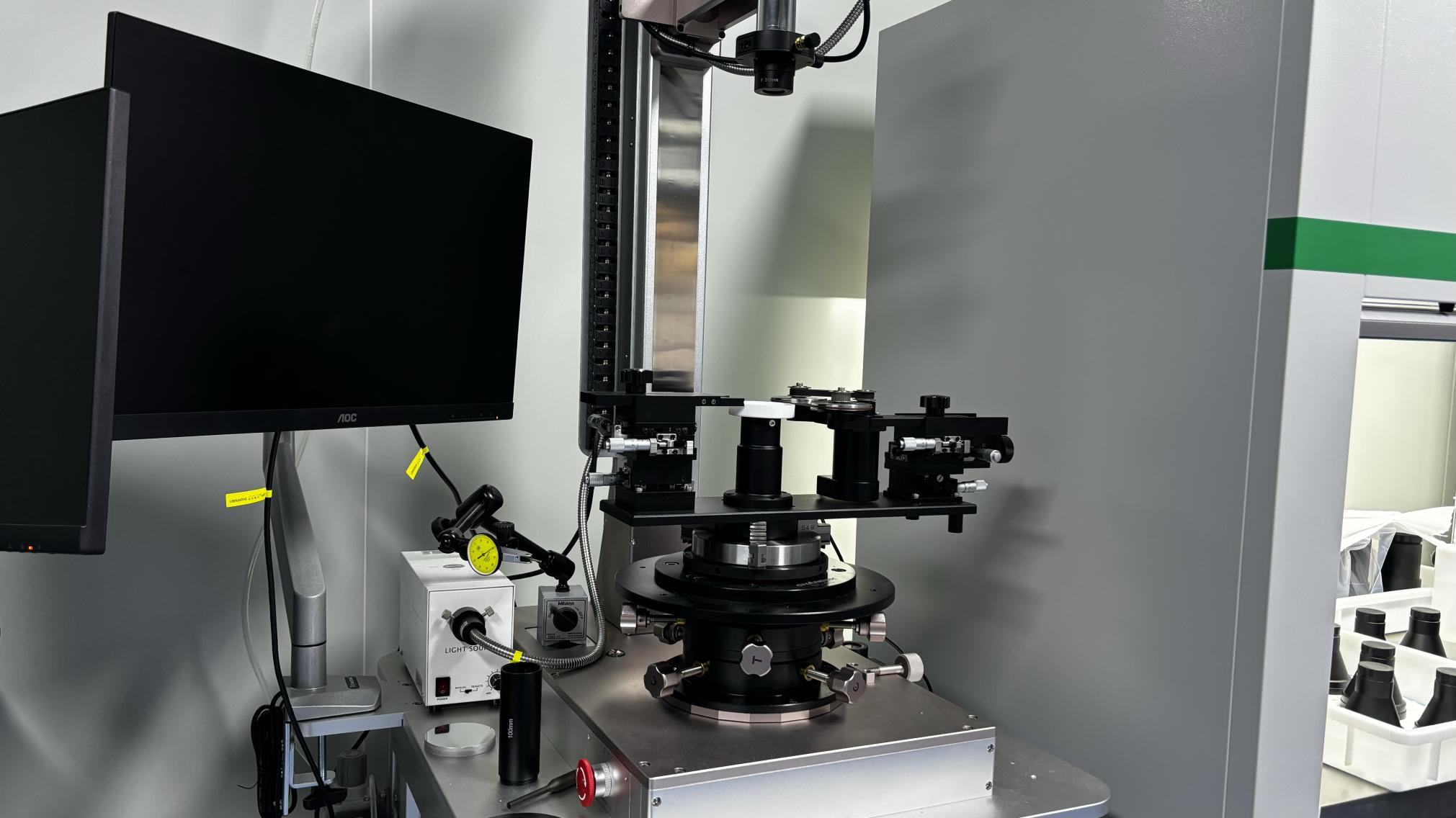
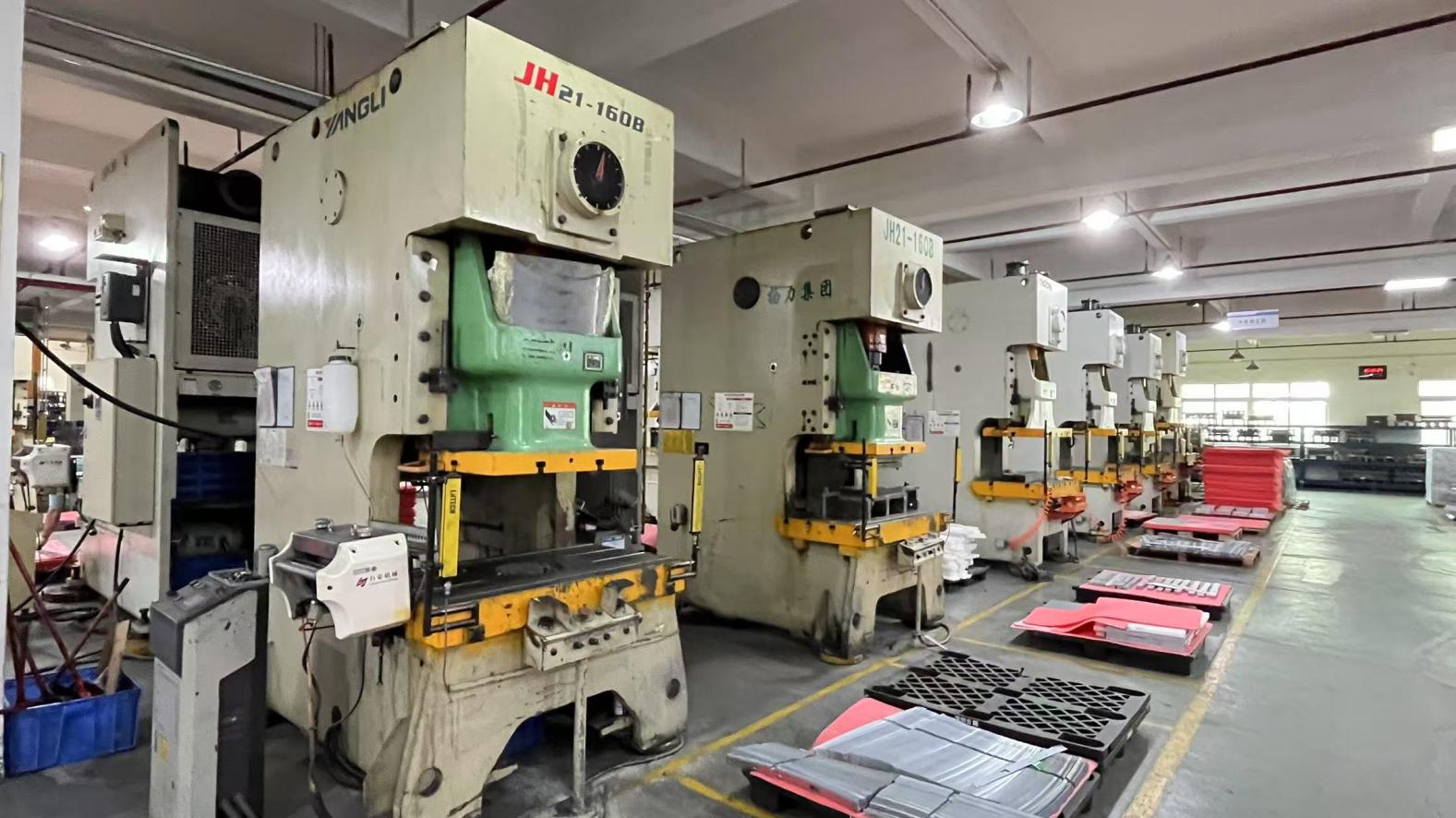
Take a virtual walk through our advanced production lines, automated testing centers, and cleanrooms.


 Novafiber