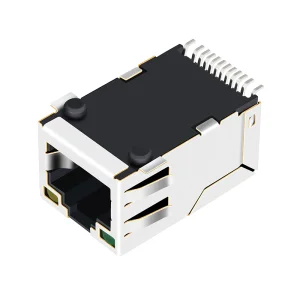
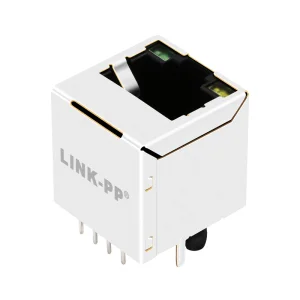
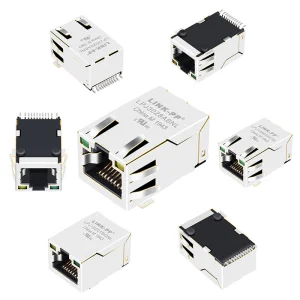
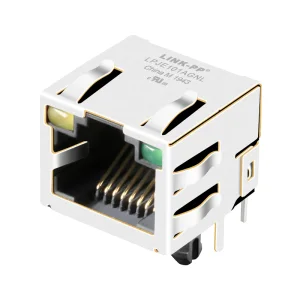
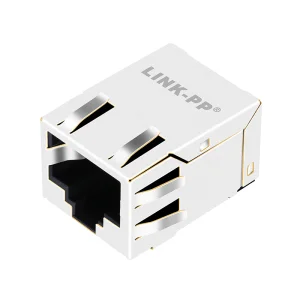
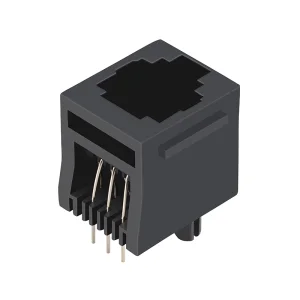
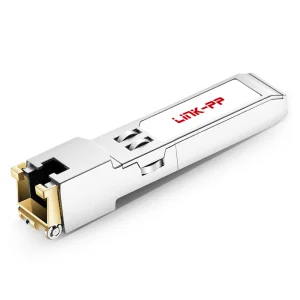
Engineered to rigorous IPC standards, featuring optical isolation, transient voltage suppression, and industrial-grade thermal stability.
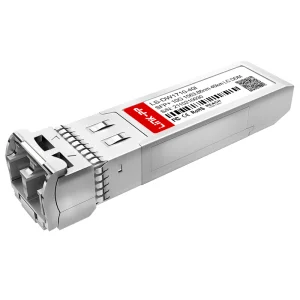
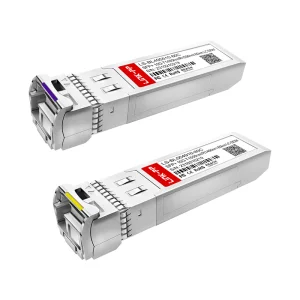
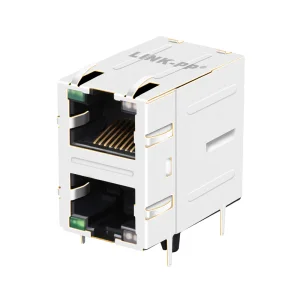
Analyzing the migration from legacy serial protocols to high-bandwidth, optically isolated, and fiber-bridged networking architectures.
Despite rapid shifts toward Ethernet and optical fibers, legacy serial protocols (RS-232, RS-485, RS-422) remain the operational bedrock for industrial PLCs, SCADA units, and medical diagnostic instruments. Modern China serial port adapter factories bridge this 30-year technology gap by combining classic UART controller chips with high-speed optical converters and Ethernet bridges.
Heavy industrial environments suffer from high Ground Loop Potentials (GLP) and Electrostatic Discharge (ESD). Contemporary China suppliers integrate 2.5kV to 5kV RMS optical isolation barriers alongside TVS (Transient Voltage Suppressor) arrays within DB9, DB25, and modular RJ45 interface designs, preventing catastrophic systemic hardware failures.
With the rise of localized compute clusters, serial data feeds are no longer isolated. Modern adapters transform raw serial streams into packetized TCP/IP frames or DWDM/SFP+ optical payloads, enabling real-time telemetry streaming into centralized cloud AI engines and automated SCADA dashboards without latency degradation.
How Tier-1 OEM/ODM manufacturers leverage vertical integration, high-density SMT lines, and automated screening to maintain market leadership.
| Manufacturing Dimension | Traditional Regional Suppliers | China Industry 4.0 Tier-1 Suppliers | Operational Impact |
|---|---|---|---|
| SMT Placement & Precision | Manual / Semi-Automated SMT lines | High-Speed Automated SMT (0201 component placement capability) | 99.98% component alignment accuracy; minimized parasitic capacitance. |
| Testing Protocols | Batch Sampling (1-5% statistical audit) | 100% Automated Optical Inspection (AOI) + Environmental Stress Screening (ESS) | Zero-defect delivery for mission-critical industrial deployment. |
| Component Traceability | Paper-based batch tracking | Full MES Real-Time RFID & Serial Number Traceability | Instant root-cause isolation and complete lifecycle transparency. |
| BOM Customization & Lead Time | 12–16 weeks lead time | 2–4 weeks via local supply cluster ecosystems (>1,200 partners) | Rapid response to market demand shifts and customized OEM requests. |
China’s dominance in the global serial port adapter and optical transceiver manufacturing space stems from a deeply integrated ecosystem. Facilities located in electronics hubs like Shenzhen, Dongguan, and Suzhou possess hyper-localized component sourcing options—ranging from specialized transformers and RJ45 modular jacks to high-speed optical lasers and IC chipsets. This physical proximity allows engineering teams to perform rapid prototype iterations, scaling from PCB design to full mass production within remarkably short turnarounds.
Understanding the critical physical-layer parameters that differentiate standard consumer converters from enterprise industrial serial adapters.
While RS-232 relies on single-ended voltage levels relative to a common ground (making it vulnerable to noise beyond 15 meters), RS-485 and RS-422 utilize differential pair voltage signaling (Data+ and Data-). Premium serial adapters employ high-slew-rate transceivers to guarantee multi-drop communication up to 1,200 meters (4,000 feet) at baud rates exceeding 115.2 kbps, maintaining signal clarity across industrial plant floors.
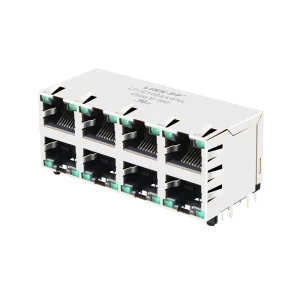
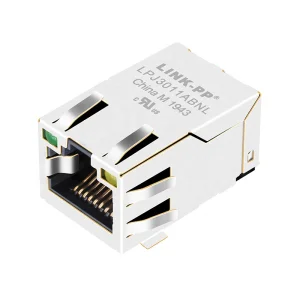
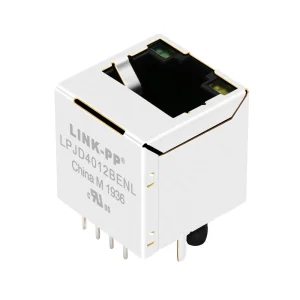
To eliminate electromagnetic interference (EMI) and radio-frequency interference (RFI), modular adapters integrate advanced RJ45 jacks with built-in magnetic transformers and metallic shielding cages. These components provide common-mode rejection, 15kV ESD protection, and 1500V isolation, preventing high-voltage spikes from propagating back into core networking switches.
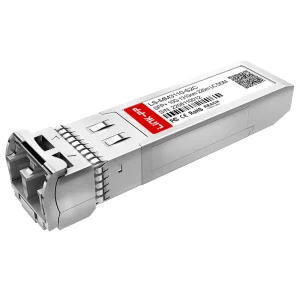
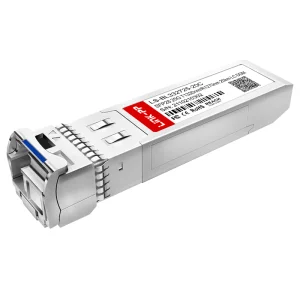
When physical copper cabling reaches distance limitations or encounters extreme high-voltage electrical fields (such as electrical power substations), industrial fiber optical converters step in. By converting electrical serial signals into light pulses via SFP or BiDi modules, data can travel up to 80km over Single Mode Fiber without susceptibility to EMI.
Novafiber Communications Co., Ltd. is a premier professional optical transceiver and industrial interconnect manufacturer specializing in high-performance connectivity solutions for global data centers, telecom operators, and enterprise industrial networks.
Founded in 2016, Novafiber has built deep engineering and high-density manufacturing capabilities across its modern manufacturing facility spanning 420㎡. With over 9 years of specialized industry experience and 7 years of international export expertise, Novafiber has established itself as an authoritative leader in the global optical and industrial hardware market.

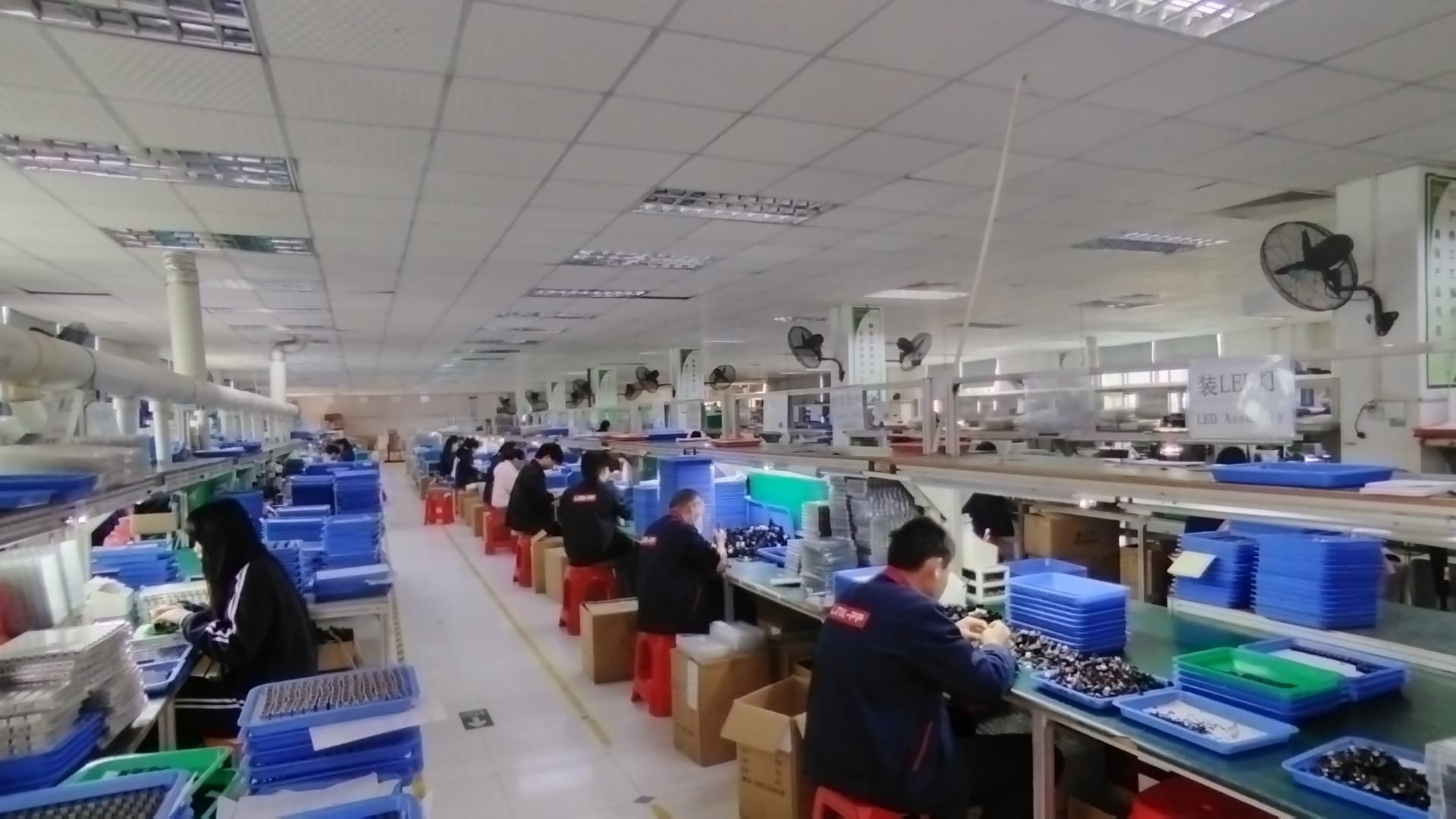

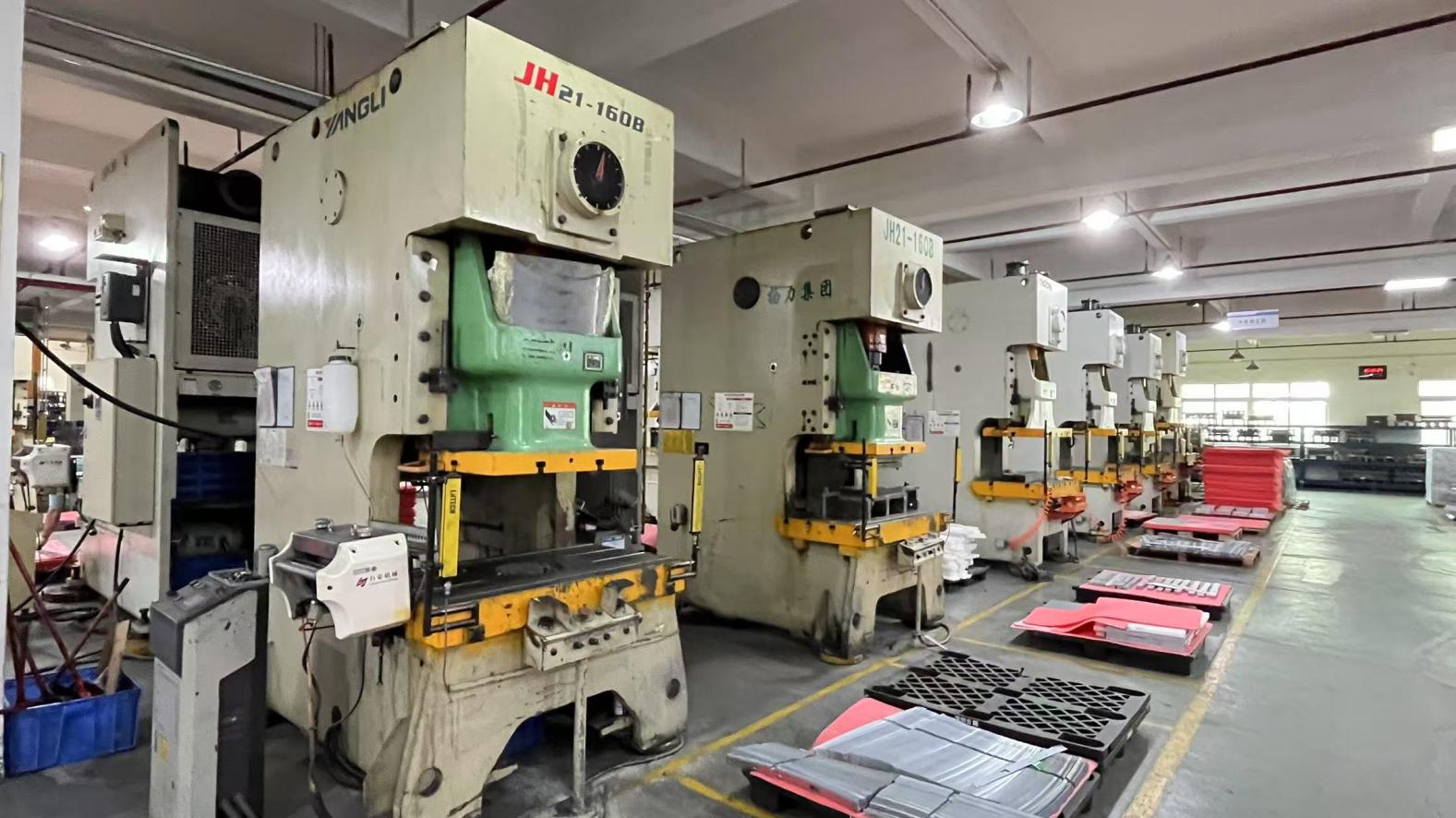
Novafiber maintains an elite quality control team consisting of 65 dedicated quality inspection personnel. Operating in strict accordance with IPC standards, every manufactured unit undergoes automated optical testing and Environmental Stress Screening (ESS). Product reliability is verified through 100% functional testing, full burn-in procedures, and high-temperature aging tests prior to global shipment.
Serving client networks across North America, Europe, Southeast Asia, and the Middle East, Novafiber excels at turnkey OEM/ODM customization. Capabilities include custom protocol adaptation, laser wavelength tuning, custom firmware development, private labeling, and customized structural packaging solutions ranging from 1G to 800G optical transceivers and modular RJ45 serial interfaces.
Deployment topologies across demanding commercial, telecommunication, and heavy industrial environments worldwide.
High-voltage power distribution facilities utilize RS-485 serial port adapters equipped with 3kV galvanic isolation and optical SFP fiber links. This prevents ground potential surge jumps caused by lightning strikes or breaker switching, keeping remote terminal units (RTUs) and protection relays fully operational.
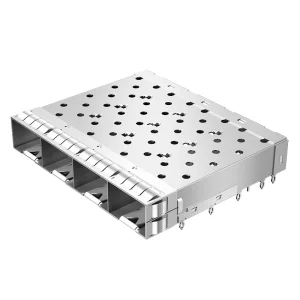
Modern data center racks rely on high-density ganged SFP+ cages and stacked RJ45 connectors to link Out-of-Band (OOB) serial console management servers to top-of-rack (ToR) switches, enabling 24/7 remote administration without interrupting main data throughput pathways.
Robotic arms, conveyor sensors, and vision inspection systems exchange real-time status via industrial RS-232/422 to Ethernet serial device servers. Multi-port low-profile RJ45 jacks ensure continuous throughput in space-constrained control cabinets.
Expert engineering insights into selecting, deploying, and sourcing industrial serial port adapters and transceivers.
Complete portfolio of SMT RJ45 modular jacks, SFP28/SFP+ optical modules, and copper transceiver interfaces.
 Novafiber