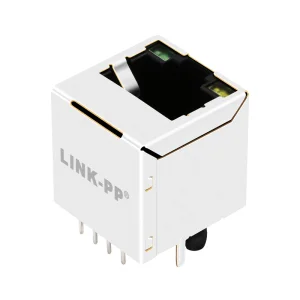
In an era dominated by hyper-scale cloud data centers, the industrial Internet of Things (IIoT), and the integration of edge computing architectures, high-performance physical layer connectivity remains the bedrock of structural system engineering. While optical fiber technology dominates the long-haul and metro backplanes, copper-based Ethernet, powered by the ubiquitous RJ45 Ethernet socket, continues to reign supreme in edge access layers, enterprise local area networks (LANs), and harsh industrial automation settings. The persistent relevance of RJ45 socket technology stems from its unmatched cost-to-performance ratio, installation simplicity, and compatibility with Power over Ethernet (PoE) specifications.
The global demand for high-reliability RJ45 sockets is rising due to advancements in transmission speeds. Modern RJ45 jacks must do more than just make physical contact; they are sophisticated electromagnetic components engineered to handle high frequencies up to 500 MHz (Cat6A) and even 2000 MHz (Cat8). To achieve this without signal degradation, engineers must design connectors that address return loss, near-end crosstalk (NEXT), and electromagnetic interference (EMI). Choosing the right RJ45 socket supplier is no longer a simple purchasing decision; it is a critical engineering partnership that directly impacts system uptime, data throughput, and overall structural reliability.
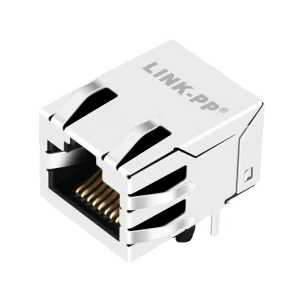
A high-quality RJ45 Ethernet socket relies on precise materials science and geometry. The contact pins, typically made of phosphor bronze, require gold plating thickness ranging from 3u" to 50u" to resist oxidation and maintain low contact resistance (usually under 20 mΩ) over hundreds of insertion cycles. Furthermore, the housing material must withstand high temperatures (UL 94V-0 rated LCP or Nylon) during lead-free wave or reflow soldering without warping or lose structural integrity.
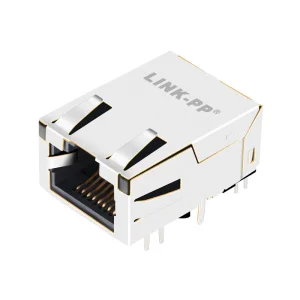
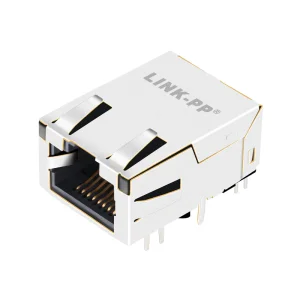
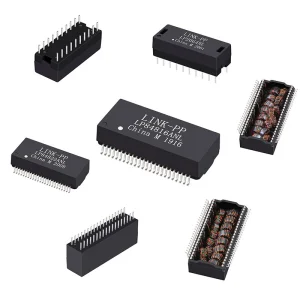
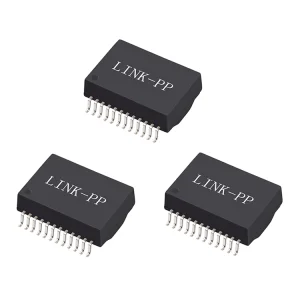
Additionally, modern RJ45 designs increasingly integrate magnetic components directly into the connector housing. These integrated magnetic jacks (commonly referred to as MagJacks) incorporate isolation transformers, common-mode chokes, and termination resistors. By placing these components inside the RJ45 socket shell, system designers can significantly reduce PCB footprint, minimize electromagnetic radiation, and improve resistance to ESD (electrostatic discharge). This level of integration is essential for demanding telecom hardware, where space constraints and thermal management are key concerns.
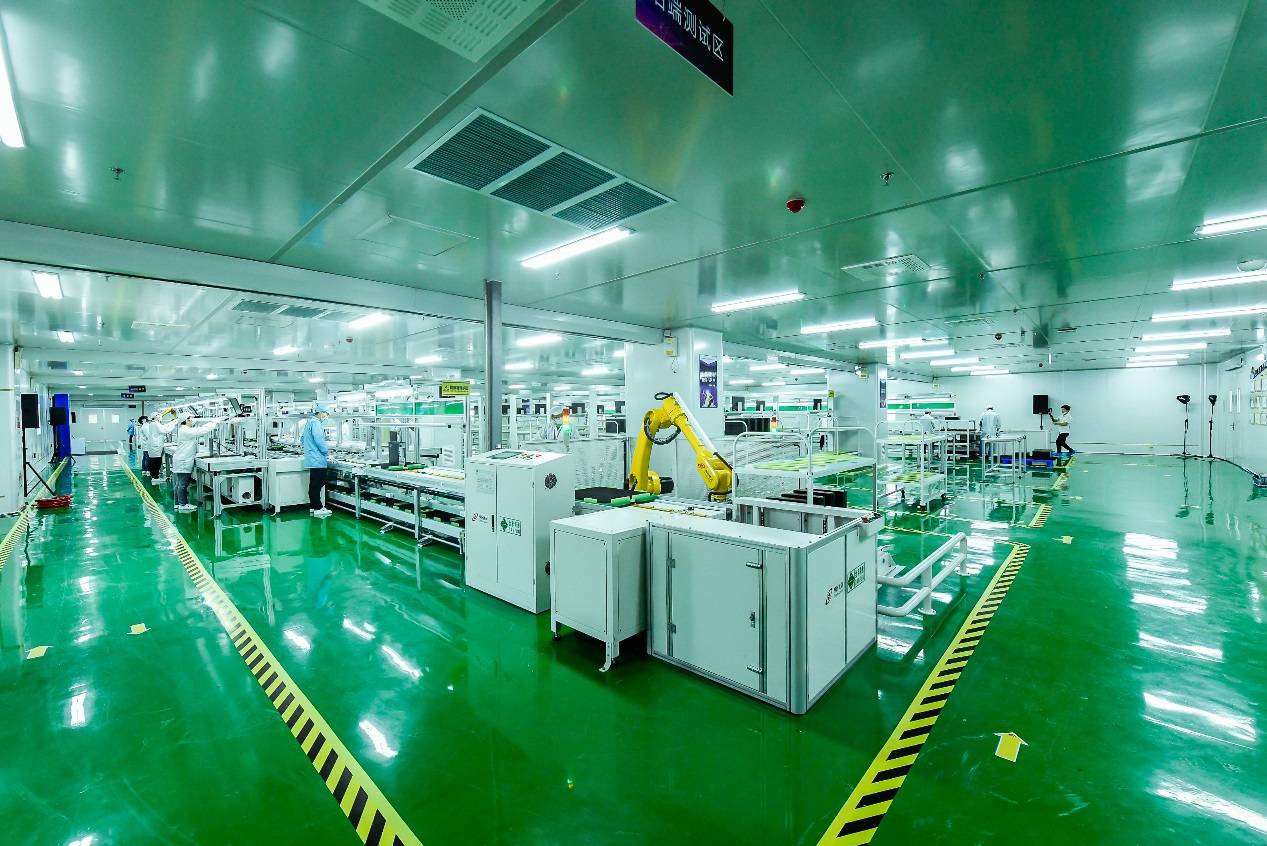
China is the global hub for electronic component manufacturing, offering significant advantages in vertical supply chain integration, precision tooling, and fast prototyping. Industry-leading manufacturers like Novafiber Communications Co., Ltd. demonstrate how Chinese factories have moved beyond low-cost assembly to deliver advanced precision engineering. Novafiber combines specialized cleanroom facilities with a broad network of over 1,200 supply chain partners, enabling the scale and speed needed to meet global demand.
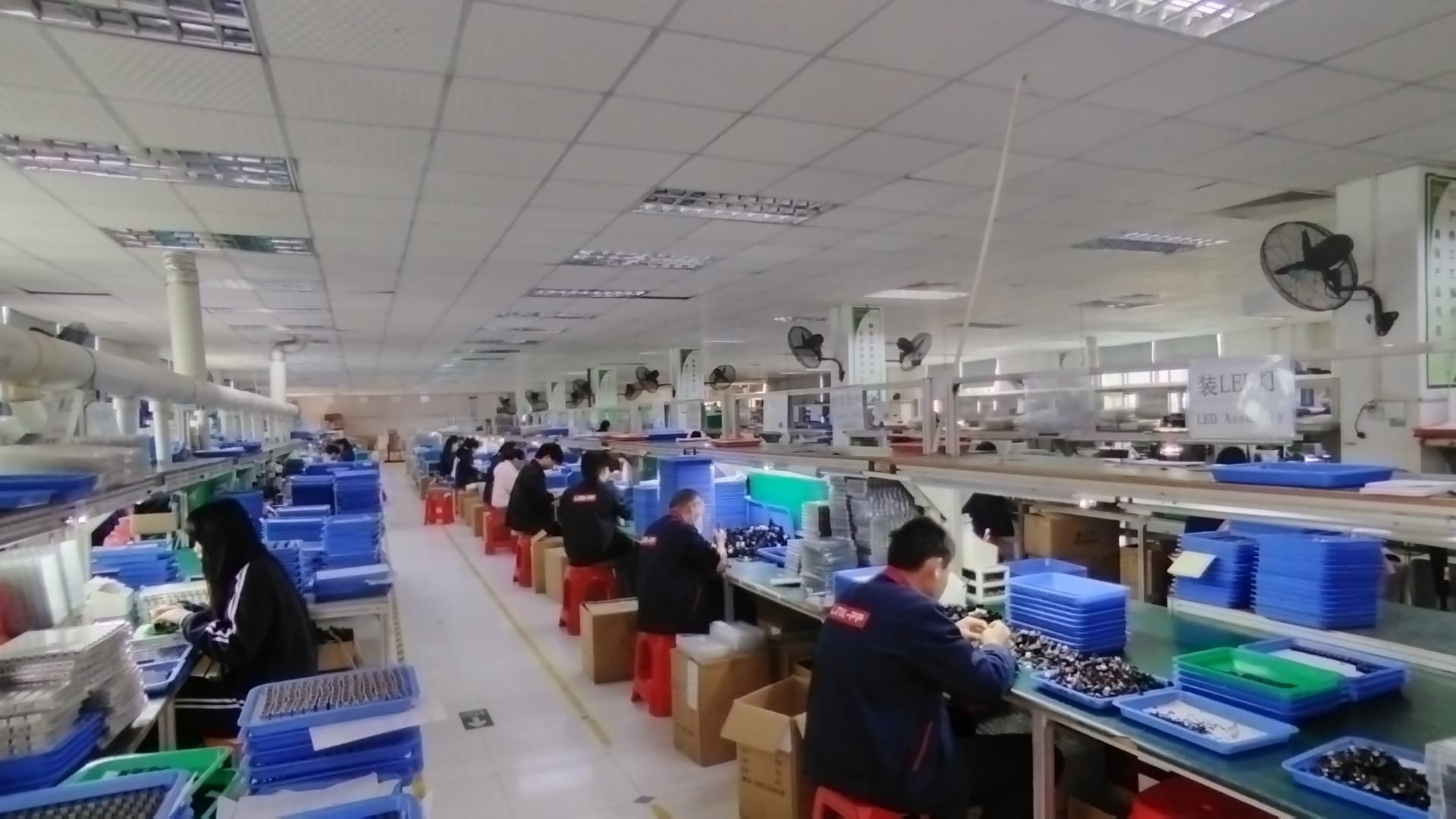
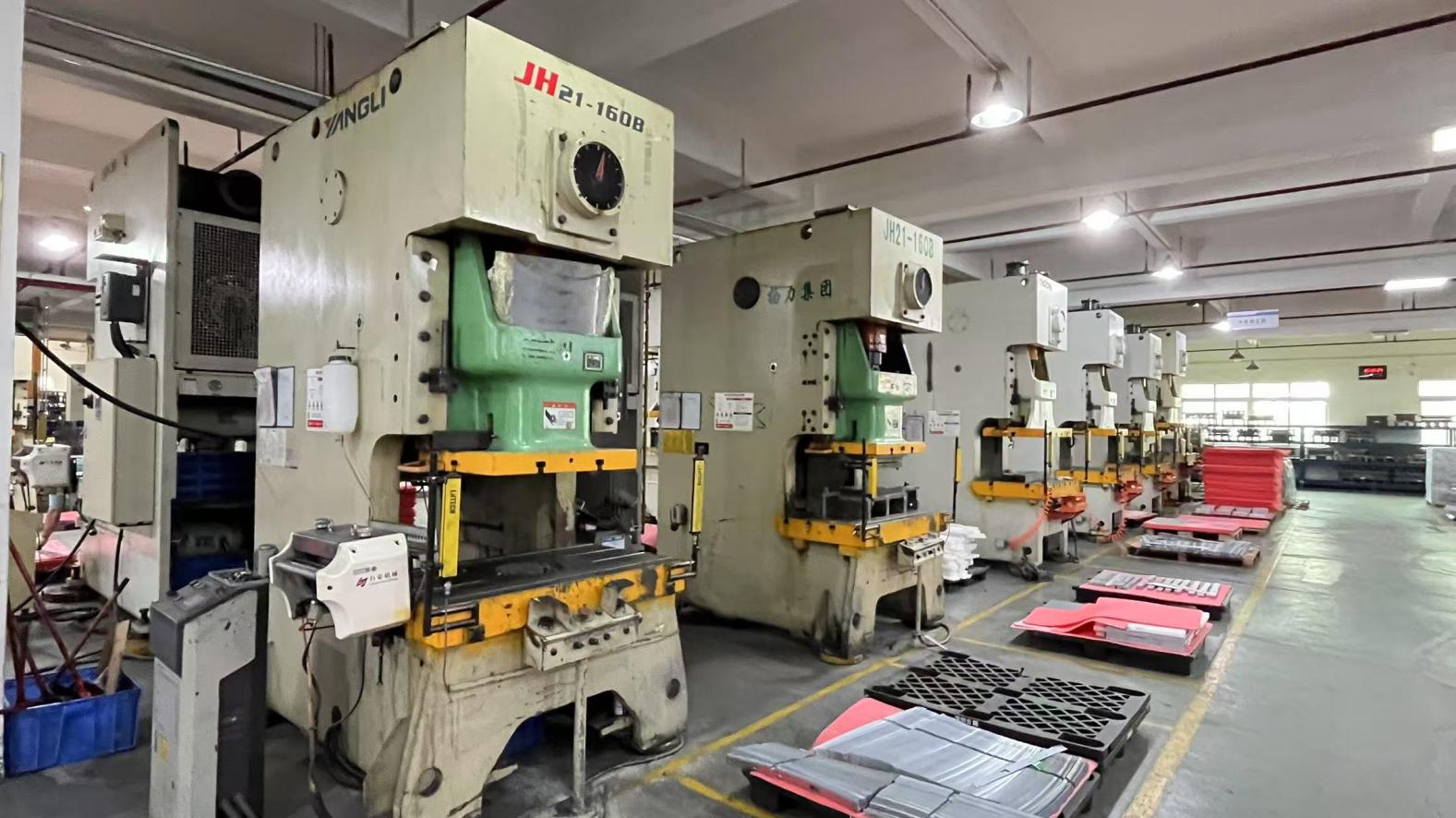
The core advantage of Chinese component manufacturing lies in complete process control. From internal mold design and high-speed progressive die stamping to automated pin insertion and computerized optical inspection (AOI), every step is optimized for consistency and speed. Our local supply ecosystem ensures fast access to raw materials, including custom plastic resins, high-purity copper alloys, and specialized plating services. This allows us to offer shorter lead times and support diverse OEM/ODM customization requests, such as adjusting grounding tab configurations, modifying LED colors, and customizing shell designs to match unique enclosure specifications.
Additionally, our cost advantage goes beyond low labor costs. It is driven by process automation and high raw material yields. Automated assembly lines run 24/7, using continuous optical scanning to detect defects in real-time. This keeps production quality high, reducing failure rates to parts-per-million (PPM) levels. For global purchasers, this means lower total cost of ownership (TCO) by reducing incoming quality control (IQC) failures and minimizing field returns.
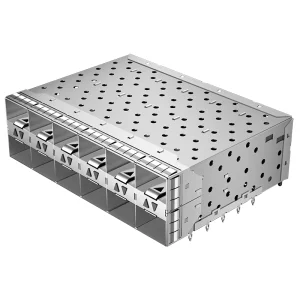
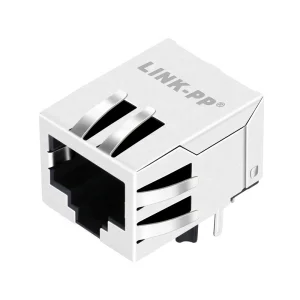
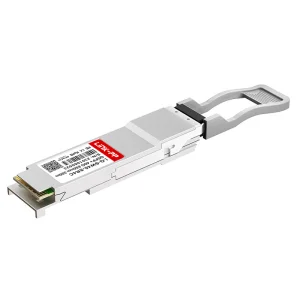
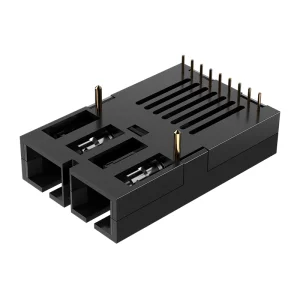
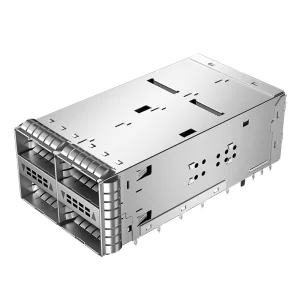
Supporting high-density routing sheets with zQSFP+ and SFP28 cages, paired with low-profile, right-angle RJ45 modular jacks for management ports and high-speed copper uplinks.
Ruggedized, shielded RJ45 sockets with integrated magnetic transformers (like the HST-24001 series) to isolate noise in harsh factory environments running EtherCAT or PROFINET protocols.
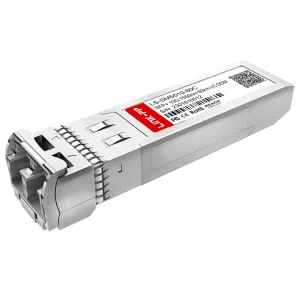
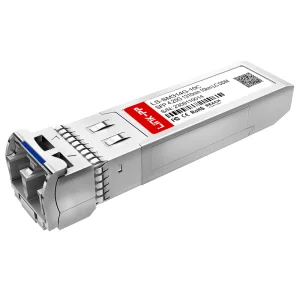
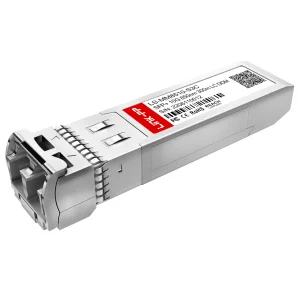
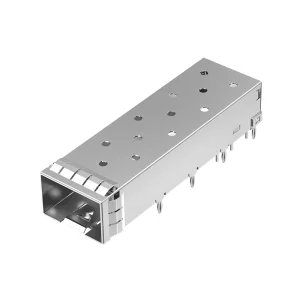
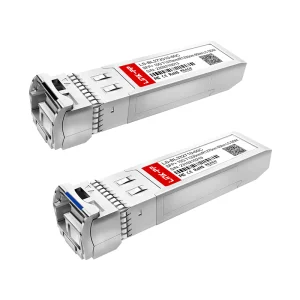
Deploying SFP+ 10G transceivers and high-reliability SFP cages in outdoor small cells and base stations, demanding strict thermal tolerance and superior EMI shielding.
The networking industry is moving rapidly toward higher bandwidth and power delivery over a single interface. Two key trends shaping the future of copper interconnects are PoE++ (IEEE 802.3bt) and Single Pair Ethernet (SPE). PoE++ delivers up to 90W of power, requiring RJ45 socket contacts to handle higher currents without thermal runway. This demand requires premium alloys and precise plating to prevent electrical arcing during under-load unplugging. SPE, on the other hand, reduces weight and complexity in automotive and industrial setups, showing the continuous innovation in copper-based connections.
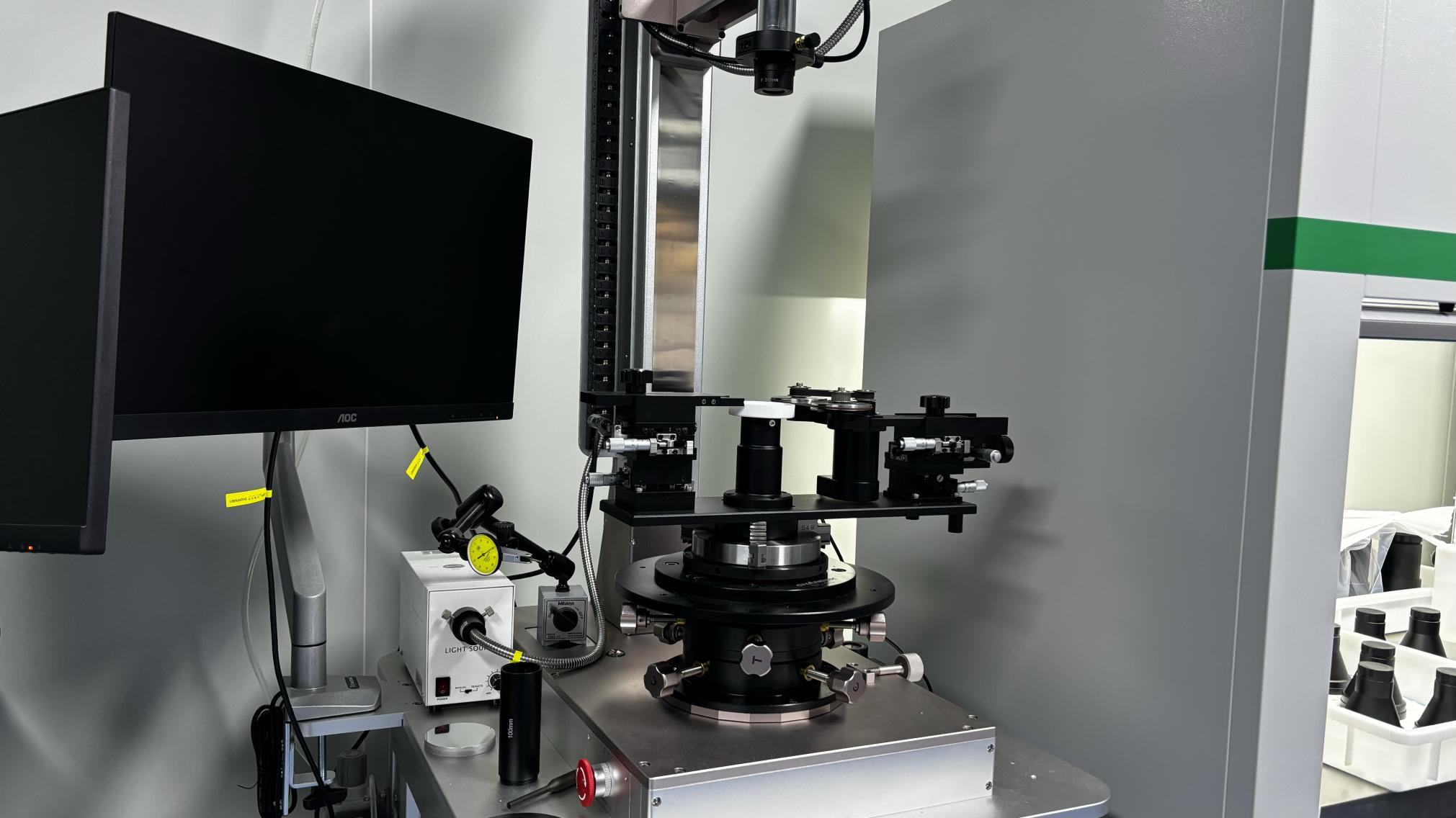
At Novafiber, we align our product engineering with these trends. With 180 experienced R&D engineers, we continuously update our portfolio to meet changing electrical and mechanical requirements. Our testing processes are designed to ensure long-term reliability. We employ 65 dedicated quality inspection personnel to enforce IPC-A-610 class standard compliance. Our testing includes 100% functional tests, automated optical inspections (AOI), and environmental stress screening (ESS), exposing our components to thermal cycles and vibration. This strict process ensures our connectors and transceivers perform reliably in demanding environments worldwide.
 Novafiber