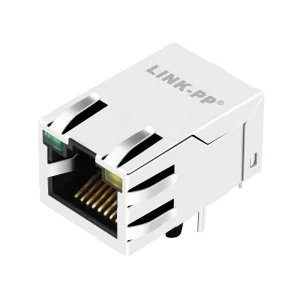
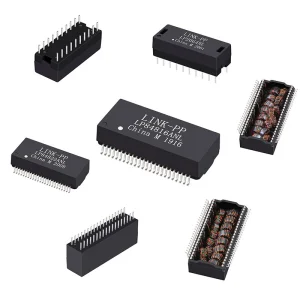
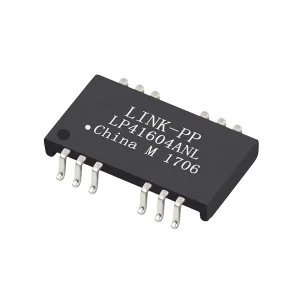
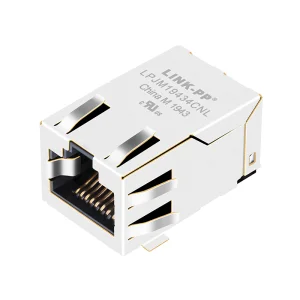
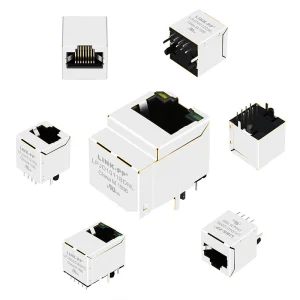
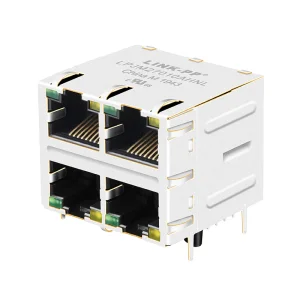
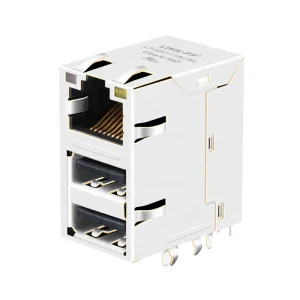
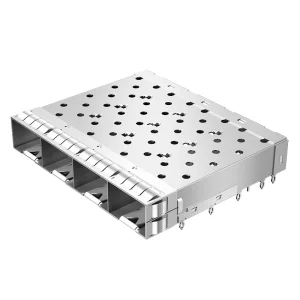
High-performance RJ45 modular jacks, LAN filters, and discrete magnetic components designed to support reliable physical-layer connections.
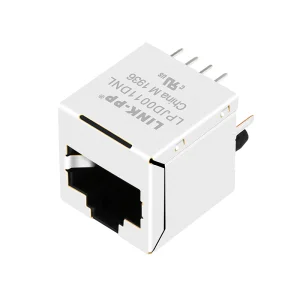
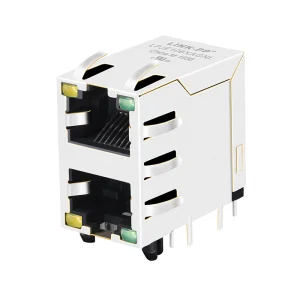
In the era of hyper-connected infrastructures, the reliability of physical-layer interfaces forms the cornerstone of global digital transformation. As cloud-native databases, edge computing architectures, and the Industrial Internet of Things (IIoT) scale exponentially, the demand for high-integrity transmission channels becomes paramount. The RJ45 modular connector remains the globally accepted mechanical interface for twisted-pair copper Ethernet cabling, bridging critical data streams between hardware switches, network appliances, and host servers.
For network architects, design engineers, and systems integrators, securing electrical components from verified CE certified RJ45 modular connector suppliers and exporters is not merely a box-ticking exercise for compliance; it is a strategic requirement to guarantee signal integrity, mechanical longevity, and electromagnetic safety. As transmission speeds escalate from traditional Fast Ethernet (10/100 Mbps) to multi-gigabit regimes (2.5G, 5G, and 10G Base-T), high-speed design parameters such as insertion loss, return loss, and near-end crosstalk (NEXT) must be strictly managed via precision manufacturing.
Our structural analysis indicates that the integration of magnetics directly into the RJ45 housing (commonly referred to as "MagJacks" or integrated connector modules) represents the fastest-growing sub-segment in the copper networking interface category. By shifting discrete magnetics (such as LAN filters and transformers) directly into the connector footprint, developers reduce PCB real estate requirements, limit electromagnetic interference (EMI) paths, and shield sensitive physical-layer transceivers (PHY chips) from hazardous electrostatic discharges (ESD) and line surges.
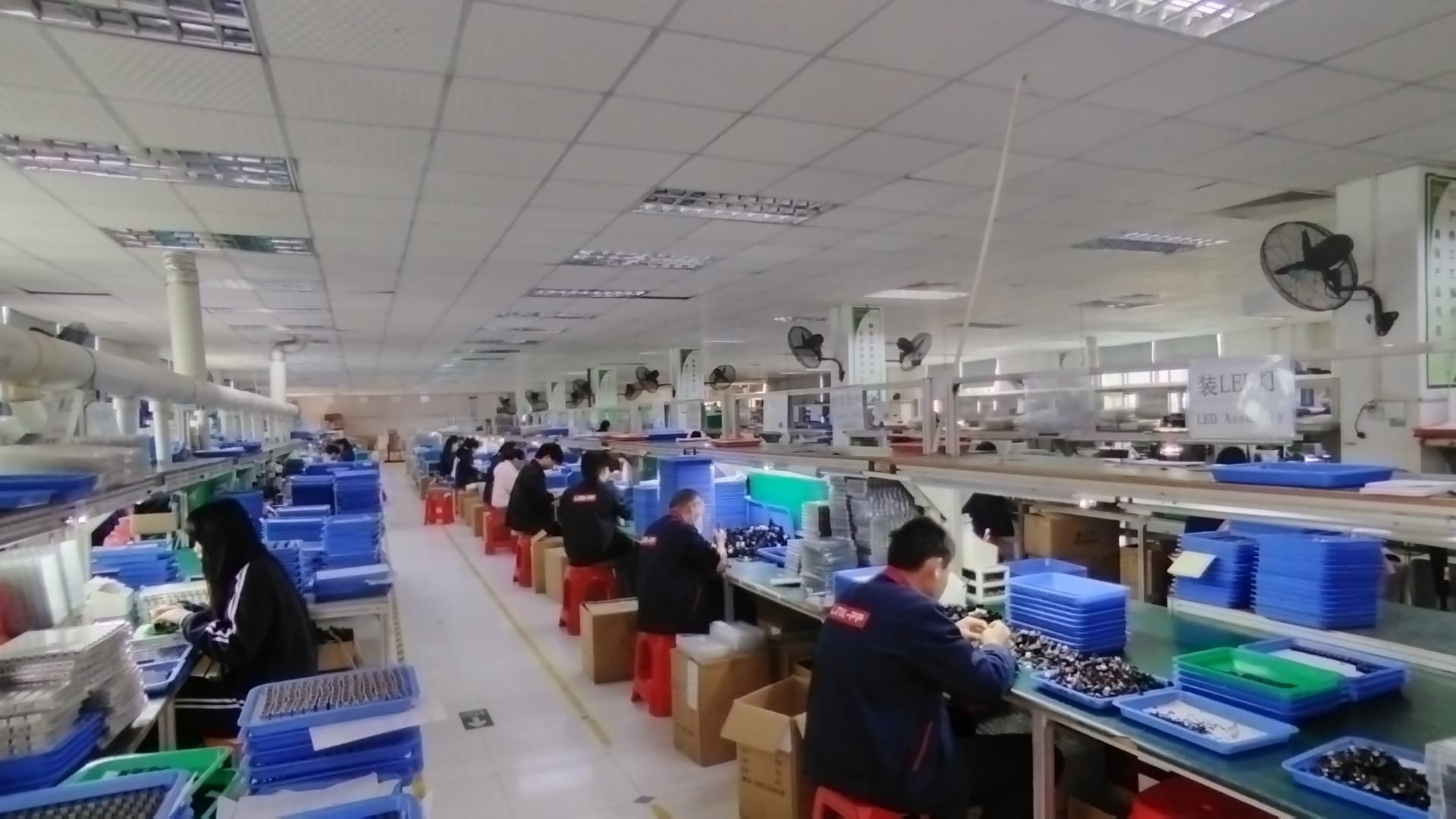
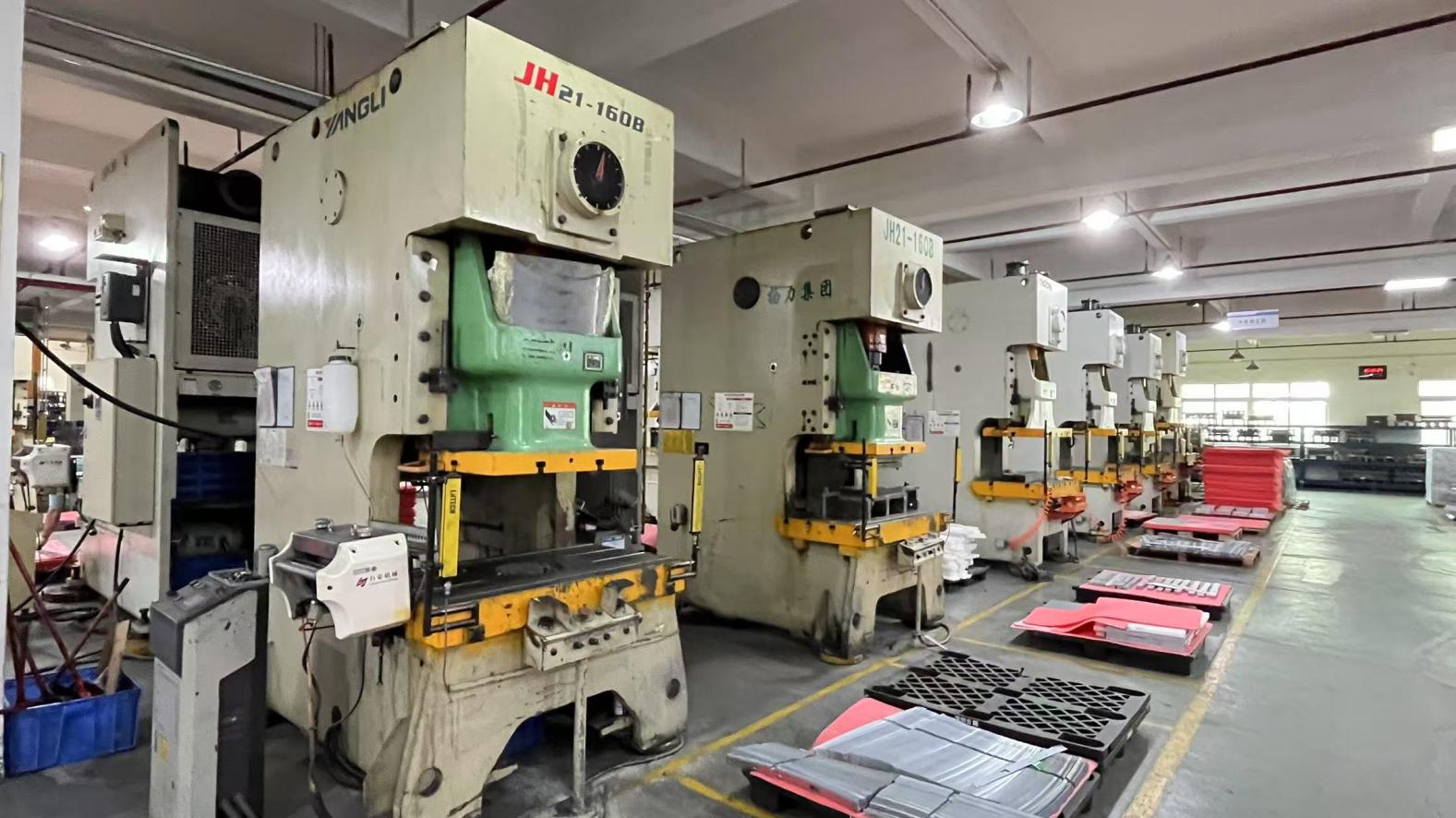
The modern manufacturing landscape for RJ45 connectors has transitioned from localized, low-density stamping plants to highly automated, precision micro-assembly lines. Because the physical dimensions of the RJ45 interface are strictly standardized under international standards (such as IEC 60603-7), suppliers differentiate their products through mechanical enhancements, material selections, and electrical isolation performance.
In the European Union and associated economic zones, the presence of the CE mark indicates that the product complies with the essential health, safety, and environmental protection standards. For exporters based in industrial zones, maintaining rigorous compliance paths under standard frameworks—specifically the low-voltage electrical equipment guidelines and electromagnetic compatibility (EMC) regulations—is mandatory to service enterprise-level distributors, automotive networks, and telecom operators.
Guarantees all copper and composite materials are free of hazardous substances and fully optimized for electromagnetic compatibility (EMC).
Features embedded discrete transformers, ESD shielding, and LAN filters to isolate and protect active networking PHY silicon.
Engineered for high-frequency signal propagation up to 10G Base-T speeds, limiting internal crosstalk and attenuation.
Depending on the deployment region, the specifications for RJ45 configurations differ substantially:
Established in 2016, Novafiber Communications Co., Ltd. is a leading optical transceiver and network interconnect manufacturer, delivering high-performance fiber optic and copper communication solutions for global datacenters, telecom operators, and system integrators. With an advanced precision micro-assembly cleanroom and testing facility covering 420㎡, Novafiber operates at the intersection of fiber-to-the-home (FTTH) connectivity and high-speed copper networking interfaces.
"Through 9 years of engineering excellence and 7 years of global export experience, Novafiber has developed an agile supply chain system consisting of over 1,200 verified hardware partners, ensuring competitive lead times and raw material availability for high-capacity batch orders."
The company generates an annual export revenue of approximately USD 8.5 million, serving tier-1 clients across North America, Europe, Southeast Asia, and the Middle East. With an expansive R&D department consisting of 180 experienced engineers, Novafiber introduced over 320 new product variations in the past fiscal year alone. This comprehensive portfolio spans from legacy 10/100M copper interfaces and discrete magnetic filters to advanced 25G BiDi SFP28 optical modules and SFP+ multi-port ganged cages.
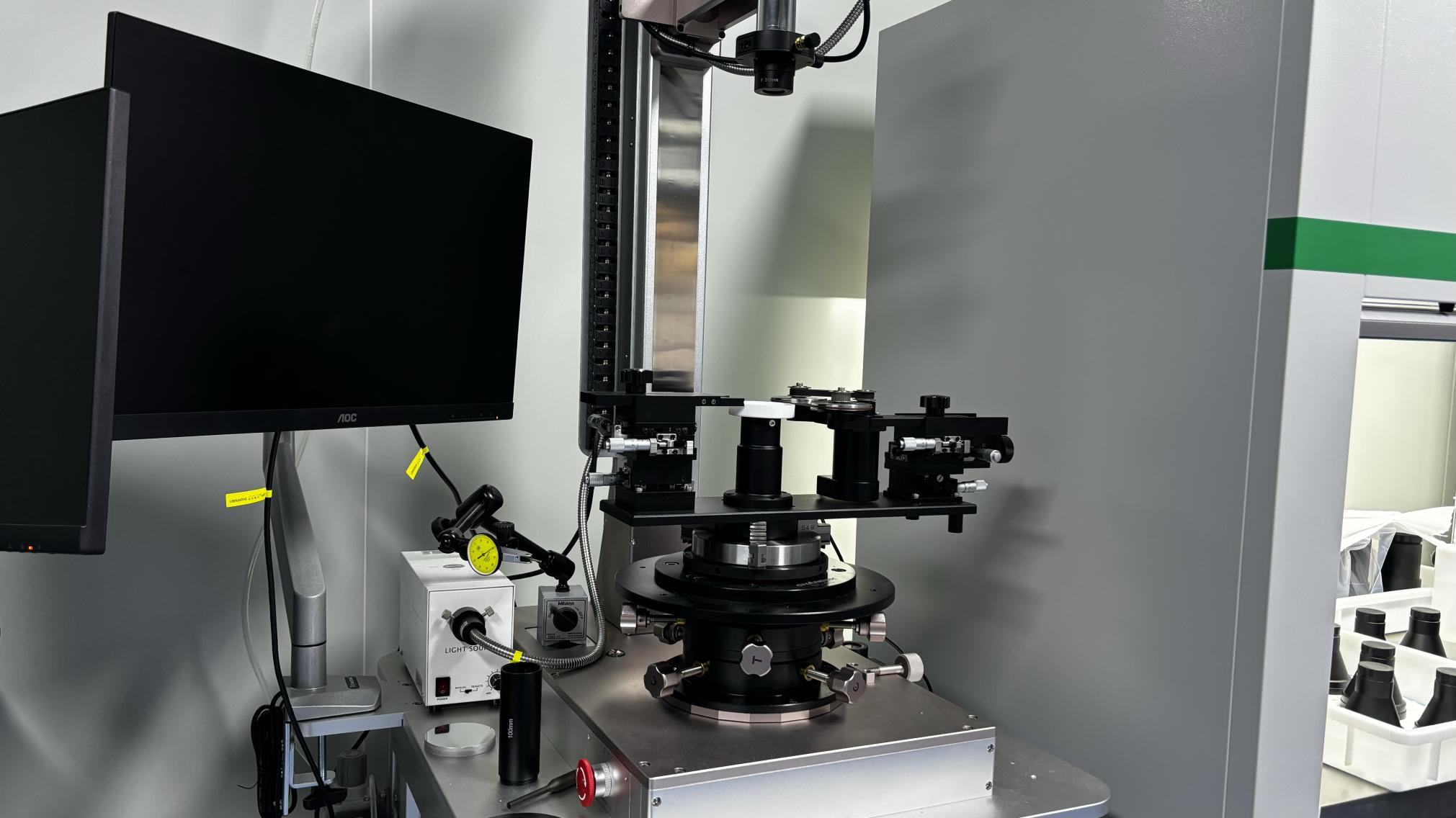
Quality assurance is at the core of Novafiber’s operations. The manufacturing divisions employ 65 dedicated quality inspection personnel. Every shipment undergoes rigorous testing procedures, including automated optical inspections (AOI), environmental stress screening (ESS), high-temperature aging tests, and 100% functionality verification conforming to IPC assembly standards. This engineering rigour guarantees long-term durability in high-density industrial and network rack spaces.
Understanding the material composition of an RJ45 modular jack is crucial to assessing its longevity and suitability for harsh environments. Low-tier, non-certified connectors often fail prematurely due to micro-corrosion of the contact points, structural deformation of the thermoplastic housing, or poor solderability during reflow assembly.
Under standard testing, physical contacts must withstand at least 750 mating cycles without showing significant degradation in contact resistance (typically kept below 20 mΩ). Exporters compliant with CE and industry guidelines utilize phosphor bronze as the base alloy, plated with nickel, and finished with selective gold plating. The thickness of the gold plating (ranging from gold flash to 50 microinches) directly dictates the performance level:
For Surface Mount Technology (SMT) and Through-Hole Reflow (THR) processes, the connector body must withstand high-temperature profiles up to 260°C. Standard materials include High-Temperature Nylon (PA9T, PA46, or LCP) with UL 94 V-0 flame-retardant ratings. Non-certified components may utilize lower-grade plastics that release toxic halogens or warp under high thermal stress, leading to misaligned pins and electrical failure.
A copper alloy shield (typically brass or nickel-plated copper) wraps around the connector housing to prevent electromagnetic interference. This shield diverts high-frequency noise from nearby switching power supplies or wireless transmitters to the system chassis ground, preserving the signal-to-noise ratio (SNR) on the twisted-pair cable.
As networks transit to multi-gigabit workloads, the humble RJ45 is being pushed to its physical limits. The industry is currently undergoing a convergence between copper interfaces and optical backplanes, changing how hardware platforms are designed.
For example, the deployment of 2.5G Base-T and 5G Base-T networks requires connectors to support bandwidths up to 250 MHz, necessitating integrated shielding architectures and advanced internal discrete transformers to mitigate crosstalk. The integration of SMT female RJ45 jack connectors allows automated pick-and-place machines to mount interfaces directly onto high-density PCB lines without manual soldering steps, lowering overall assembly costs for OEM device manufacturers.
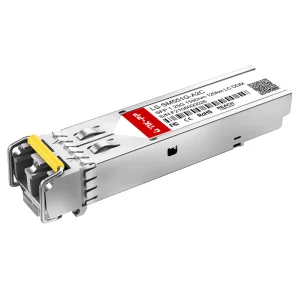
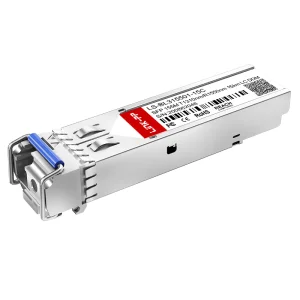
Concurrently, hardware configurations are increasingly integrating SFP/SFP+ cages with standard RJ45 ports (combo connectors), giving system administrators the flexibility to run low-cost copper lines for short links while utilizing fiber-optic modules for long-haul transmission runs. The development of cages with integrated light pipes enables real-time physical layer diagnostic visualization without adding complex software overhead.
Multi-port stacked configurations, ganged SFP+ cages, and high-frequency optical transceivers for hybrid networking environments.
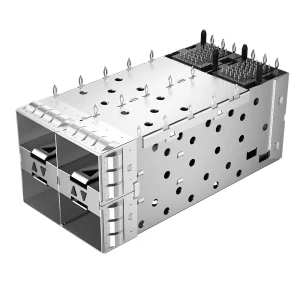
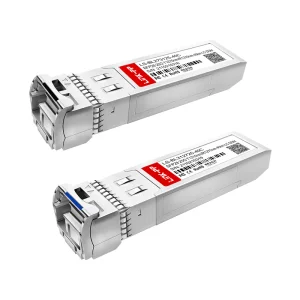
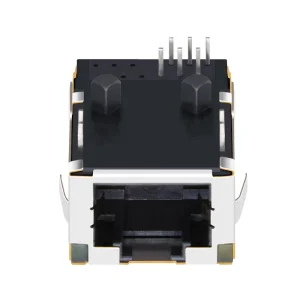
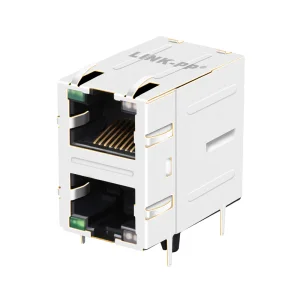
A glimpse into our manufacturing workflow, precision testing setups, and international compliance operations.

Addressing critical integration questions regarding signal degradation, thermal routing, and certification standards.
 Novafiber