
Novafiber Communications Co., Ltd. is a leading global optical transceiver and deep Ethernet connector manufacturer, providing high-performance fiber optic and high-reliability copper connection solutions. Founded in 2016, we service data centers, hyper-scale cloud environments, and national telecommunications networks worldwide.
Expertise Verification: Every single connector and transceiver shipped by Novafiber complies fully with the CE Directive, RoHS, and FCC part 15 rules, ensuring signal integrity, low insertion loss, and reliable EMI suppression.
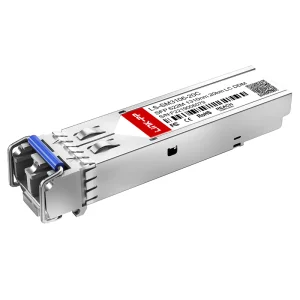
As data center architectures transition from 100G architectures to high-frequency 400G and 800G pathways, physical interconnect reliability has emerged as a key bottleneck. Deep Ethernet Connectors, encompassing high-speed RJ45 MagJacks, SFP+ cages, and optical transceivers, bridge the gap between high-frequency digital signal processors (DSPs) and copper/fiber backplanes.
Modern high-speed copper connections struggle with electromagnetic interference. Integration of multi-point EMI grounding fingers and internal magnetic cores (magnetic transformers) suppresses common-mode noise prior to PCB path traversal.
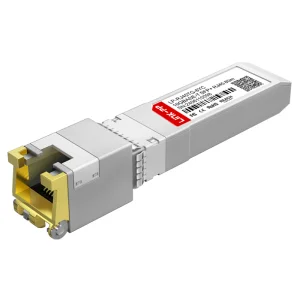
High-density transceiver cages generate substantial thermal loads. Advanced modules incorporate integrated lightpipes and optimized heat dissipation vents directly inside the mechanical SFP+/QSFP structures to prolong hardware service life.
Global operators utilize mixed-vendor platforms. Under MSA standards, high-speed transceivers and modular connectors must retain broad, cross-compatibility with Cisco, Juniper, TE Connectivity, and other market leaders.
To address hyper-density switching matrices and deep Ethernet interface needs, physical media must transition to modular architectures. Below is the technical transition map our R&D team executes daily.
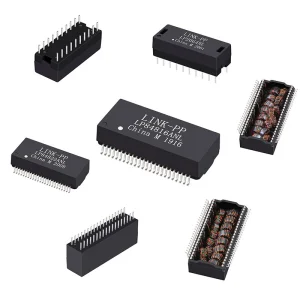
Reliance on discrete magnetic transformers (like HST-24001SCR) paired with traditional RJ45 physical ports. This stage prioritized isolation voltages (typically 1.5kV AC) and basic cross-talk mitigation.
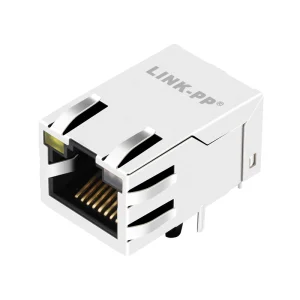
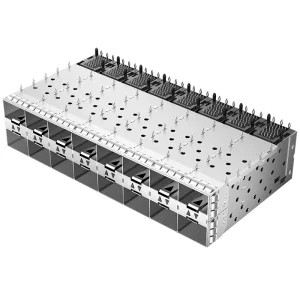
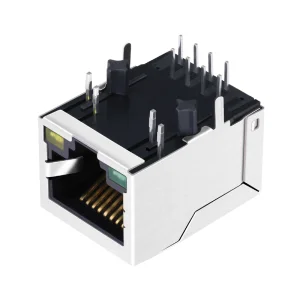
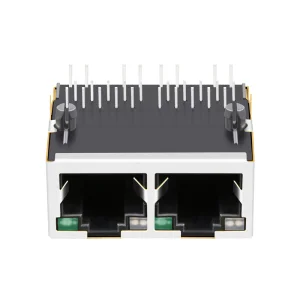
Integration of magnetic components directly inside the modular RJ45 female connector (e.g., 2X8 Harmonica Jacks). Multi-port SFP+ cages (like 2169788-6) incorporate press-fit technology and dedicated lightpipes.
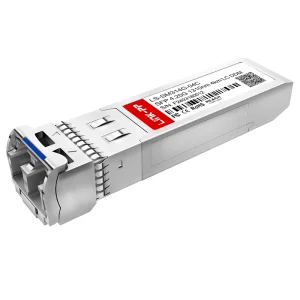
Wavelength division multiplexing (e.g., BiDi 1330nm-TX/1270nm-RX) over single-mode fibers. Low-profile surface-mount technology (SMT) connectors allow for minimal space constraints and optimized automated pick-and-place lines.
Development of double-density interfaces like CWDM QSFP-DD LR4 10km modules. Optimization shifts toward advanced silicon photonics, sub-picosecond jitter constraints, and zero-error PAM4 modulation.
Different environmental conditions require distinct structural profiles. Deploying a deep Ethernet connector in a heavy-duty factory requires vastly different parameters than a high-density, air-conditioned data center.
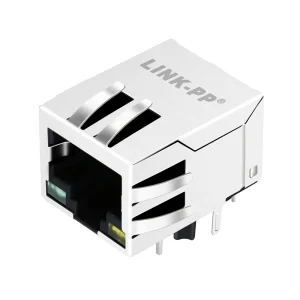
In industrial automation environments, electrical noise from large motors and welding gear degrades signal integrity. Heavy-duty applications use shielded modular RJ45 sockets with integrated multi-point EMI fingers.
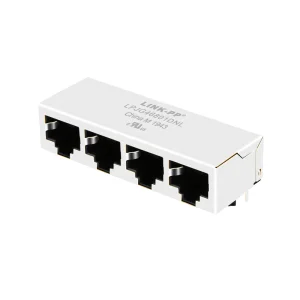
For telecom infrastructure, rack density is critical. Designers use multi-port harmonica connectors (such as 1X4 or 2x8 SFP+ configurations) to minimize port-to-port pitch.
Novafiber provides end-to-end physical interface solutions tailored to specific commercial targets.
Deploying 400G CWDM QSFP-DD links over 10km SMF to interconnect regional clouds. Our high-precision internal alignments keep return loss figures above 30dB, ensuring low BER (Bit Error Rate).
Using 25G BiDi simplex LC SFP28 modules for 20km loops. By using separate transmit/receive wavelengths on a single optical strand, operators cut fiber leasing costs in half.
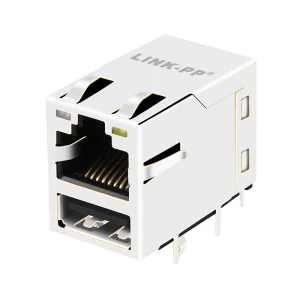
Standardizing on Gigabit RJ45 with Dual USB 3.0 integrations. This allows edge gateways to receive high-speed camera data streams while maintaining a redundant gigabit uplink to the local network.
Understand the physical constraints and compliance criteria of high-speed network interfaces with these in-depth answers.
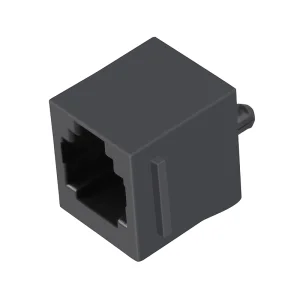

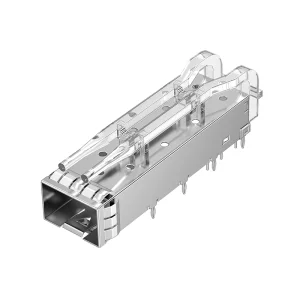
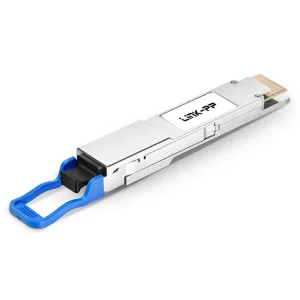
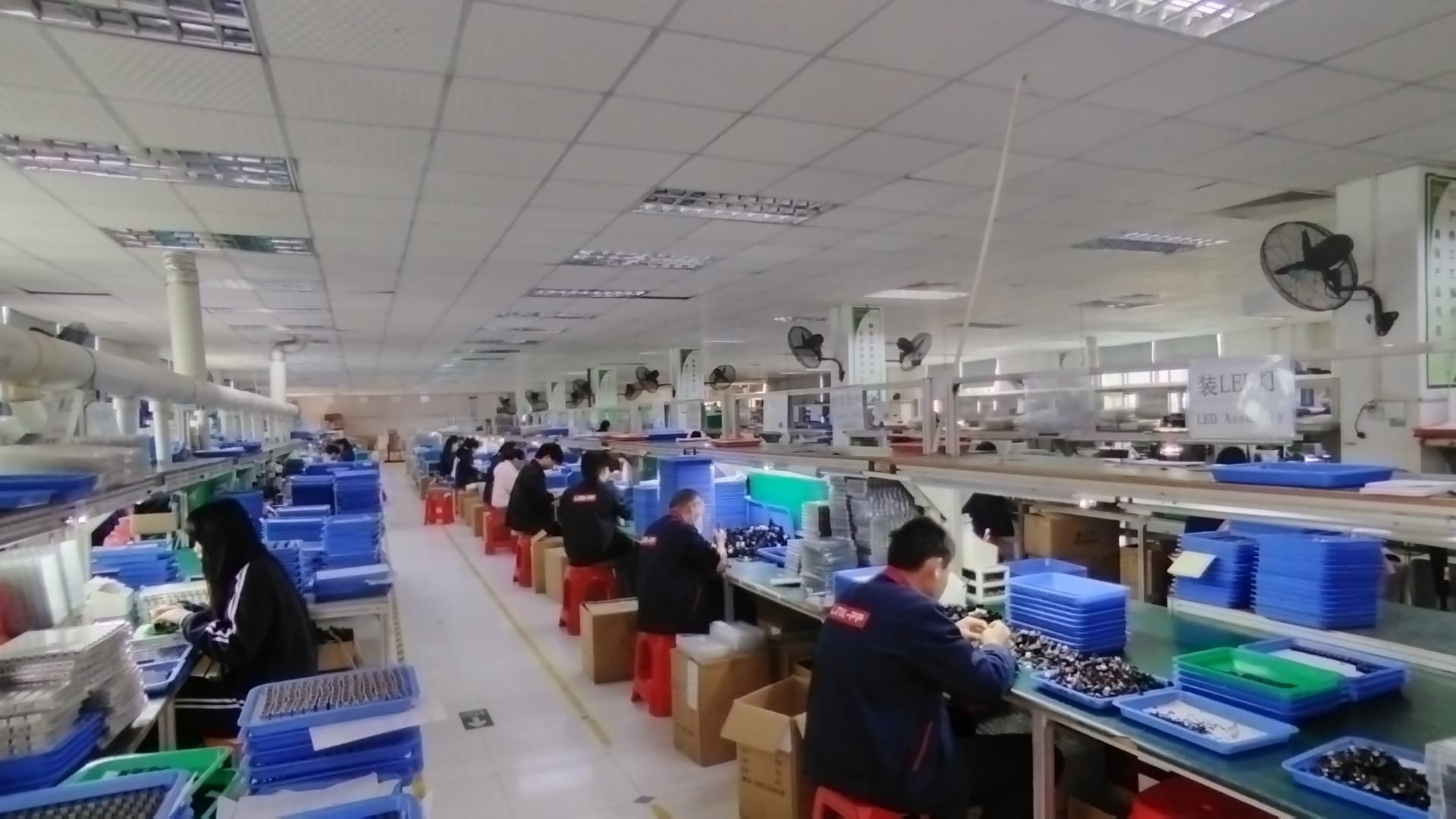
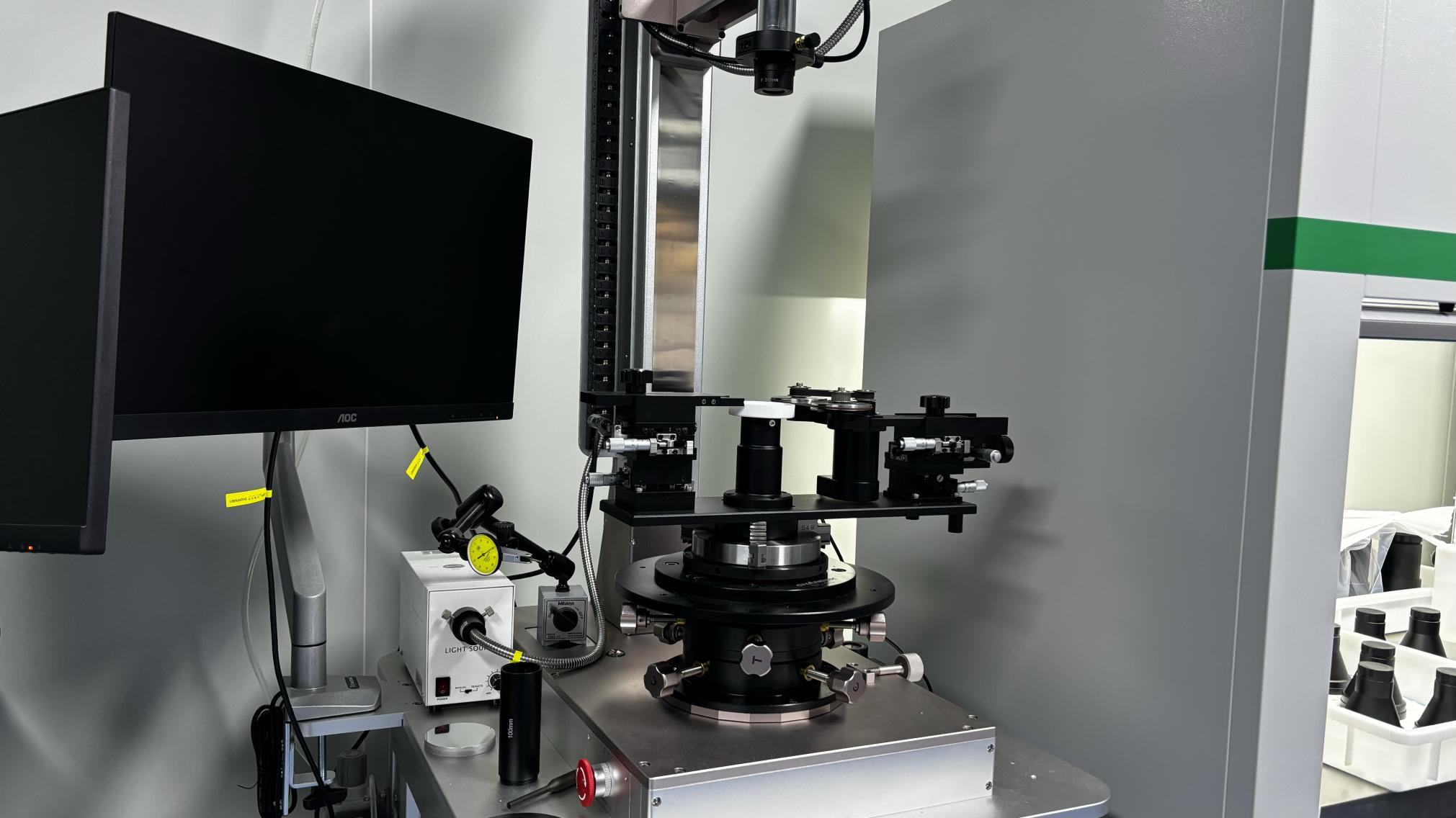
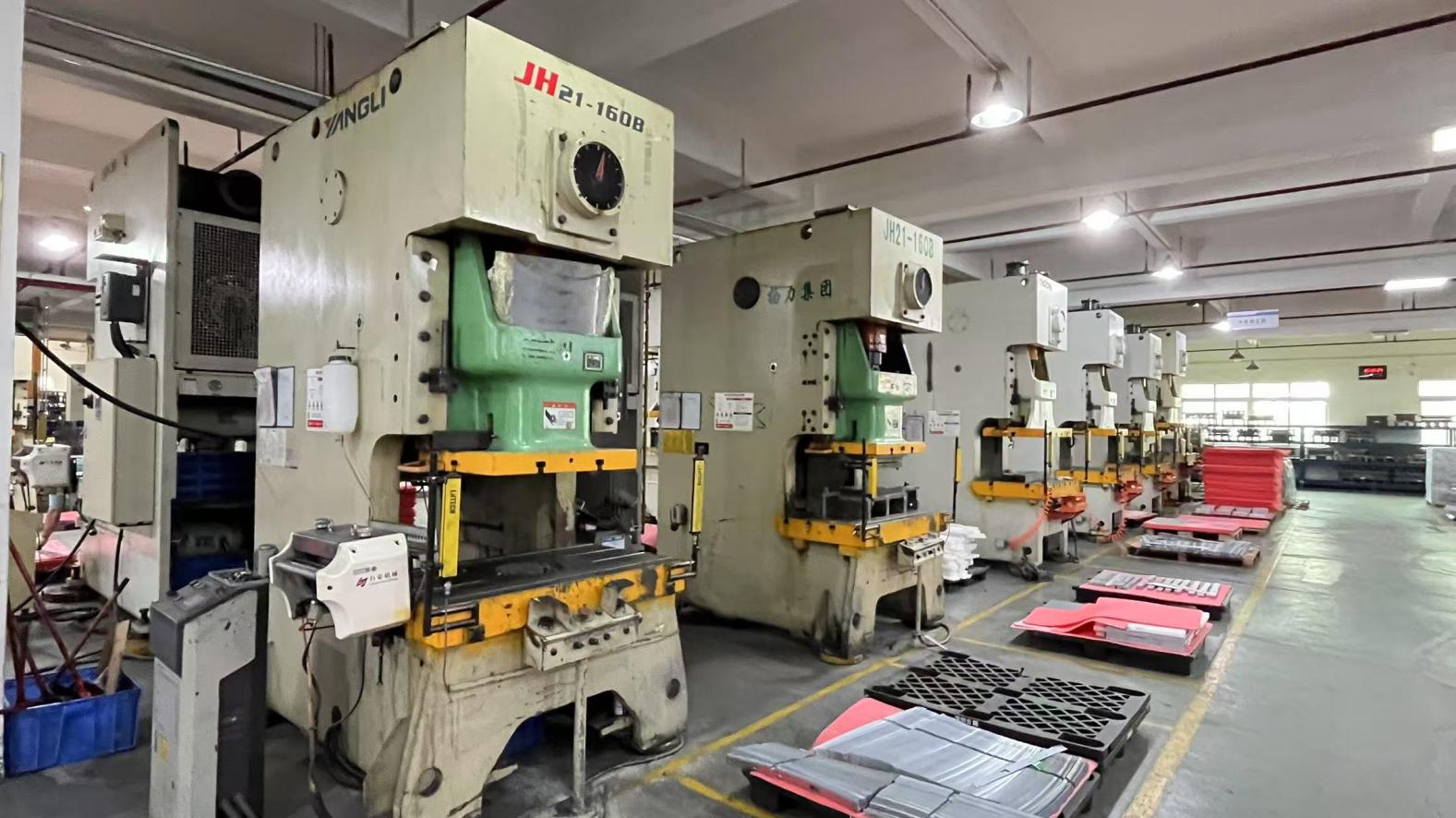
Novafiber operates cleanroom facilities to assemble high-speed optical systems. Every step, from component alignment to final environmental stress screening, is monitored to maintain reliable signal performance.

 Novafiber